Your Menstrual Cycle Explained: A Complete Women’s Guide
 Dec, 26 2025
Every woman’s body tells a story - and the menstrual cycle is one of the most personal, powerful, and misunderstood chapters. If you’ve ever felt confused about why you feel tired one week and energized the next, or why your mood swings seem to follow a pattern, it’s not just in your head. It’s biology. Your menstrual cycle isn’t just about bleeding. It’s a carefully timed hormonal dance that affects your energy, skin, mood, cravings, and even how you think. This guide breaks it down - no jargon, no fluff - just what actually happens, why it matters, and how to work with your body, not against it.
What Exactly Is the Menstrual Cycle?
The menstrual cycle is the monthly series of changes your body goes through to prepare for pregnancy. It starts on the first day of your period and ends the day before your next period begins. Most cycles last between 21 and 35 days, with 28 days being the average. But averages don’t mean everyone fits that mold. Healthy cycles vary - and that’s normal.
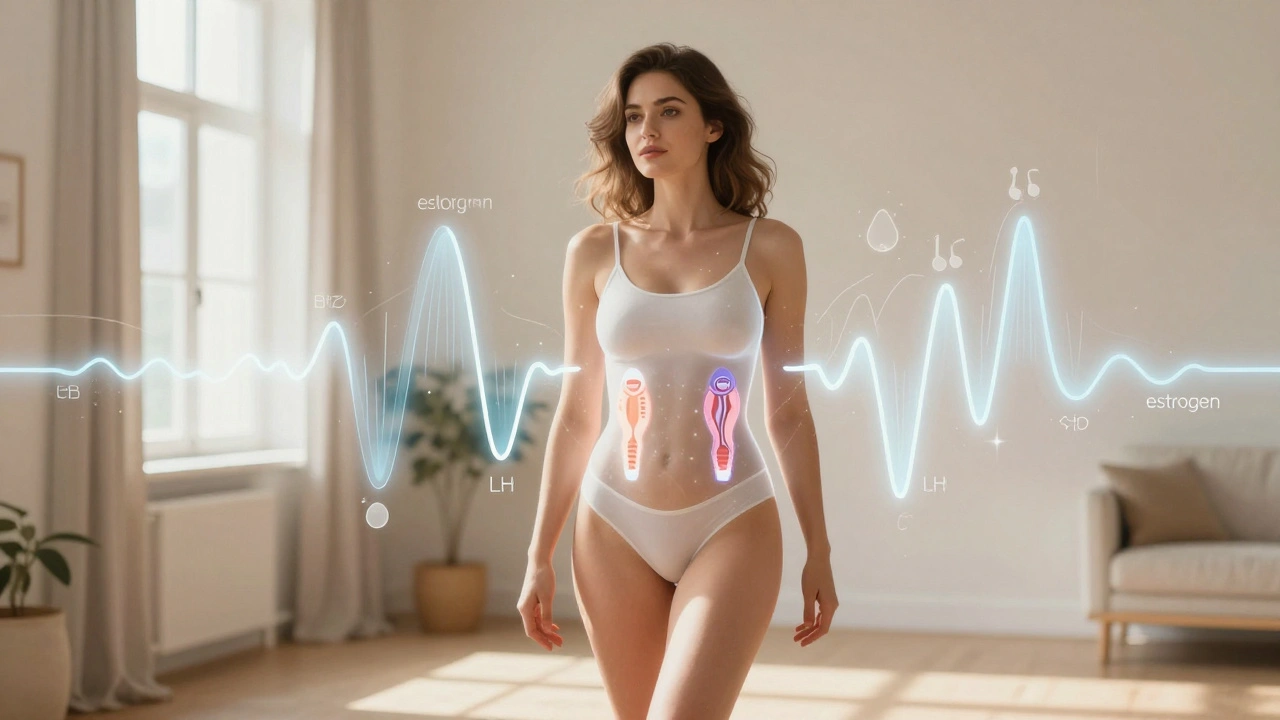
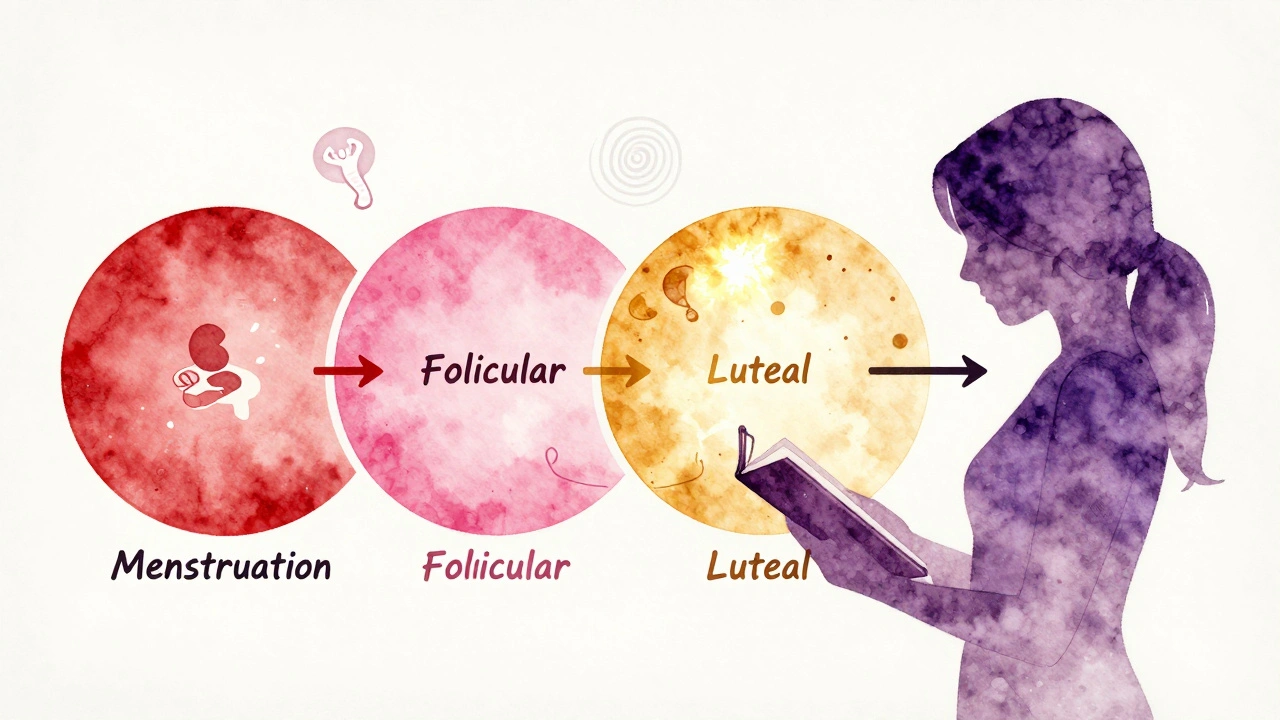
Your cycle is controlled by four main hormones: estrogen, progesterone, follicle-stimulating hormone (FSH), and luteinizing hormone (LH). These don’t just show up randomly. They rise and fall in a precise order, triggering physical changes in your ovaries and uterus. Think of it like a four-act play:
- Menstruation - the shedding of the uterine lining
- Follicular phase - your body prepares an egg
- Ovulation - the egg is released
- Luteal phase - your body waits for pregnancy
Each phase has its own symptoms, energy levels, and biological goals. Knowing them helps you anticipate what’s coming - whether it’s bloating, cravings, or sudden clarity at work.
Phase 1: Menstruation (Days 1-5)
This is when bleeding happens. The uterus sheds its lining because no pregnancy occurred. Blood, tissue, and mucus leave the body through the vagina. Most people bleed for 3 to 7 days, with the heaviest flow in the first two days.
During this phase, estrogen and progesterone drop to their lowest levels. That’s why many feel tired, moody, or achy. Cramps? Those come from your uterus contracting to push out the lining. It’s not a flaw - it’s a function.
What to expect:
- Lower energy levels
- Sore breasts
- Headaches or back pain
- Increased need for sleep
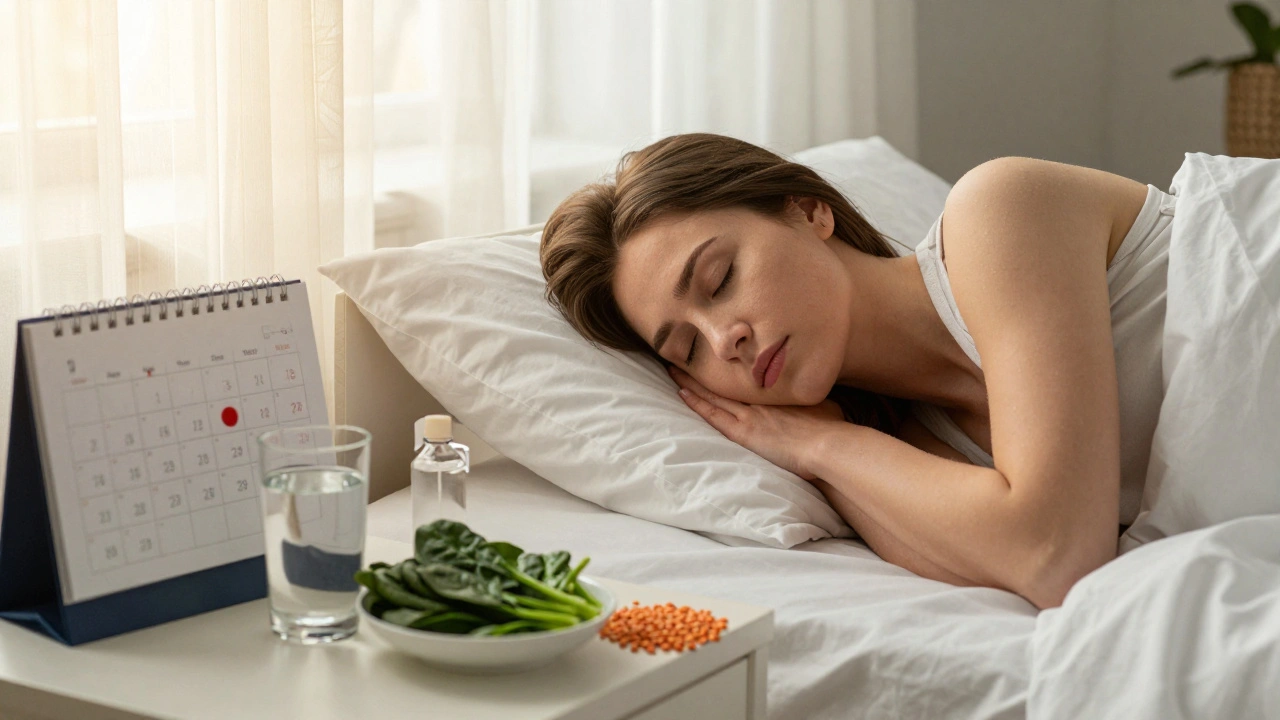
Don’t push through fatigue. Rest. Hydrate. Eat iron-rich foods like lentils, spinach, or lean red meat. If your period lasts longer than 7 days or you’re soaking through a pad or tampon every hour, talk to a provider. That’s not normal.
Phase 2: Follicular Phase (Days 1-13)
This phase overlaps with menstruation but continues after bleeding stops. Your brain signals the ovaries to start growing follicles - tiny sacs that hold eggs. One of them will mature and become the egg you might release.
As the follicle grows, it makes more estrogen. This hormone rebuilds the uterine lining and thickens cervical mucus. That’s why you might notice wetter, clearer discharge around day 10 or 11. It’s your body’s way of creating a highway for sperm.
Estrogen also boosts serotonin and dopamine - your brain’s feel-good chemicals. That’s why many people feel sharper, more confident, and even more social during this time. It’s not just you. It’s biology.
What to expect:
- Higher energy
- Better focus and memory
- Increased libido
- Clear, stretchy cervical fluid (like egg white)
This is a great time to tackle big projects, schedule important meetings, or try new workouts. Your body is primed for action.
Phase 3: Ovulation (Day 14, roughly)
Ovulation is the moment your body releases the mature egg from the ovary. It usually happens around day 14 in a 28-day cycle - but not always. If your cycle is 32 days, ovulation might happen on day 18. The key is tracking your signs, not counting days.
What triggers ovulation? A spike in luteinizing hormone (LH). This surge happens 24 to 36 hours before the egg is released. That’s why ovulation predictor kits (OPKs) work - they detect LH in your urine.
Signs of ovulation:
- Clear, slippery cervical fluid
- Mild cramping on one side (mittelschmerz)
- Light spotting
- Increased sex drive
- Higher basal body temperature (after ovulation)
If you’re trying to conceive, this is your peak fertility window - the 5 days before ovulation and the day of release. Sperm can live up to 5 days inside the body, so having sex in the days leading up to ovulation gives you the best shot.
If you’re not trying to get pregnant, this phase can feel intense. Some people experience heightened sensitivity to smells, light, or even emotions. It’s normal. Your body is wired for reproduction.
Phase 4: Luteal Phase (Days 15-28)
After ovulation, the empty follicle turns into the corpus luteum, which pumps out progesterone. This hormone thickens the uterine lining even more, ready to support a fertilized egg. If no pregnancy happens, the corpus luteum breaks down, progesterone drops, and your period starts.
This phase is where most people experience premenstrual symptoms. Progesterone and estrogen drop, serotonin dips, and cortisol (stress hormone) rises. That’s why irritability, bloating, food cravings, and anxiety often show up 1-2 weeks before your period.
Common symptoms:
- Bloating and water retention
- Breast tenderness
- Cravings for sugar or carbs
- Mood swings or tearfulness
- Difficulty sleeping
These aren’t just "PMS" - they’re real hormonal shifts. If your symptoms are mild, simple changes help: reduce salt, drink more water, eat protein and complex carbs, and move your body. Walking, yoga, or light strength training can ease tension.
If your symptoms are severe - if you can’t work, sleep, or function for days - you might have PMDD (premenstrual dysphoric disorder). It’s a medical condition, not just "bad mood." Talk to a provider. There are treatments.
Why Tracking Your Cycle Matters
Most people don’t track their cycles. But knowing your pattern gives you power. It’s not about predicting your period - it’s about understanding your body’s rhythm.
Tracking helps you:
- Spot irregularities early (like missed ovulation or long luteal phases)
- Understand your fertility window
- Anticipate mood or energy shifts
- Communicate better with your doctor
You don’t need an app. A simple calendar works. Mark:
- First day of bleeding
- Days of heavy flow
- Changes in cervical fluid
- Mood or energy levels (scale of 1-5)
- Any pain or unusual symptoms
After 3 months, you’ll start seeing patterns. Maybe you always feel sharp on day 12. Or your cravings peak on day 23. That’s insight. That’s control.
When to Worry
Some variation is normal. But some signs mean it’s time to see a provider:
- Your cycle is consistently under 21 days or over 35 days
- You skip periods for 3+ months (and you’re not pregnant or on birth control)
- Your periods last longer than 7 days or you soak through more than one pad/tampon per hour
- You have severe pain that stops you from working or moving
- You bleed between periods or after sex
- Your cervical fluid has a foul smell or unusual color
These could point to polycystic ovary syndrome (PCOS), endometriosis, thyroid issues, or hormonal imbalances. Early detection makes treatment easier.
How to Support Your Cycle Naturally
You can’t control hormones - but you can support them. Here’s what works:
- Eat balanced meals - protein, healthy fats, and fiber keep blood sugar steady. That reduces cravings and mood crashes.
- Move daily - even 20 minutes of walking helps regulate hormones and reduce stress.
- Get enough sleep - cortisol spikes when you’re sleep-deprived, which can throw off your cycle.
- Reduce processed sugar and alcohol - they worsen inflammation and PMS symptoms.
- Try magnesium-rich foods - spinach, almonds, pumpkin seeds, and dark chocolate can ease cramps and anxiety.
- Consider a warm compress - for cramps, heat relaxes uterine muscles better than painkillers for many people.
Supplements like vitamin B6, omega-3s, or chasteberry (vitex) may help - but talk to a provider first. Not everything labeled "natural" is safe.
What About Birth Control?
Hormonal birth control (pills, patches, IUDs) doesn’t "regulate" your cycle. It shuts it down. Your body doesn’t ovulate. The bleeding you get isn’t a period - it’s withdrawal bleeding. It’s fake.
That’s fine if you need it. But if you’re using birth control just to "make your period regular," you’re masking what your body is trying to tell you. Once you stop, your real cycle returns - and sometimes it’s not pretty.
If you’re considering going off birth control, give your body 3-6 months to readjust. Track your cycle. Be patient. Your natural rhythm will come back.
Final Thought: Your Cycle Is a Health Radar
Your menstrual cycle isn’t just about reproduction. It’s a window into your overall health. Thyroid problems, stress levels, nutrient deficiencies, and even heart health show up here first. Ignoring your cycle means ignoring a vital signal.
Stop seeing your period as a nuisance. Start seeing it as data. The more you learn, the more power you have - over your body, your energy, your mood, and your future.