Yoga and Meditation for Women: Why They Work Better Together
 Aug, 17 2026
Most women don't struggle with knowing what to do to feel better. We know we need to move, breathe, and quiet our minds. The problem is doing all three in a world that screams for our attention every thirty seconds. That’s where the pairing of yoga and meditation changes everything. It isn’t just two separate hobbies; it’s a synergistic system where one practice amplifies the other, creating a feedback loop that reduces cortisol more effectively than either method alone.
Think of your nervous system as a dial. Yoga moves you from 'fight or flight' toward 'rest and digest.' Meditation teaches you how to stay there once you get close. When you combine them, you aren't just exercising your body or training your mind-you are rewiring your baseline state of calm. For women specifically, this combination addresses unique physiological challenges like hormonal fluctuations, pelvic floor health, and the cumulative stress of multitasking.
The Synergy: How Movement Primes the Mind
You might wonder why you can’t just meditate without moving first. The answer lies in physical tension. If your shoulders are hunched up by your ears or your jaw is clenched, sitting still becomes an act of war. Your brain interprets physical tension as a threat signal. Yoga releases that physical grip before you even sit down.
When you flow through a sequence, you engage the parasympathetic nervous system. This is the "brake pedal" of your body. By the time you transition into seated meditation, your heart rate has already dropped, and your muscles have relaxed. You aren't fighting your body to be still; you're inviting it to rest. This makes the meditation phase significantly easier, especially for beginners who often report feeling restless or anxious during silent sittings.
Mindfulness Meditation is a practice of paying attention to the present moment on purpose, without judgment. In the context of combined practice, it serves as the anchor point after the kinetic energy of yoga has settled.Hormonal Harmony and the Female Cycle
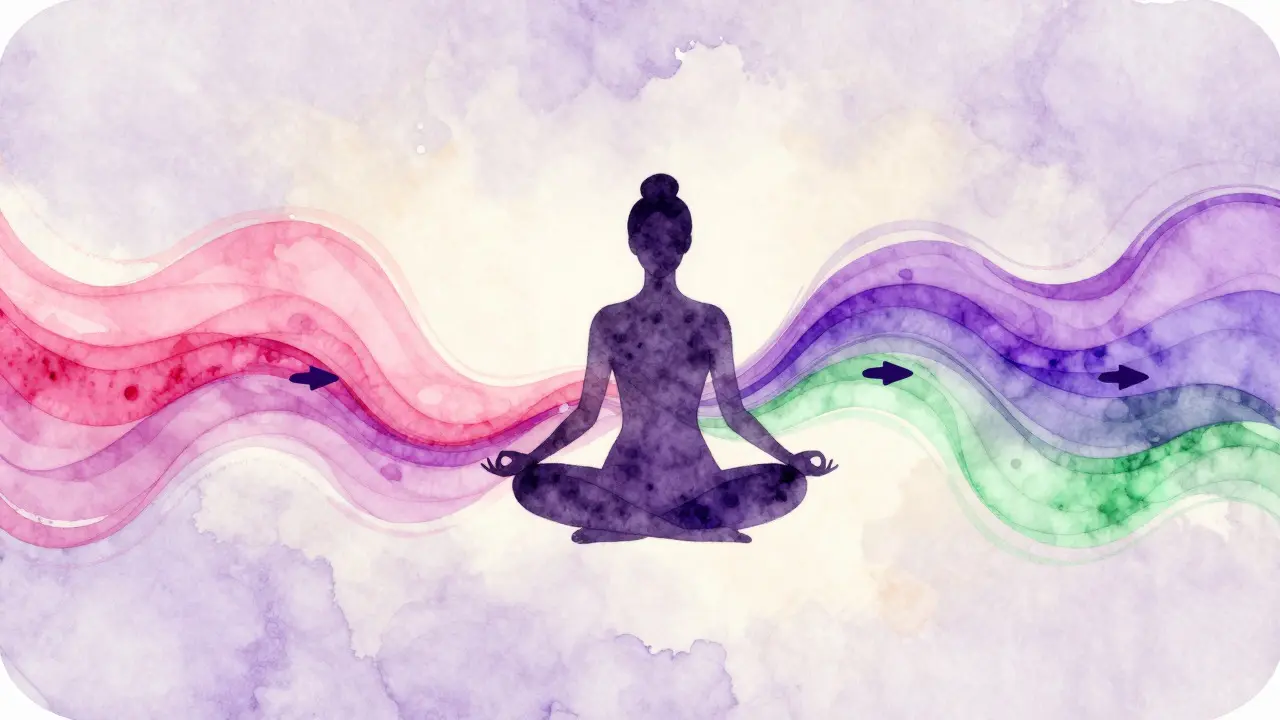
For women, stress doesn't just make us tired; it disrupts our hormones. Chronic elevation of cortisol can interfere with progesterone and estrogen balance, leading to mood swings, sleep issues, and digestive problems. Yoga and meditation work together to regulate the hypothalamic-pituitary-adrenal (HPA) axis, which controls your stress response.
During the luteal phase (the week before menstruation), many women experience increased anxiety and bloating. A gentle yoga practice focusing on hip openers and twists can physically release stored tension in the pelvis. Following this with five minutes of focused breathing meditation helps lower the inflammatory markers associated with PMS. It’s not magic; it’s physiology. You are manually downregulating the stress response that would otherwise amplify physical symptoms.
- Follicular Phase: Higher energy levels allow for more dynamic Vinyasa flows paired with short, energizing meditations.
- Ovulation: Peak creativity and confidence support balanced practices that integrate both strength and flexibility.
- Luteal Phase: Shift to Yin yoga or Restorative poses followed by longer, calming meditations to support progesterone dominance.
- Menstrual Phase: Focus on deep rest, gentle stretching, and compassion-focused meditation to honor the body's need for recovery.
Why Doing Them Separately Falls Short
I’ve seen plenty of women who go to a hot yoga class six times a week but still feel wired at night. Why? Because they leave the studio adrenaline-spiked and jump straight into their evening responsibilities. The exercise helped their cardiovascular health, but it didn't settle their nervous system.
Conversely, I’ve met women who meditate for twenty minutes daily but struggle with chronic back pain or stiffness. Their minds are quiet, but their bodies are holding onto years of bracing against life. The meditation helps them cope with the pain, but it doesn't resolve the structural tension causing it.
When you pair them, you solve both problems simultaneously. The yoga creates the physical space for relaxation, and the meditation creates the mental habit of noticing when you start to tense up again. It’s a complete loop: move to release, sit to integrate.
A Practical Routine for Busy Schedules
You don’t need two hours. In fact, shorter, consistent sessions yield better long-term results than sporadic marathon sessions. Here is a realistic 20-minute framework that fits into a morning coffee break or an evening wind-down.
- Warm-Up (5 mins): Start with Cat-Cow stretches to mobilize the spine. Follow with gentle forward folds to lengthen the hamstrings. Keep movements slow and synced with breath.
- Flow (10 mins): Choose a simple sequence. Warrior II to Triangle, then a low lunge. Focus on grounding through the feet. This builds heat and circulation without exhausting you.
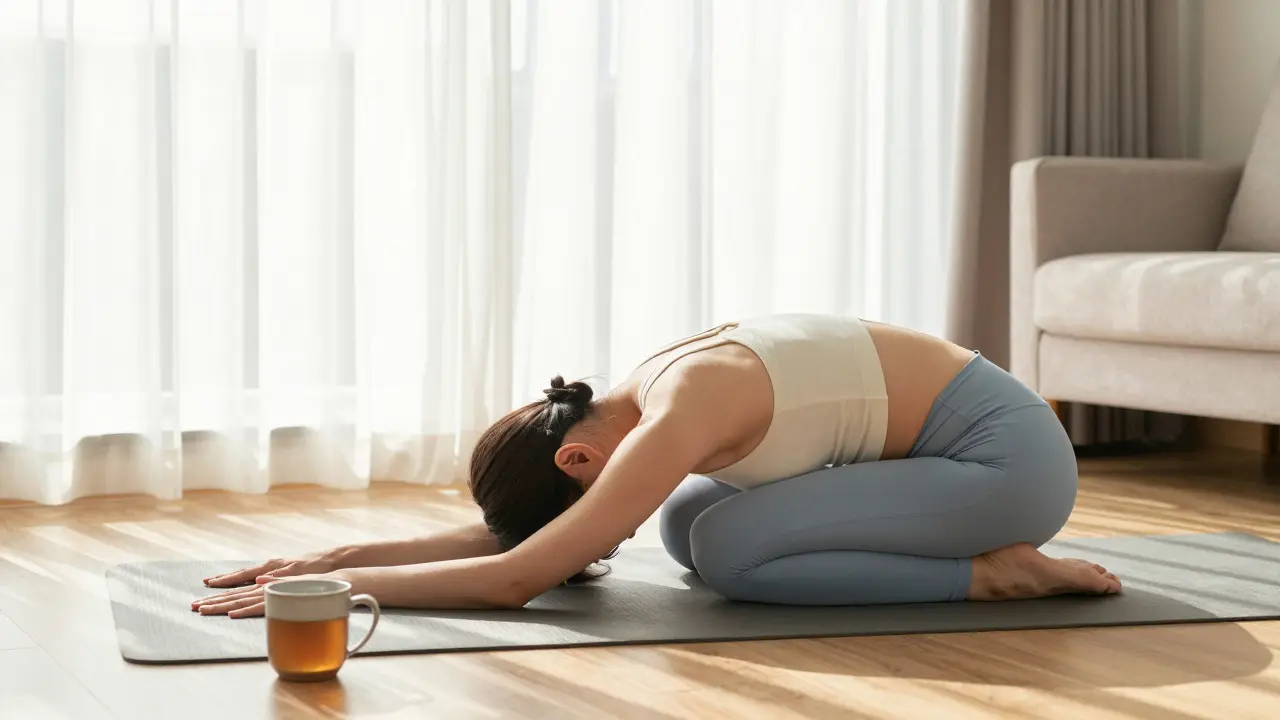
- Cool Down (3 mins): Transition into Child’s Pose or Legs Up the Wall. Let gravity do the work. Feel the weight of your limbs sinking into the floor.
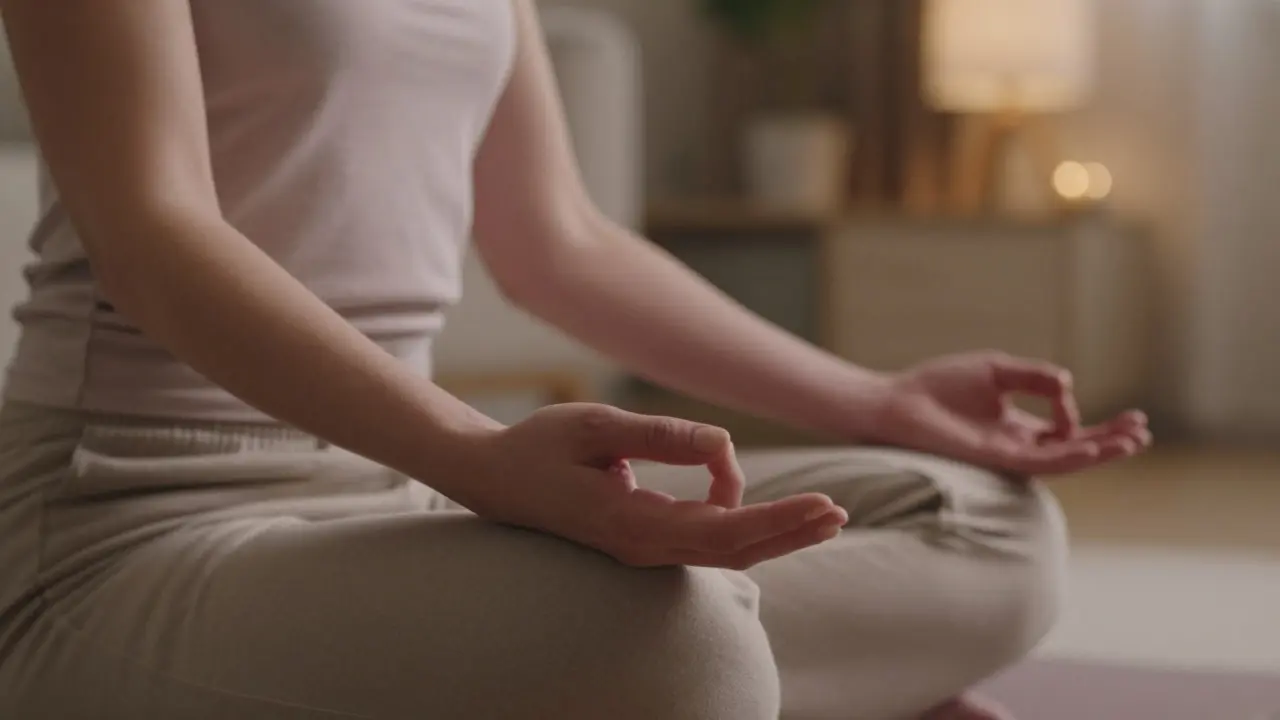
- Meditation (2 mins): Sit comfortably. Close your eyes. Focus solely on the sensation of air entering and leaving your nostrils. If your mind wanders, gently bring it back. No judgment, just return.
This routine takes less time than scrolling through social media, yet it delivers a profound shift in your internal state. The key is consistency. Do this five days a week, and within a month, you’ll notice you react less impulsively to stressors and sleep deeper.
Overcoming Common Barriers
The biggest obstacle isn't lack of time; it's the belief that you need to be flexible or have a "quiet mind" to start. Neither is true. Yoga is not about touching your toes; it's about how you feel reaching for them. Meditation is not about stopping thoughts; it's about changing your relationship with them.
If you’re new to this, start small. Five minutes of movement and two minutes of silence is better than nothing. Use props like blocks or bolsters to support your body so you don't strain. For meditation, use a timer so you don't have to worry about how long you've been sitting. Remove the decision-making fatigue from the process.
| Benefit Area | Yoga Only | Meditation Only | Combined Practice |
|---|---|---|---|
| Stress Reduction | Moderate (temporary) | High (mental focus) | Very High (physiological + mental) |
| Pain Management | High (structural relief) | Moderate (coping mechanism) | Optimal (prevention + coping) |
| Sleep Quality | Variable (depends on intensity) | High (calms mind) | Excellent (relaxes body + calms mind) |
| Time Commitment | 30-60 mins | 10-20 mins | 20-40 mins (efficient integration) |
Building the Habit Without Burnout
We tend to overcomplicate self-care. We buy expensive mats, subscribe to apps, and plan elaborate routines that fail by week two. To make this stick, attach the practice to an existing habit. After you pour your morning coffee, do your five-minute warm-up. Before you brush your teeth at night, do your two-minute meditation.
Track your progress not by how many poses you master, but by how you feel. Did you notice your shoulders dropping when you heard a stressful email? Did you fall asleep faster last night? These are the real metrics. The goal isn't perfection; it's presence. Over time, the boundary between yoga and meditation blurs. You start meditating while walking to the car. You start finding yogic alignment while sitting at your desk. The practice leaks into your life, making you more resilient in every area, not just on the mat.
Do I need to be flexible to start yoga and meditation?
No. Flexibility is a result of consistent practice, not a prerequisite. Use props like blocks and straps to support your body. The goal is to find a comfortable position that allows you to breathe deeply, not to achieve a specific shape.
How long should I wait between yoga and meditation?
Ideally, none. Transition directly from your final yoga pose into your seated meditation position. This maintains the parasympathetic state induced by the movement. If you must separate them, keep the gap under 15 minutes to avoid losing the physiological benefits.
Is this practice safe during pregnancy?
Generally yes, but consult your healthcare provider. Avoid deep twists and intense inversions in the second and third trimesters. Prenatal yoga classes are designed to accommodate these changes safely, and gentle meditation is highly recommended for reducing labor anxiety.
What if my mind is too busy to meditate?
Start with shorter durations, like two minutes. Count your breaths from one to ten, then restart. This gives your mind a task to focus on. As you build the habit, you can gradually increase the time. The goal is not to stop thinking, but to observe thoughts without getting hooked by them.
Can I do this practice outdoors?
Absolutely. Nature enhances both practices. The sounds of birds or wind can serve as anchors for meditation, and natural light boosts serotonin levels, complementing the physical benefits of yoga. Just ensure you have a stable surface for your mat.