Workwear for Women: A Professional Wardrobe That Fits Your Life
 Mar, 27 2026
The New Reality of Office Dress
There was a time when showing up to work meant stepping out of a car directly into a lobby. If you live in a city like Portland, that reality has shifted dramatically. By 2026, the line between your commute, your meeting room, and your evening errands is blurring. You are likely spending part of the week remotely and part on-site, which means your clothes need to do more heavy lifting than ever before. The goal isn't just to look the part; it's to create a system where your outfit supports your daily energy, keeps you comfortable, and transitions seamlessly from a video call to a coffee run.
This shift demands a rethink of workwear for women. It’s not about buying ten suits you never touch. It’s about understanding fabric behavior, fit mechanics, and the psychological impact of wearing clothes that feel right. We aren't talking about high fashion here. We are talking about utility, longevity, and confidence. When your clothes fit your actual routine, you stop worrying about them and start focusing on your work.
Defining the Modern Capsule Wardrobe
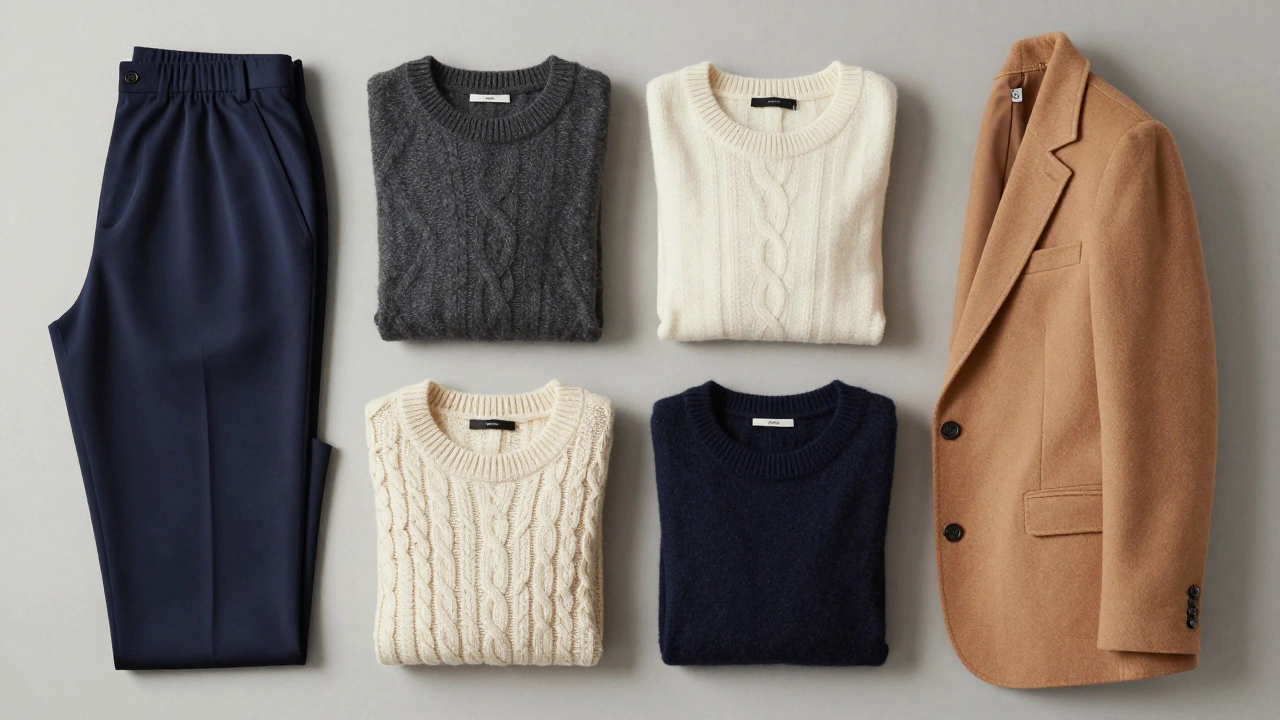
A Capsule Wardrobeis a minimal collection of interchangeable clothing that maximizes outfits while minimizing choices is no longer just a trend; it is a survival strategy for busy professionals. In the past, this might have looked like beige pants and black shirts on repeat. Now, it involves intentional color blocking and texture mixing. Think of your closet as a tool kit. If every piece can connect with every other piece, you solve the "I have nothing to wear" problem instantly.
To build this core, you need to identify the pillars of your week. Do you meet clients daily? Or is your day spent coding behind a screen? The answer dictates the ratio of structured versus relaxed items. For a typical hybrid schedule, aim for a ratio of 60% relaxed-professional and 40% structured formals. This ensures you always have something presentable for face-to-face interactions without being over-dressed for a home office morning. Key components often include:
- Two pairs of high-quality trousers in different silhouettes (wide leg and straight).
- Three knit tops that hold their shape after multiple washes.
- One versatile blazer that works with jeans and tailored pants alike.
- Two pairs of footwear: one supportive walking shoe, one comfortable heel or loafer.
By restricting your palette-say, navy, charcoal, cream, and olive-you reduce decision fatigue. You also increase the likelihood that random purchases later will still fit into the ecosystem you've built.
The Science of Comfort and Fabric
Fashion often sacrifices function for aesthetics, but modern Professional WardrobeA curated selection of clothing designed for workplace settings and professional presentations success relies on material science. Sitting at a desk for six hours in stiff denim or synthetic polyester is a recipe for back pain and overheating. Natural fibers are superior because they breathe. Wool, cotton, and linen regulate body temperature better than synthetics. Look for blends that include elastane (spandex) for movement without losing the breathability of natural fibers.
Consider the climate where you operate. If you are navigating the damp winters of the Pacific Northwest, heavy wool coats are essential, but you also need water-resistant layers. A technical trench coat can serve double duty as professional outerwear and weather protection. Similarly, shoes should account for distance. The average worker walks significantly more steps during meetings than they do sitting at a desk. Investing in leather soles with good arch support prevents fatigue by late afternoon.
Texture plays a hidden role in perception. Rough tweed looks warm but feels cozy; fine merino wool signals authority without appearing aggressive. Mixing textures creates visual interest even when colors remain neutral. Try pairing a chunky cable-knit sweater with smooth silk trousers. This contrast shows intentionality in your styling.
Navigating the Fit
Clothes off the rack rarely fit perfectly on the first try. The difference between a cheap-looking outfit and an expensive one often comes down to tailoring. Shoulders that sit correctly on a jacket can transform a $100 thrift store find into a staple piece. Hemming pants to the right length for your specific shoe choice changes the entire silhouette. In 2026, custom sizing options are more accessible online, but physical fittings remain valuable for complex adjustments.
Know your own measurements. Most brands size differently. One label's medium might be another's small. Keep a record of your waist, hip, bust, and inseam. Bring this list when shopping. It speeds up the process and ensures you are trying on sizes based on fit data rather than guesswork. Focus on fit in three zones: the shoulder seam, the waistline, and the knee/calf. If the garment drapes well in these areas, minor issues elsewhere are usually solvable by a local tailor.
| Fabric Type | Best For | Maintenance Needs | Comfort Level |
|---|---|---|---|
| Melton Wool | Suits, Blazers | Low (Spot clean) | High |
| Ponte Knit | Dresses, Skirts | Medium (Machine wash) | Very High |
| Linen Blend | Summer Tops | High (Ironing required) | Medium |
| Tencel/Lyocell | Blouses, Summer Pants | Medium (Hang dry) | Very High |
Budgeting for Long-Term Value
Building a functional wardrobe costs money upfront, but it saves cash over time. The cost-per-wear metric is the most logical way to evaluate a purchase. If a pair of boots costs $200 and you wear them 100 times, each wear costs $2. A $50 pair worn five times costs $10 per wear. Prioritize quality materials and construction for base layers and outer shells. Cheaper items can work for trendy accents like scarves or bags, but staples should be durable investments.
Sustainable fashion is not just a buzzword; it is an economic strategy. Fast fashion wears out faster because the stitching and fabric density are lower. Buying fewer, higher-quality items reduces waste and ensures you aren't constantly replacing torn seams. Thrift stores offer incredible value, but be wary of stains and moth damage. Check underarm areas and hems closely. Repair kits, such as fabric patches or needlework sets, extend the life of damaged garments.

Styling for the Hybrid Workflow
The transition from Zoom call to client dinner requires strategic dressing. You don't want to leave the house and arrive sweaty from changing clothes. Opt for separates that look professional enough for camera angles but feel casual enough for lounging. A cardigan or unstructured blazer adds polish to a video feed without the stiffness of a suit jacket.
Shoes matter immensely here. Keep a pair of nice sneakers at the office if possible. Commuting in heels is unnecessary stress on your feet. Flat boots or loafers allow you to walk confidently through wet streets or public transit. Accessories like a silk scarf can elevate a simple turtleneck instantly. This approach allows you to carry less in your bag and maintain a polished appearance with minimal effort.
Maintenance and Care
Even the best fabrics degrade without care. Read laundry tags religiously. Hot water shrinks wool; dryers ruin elasticity. Washing less frequently extends garment life. Spot cleaning a stain immediately prevents setting permanent marks. Air drying clothes preserves elastic fibers better than tumble drying. Rotate your shoes daily to let moisture evaporate from the leather sole. Proper storage, using padded hangers for blazers, maintains the shape of shoulders. Investing in a good steamer removes wrinkles much faster than ironing and protects delicate fabrics from direct heat damage.
FAQ: Workwear Essentials
What constitutes professional attire in 2026?
Professional attire now leans heavily toward 'business casual smart'. Structured knits, tailored trousers, and dark denim paired with blazers are standard. Full suits are reserved for specific industries like law or finance. Comfort is no longer seen as unprofessional.
How can I save money on a work wardrobe?
Focus on sales cycles like post-holiday clearances or end-of-season discounts. Shop your own closet first to see gaps. Prioritize spending on outerwear and shoes, as these are the most visible parts of an outfit and take the most wear.
Is denim acceptable for work?
Yes, provided it is dark, unwashed, and free of distressing or rips. Pair dark jeans with a structured blazer or crisp button-down shirt to elevate them. They are perfect for Friday wear or casual Fridays.
What color palette works best?
Neutral bases like navy, charcoal, black, camel, and white offer maximum mix-and-match potential. Add personality through texture or subtle patterns like herringbone or pinstripe rather than bright colors that clash easily.
How do I manage clothes in humid climates?
Choose breathable fabrics like linen and light cotton. Avoid heavy synthetics that trap sweat. Use deodorant sprays or anti-odor treatments on shoes and bags. Allow clothes to air out completely between wears to prevent mold or mildew.
Remember, your wardrobe serves you. When your clothes fit your actual life, you feel more capable and confident. Take the time to curate, repair, and maintain what you own, and you will find that getting dressed becomes a source of joy rather than a chore.