Workout Modifications for Women: Training With Injuries or Limitations
 Aug, 17 2026
Dealing with a nagging knee pain or a stiff lower back shouldn't mean hitting the pause button on your fitness journey. For many women, especially those in their 30s and beyond, the standard gym routine often feels like it was designed for someone else's body. When you add an injury or a physical limitation into the mix, the confusion can be paralyzing. You want to stay strong and healthy, but you're afraid of making things worse. The good news is that workout modifications aren't just about doing less; they are about doing what works best for your specific anatomy and current capacity.
Understanding how to adjust your training allows you to maintain muscle mass, improve mobility, and boost mental well-being without risking further damage. This guide breaks down practical strategies for modifying exercises when you’re dealing with common issues like joint pain, chronic conditions, or post-surgical recovery. We’ll look at specific swaps, intensity adjustments, and mindset shifts that help you keep moving forward safely.
Why Standard Routines Fail Women With Limitations
Most general fitness advice assumes a baseline of pain-free mobility. However, women’s bodies undergo significant hormonal changes throughout life, which directly impact connective tissue strength and joint stability. During phases like perimenopause or after childbirth, estrogen levels fluctuate, leading to increased laxity in ligaments. This makes high-impact movements like jumping jacks or deep squats potentially risky if not approached carefully.
Furthermore, structural differences matter. On average, women have wider hips and a higher ratio of body fat to muscle mass compared to men. These factors change the mechanics of movement. A squat that looks perfect for one person might place excessive shear force on another person’s patella. Recognizing these biological realities is the first step toward effective modification. It’s not about being weaker; it’s about respecting your unique biomechanics.
Identifying Your Limitation: Pain vs. Injury
Before changing a single rep, you need to know what you’re dealing with. There is a distinct difference between acute injury and chronic limitation. An acute injury, like a sprained ankle from a fall, requires immediate rest and medical clearance before returning to load-bearing exercises. A chronic limitation, such as osteoarthritis in the knees or fibromyalgia, requires long-term management through consistent, low-stress movement.
- Acute Issues: Sudden onset, sharp pain, swelling. Action: Stop the activity, consult a doctor, focus on gentle range-of-motion work only if approved.
- Chronic Conditions: Persistent discomfort, stiffness, reduced range of motion. Action: Modify intensity and volume, prioritize stability, use anti-inflammatory strategies.
- Post-Surgical Recovery: Specific protocols based on the procedure. Action: Follow physical therapist guidelines strictly, progress slowly.
Misidentifying the type of issue is the most common mistake. Treating chronic stiffness like an acute tear can lead to overtraining, while treating a minor strain like a chronic condition can result in prolonged weakness. If you’re unsure, a session with a physiotherapist can provide a clear roadmap.
Practical Exercise Swaps for Common Problem Areas
Once you’ve identified the source of your limitation, you can swap out problematic movements for safer alternatives. The goal is to target the same muscle groups while reducing stress on the affected area. Here are some evidence-based modifications for frequent complaints among active women.
| Problem Area | Standard Exercise | Modified Alternative | Reason for Change |
|---|---|---|---|
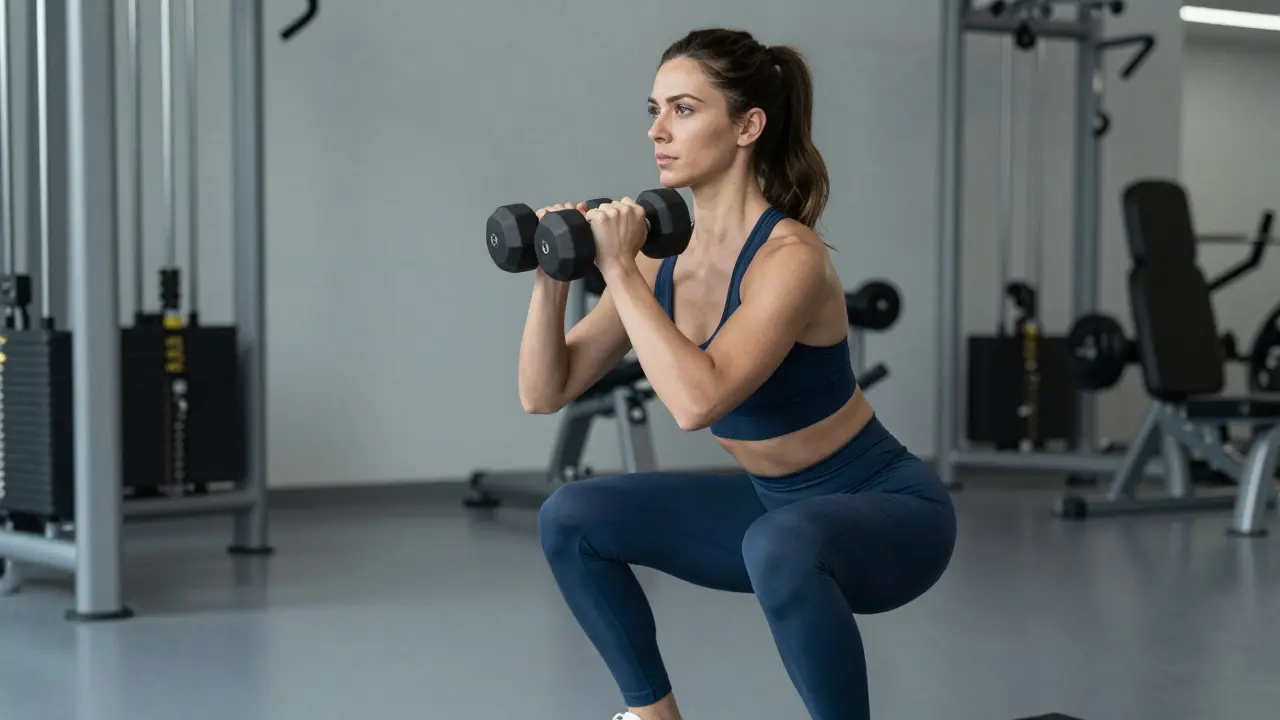
| Knee Pain | Deep Squats | Goblet Squats (partial range) or Leg Press | Reduces shear force on the patellofemoral joint |
| Lower Back Strain | Deadlifts (conventional) | Romanian Deadlifts (light weight) or Hip Hinges with Dumbbells | Emphasizes hamstring stretch over spinal loading |
| Shoulder Impingement | Overhead Press | Lateral Raises or Face Pulls | Avoids end-range external rotation under load |
| Wrist Tendinitis | Push-ups | Incline Push-ups or Resistance Band Chest Press | Reduces wrist extension angle and compressive force |
| Hip Bursitis | Lunges | Step-ups (low height) or Glute Bridges | Minimizes lateral hip abduction stress |
Notice that none of these alternatives eliminate the muscle engagement. They simply change the vector of force. For example, replacing push-ups with incline variations keeps the triceps and chest working but takes the pressure off the wrist joints. This approach ensures you still build strength without aggravating the injury site.
Adjusting Intensity and Volume Safely
It’s not just about *what* you do, but *how much*. When training with limitations, the variables of intensity (weight) and volume (sets and reps) become your primary tools. A useful heuristic is the "80% Rule." Aim to train at approximately 80% of your perceived maximum effort. This leaves a buffer zone that prevents pushing into painful ranges.
If you usually do three sets of ten repetitions, try dropping to two sets of eight with lighter weights. This reduces total fatigue while maintaining the stimulus needed for muscle retention. Additionally, increase your rest periods. Instead of resting 60 seconds between sets, take 90 to 120 seconds. This allows your nervous system to recover fully, which is crucial if you have chronic pain conditions where central sensitization can occur.
Monitor your response the next day. If your pain levels are elevated more than 24 hours after a workout, you likely went too hard. If the soreness is normal muscular fatigue that fades within a day, you were in the sweet spot. This feedback loop is more reliable than any generic program.
The Role of Mobility and Stability Work
Many women skip mobility work because they view it as "just stretching." However, when you have injuries, mobility isn't optional-it's foundational. Limited range of motion forces other joints to compensate, creating new problems. For instance, tight hamstrings can pull on the pelvis, increasing lumbar spine stress during deadlifts.
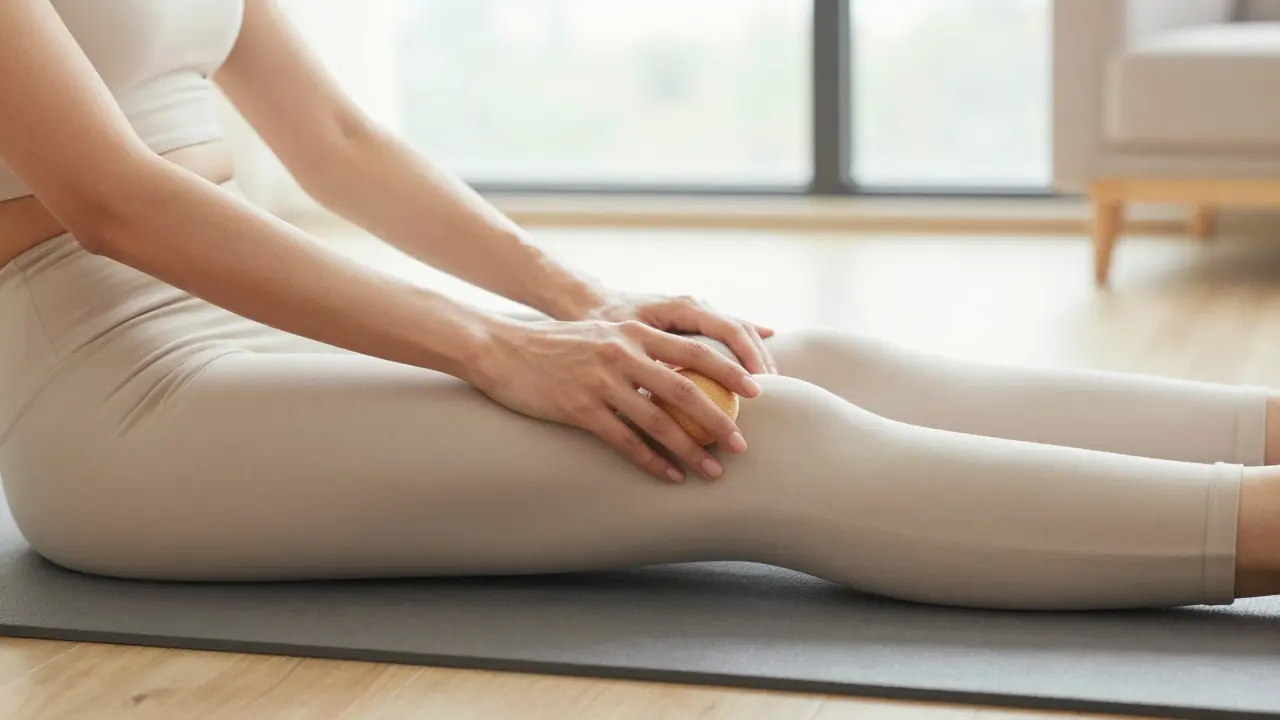
Incorporate five minutes of targeted mobility work before every session. Focus on the areas surrounding your injury, not just the injured part itself. If you have knee pain, don't just stretch the quads; open up the hips and ankles. Use foam rollers or lacrosse balls to release tension in the glutes and IT band. This preparation primes the muscles to absorb shock effectively, reducing the load on passive structures like ligaments and tendons.
Stability training is equally important. Weak stabilizer muscles force larger prime movers to do double duty. Adding simple exercises like bird-dogs, planks, or single-leg balances strengthens the core and pelvic floor, providing a stable base for all other movements. This proactive approach often prevents re-injury better than reactive treatment.
Navigating Mental Barriers and Consistency
Training with limitations can be emotionally draining. It’s easy to feel like you’re regressing when you see others lifting heavier weights or running faster. But consistency beats intensity every time. The goal shifts from performance metrics to functional capacity. Can you carry groceries without hurting? Can you play with your kids without needing ice packs afterward? These are the real wins.
To stay motivated, track non-scale victories. Keep a journal noting improvements in sleep quality, energy levels, or pain scores. Seeing data that shows gradual improvement reinforces the value of your modified routine. Also, consider joining a group class designed for adaptive fitness or finding a training partner who understands your constraints. Social accountability helps maintain discipline when motivation dips.
Remember, adaptation is a skill. Just like learning a new language, it takes practice to understand what your body needs. Be patient with yourself. Small, consistent adjustments lead to significant long-term health benefits.
Frequently Asked Questions
Is it safe to lift weights with a herniated disc?
Generally, yes, but with caution. Avoid heavy axial loading like barbell squats initially. Focus on neutral spine movements like dumbbell rows and hip hinges. Always get clearance from a specialist and start with very light weights to ensure no nerve compression occurs.
How should I modify my cardio routine with bad knees?
Switch to low-impact options like swimming, cycling, or using an elliptical machine. These activities keep the heart rate up without the repetitive impact stress of running. If walking is necessary, invest in supportive shoes and limit distance until pain subsides.
Can I continue high-intensity interval training (HIIT) with injuries?
You can, but you must replace high-impact moves. Swap burpees for step-backs, jump squats for slow controlled squats, and mountain climbers for standing leg swings. The key is maintaining the metabolic demand without the mechanical stress.
What role does nutrition play in injury recovery?
Nutrition fuels tissue repair. Ensure adequate protein intake (1.6g per kg of body weight) to support muscle maintenance. Anti-inflammatory foods like berries, fatty fish, and leafy greens can help manage chronic inflammation associated with joint issues.
When should I stop exercising and see a doctor?
Seek medical attention if pain is sharp and sudden, if there is visible swelling or deformity, if numbness or tingling spreads down a limb, or if pain persists for more than two weeks despite rest and modification. These are signs of potential structural damage requiring professional diagnosis.