Women Voters: Key Trends, Top Issues, and How They're Shaping Elections in 2026
 Feb, 10 2026
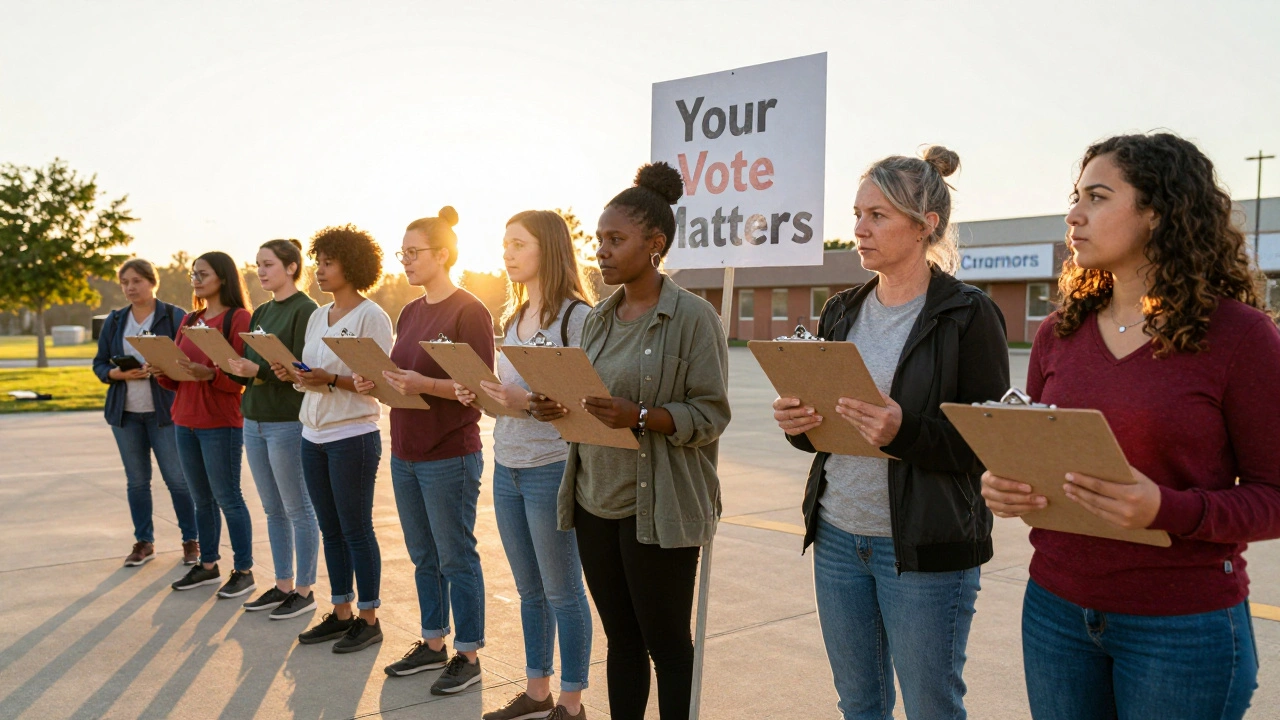
Women voted in higher numbers than men in the last three U.S. elections. In 2022, women voters made up 54% of the electorate - and that number kept climbing. By 2024, more women turned out to vote than men in 38 states. This isn’t a fluke. It’s a shift. And it’s changing how campaigns are run, what policies get attention, and who ends up in office.
Who Are Women Voters Today?
There’s no single profile for a woman voter. But data from the Pew Research Center and the Center for American Women and Politics shows clear patterns. Women over 45 are the most consistent voters - they show up every election, rain or shine. Young women, ages 18 to 29, are voting at record rates too. In 2024, nearly 60% of women under 30 voted - up from 48% in 2016. They’re not just showing up; they’re organizing. Campus voter drives, TikTok town halls, and mutual aid networks are turning turnout into a movement.
Black women vote at the highest rates of any group. In 2020, 63% of Black women voters cast ballots - compared to 59% of white women and 54% of Latino women. Asian American women’s turnout jumped 12 percentage points between 2016 and 2024. Rural women, once written off as politically inactive, are now among the fastest-growing voting blocs in swing states like Wisconsin, Georgia, and Arizona.
What Issues Drive Women’s Votes?
It’s not just one issue. It’s a stack. And the top three keep showing up in polls:
- Reproductive rights - After the overturning of Roe v. Wade, this became a top voting motivator. In 2022, 71% of women said abortion access influenced their vote. By 2024, that number rose to 78%.
- Childcare and family support - 82% of women with kids under 18 say affordable childcare is a dealbreaker. The lack of paid leave, high daycare costs, and school closures are no longer background noise - they’re campaign issues.
- Economic security - Wages, housing, and healthcare costs hit women harder. Women make up 57% of minimum wage workers. Nearly 60% of single mothers live paycheck to paycheck. When candidates talk about inflation, women hear it in their grocery bills and rent checks.
Other issues matter too - gun safety, climate change, education funding - but these three are the anchors. And they’re not just personal. They’re political. Women don’t vote because they’re told to. They vote because they’ve seen what happens when they don’t.
How Women Are Changing the Rules
Politicians used to treat women voters like a soft target - polite speeches on family values, vague promises about equality, then back to business as usual. That’s changing.
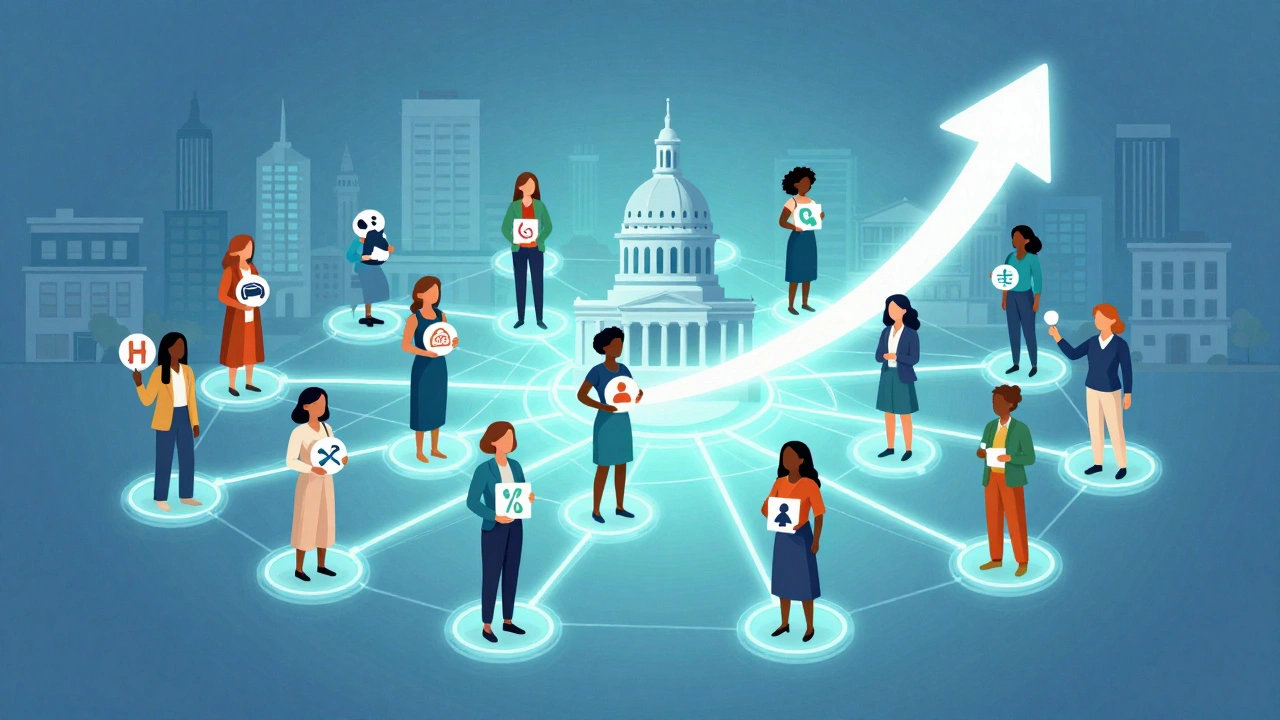
In 2022, three Republican candidates lost races in suburban districts after dismissing women’s concerns about abortion access. In Michigan, a ballot initiative to protect abortion rights passed with 56% of the vote - and 72% of women supported it. In Georgia, a candidate who promised to defund childcare centers lost by 17 points. Women didn’t just vote against him - they mobilized their networks. Text chains. Carpool rides to the polls. Door-to-door canvassing. They built infrastructure.
Women are also running for office in record numbers. In 2024, women made up 42% of all major-party congressional candidates - up from 28% in 2012. And they’re winning. More women than ever are now in state legislatures. In Nevada, women hold a majority of seats. In Colorado, they’re tied. These aren’t symbolic wins. They’re policy wins. New laws on paid leave, school lunch programs, and domestic violence protections are passing because women are at the table.
The Rural Divide - And Why It Matters
It’s easy to think of women voters as urban, progressive, and Democratic. But that’s outdated. In rural counties across the Midwest and South, women are voting differently - and they’re reshaping outcomes.
In Ohio, a 2023 county-level analysis showed that rural women voted for Democrats at a higher rate than rural men - even in districts that hadn’t elected a Democrat in 20 years. Why? They care about school funding, access to clinics, and broadband. These aren’t partisan issues. They’re survival issues.
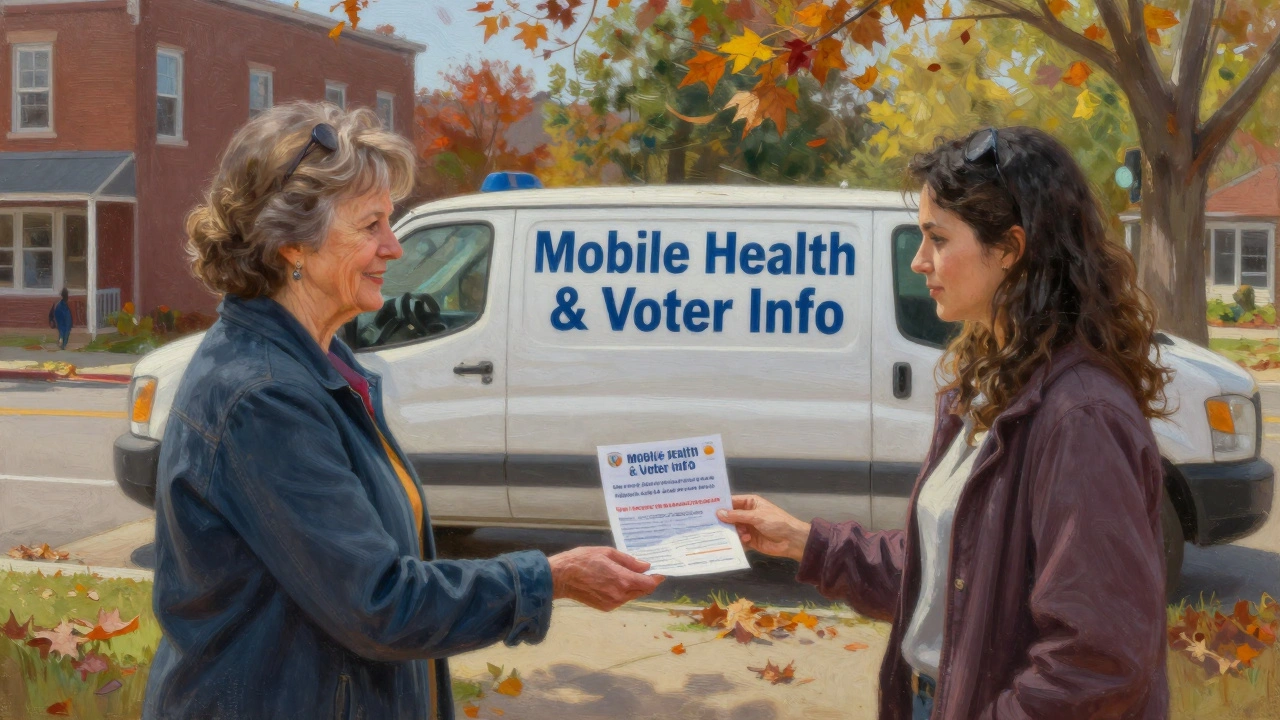
Republican candidates who ignored these concerns lost. Those who showed up - not just with ads, but with town halls in church basements and mobile health vans - started winning back support. The lesson? Women in rural areas aren’t waiting for someone to fix things. They’re fixing them themselves - and they expect leaders who show up too.
What’s Next? The 2026 Midterms and Beyond
The 2026 midterms will be the first test of whether this momentum holds. Early indicators suggest it will.
- Women’s voter registration is up 11% in swing states since January 2025.
- Groups like Swing Left, Women’s Voices Women Vote, and the National Women’s Law Center have doubled their field teams.
- Ballot initiatives on reproductive rights, childcare subsidies, and pay equity are already being filed in 14 states.
What’s different this time? Women aren’t just reacting. They’re planning. They’re building coalitions across race, class, and geography. They’re holding candidates accountable - not just on Election Day, but in between. They’re asking: What have you done for my child? My mother? My job?
And they’re not letting go.
The Real Power Isn’t in the Ballot - It’s in the Network
Women don’t just vote. They organize. They call. They text. They show up at city council meetings. They volunteer at food banks and shelters. They’re the ones who keep community centers running when funding cuts hit.
That’s the real story. The ballot is just one tool. The network is the weapon.
When a woman in rural Alabama organizes a ride-share to the clinic for 12 other women, she’s not just helping them get care. She’s building a voting bloc. When a teacher in Phoenix starts a WhatsApp group to share info about school funding votes, she’s turning frustration into power.
That’s why politicians are scrambling. Not because women vote more. But because they vote differently. They vote together.