Women’s Pleasure and Orgasm: Evidence-Based Techniques That Work
 Aug, 17 2026
For decades, the female orgasm is a complex physiological response that remains misunderstood in mainstream culture has been treated like a mystery. We know it exists, but we often lack the practical tools to achieve it consistently. The reality is that for many women, reaching climax isn't about magic or luck; it’s about understanding specific anatomical needs and psychological states. If you’ve ever felt frustrated by inconsistent results, you’re not alone. This guide cuts through the noise to focus on what actually works, based on physiology and real-world experience.
Understanding the Anatomy of Pleasure
To improve your technique, you first need to understand the hardware. The most common misconception is that penetration alone is the primary driver of climax is the peak of sexual arousal characterized by rhythmic contractions of the pelvic muscles. In fact, research suggests that only about 25% of women reach orgasm through vaginal penetration alone. The majority require direct stimulation of the clitoris is an external genital organ with over 8,000 nerve endings dedicated to sensory input.
The clitoris is much larger than its visible tip. It extends internally as two crura that wrap around the vagina. When you stimulate the external glans, you are activating a network that spans the entire pelvis. Understanding this helps shift the focus from "performing" sex to exploring sensation. It also explains why toys designed for targeted pressure often outperform manual techniques for some people. You don’t need to be an expert, but you do need to stop guessing where the sensitive spots are.
The Role of Arousal and Timing
Arousal is not a switch; it’s a ramp. Many couples rush into intercourse before the body is fully ready. For effective sexual satisfaction is a subjective state of contentment and physical release during intimate activity, you need to spend more time in the foreplay phase. This isn't just romantic fluff; it’s biological necessity. During early arousal, the vaginal tissues engorge with blood, and the labia swell. This creates the lubrication and sensitivity needed for comfortable and pleasurable contact.
- Extend Foreplay: Aim for at least 15-20 minutes of non-goal-oriented touching before any expectation of climax.
- Focus on Whole-Body Sensation: Don’t limit attention to the genitals. Stimulation of the neck, inner thighs, and breasts can heighten overall nervous system responsiveness.
- Check In Verbally: Ask "does this feel good?" rather than assuming. Communication reduces anxiety, which is a major killer of arousal.
If you skip these steps, the body may remain in a low-arousal state, making orgasm difficult or painful. Think of it like stretching before a workout. You wouldn’t sprint without warming up, so why would you expect peak performance without preparing the system?
Techniques That Actually Help
Once you have the anatomy and arousal context, specific techniques make a significant difference. Here are three methods backed by both anecdotal evidence and clinical observation.
- Targeted Clitoral Stimulation: Use a consistent rhythm and pressure. Many women find that circular motions or gentle grinding against a hand or toy work better than rapid, erratic movements. Consistency allows the nervous system to build toward the threshold of climax.
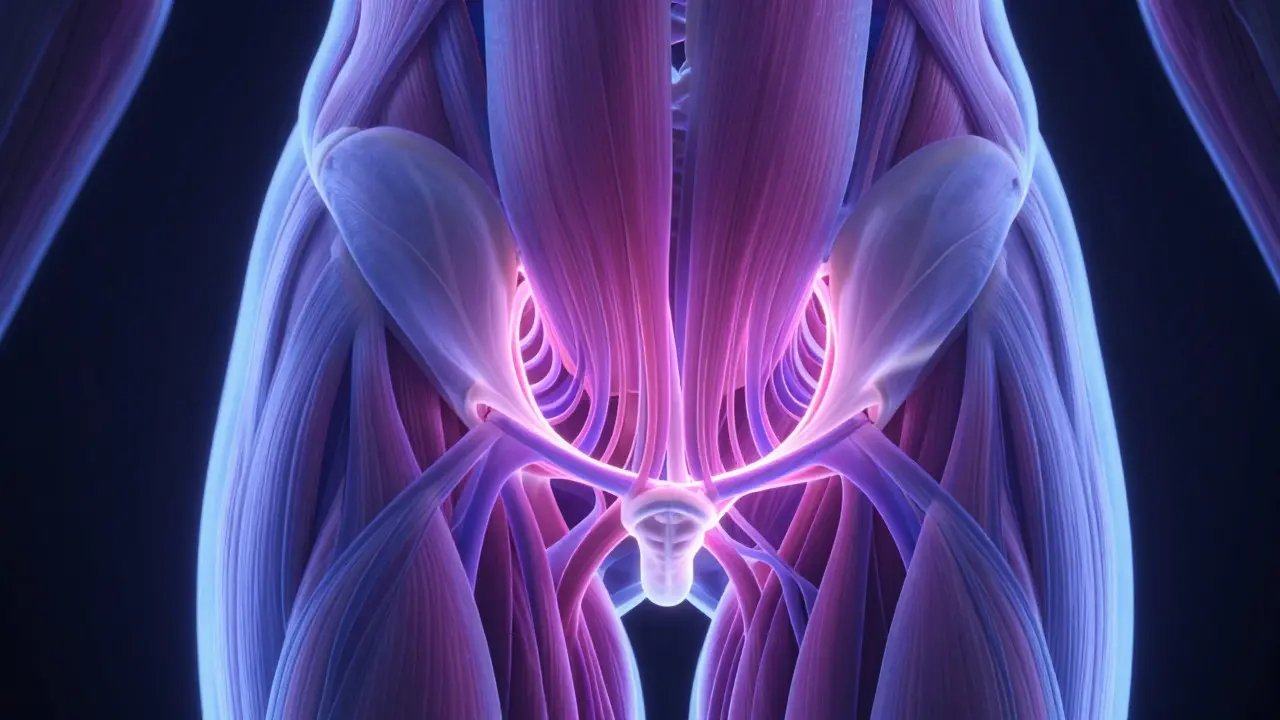
- Pelvic Floor Engagement: Strong pelvic floor muscles are a group of muscles supporting the bladder, uterus, and bowel that play a key role in sexual function contribute to the intensity of orgasm. Practicing Kegel exercises can help you identify and control these muscles. During sex, consciously contracting and relaxing them can amplify sensations.
- Mindfulness and Presence: Distraction is the enemy of pleasure. If your mind is worrying about work or how you look, your body won’t fully engage. Try focusing solely on the texture, temperature, and rhythm of touch. This mental shift can lower inhibitory signals in the brain, allowing the parasympathetic nervous system to dominate, which is essential for arousal.
Tools and Aids: Removing the Guesswork
There is no shame in using aids. In fact, sexual wellness products are devices and accessories designed to enhance sexual pleasure and comfort can be incredibly helpful for finding what works for your unique body. Vibrators, for example, provide consistent frequency and amplitude that hands might struggle to maintain. They are particularly useful for those who need higher-intensity stimulation to reach climax.
| Method | Best For | Pros | Cons |
|---|---|---|---|
| Manual Touch | Couples seeking connection | Adaptable, personal, no cost | Inconsistent rhythm, requires skill |
| Vibrators | High-intensity seekers | Consistent, adjustable settings | Cost, potential desensitization if used exclusively |
| Penetration | Those who enjoy deep pressure | Intimate, multi-sensory | Often insufficient alone for orgasm |
When choosing a tool, start simple. A basic bullet vibrator is affordable and easy to use. As you learn your preferences, you can experiment with different shapes and intensities. The goal isn't to replace human touch but to supplement it where needed.
Overcoming Psychological Barriers
Physical techniques fail if the mind is blocked. Performance anxiety is one of the biggest hurdles for women's sexual health is the overall well-being of a woman's reproductive and sexual systems. If you feel pressured to orgasm, your sympathetic nervous system kicks in, causing tension and reducing blood flow to the genitals. This creates a cycle where the fear of not climaxing prevents you from doing so.
To break this cycle, remove the goal. Make sex about exploration rather than achievement. Talk openly with your partner about what feels good without judgment. Sometimes, simply knowing that there is no expectation of climax can be enough to let the body relax and respond naturally. Mindfulness practices, such as body scanning or deep breathing, can also help keep you present in the moment.

When to See a Professional
If you consistently struggle with pain, dryness, or an inability to orgasm despite trying these techniques, it might be worth consulting a healthcare provider. Conditions like dyspareunia is painful intercourse that can be caused by medical conditions or hormonal imbalances or hormonal changes (such as those during menopause) can significantly impact pleasure. A gynecologist or a certified sex therapist can rule out underlying issues and provide personalized advice. There is no one-size-fits-all solution, and professional guidance can save you years of frustration.
Frequently Asked Questions
How long does it take to reach orgasm?
There is no standard time. For many women, it can take anywhere from 10 to 20 minutes of focused stimulation. Some may reach it faster, while others may never reach it without specific triggers. Focus on the process, not the clock.
Is it normal to need a vibrator to orgasm?
Yes, it is very common. Studies show that a large percentage of women rely on vibratory stimulation to reach climax because it provides a level of consistency and intensity that manual touch sometimes lacks. It is a valid tool for enhancing pleasure.
What should I do if my partner doesn't understand my needs?
Communication is key. Share resources, demonstrate what feels good, or consider joint counseling. Often, partners simply don't know what to do because they haven't been taught. Patience and clear feedback go a long way.
Can stress really prevent orgasm?
Absolutely. Stress activates the fight-or-flight response, which constricts blood vessels and increases muscle tension. Since arousal requires relaxation and increased blood flow, high stress levels can physically block the pathway to climax.
Are there specific positions that help?
Positions that allow for clitoral contact during penetration are often more effective. For example, the missionary position with a pillow under the hips or side-lying positions can facilitate better alignment for simultaneous internal and external stimulation.