Women’s Nutrition by Life Stage: A Complete Guide for Teens to Seniors
 May, 30 2026
Think about the last time you felt truly energized. Was it after a heavy meal that left you sluggish, or something lighter that fueled your day? Most women navigate their diets based on general advice-eat less sugar, drink more water-but this one-size-fits-all approach ignores a biological reality: our nutritional needs change dramatically as we age. What fuels a teenager preparing for puberty is entirely different from what sustains a woman in her forties managing perimenopause.
Your body is not a static machine; it is a dynamic system responding to hormonal shifts, bone density changes, and metabolic slowdowns. Ignoring these stages can lead to fatigue, mood swings, and long-term health issues like osteoporosis or heart disease. Let’s break down exactly what your body needs at every step of the journey, so you can stop guessing and start eating with purpose.
The Teen Years: Building the Foundation
Adolescence is a chaotic time for any girl, but biologically, it is also the most critical window for setting up lifelong health. During these years, bone mass accumulation peaks. By age 18, girls have acquired about 90% of their peak bone mass. If they don’t get enough nutrients now, they are borrowing from their future selves, increasing the risk of fractures later in life.
Iron becomes non-negotiable during this phase. With the onset of menstruation, iron stores deplete rapidly. Many teen girls suffer from undiagnosed anemia, leading to brain fog and extreme tiredness. You need roughly 15 milligrams of iron daily once periods start. Pairing iron-rich foods like spinach or lean red meat with vitamin C sources, such as oranges or bell peppers, boosts absorption significantly.
- Calcium: Aim for 1,300 mg daily through milk, yogurt, or fortified plant milks.
- Protein: Essential for muscle growth and satiety; include eggs, beans, or chicken.
- Avoid Crash Diets: Restrictive eating during puberty can disrupt hormone production and delay growth.
Don’t let social pressure dictate your plate. Skipping meals to fit in often backfires, causing binge eating cycles. Instead, focus on nutrient density. A handful of almonds and an apple provides steady energy without the sugar crash of a candy bar.
The 20s: Peak Performance and Reproductive Health
In your twenties, your metabolism is typically at its highest, and your body is resilient. However, this decade often brings new stressors: career pressures, intense exercise routines, and potentially pregnancy. This is the time to prioritize reproductive health and establish sustainable habits before life gets busier.
Folate (folic acid) takes center stage here. Even if you aren’t planning for children immediately, adequate folate intake supports cell division and DNA synthesis. The recommended amount is 400 micrograms daily. Leafy greens, lentils, and fortified cereals are excellent sources. For those who do become pregnant, this nutrient prevents neural tube defects in developing babies.
If you are an athlete or someone who exercises intensely, watch your energy availability. Female Athlete Triad-a condition involving low energy availability, menstrual dysfunction, and decreased bone mineral density-is real and dangerous. It stems from burning more calories than you consume over long periods. Ensure your carbohydrate intake matches your activity level. Carbs are not the enemy; they are fuel. Without them, your body may shut down non-essential functions, including ovulation.
| Nutrient | Daily Goal | Top Food Sources |
|---|---|---|
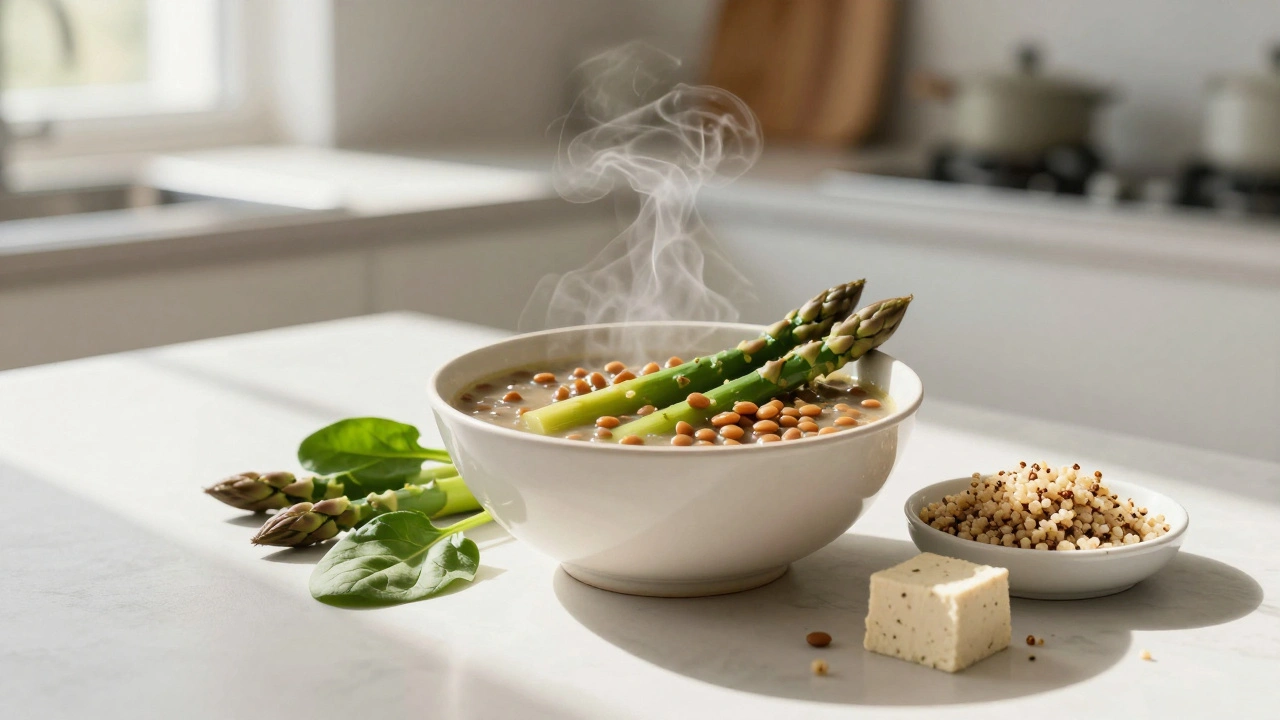
| Folate | 400 mcg | Spinach, black beans, asparagus |
| Iron | 18 mg | Lean beef, tofu, quinoa |
| Vitamin D | 600 IU | Sunlight, fatty fish, egg yolks |
Start tracking your cycle. Notice how your cravings change during different phases. In the luteal phase (after ovulation), you might crave carbs due to rising progesterone. Honor these cues rather than fighting them. Eating intuitively builds a healthier relationship with food that will serve you well into middle age.
The 30s: Balancing Career, Family, and Metabolism
Entering your thirties often means juggling multiple roles. Whether you’re climbing the corporate ladder, raising young children, or both, stress levels rise. Cortisol, the stress hormone, can impact blood sugar regulation and increase abdominal fat storage. Nutrition becomes a tool for resilience.
Metabolism begins a slow decline, usually around age 30. Muscle mass starts to decrease if not maintained through strength training. To counteract this, protein intake should increase slightly. Aim for 20-30 grams of protein per meal to preserve lean tissue. Greek yogurt, salmon, and edamame are convenient options for busy schedules.
Heart health also moves to the forefront. Women often underestimate their risk of cardiovascular disease until menopause, but the foundation is laid earlier. Focus on healthy fats. Replace saturated fats with monounsaturated and polyunsaturated fats found in olive oil, avocados, and nuts. These fats reduce inflammation and support brain function.
Omega-3 fatty acids are particularly important. They help combat the inflammatory effects of stress and support mental health. If you don’t eat fish twice a week, consider a high-quality algae-based supplement. Also, limit processed sugars. Excessive sugar intake spikes insulin, which promotes fat storage and increases the risk of type 2 diabetes.
The 40s: Navigating Perimenopause
Your forties bring perimenopause, the transitional period before menopause. Hormonal fluctuations cause symptoms like hot flashes, sleep disturbances, and weight gain, especially around the midsection. Estrogen levels begin to drop, affecting how your body processes glucose and stores fat.
Phytoestrogens can offer some relief. Found in soy products like tofu, tempeh, and edamame, these plant compounds mimic weak estrogen effects in the body. While they won’t replace hormone therapy, they may help moderate mild symptoms. Incorporate them regularly into your diet.
Bone health requires renewed attention. As estrogen declines, bone resorption accelerates. Calcium needs remain at 1,000 mg daily, but Vitamin D becomes crucial for absorption. Many women are deficient in Vitamin D, especially in northern climates like Portland. Get tested and supplement if necessary. Magnesium also plays a role in bone formation and muscle relaxation, helping with sleep quality.
Alcohol tolerance decreases during this stage. It can worsen hot flashes and disrupt sleep further. Limit intake to one drink per day or switch to herbal teas. Prioritize fiber-rich foods to manage cholesterol levels, which tend to rise after menopause. Oats, berries, and legumes are excellent choices.
50s and Beyond: Protecting Bone and Heart Health
Menopause marks the end of reproductive years, but it is not the end of vitality. Post-menopausal women face higher risks of osteoporosis and heart disease. Nutrition shifts toward preservation and protection.
Calcium requirements increase to 1,200 mg daily. Dairy remains a primary source, but leafy greens like kale and collard greens also contribute significantly. Combine these with weight-bearing exercises to stimulate bone density. Walking, dancing, or resistance training sends signals to bones to stay strong.
Protein needs continue to rise to prevent sarcopenia, the age-related loss of muscle mass. Aim for 1.0-1.2 grams of protein per kilogram of body weight. Distribute this evenly across meals rather than consuming it all at dinner. Older adults often experience reduced appetite, so make every bite count. Choose nutrient-dense foods over empty calories.
Hydration becomes trickier as thirst mechanisms dull. Dehydration leads to confusion, constipation, and urinary tract infections. Keep a water bottle handy and sip throughout the day. Herbal teas and water-rich fruits like watermelon and cucumbers also contribute to fluid intake.
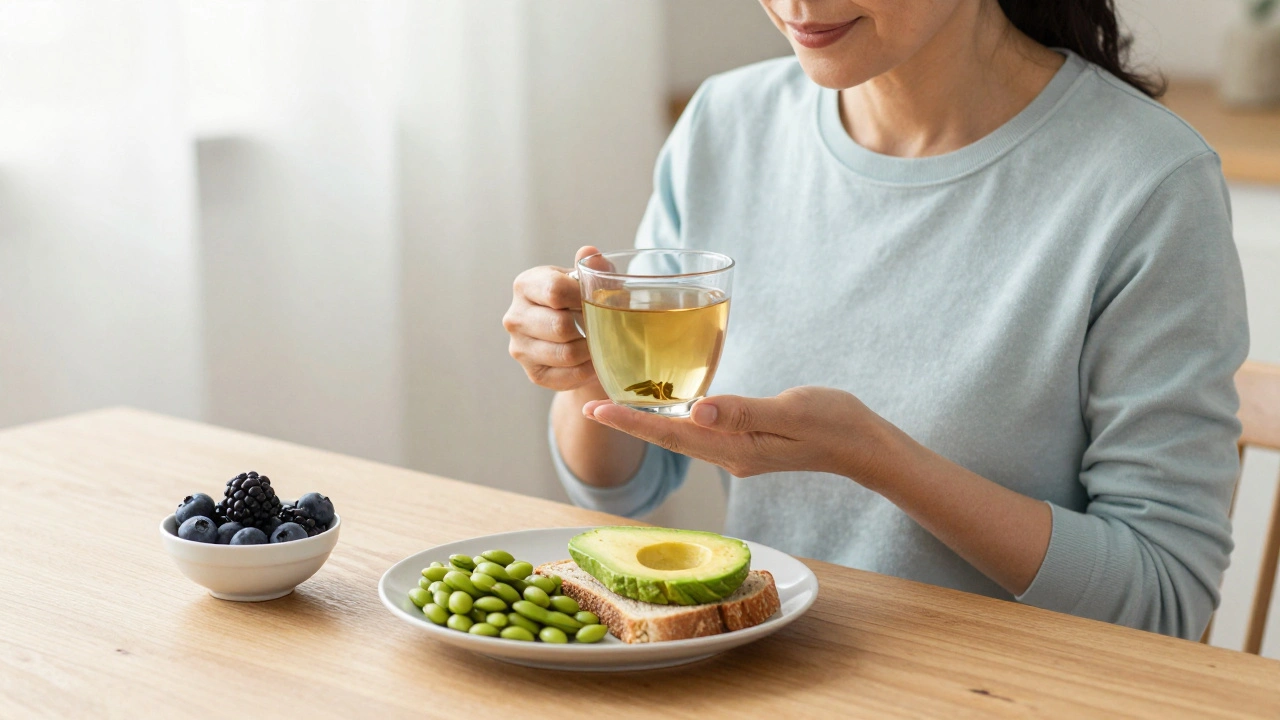
Antioxidants play a vital role in combating cellular damage. Berries, dark chocolate (in moderation), and green tea provide flavonoids that protect against chronic diseases. Don’t rely solely on supplements; whole foods offer synergistic benefits that pills cannot replicate.
Practical Tips for Every Stage
No matter your age, certain principles apply universally. Listen to your body. Hunger and fullness cues are reliable guides when you tune out external noise. Cook at home whenever possible. Restaurant meals are often high in sodium, unhealthy fats, and hidden sugars. Preparing your own food gives you control over ingredients.
Plan ahead. Busy lives lead to poor choices. Batch cook grains and proteins on weekends. Keep healthy snacks accessible. Cut vegetables and store them in clear containers so they are visible and easy to grab. Remove temptation by keeping junk food out of the house.
Stay active. Movement enhances nutrient utilization. Exercise improves insulin sensitivity, meaning your cells use glucose more effectively. It also boosts mood and sleep quality. Find activities you enjoy, whether it’s yoga, swimming, or hiking. Consistency matters more than intensity.
Consult professionals. Registered dietitians can provide personalized plans based on your health history and goals. Blood tests can reveal deficiencies in vitamins B12, D, and iron. Addressing these early prevents complications later.
Do I need to take supplements at every life stage?
Not necessarily. Whole foods should be your primary source of nutrients. However, specific gaps are common. Vitamin D is often needed year-round, especially in winter. Iron supplements may be required for teens and premenopausal women with heavy periods. Prenatal vitamins are essential for those trying to conceive. Always consult a healthcare provider before starting any supplement regimen to avoid interactions or overdoses.
How does stress affect my nutritional needs?
Chronic stress increases cortisol, which raises blood sugar and promotes fat storage, particularly in the abdomen. It also depletes magnesium and B vitamins. During high-stress periods, prioritize complex carbohydrates, magnesium-rich foods like pumpkin seeds and spinach, and omega-3 fatty acids. Mindful eating practices can also help regulate emotional eating triggered by stress.
Can diet reverse osteoporosis?
Diet alone cannot reverse established osteoporosis, but it can significantly slow progression and reduce fracture risk. Adequate calcium, vitamin D, and protein intake combined with weight-bearing exercise are crucial. Medication may be necessary for severe cases. Early prevention through proper nutrition in youth and adulthood is far more effective than treatment later in life.
Why do I crave sugar during my period?
Hormonal fluctuations, specifically drops in serotonin and rises in progesterone, can trigger sugar cravings. Your body seeks quick energy sources. Instead of denying yourself, opt for healthier alternatives like fruit, dark chocolate, or yogurt with honey. Ensuring adequate protein and fiber intake throughout the month can stabilize blood sugar and reduce the intensity of these cravings.
Is intermittent fasting suitable for women?
Intermittent fasting can be beneficial for some women, but it requires caution. Prolonged fasting windows may disrupt menstrual cycles and increase cortisol levels, especially in younger women or those with high stress. If you choose to fast, keep windows moderate (e.g., 12-hour overnight fast) and ensure you meet your caloric and nutrient needs during eating periods. Monitor your body’s response closely and adjust accordingly.