Women’s Fitness by Age: How Training Should Change Over Time
 Oct, 8 2026
You hit 30 and suddenly your metabolism feels like it’s on strike. You’re doing the same workouts you did at 25, but the results aren’t showing up the way they used to. Or maybe you’re in your 40s, feeling stiffer in the mornings, wondering if that nagging knee pain is just "getting older." It isn’t necessarily inevitable. Your body changes as you age, specifically due to hormonal shifts and natural physiological adaptations, which means your training strategy needs to evolve too.
Most women stick to a routine that worked in their twenties well into their thirties and forties, then wonder why progress stalls. The truth is, women’s fitness requires different priorities at different stages of life. What builds lean muscle efficiently at 25 might increase injury risk at 45. This guide breaks down exactly how your training should shift from your 20s through your 60s and beyond, focusing on what actually works rather than generic advice.
The Foundation: Why Age Changes Everything
Before diving into specific decades, you need to understand the drivers behind these changes. Two main factors dictate how your body responds to exercise over time: hormones and tissue resilience. Estrogen plays a massive role in muscle recovery, bone density, and fat distribution. As estrogen levels fluctuate during menstrual cycles, perimenopause, and menopause, your recovery windows shorten, and your joints become less forgiving.
Simultaneously, sarcopenia-the natural loss of muscle mass-begins to accelerate after age 30, picking up speed after 60. Without intentional resistance training, women lose about 3-8% of muscle mass per decade after 30. This isn’t just about looking toned; muscle is metabolically active tissue that protects your bones and keeps your blood sugar stable. Ignoring this shift leads to the classic "skinny fat" look or, worse, osteoporosis later in life.
Your 20s: Building the Engine
In your 20s, your body is primed for high-intensity output. Recovery is fast, joints are resilient, and hormonal fluctuations are generally manageable. This is the prime window to build raw strength and cardiovascular capacity. If you haven’t started lifting heavy weights yet, now is the time. Many women avoid heavy lifting fearing bulkiness, but without testosterone levels comparable to men, significant hypertrophy (muscle growth) is hard to achieve accidentally. Instead, heavy lifting creates the dense, strong frame that supports you for decades.
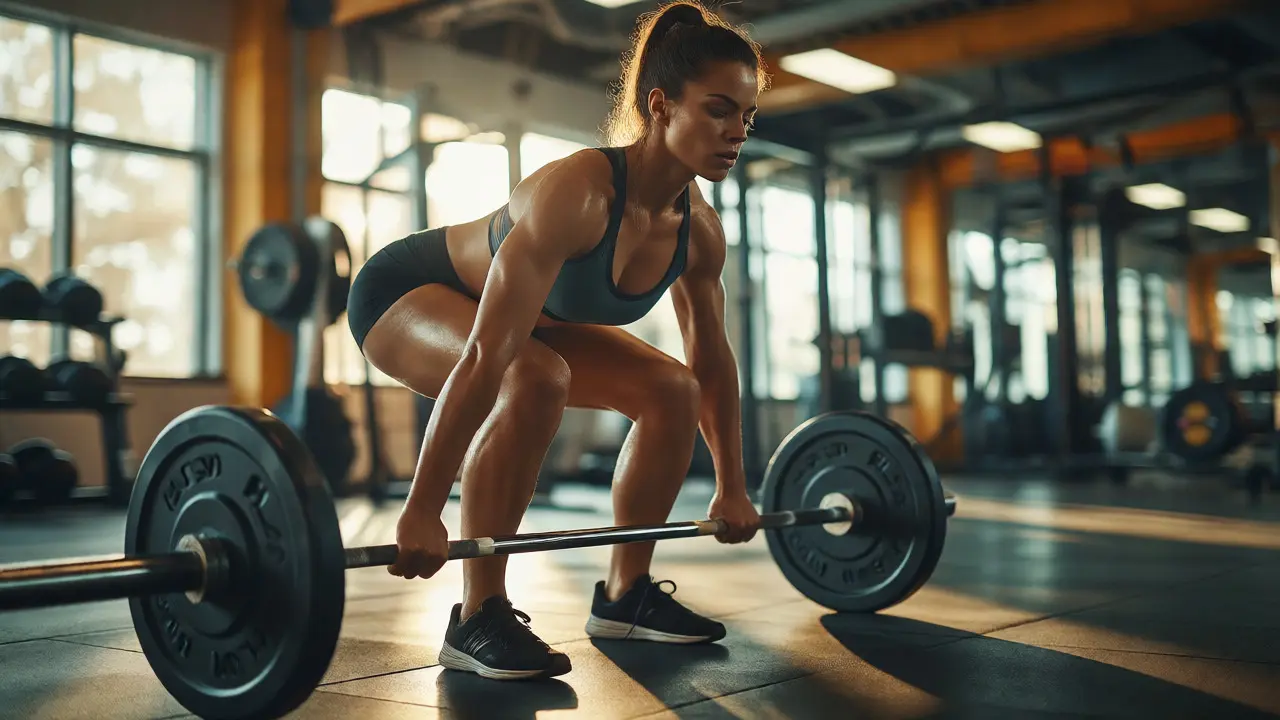
Focus on compound movements like squats, deadlifts, and presses. These exercises teach your nervous system to recruit multiple muscle groups simultaneously, improving coordination and power. Don’t neglect mobility work here, either. Young bodies often ignore tight hips or shoulders until they cause problems. Incorporating dynamic stretching before workouts and static stretching after can prevent chronic issues later.
- Priority: Strength acquisition and metabolic conditioning.
- Risk: Ego lifting. Just because you recover quickly doesn’t mean form doesn’t matter.
- Frequency: High volume is tolerable. 4-6 days a week is common, provided sleep and nutrition support it.
Your 30s: The Shift to Efficiency
Welcome to the decade where time becomes your most scarce resource. Career demands, potential parenting duties, and slower recovery times collide. You can no longer bounce back from a brutal HIIT session every day. Your joints may start to feel the wear of previous years’ poor form. This is when training must become smarter, not just harder.
Prioritize efficiency. Supersets (performing two exercises back-to-back with no rest) and circuit training allow you to maintain intensity while cutting workout duration. But more importantly, focus on unilateral training-exercises that work one side of the body at a time, like lunges or single-arm rows. These reveal and correct imbalances that have likely accumulated since your 20s. Imbalances are the root cause of many injuries in later decades.
Nutrition also shifts. Insulin sensitivity begins to decline slightly, so timing carbohydrates around your workouts becomes more beneficial. You don’t need a strict diet, but paying attention to protein intake is crucial. Aim for 1.6 to 2.0 grams of protein per kilogram of body weight to preserve muscle mass against the early onset of sarcopenia.

Your 40s: Protecting the Frame
Perimenopause often kicks off in the 40s, bringing erratic energy levels, joint stiffness, and increased belly fat storage. Estrogen drops begin to affect collagen production, making tendons and ligaments less elastic. This increases the risk of tendonitis and strains. Pushing through pain is no longer a badge of honor; it’s a recipe for months of downtime.
Strength training remains non-negotiable, but the method changes. Lower impact variations of traditional lifts can save your joints. Swap barbell back squats for goblet squats or trap bar deadlifts, which place less shear force on the spine and knees. Increase the emphasis on posterior chain development (glutes, hamstrings, back) to counteract the anterior dominance caused by sitting at desks all day.
| Age Group | Primary Focus | Key Exercise Modification | Recovery Need |
|---|---|---|---|
| 20s | Hypertrophy & Power | Heavy Barbell Lifts | Low (Fast Recovery) |
| 30s | Efficiency & Balance | Unilateral Movements | Moderate (Sleep Critical) |
| 40s | Joint Health & Stability | Trap Bar / Dumbbells | High (Active Recovery) |
| 50s+ | Bone Density & Function | Controlled Tempo Lifts | Very High (Rest Days Essential) |
Don’t abandon cardio, but change the type. Long-duration steady-state cardio can elevate cortisol, which already tends to be higher during perimenopause. Opt for Zone 2 cardio (brisk walking, cycling at a conversational pace) to improve mitochondrial health without stressing the endocrine system. This helps manage stress-related weight gain more effectively than sprint intervals.
Your 50s and Beyond: Functional Longevity
Menopause typically occurs between ages 45 and 55. With the drop in estrogen complete, bone density loss accelerates. Osteoporosis becomes a real threat. Resistance training is the only proven way to stimulate bone growth in post-menopausal women. However, the goal shifts from aesthetic muscle building to functional strength-the ability to lift grandchildren, carry groceries, and rise from a chair without assistance.
Balance and proprioception (body awareness) take center stage. Falls are a leading cause of injury in older adults, and weak stabilizer muscles contribute significantly. Incorporate balance challenges into every workout: stand on one leg while brushing teeth, perform step-ups onto an unstable surface, or practice yoga poses like Tree Pose. These small habits pay dividends in preventing fractures.
Intensity should remain high enough to challenge the bones, but volume should decrease. You might train three days a week instead of five. Rest days are not lazy days; they are when your body repairs micro-tears in muscle and strengthens bone. Neglecting rest leads to overtraining syndrome, characterized by fatigue, irritability, and plateaued performance.

Common Pitfalls to Avoid
One major mistake women make across all ages is ignoring progressive overload. Doing the same 10-pound dumbbell curl for ten years won’t keep challenging your muscles. You must gradually increase weight, reps, or difficulty. Another pitfall is fear of flexibility loss. Static stretching loses its value if done cold. Dynamic warm-ups prepare tissues for movement, while cool-down stretches help reset muscle length.
Also, stop comparing your current self to your 20-year-old self. A 45-year-old woman with excellent mobility and strength is objectively healthier than a 25-year-old with poor posture and zero activity. Redefine success. Success is pain-free movement, consistent energy, and independence.
Practical Steps to Start Today
Regardless of your age, you can adjust your routine immediately. Here’s a simple checklist to audit your current program:
- Assess Joint Comfort: Do any exercises cause sharp pain? If yes, swap them for lower-impact alternatives immediately.
- Audit Protein Intake: Are you getting at least 20-30g of protein per meal? If not, add Greek yogurt, eggs, or a plant-based shake.
- Add One Balance Drill: Pick one balance exercise to do daily. Consistency beats intensity here.
- Schedule Rest: Put rest days on your calendar like appointments. Treat them as mandatory.
Remember, fitness isn’t a linear path. It’s a lifelong adaptation process. Listen to your body, respect the changes, and adjust your inputs accordingly. The goal isn’t to fight aging; it’s to leverage your training to thrive within each stage of life.
Do I need to lift heavier weights as I get older?
Not necessarily heavier, but more intentionally. While absolute strength may peak in your 30s, maintaining relative strength is key. In your 40s and 50s, focus on controlled tempo and perfect form rather than maximum load to protect joints while still stimulating bone density.
Is cardio bad for women over 40?
No, but excessive high-intensity interval training (HIIT) can spike cortisol levels, which may hinder fat loss during perimenopause. Prioritize low-impact, moderate-intensity cardio (Zone 2) for heart health and stress management, reserving HIIT for occasional sessions.
How does menopause affect my workout recovery?
Lower estrogen levels reduce inflammation control and collagen synthesis, meaning tendons and muscles take longer to repair. You may need an extra rest day between intense sessions compared to your pre-menopausal years. Sleep quality improvements also directly correlate with better recovery.
Can I build muscle after 60?
Absolutely. Studies show that even individuals in their 80s can increase muscle mass and strength through resistance training. The rate of gain may be slower than in youth, but the health benefits regarding bone density, metabolic health, and functional independence are profound.
What is the best exercise for women in their 30s?
There is no single "best" exercise, but unilateral movements like Bulgarian split squats or single-arm rows are highly recommended. They address muscle imbalances developed from sedentary jobs and pregnancy, reducing injury risk while improving core stability.