Women’s Endurance Goals: A Guide to Marathon, Triathlon, and Hiking Training
 Nov, 10 2026
Think about the last time you looked at a finish line-whether it was 26.2 miles away, across a lake, or at the top of a mountain pass. For many women, that line isn't just a distance; it's a declaration. But getting there requires more than just lacing up your shoes and hoping for the best. Endurance training is a specific discipline that demands attention to physiology, recovery, and fueling strategies that differ significantly from standard gym routines. If you are aiming for a Marathon, a Triathlon, or a major Hike, you need a plan that respects your body's unique rhythm.
This guide breaks down how to approach these three distinct but related goals. We aren't talking about generic advice found in every magazine. We're looking at the nitty-gritty of iron management, cycle syncing, and gear selection that actually moves the needle on performance. Whether you are a beginner runner or an experienced hiker looking to add swimming to your repertoire, understanding the mechanics of endurance will save you months of frustration.
Key Takeaways for Female Athletes
- Iron is non-negotiable: Women lose iron through menstruation and hemolysis (foot-strike impact), making regular blood work essential for endurance athletes.
- Cycle syncing works: Adjusting intensity based on hormonal phases can prevent burnout and improve adaptation rates.
- Fuel before you fail: Under-fueling is the number one cause of "bonking" in long-distance events for women due to lower glycogen storage capacity compared to men.
- Gear matters differently: Running shoes and bras require specific fit assessments for high-impact activities to prevent tissue damage.
- Recovery is active: Sleep and protein intake within 30 minutes post-workout accelerate repair more than rest alone.
The Physiology Behind Female Endurance
You might have heard that women have less muscle mass than men. That's true, but it doesn't tell the whole story. Women are incredibly efficient at using fat as fuel, which is a massive advantage for ultra-endurance events like marathons and long hikes. However, this efficiency comes with a catch: you store less carbohydrate energy (glycogen) than men do. This means if you don't eat enough carbs during training, you hit the wall faster.
Then there is the issue of iron. Ferritin levels act as your body's battery pack for oxygen transport. Low ferritin leads to fatigue that feels like laziness but is actually physiological starvation of your cells. Studies suggest that up to 50% of female runners suffer from low iron stores. If you feel constantly tired despite sleeping well, check your bloodwork before blaming your training schedule. You cannot train hard if your muscles aren't getting oxygen.
Training for the Marathon: Pacing and Power
A marathon is not a race; it is a controlled demolition of your energy reserves over four hours. The biggest mistake women make? Going out too fast. Adrenaline masks pain early on, leading to a catastrophic fade in the final six miles. To combat this, adopt a negative split strategy. Run the first half slower than your goal pace, then gradually speed up.
Your training block should look something like this:
- Base Phase (8-12 weeks): Focus on easy mileage. Keep heart rate in Zone 2 (conversational pace). This builds capillary density.
- Build Phase (4-6 weeks): Introduce tempo runs and hill repeats. Strength train twice a week, focusing on single-leg exercises like lunges to correct imbalances.
- Taper (2-3 weeks): Cut volume by 40%, keep intensity sharp but short. Trust the work you've done.
Don't ignore strength training. It protects your joints. When you run, your knees absorb forces up to eight times your body weight. Strong glutes and hamstrings act as shock absorbers. Without them, your shins and knees take the beating, leading to stress fractures or IT band syndrome.
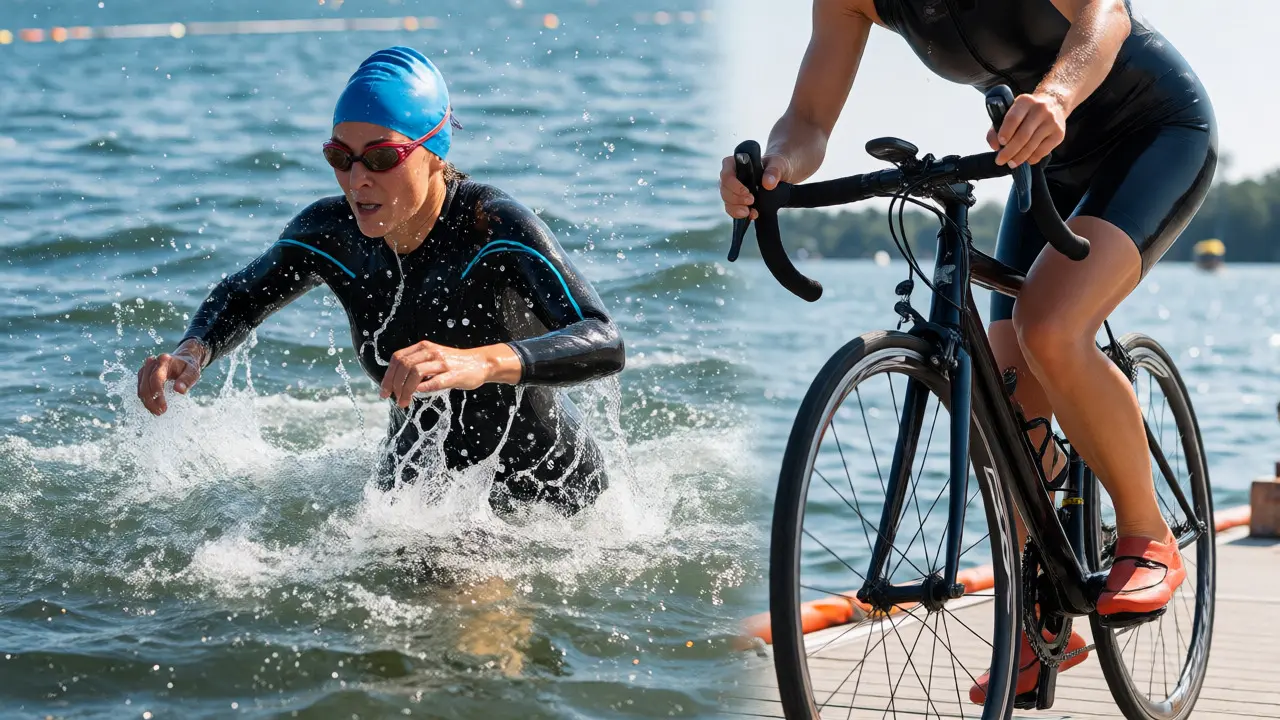
Navigating the Triathlon: Balancing Three Sports
If a marathon is a test of stamina, a Triathlon is a test of logistics and transition efficiency. Most beginners underestimate the skill required for open-water swimming. Pool swimming does not prepare you for choppy water, limited visibility, or panic-induced breathing issues. Join a group swim session before race day. Practice sighting landmarks and drafting off other swimmers.
Cycling offers a huge return on investment for women because it is low impact. You can ride for hours without damaging your joints, allowing you to preserve leg freshness for the run. However, bike fit is critical. A poorly fitted bike causes neck pain and numbness, ruining your focus. Invest in a professional fitting if you plan to do multiple races.
Running off the bike (the "brick") is where most people fall apart. Your legs feel like jelly because they are used to a different movement pattern. Incorporate brick workouts into your training: ride for 45 minutes, then immediately run for 15 minutes. This trains your neuromuscular system to switch gears quickly.
Hiking Endurance: Verticality and Load Management
Hiking looks easier than running, but carrying a backpack changes the game entirely. Load carriage increases metabolic cost by up to 20% for every 10 pounds carried. If you are planning a multi-day hike, you need to train with weight. Start with 10 pounds and build up to your expected pack weight over several weeks.
Downhill sections destroy quads. Eccentric contractions (lengthening under tension) cause micro-tears in muscle fibers, leading to severe soreness days later. Strengthen your quads with eccentric-focused exercises like slow step-downs. Also, invest in trekking poles. They reduce knee load by up to 25% and provide stability on uneven terrain. Don't be the hiker who thinks poles are for old people; use them to save your knees for the next adventure.
Fueling Strategies: What to Eat and When
Let's talk about food. Not diet culture food, but performance food. Women often restrict calories unintentionally, leading to Relative Energy Deficiency in Sport (RED-S). This condition suppresses hormones, stops periods, and halts progress. You need to eat to perform.
| Activity | Pre-Workout (2-3 hrs) | Intra-Workout (>90 mins) | Post-Workout (30 mins) |
|---|---|---|---|
| Marathon Run | Oats + Banana | Energy Gel + Water | Protein Shake + Fruit |
| Triathlon | Rice Bowl + Chicken | Sports Drink + Bar | Chocolate Milk |
| Long Hike | PB&J Sandwich | Nuts + Dried Fruit | Trail Mix + Jerky |
Hydration is equally vital. Thirst is a lagging indicator. By the time you feel thirsty, you are already dehydrated. Monitor urine color; pale yellow is good, dark amber means drink now. Electrolytes are crucial, especially in hot weather or when sweating heavily. Sodium helps retain fluid and prevents cramping.

Gear Selection: Fit Over Fashion
Buying gear is fun, but buying the wrong gear hurts. Literally. For running, visit a specialty store for gait analysis. You might need stability shoes if you overpronate, or neutral shoes if you don't. Replace running shoes every 300-500 miles. The foam compresses and loses its bounce, increasing injury risk.
For hiking, break in your boots properly. Wear the socks you plan to hike in. If you get blisters, treat them immediately with moleskin. Never push through hot spots. For triathlons, a good wetsuit provides buoyancy and warmth, saving energy in cold water. Ensure it fits snugly around the neck to prevent water flushing, but allows full shoulder rotation.
Mental Toughness and Community
Endurance sports are lonely sometimes. You spend hours alone with your thoughts. Use this time wisely. Visualization techniques help: picture yourself crossing the finish line strong, not broken. Break the race into smaller chunks. Instead of thinking about mile 20, think about getting to mile 18. Then mile 19. Small wins build momentum.
Find a community. Running clubs, cycling groups, or hiking meetups provide accountability. Having friends expecting you at the trailhead makes it harder to skip a workout. Plus, shared suffering bonds people quickly. Share your struggles and successes online or in person. You'll find others facing the same doubts, which normalizes the experience.
Do I need to take iron supplements?
Not necessarily everyone, but many female endurance athletes benefit from them. Get your ferritin levels tested first. If they are below 30 ng/mL, supplementation may be recommended by a doctor. Taking iron with Vitamin C improves absorption, while coffee or tea inhibits it.
How many days a week should I train?
It depends on your goal and current fitness level. Beginners should start with 3-4 days of activity per week, including cross-training. Advanced athletes might train 5-6 days. Always include at least one full rest day to allow tissues to repair.
Can I train during my period?
Yes, absolutely. Some women feel stronger during their period due to lower hormone fluctuations. Others feel sluggish. Listen to your body. If you feel weak, reduce intensity but maintain consistency. Track your cycle to identify patterns in energy levels.
What is the best way to prevent shin splints?
Shin splints often result from sudden increases in volume or poor footwear. Increase mileage by no more than 10% per week. Strengthen your calves and tibialis anterior muscles. Consider softer surfaces like trails instead of concrete for some runs.
Is caffeine bad for endurance performance?
No, moderate caffeine consumption can enhance endurance performance by reducing perceived effort. Many athletes use pre-race coffee or caffeinated gels. Test your tolerance during training to avoid gastrointestinal distress on race day.
Next Steps and Troubleshooting
If you are feeling overwhelmed, pick one goal. Don't try to train for a marathon and a triathlon simultaneously unless you are highly experienced. Choose the event that excites you most. Download a training app or buy a structured plan tailored to women. Start today, even if it's just a 20-minute walk.
Common pitfalls to watch for:
- Ignoring Pain: Sharp pain is a stop sign. Dull ache is a caution light. Stop before you get injured.
- Comparing Yourself: Your journey is yours. Social media highlights reels are not reality. Focus on your own progress metrics.
- Skipping Warm-ups: Dynamic stretching prepares muscles for action. Static stretching is better after the workout.
Remember, endurance is built slowly. It is the accumulation of small, consistent efforts over time. Celebrate the process, not just the podium. Your body is capable of amazing things when treated with respect and fueled with care. Now go lace up those shoes.