Women in Government: Breakthroughs and Barriers in 2026
 May, 22 2026
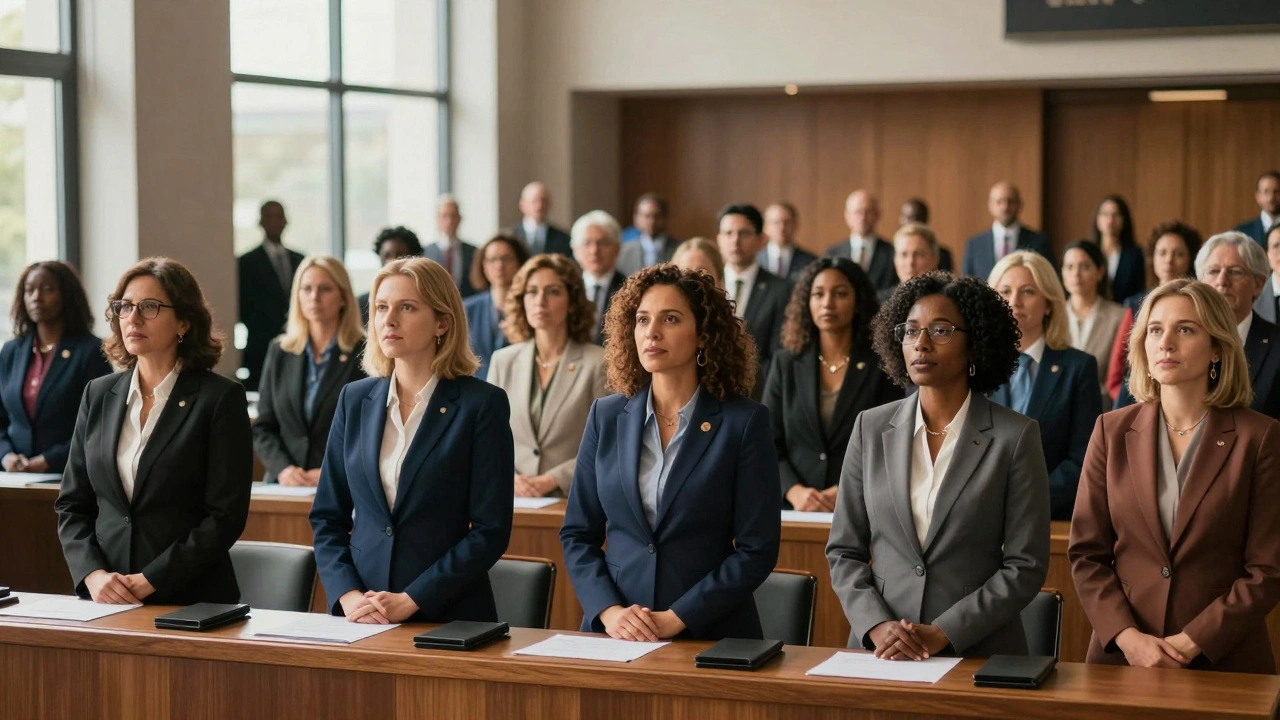
It is May 2026, and the landscape of American politics looks different than it did just a few years ago. If you look at the roster of state legislatures, city councils, and even the federal Senate, you see more women than ever before holding seats of power. But does having more women in the room actually change what happens in that room? That is the question on everyone’s mind right now. We are seeing historic breakthroughs in representation, yet we are also hitting hard, stubborn barriers that refuse to move. It is not just about counting heads; it is about shifting culture, policy, and the very way governance works.
When we talk about women in government, we are talking about a demographic shift that has been accelerating since the early 2010s but truly exploded after 2020. In 2026, women hold roughly 30% of seats in the U.S. House of Representatives and nearly 28% in the Senate. While these numbers sound impressive on paper, they still fall short of parity with the population. More importantly, the composition of those women is changing. We are seeing a significant rise in women of color, LGBTQ+ women, and women from working-class backgrounds entering public office. This diversity brings new perspectives to the table, forcing a reevaluation of long-standing policies that were written by a homogenous group for decades.
The Breakthroughs: What Is Working Right Now
The most visible success story of this era is the surge in local and state-level elections. For years, the focus was heavily on Washington, D.C., but the real groundwork is happening in county commissions and school boards. Women are running at record rates for these positions, often winning because they are perceived as pragmatic problem-solvers rather than ideological warriors. In states like Oregon, California, and New York, women have taken leadership roles in major metropolitan areas, bringing a fresh approach to urban planning, public safety, and education funding.
One specific area where women leaders have made undeniable strides is in legislative priorities. Research consistently shows that when women enter the legislature, there is an immediate uptick in bills related to family leave, childcare subsidies, and healthcare access. In 2025 and early 2026, several states passed comprehensive paid family leave laws that would have likely stalled under previous male-dominated coalitions. These aren't just "women's issues"; they are economic issues that affect every household. By framing childcare as infrastructure-similar to roads or bridges-female lawmakers have successfully shifted the narrative and secured funding that benefits the entire economy.
Another breakthrough is the dismantling of old-boy networks through digital campaigning. Traditional fundraising relied on golf courses and private clubs, spaces where women were often excluded or marginalized. Today, small-dollar donations via social media platforms allow candidates to build war chests without relying on established donors. This democratization of fundraising has allowed outsiders to challenge incumbents effectively. You don't need a connection to a billionaire to run anymore; you need a message that resonates and a strategy that engages directly with voters online.
The Barriers: Why Progress Feels Slow
Despite these wins, the glass ceiling hasn't shattered; it has just become thicker. The biggest barrier remains the pipeline problem. Many potential female candidates are still discouraged from running due to a lack of encouragement, fear of harassment, or family obligations. Political parties, especially at the grassroots level, are still largely run by older men who may unconsciously favor candidates who look and think like them. When a woman expresses interest in running, she is often told to "wait her turn" or advised to start with a minor position, whereas male counterparts are frequently pushed toward high-profile races immediately.
Harassment is another persistent hurdle. Online abuse against female politicians has reached epidemic proportions. It is not just name-calling; it includes doxxing, threats of violence, and coordinated campaigns to destroy reputations. This takes a massive toll on mental health and often forces women to withdraw from public life or avoid engaging with constituents on open forums. Security costs for female candidates are significantly higher than for their male peers, adding a financial burden that can derail a campaign before it even starts.
Furthermore, there is a lack of mentorship and sponsorship within the political establishment. Having a mentor is helpful, but having a sponsor-someone who will advocate for your advancement behind closed doors-is crucial. Women often find themselves in mentoring circles with other women who are also struggling for power, rather than having access to the top-tier decision-makers who control party nominations and endorsements. This structural gap means that even talented, qualified women hit a wall when trying to secure the support needed for statewide or national offices.
| Challenge Area | Female Candidates | Male Candidates |
|---|---|---|
| Fundraising Source | Heavily reliant on small-dollar online donations | Greater access to large institutional donors |
| Media Coverage Focus | Appearance, family status, tone | Policy positions, experience, ideology |
| Harassment Level | High volume of personal/violent threats | Lower volume, mostly policy-focused criticism |
| Mentorship Access | Limited access to top-tier sponsors | Stronger informal networks and sponsorship |
| Incumbency Advantage | Often challenged more aggressively | Benefit from longer average tenure |

The Role of Civic Organizations and Advocacy Groups
You cannot talk about women in government without mentioning the organizations that are pushing them forward. Groups like Emilie's List, a political action committee that supports pro-choice Democratic women and The Republican Main Street Partnership, an organization promoting moderate conservative values have played pivotal roles. However, the most impactful work is being done by non-partisan groups like She Should Run, a nonprofit dedicated to increasing the number of women elected to public office. These organizations provide training, resources, and emotional support to women considering a run for office. They demystify the process and help candidates navigate the complex rules of campaign finance and ballot access.
In Portland and across the Pacific Northwest, local chapters of these groups have been particularly active. They host workshops on everything from writing a campaign platform to handling hostile media interviews. This hands-on support system is crucial because it addresses the confidence gap. Many women are highly qualified but doubt their own readiness. By providing a community of peers and mentors, these organizations create a safety net that encourages risk-taking.
Impact on Policy and Governance Style
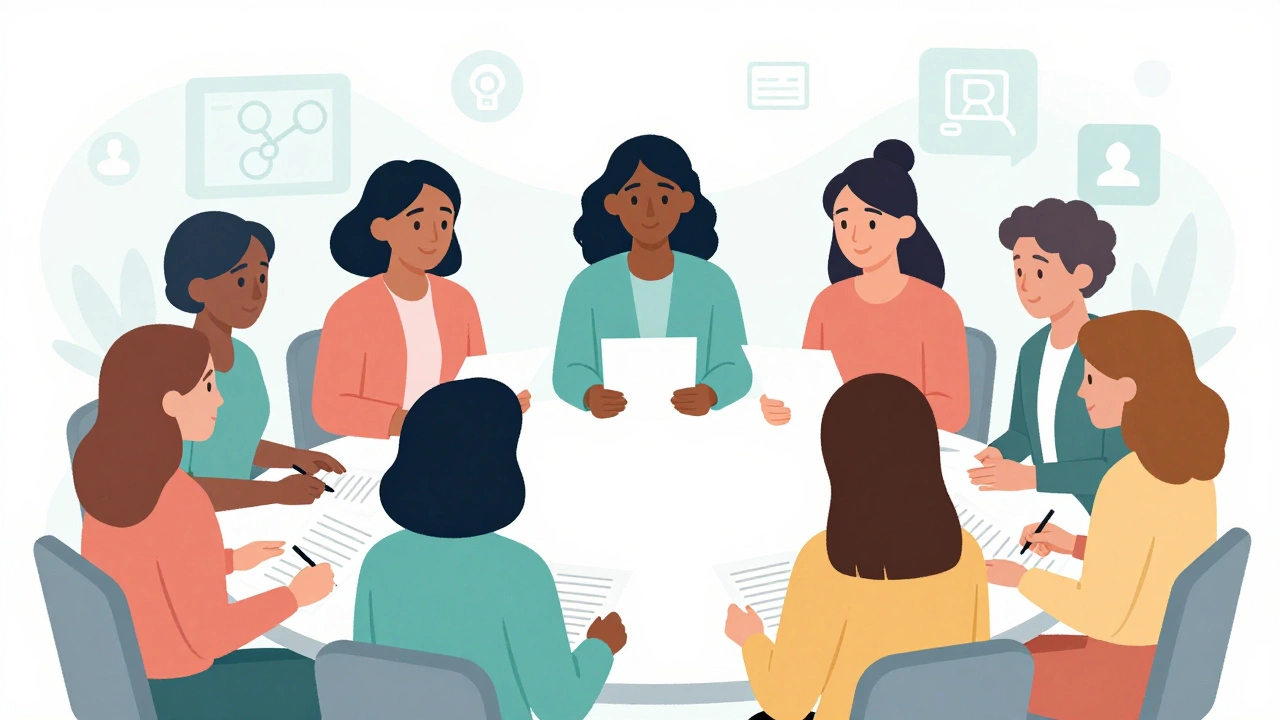
Does gender change how governance works? Studies suggest yes. Women legislators tend to collaborate more across party lines than their male counterparts. They are less likely to engage in performative outrage and more likely to seek compromise. This collaborative style is essential in an era of deep polarization. When women lead committees, hearings are often more focused on evidence and expert testimony rather than partisan scoring points. This leads to more durable legislation that survives changes in administration.
Additionally, women in government are prioritizing transparency and accountability. There is a growing demand for open data initiatives and clearer communication between officials and constituents. This shift is driven by voter expectations, particularly among younger demographics who value authenticity and direct engagement. Social media has amplified this expectation, making it harder for politicians to hide behind press releases. Women leaders are often quicker to adapt to these digital demands, using platforms like Instagram and TikTok to explain complex policies in accessible ways.
Looking Ahead: What Needs to Change
To accelerate progress, we need systemic changes in how political parties operate. Primaries should be structured to encourage diverse slates, and party leadership must commit to recruiting and endorsing women at all levels. Fundraising norms need to evolve to reduce reliance on wealthy donors who may hold outdated views. Small-dollar giving should be incentivized through matching funds programs at the state and federal levels.
We also need to address the cultural stigma around ambition in women. Society often praises men for being ambitious but criticizes women for the same trait. Changing this narrative requires effort from media, families, and communities. We need to celebrate women who run for office, regardless of the outcome, and normalize the idea that public service is a viable career path for women with families, careers, and diverse backgrounds.
Finally, we must protect the safety of elected officials. Governments need to invest in cybersecurity and physical security for all candidates, with special attention to the unique threats faced by women. Legal frameworks should be updated to criminalize targeted harassment and doxxing, sending a clear message that such behavior will not be tolerated in our democratic process.
Conclusion: A Work in Progress
The journey toward equal representation is far from over. But the momentum is undeniable. Women are not just entering government; they are reshaping it. They are bringing new voices, new priorities, and new methods to the table. The barriers are real, but so are the breakthroughs. As we move further into 2026 and beyond, the key will be sustaining this momentum and ensuring that the gains made today are not lost tomorrow. It requires vigilance, advocacy, and a commitment to building a political system that truly represents everyone.
How many women are currently in the U.S. Congress?
As of mid-2026, women hold approximately 30% of seats in the House of Representatives and 28% in the Senate. This represents a significant increase from previous decades but still falls short of full parity with the U.S. population.
What are the biggest challenges facing women who want to run for office?
Key challenges include online harassment, difficulty accessing traditional fundraising networks, lack of sponsorship from party elites, and societal biases regarding ambition and family responsibilities. Security concerns and higher campaign costs also pose significant hurdles.
Do women politicians prioritize different issues than men?
Research indicates that women legislators are more likely to introduce and champion bills related to childcare, healthcare, family leave, and education. They also tend to prioritize collaborative governance and cross-party cooperation.
Which organizations help women run for political office?
Organizations like She Should Run, Emilie's List, and various local civic groups provide training, mentorship, and financial support to women candidates. Non-partisan groups focus on skill-building, while PACs often provide direct campaign funding.
Has the increase in women in government changed policy outcomes?
Yes, studies show that increased female representation correlates with stronger protections for reproductive rights, better family-friendly workplace policies, and more investment in social services. Women leaders also tend to foster more bipartisan collaboration.