Visa and Entry Rules for Women Travelers: A Practical Guide
 Aug, 16 2026
Planning a trip often feels like a puzzle with missing pieces. You have the flights booked and the hotels reserved, but then you hit the bureaucratic wall: visas, entry stamps, and specific rules that vary wildly from country to country. For women travelers, this process can feel even more opaque. Why? Because some nations still maintain gender-specific documentation requirements or have cultural expectations that aren't always spelled out on standard visa application forms. Getting this wrong doesn't just mean a delay at the airport; it can mean being turned back at the border with no refund. The goal here is simple: to make sure your paperwork matches the reality of where you are going, so you can focus on the adventure rather than the anxiety.
Understanding the Baseline: Passport and Visa Basics
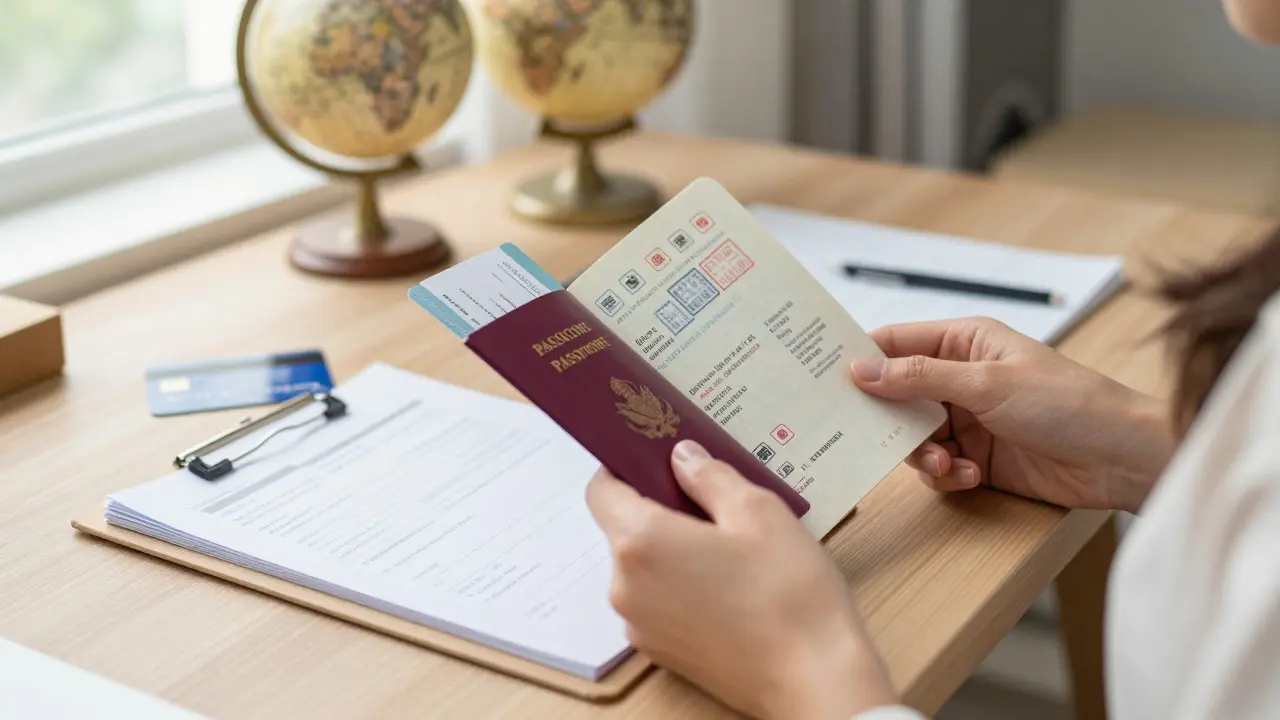
Before diving into specific quirks, let's look at the foundation. A passport is your primary identity document internationally. Most countries require your passport to be valid for at least six months beyond your intended date of departure. This is known as the "six-month rule." It seems strict, but it prevents situations where you get stuck in a country because your ID expires while you are there. If your passport is expiring soon, renew it before you book non-refundable tickets. Renewal times vary by country, but in the United States, for example, routine processing can take four to six weeks during peak summer seasons.
A visa is an endorsement placed in your passport that permits you to enter, leave, or stay for a specified period of time in a foreign country. Not all destinations require one. Many nations offer visa-free access or visa-on-arrival for citizens of major economies like the US, UK, Canada, and Australia. However, "visa-free" does not mean "no rules." You still need to prove you have enough money for your stay, a return ticket, and sometimes proof of accommodation. Always check the official government travel advisory site for your nationality, as third-party blogs can become outdated quickly.
Gender-Specific Documentation: What You Need to Know
This is where things get tricky for female travelers. While most Western countries treat men and women equally regarding entry documents, some regions still operate under different legal frameworks. In certain parts of the Middle East, North Africa, and South Asia, single women may face additional scrutiny upon arrival. Officers might ask about your husband, your employer, or your exact itinerary in more detail than they would for a male traveler. To mitigate this, carry printed copies of your hotel bookings, a detailed day-by-day itinerary, and emergency contact information. Having these physical papers ready shows you are organized and reduces the chance of prolonged questioning.
In some conservative jurisdictions, local laws may suggest that unmarried women should ideally be accompanied by a male guardian. While enforcement varies, having a letter from a parent or spouse (if applicable) stating permission for you to travel alone can be a useful backup. This isn't about limiting your freedom; it's about having a paper trail that satisfies bureaucratic expectations. Keep these documents in a separate folder from your main wallet. If you lose your wallet, you still have your travel permissions safe.
Health Requirements and Vaccinations
Entry rules aren't just about IDs; they're about public health. Some countries require proof of vaccination before you can board a plane or cross a land border. The most common requirement is for Yellow Fever. If you are traveling through or arriving from a country with risk of Yellow Fever transmission, you must present a valid International Certificate of Vaccination or Prophylaxis (ICVP). Without it, you could be quarantined or denied entry. Check if your destination requires this based on your *previous* travel history, not just your final destination. For instance, if you fly from New York to London to Lagos, you might need the certificate for Lagos even if London doesn't require it.
Beyond mandatory vaccines, consider optional ones that protect your health. Malaria prophylaxis is often recommended for tropical regions. Typhoid and Hepatitis A vaccines are wise choices for areas with variable food safety standards. Visit a travel clinic at least four to six weeks before your trip. Some vaccines, like Hepatitis B, take multiple doses over several months to be effective. Starting early ensures you are protected when you arrive, not after you've already been exposed.

Cultural Etiquette and Local Laws
Knowing what to pack is only half the battle; knowing how to behave is the other. Different cultures have different norms regarding dress, behavior, and interaction. In some countries, covering your shoulders and knees is expected in public spaces, especially near religious sites. In others, public displays of affection between couples (including same-sex couples) might be frowned upon or even illegal. Doing a quick research on local customs helps you avoid unintentional offenses. For example, in Thailand, pointing your feet at people or Buddha statues is considered rude. In Japan, eating while walking is generally discouraged. These small adjustments show respect and make your interactions with locals smoother.
Language barriers can also complicate entry processes. If you don't speak the local language, learn a few basic phrases like "hello," "thank you," and "where is...?" Carrying a phrasebook or using a translation app offline can save you from misunderstandings. When dealing with immigration officers, keep answers short and direct. Long explanations can lead to confusion. If you don't understand a question, it is perfectly acceptable to say, "Can you repeat that, please?" or use a written note.
Financial Preparedness and Insurance
Money matters play a huge role in entry decisions. Border officers want to know you won't become a burden on the state. Carry a mix of payment methods: credit cards, debit cards, and some local currency cash. Notify your bank of your travel dates to avoid having your cards frozen due to suspicious activity. If you are traveling to a region with limited ATMs, bring enough cash for the first few days. Also, consider getting a dedicated travel card that offers no foreign transaction fees. This saves you money on every purchase.
Travel insurance is not just a safety net; it is sometimes a requirement. Schengen Area countries in Europe, for example, require proof of medical insurance covering at least €30,000 in medical expenses. Even where it's not mandatory, insurance protects you against the unexpected: lost luggage, flight cancellations, or sudden illness. Choose a policy that covers adventure activities if you plan to hike, dive, or ski. Standard policies often exclude high-risk sports. Read the fine print carefully. Knowing exactly what is covered gives you peace of mind and ensures you can handle surprises without financial panic.
| Document Type | Primary Purpose | Key Requirement | Common Pitfall |
|---|---|---|---|
| Passport | Identity verification | Valid for 6+ months beyond stay | Expiring mid-trip |
| Visa | Permission to enter/stay | Matches purpose of visit (tourism/business) | Applying for wrong visa type |
| Vaccination Card | Health compliance | Valid ICVP for Yellow Fever if applicable | Missing previous travel history context |
| Insurance Policy | Risk mitigation | Coverage meets destination minimums | Excluding adventure activities |
Step-by-Step Preparation Checklist
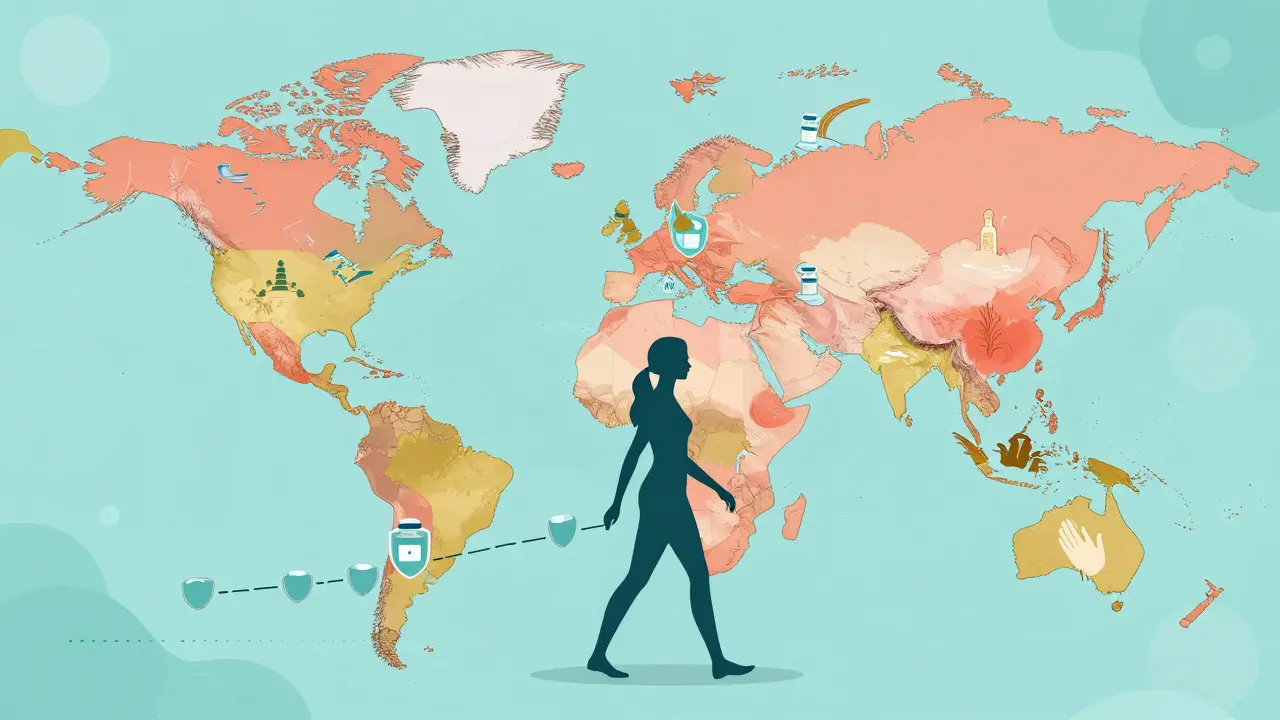
To keep everything organized, follow this sequence. Start three months before your trip. First, check your passport expiration date. If it needs renewal, do it immediately. Second, identify if you need a visa. Apply online or at the embassy as soon as possible, as processing times can stretch. Third, schedule your travel health appointment. Get any required vaccines and prescriptions. Fourth, buy comprehensive travel insurance. Keep a digital copy in your email and cloud storage. Fifth, research local laws and customs. Download offline maps and translation apps. Finally, prepare a physical folder with printed copies of all documents: passport bio page, visa, insurance policy, hotel bookings, and emergency contacts. Keep one set in your carry-on and another in your checked luggage. This redundancy ensures that even if one bag is lost, you still have access to your critical papers.
Frequently Asked Questions
Do I need a visa if I'm just transiting through a country?
It depends on whether you leave the international transit zone. If you stay within the airport, many countries allow visa-free transit. However, if you change terminals, collect baggage, or plan to step outside the airport, you likely need a transit visa. Always check the specific airline and airport rules, as some hubs like Dubai or Doha have strict transit visa policies even for short layovers.
What should I do if my passport is stolen abroad?
First, report the theft to local police to get a police report. Then, contact your country's nearest embassy or consulate. They will issue an Emergency Travel Document (ETD), which allows you to fly home. Keep digital scans of your passport in your email and cloud drive to speed up the replacement process. The ETD usually has a short validity period, so use it only for your immediate return journey.
Are there specific dress codes for women in religious sites?
Yes, most religious sites require modest dress. This typically means covering shoulders, knees, and sometimes hair. Examples include mosques, temples, and cathedrals. Before visiting, check the specific site's website or guidebooks. Carrying a light scarf or shawl in your bag is a practical solution. It allows you to cover up quickly without needing to buy clothing on-site, saving time and money.
How much cash should I carry for border control?
There is no universal amount, but carrying enough for your daily expenses plus a buffer is wise. Some countries have limits on how much undeclared cash you can bring in. For example, entering the EU with more than €10,000 in cash requires declaration. Keep receipts for large purchases to prove the source of funds if asked. A mix of cards and cash is the safest strategy, as cards can fail and cash can be lost.
Is it better to apply for a visa online or at the embassy?
Online applications are faster and often cheaper. They allow you to track your status digitally. However, some countries require an in-person interview or biometric scan at the embassy. Check the specific requirements for your destination. If online is available, use it. If not, book your embassy appointment as early as possible, as slots can fill up weeks in advance, especially during holiday seasons.