Vintage Shopping for Women: Where to Go and What to Check
 Mar, 28 2026
Vintage clothing isn't just about wearing old clothes; it is about curating a wardrobe that tells a story while reducing your environmental footprint. Walking into a bustling market stall or a dusty backroom shop feels different when you know exactly what to look for. In 2026, the demand for pre-loved fashion has skyrocketed, pushing prices up alongside scarcity. You need a strategy that goes beyond hoping for luck at a random rack.
Vintage Clothing is garments and accessories typically over twenty years old that reflect the specific design trends of their era. True Vintage Fashion, distinct from mere second-hand wear, often involves higher-quality construction and natural fibers found less frequently in fast fashion today. Understanding the difference helps you avoid buying modern retro reproductions that lack longevity. When you learn to read the labels and inspect the seams, you stop paying premium prices for damaged goods.
Finding the Right Locations
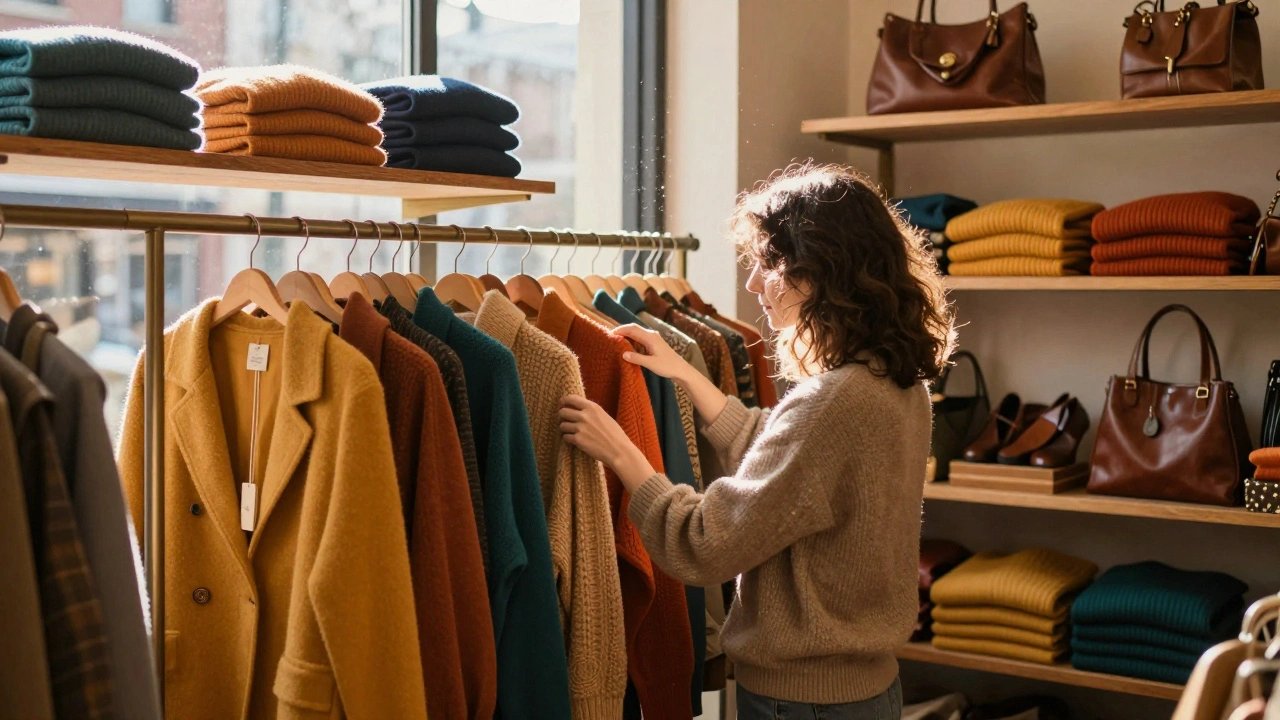
The first hurdle is knowing where to look. Generic thrift stores are great for beginners, but curated vintage boutiques offer verified quality. In cities like Portland, specialized shops cluster around creative districts, whereas rural areas might require more travel to find hidden gems. Online platforms have changed the game significantly since 2023, offering global access, but they lack the tactile experience of touching fabric.
| Type | Price Range | Quality Control | Availability |
|---|---|---|---|
| Consignment Shops | Medium-High | High (Curated) | Limited (Rotates weekly) |
| Thrift Stores | Low-Medium | Variable (Self-Sort) | High (Daily donations) |
| Online Marketplaces | Variable | Moderate (Trust Seller) | Global (Search filters) |
| Estate Sales | Low-Variable | None (As-is) | Very Low (One-time) |
Local estate sales often yield untouched 'deadstock' pieces that never saw retail shelves. These hunts are sporadic, so keeping tabs on community event calendars pays off. Consignment shops usually vet inventory before hanging it up, which means higher safety but also higher costs. Thrift stores require a sharp eye, as someone else hasn't necessarily pre-screened the items for flaws.
Inspecting Fabric and Condition
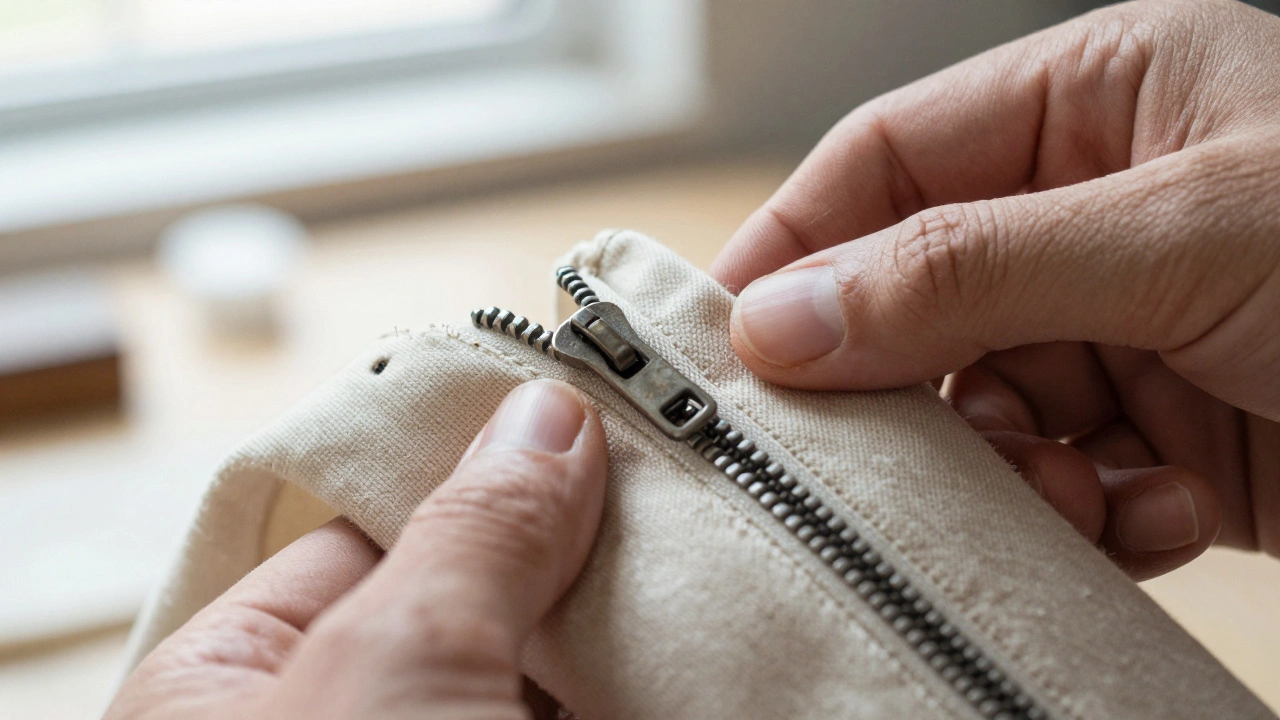
Once you find something interesting, do not skip the physical exam. Hold the item up to a light source. Look through the fabric for thin spots or holes that aren't immediately visible. Pilling under the arms and on inner thighs indicates excessive friction during previous use. Zippers tell a lot about care history; metal zippers from brands like Talon or YKK suggest older manufacturing standards compared to plastic alternatives found in recent decades.
Fabric Quality refers to the durability, texture, and weave integrity of textile materials used in garment construction. Cotton and wool breathe better than polyester blends common in the 90s, but synthetics from the 70s hold color differently. Smell the garment. A distinct smell of mothballs or mildew means deep cleaning is required, which might fade colors or ruin delicate trims. If the price tag is already attached, ask for a reduction until you are certain the seller has cleaned it thoroughly.- Check armpits for rust stains caused by deodorant reacting with sweat.
- Run a hand along the hem to feel for uneven stitching or loose threads.
- Pull gently at stress points like buttonholes and pockets.
- Inspect buttons; missing originals suggest poor repair work.
Decoding Labels and Eras
Labels act as passports for your clothes. American sizes changed drastically between decades. A 1970s size 10 looks completely different from a 2020s size 10 due to vanity sizing. Measuring the flat garment width gives a much more accurate fit expectation than trusting the number printed on the tag. For women specifically, waistbands and shoulder widths are critical measurements because they are harder to alter than hems.
The location of manufacture matters. Many authentic vintage pieces feature "Made in USA" tags prior to 1992 before production shifted overseas. UK imports often label differently, using imperial measurements rather than standard inches. Some boutique sellers wash out tags to prevent theft, making visual identification necessary. Knowing the difference between a reworked 80s blazer and an original production run saves money.
Silhouettes define the era. High-waisted trousers signal the 90s, while puff sleeves dominate the early 2000s Y2K aesthetic. Leather jackets from the 70s often have softer, supple hides compared to stiffer polyurethane options seen later. Recognizing these patterns prevents confusion when shopping blind online. If you spot a specific designer logo, verify it exists in archival databases rather than accepting the tag at face value.
Negotiating and Pricing Strategies
Vintage pricing fluctuates based on condition, rarity, and trend cycles. A rare designer piece might command hundreds of dollars, while a generic cotton shirt from the same period sells for pennies. Learn the baseline value of common brands like Levi’s or Ralph Lauren to understand markups. Always be polite when asking for a discount, especially in independent boutiques where profit margins are thin. Bulk purchases sometimes trigger store policies allowing negotiation on multiple items.
Resale potential shouldn't be your primary driver unless you are flipping. Focus on personal wearability. However, understanding value protects you from scams. If a listing claims a piece is 'rare vintage Gucci' but lacks serial numbers or security tags, exercise caution. Legitimate luxury consignment services provide certificates of authenticity for high-ticket items. Independent sellers rarely do this, so trust your research skills.
Care and Preservation
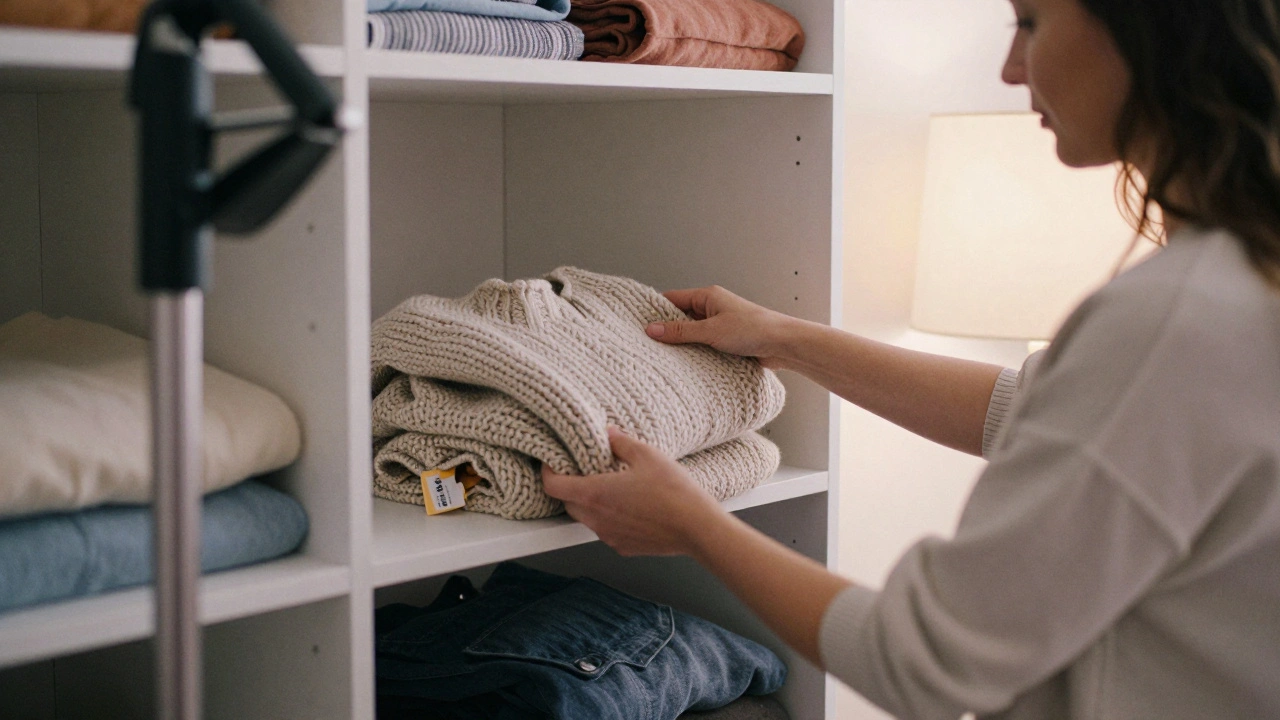
Owning vintage clothing carries responsibility. Washing machines can destroy delicate fabrics. Always turn garments inside out before washing. Use cold water and mild detergent meant for delicate cycles. Air dry whenever possible; heat shrinks natural fibers unpredictably. Store sweaters folded to avoid stretching shoulders on hangers. Vacuum sealed bags preserve long-term storage items, but avoid plastic wraps that trap moisture and encourage mold growth.
Garment Care involves maintenance routines that extend the lifespan of clothing through proper cleaning and storage techniques. Professional dry cleaning applies only to structured items like suits or formal dresses. Regular maintenance keeps value stable. Staining prevention starts with immediate spot cleaning before the stain sets deep into the fiber weave. Addressing small tears early with darning kits extends life significantly.Beyond the Purchase
Your wardrobe strategy should include rotating seasonal items. Not every vintage find deserves daily rotation. Keep fragile pieces in climate-controlled spaces. Consider alterations as part of the purchase cost. Buying a 50-year-old dress that needs a zipper replacement is still viable if the fabric holds up well. Tailoring allows you to modernize old cuts while retaining the authentic material. This hybrid approach combines nostalgia with modern comfort.
Joining local community swap events offers networking opportunities with fellow collectors. Knowledge sharing happens faster in person. Ask experienced shoppers where they hunt. Relationships with shop owners can lead to early access to new stock drops. Building rapport creates benefits beyond simple transactions.