Treating Women’s Skin Concerns: Acne, Eczema, and Sensitivity
 Sep, 28 2026
You wake up, look in the mirror, and notice a new red bump on your chin. Or maybe it’s that dry, itchy patch on your elbow that just won’t quit. Sound familiar? If you’re a woman, you’ve likely dealt with at least one of these three skin nightmares: acne, a common skin condition involving hair follicles becoming plugged with oil and dead skin cells, eczema, or chronic sensitivity. Here’s the kicker: treating them isn’t just about slapping on cream. Your hormones, barrier function, and even stress levels play massive roles. Let’s break down how to tackle each one without wrecking your skin barrier.
Why Women’s Skin Behaves Differently
Before we dive into treatments, let’s talk biology. Women’s skin isn’t just “smaller men’s skin.” It’s thinner, has less collagen density, and reacts wildly to hormonal shifts. Estrogen keeps skin plump and hydrated, but when it dips-like during your period, pregnancy, or menopause-your skin gets vulnerable. This is why adult acne often flares along the jawline and chin, areas rich in androgen receptors. Meanwhile, conditions like eczema can worsen as estrogen drops because estrogen helps maintain the skin’s lipid barrier. If you ignore this hormonal context, you’ll fight your skin instead of helping it.
| Skin Concern | Hormonal Link | Environmental Trigger | Key Symptom |
|---|---|---|---|
| Acne | Androgen spikes pre-period | Clogged pores from makeup/sweat | Inflamed papules, blackheads |
| Eczema | Estrogen drop weakens barrier | Dry air, harsh soaps, wool | Itchy, scaly patches |
| Sensitivity | Fluctuating hormone levels | Fragrance, alcohol, heat | Redness, stinging, burning |
Taming Hormonal Acne Without Drying Out
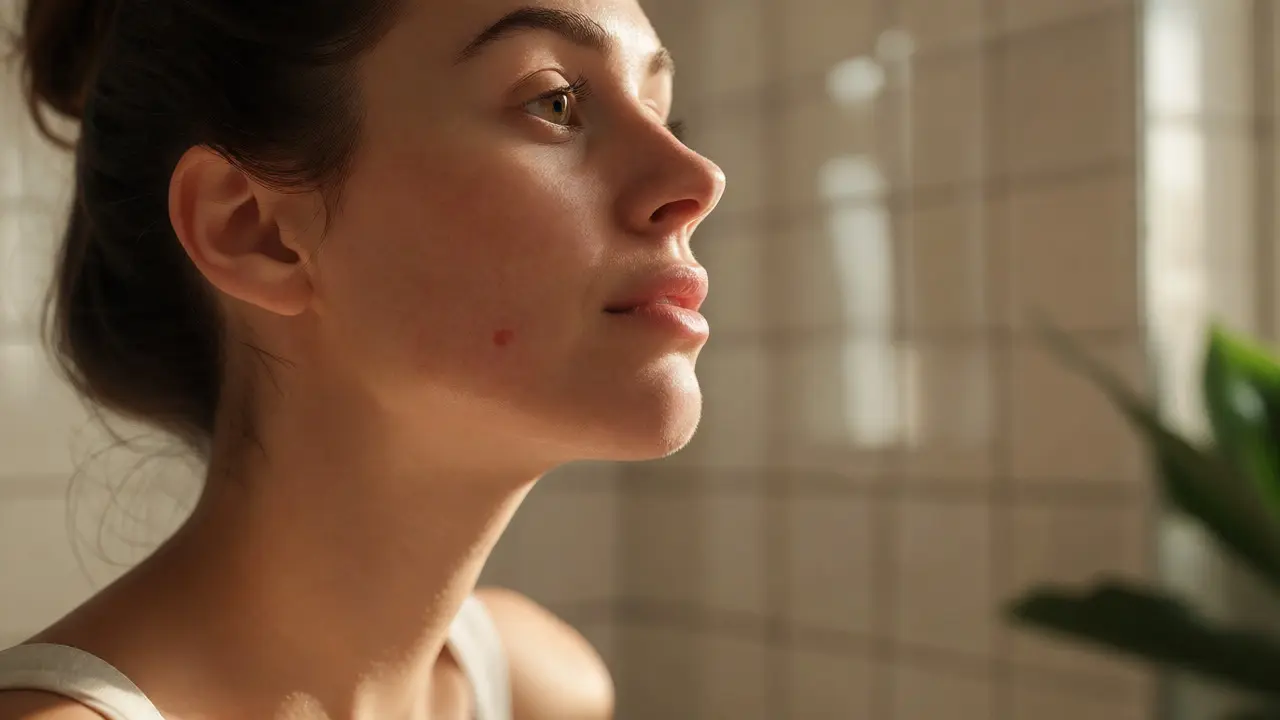
Adult female acne is tricky. You might have oily T-zones but dry cheeks, all while dealing with cystic bumps near your mouth. The biggest mistake? Over-drying. When you strip your skin with harsh scrubs, it panics and produces more oil, leading to more breakouts. Instead, focus on gentle exfoliation and anti-inflammatory ingredients. Start with a chemical exfoliant like salicylic acid (BHA) to unclog pores, but keep the concentration low (0.5%-2%) if you’re sensitive. For those deep, painful cysts, benzoyl peroxide works well, but spot-treat only. Don’t apply it all over unless directed by a derm. Retinoids are another powerhouse here. Adapalene, available over-the-counter, speeds up cell turnover and prevents clogs. But introduce it slowly-twice a week at night-to avoid irritation. And please, wear sunscreen. Retinoids make you sun-sensitive, and UV exposure thickens the outer skin layer, trapping bacteria.
Calming Eczema Flare-Ups
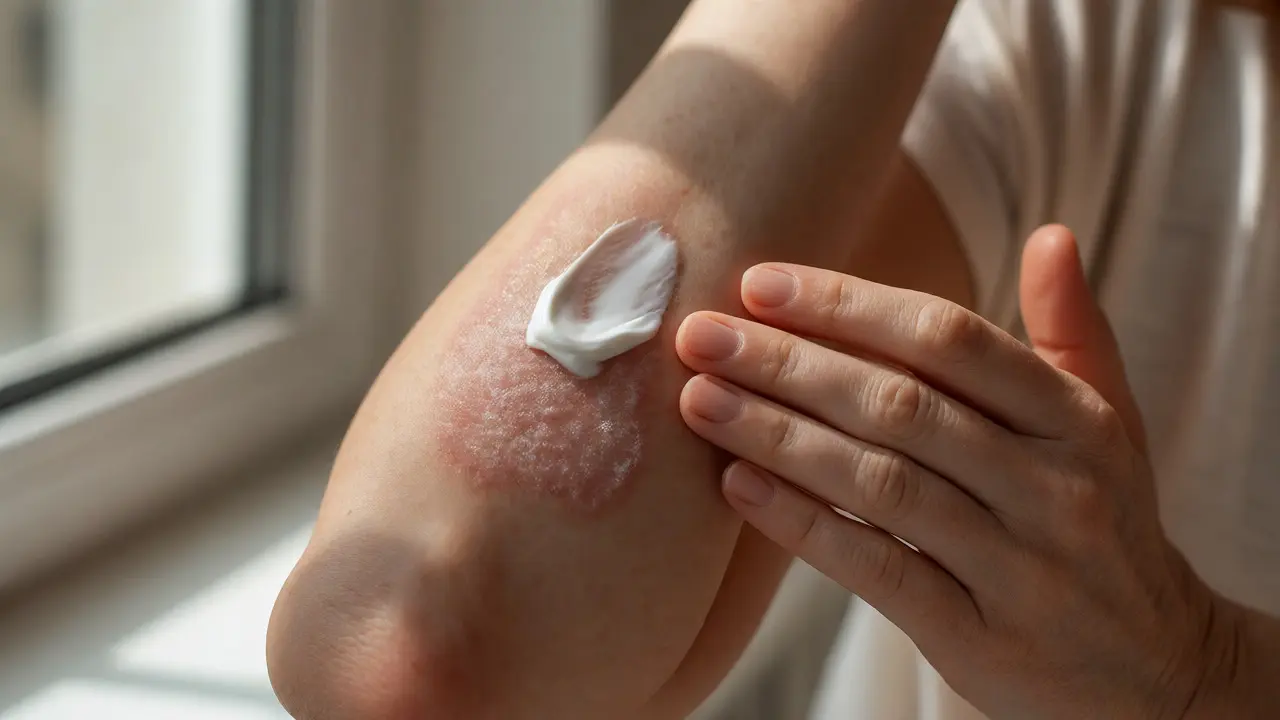
Eczema, or atopic dermatitis, is basically a broken skin barrier. Think of your skin as a brick wall. In eczema, the mortar (lipids) is missing, so moisture escapes and irritants get in. This leads to that intense itch-scratch cycle that feels impossible to break. The goal here is repair, not just relief. Moisturize immediately after bathing while skin is damp. Look for creams with ceramides, cholesterol, and fatty acids-the exact lipids your skin lacks. Ointments like petroleum jelly are great for sealing in moisture but can feel greasy. For active flare-ups, topical corticosteroids reduce inflammation, but don’t use them long-term without medical advice. Non-steroidal options like tacrolimus or pimecrolimus are good for sensitive areas like the face. Also, watch out for hidden triggers. Laundry detergents with fragrances, hot showers, and synthetic fabrics can all spark a flare. Switch to fragrance-free detergent and cotton clothes if you’re prone to outbreaks.
Navigating Sensitive Skin and Redness
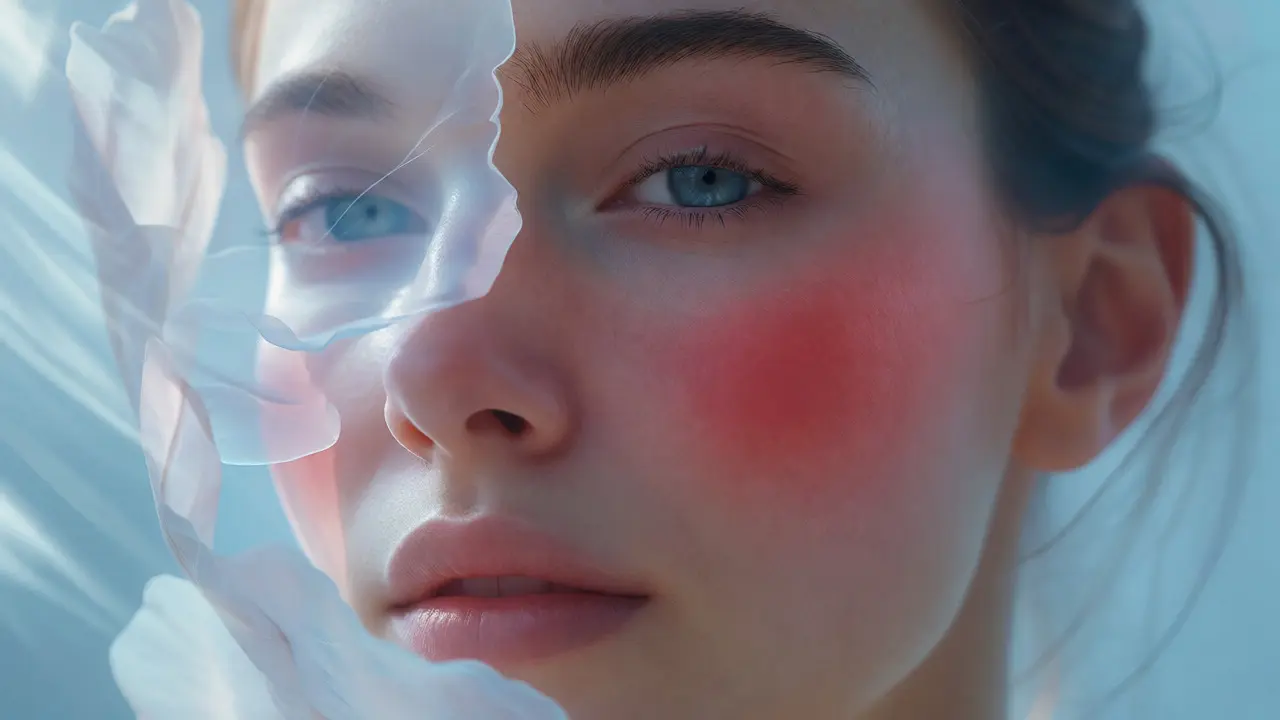
Sensitive skin isn’t a diagnosis; it’s a state where your nerve endings react too quickly to stimuli. You might sting when applying moisturizer or turn red after spicy food. This often overlaps with rosacea, a chronic inflammatory condition causing persistent facial redness. Unlike acne, rosacea doesn’t involve clogged pores. It’s vascular and immune-driven. If you’re sensitive, simplify your routine. Fewer products mean fewer potential irritants. Stick to a gentle, non-foaming cleanser and a basic moisturizer. Avoid physical scrubs-they create micro-tears in already fragile skin. Ingredients to embrace include niacinamide, which strengthens the barrier and reduces redness, and azelaic acid, which calms inflammation and fights rosacea bumps. Green tea extract and oatmeal are also soothing. If you suspect rosacea, see a dermatologist. Prescription options like metronidazole or brimonidine can help manage symptoms effectively.
The Role of Lifestyle and Diet
Your skin reflects what’s happening inside your body. Stress raises cortisol, which increases oil production and inflammation-bad news for both acne and eczema. Sleep deprivation impairs skin repair, making wrinkles and dullness worse. Then there’s diet. While sugar doesn’t cause acne directly, high-glycemic foods spike insulin, which can trigger androgen activity. Dairy is controversial, but some women find whey protein or skim milk exacerbates their breakouts. Keep a food diary for two weeks to spot patterns. Hydration matters, too. Drinking water supports overall health, but topical hydration is key for eczema and sensitivity. Use a humidifier in dry climates or during winter months to prevent moisture loss. Exercise boosts circulation, giving your skin a healthy glow, but shower promptly afterward to remove sweat, which can irritate eczema-prone skin.
Building a Simple Routine That Works
You don’t need a ten-step Korean skincare routine. Consistency beats complexity. Here’s a baseline framework tailored to your main concern:
- Morning: Gentle cleanser → Treatment (e.g., Vitamin C for brightness, Niacinamide for redness) → Moisturizer → Sunscreen (SPF 30+).
- Evening: Oil-based cleanser (if wearing makeup) → Water-based cleanser → Treatment (Retinoid for acne, Ceramide cream for eczema) → Night moisturizer.
For eczema, skip the actives on flare days and focus on heavy moisturizers. For acne, never pick at spots-it pushes bacteria deeper and causes scarring. Patch-test new products on your inner arm for 48 hours before applying them to your face. Patience is critical. Most treatments take 6-12 weeks to show real results. Give them time.
Can hormonal acne go away on its own?
Sometimes, especially if triggered by temporary hormonal shifts like starting birth control or pregnancy. However, many women experience persistent adult acne due to genetic predisposition or ongoing hormonal imbalances like PCOS. Treatment usually requires consistent topical care or medication.
Is eczema contagious?
No, eczema is not contagious. It’s an internal immune system response and barrier defect. You cannot catch it from touching someone else’s rash, nor can you give it to others.
What ingredients should sensitive skin avoid?
Avoid fragrances (both natural and synthetic), essential oils, alcohol denat, and harsh sulfates like sodium lauryl sulfate. These are common irritants that compromise the skin barrier and cause stinging or redness.
Does diet really affect skin conditions?
Yes, for some people. High-sugar diets can worsen acne via insulin spikes. Certain foods may trigger eczema flares in individuals with specific allergies. Keeping a food-mood-skin journal can help identify personal triggers.
When should I see a dermatologist?
See a pro if over-the-counter treatments fail after 3 months, if you have painful cystic acne, signs of infection (pus, warmth), or severe itching that disrupts sleep. Early intervention prevents scarring and improves quality of life.