Traveling With Toddlers: A Mother’s Survival Guide for Stress-Free Trips
 May, 8 2026
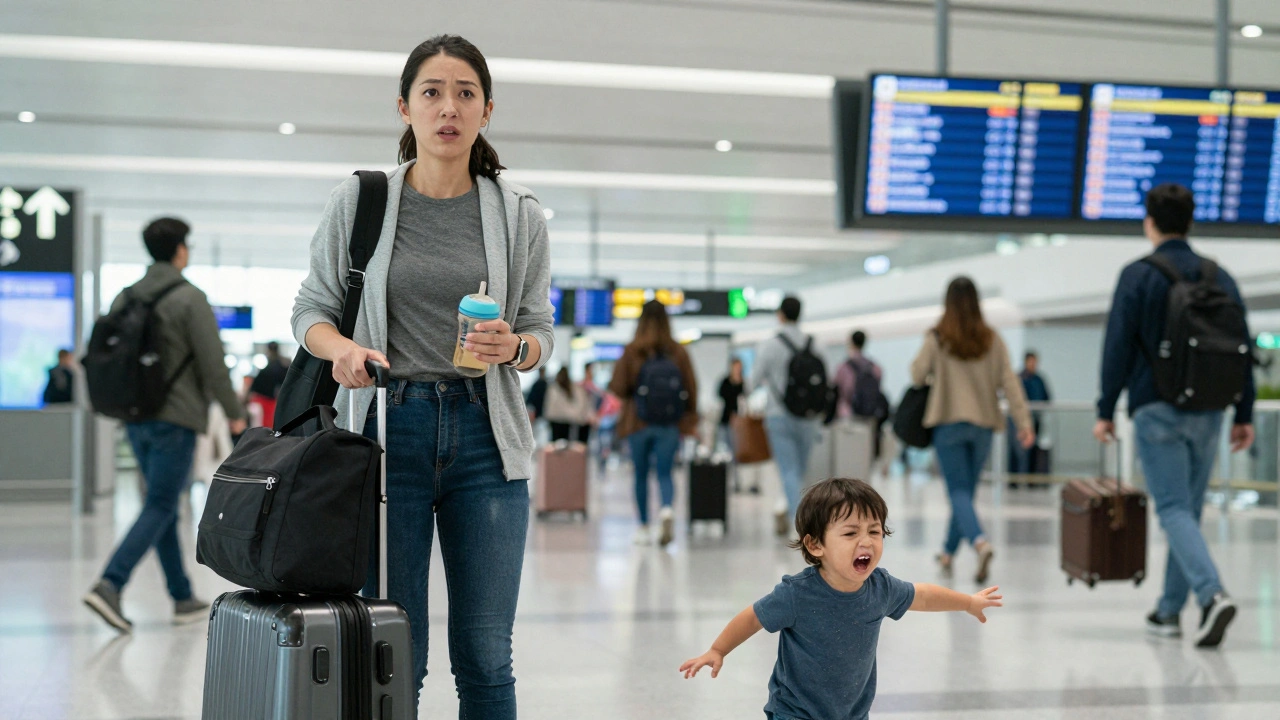
Imagine you’re standing in a crowded airport terminal. Your carry-on is heavy, your coffee is cold, and your two-year-old is screaming because the air conditioning is too loud. You didn’t sign up for this when you booked that beach vacation. You signed up for relaxation. But here you are, wondering if you made a huge mistake. Traveling with toddlers isn’t just about booking flights; it’s a strategic operation that requires military-grade planning and a lot of patience. If you want to survive-and maybe even enjoy-the trip, you need to change how you look at every part of the journey.
The goal isn’t perfection. It’s damage control and finding moments of joy amidst the chaos. This guide breaks down exactly what works, based on real-world experience, so you can stop guessing and start preparing with confidence.
Why Toddler Travel Feels So Hard
Before we get into the tactics, let’s talk about why this feels impossible. Toddlers are in a developmental stage defined by autonomy. They want to do everything themselves, but they lack the motor skills and emotional regulation to handle frustration. Add to that the disruption of routine, which is their lifeline, and you have a recipe for meltdown.
When you travel, you strip away their safe environment. The bed smells different. The food tastes different. The time zone might be different. For an adult, this is exciting novelty. For a toddler, it’s terrifying uncertainty. Understanding this shift in perspective helps you stop taking their behavior personally. They aren’t giving you a hard time; they are having a hard time processing a new world.
Packing Smart: Less Is More (Mostly)
The biggest mistake parents make is overpacking. You think you need three outfits per day. You don’t. You need five dirty clothes and one clean backup. Toddler packing should focus on versatility and comfort, not fashion shows.
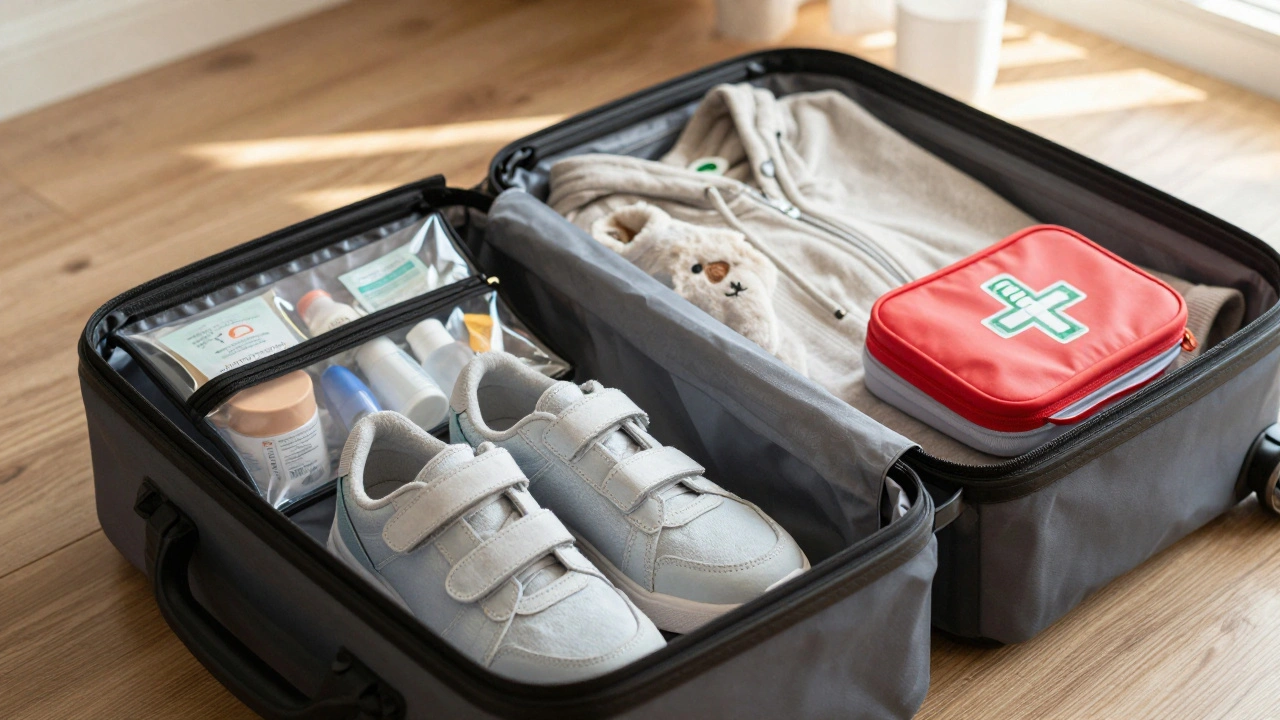
- Clothing: Stick to layers. Temperatures vary wildly between planes, airports, and destinations. Zip-up hoodies are better than pullovers because they’re easier to put on and take off without fully undressing.
- Footwear: Velcro shoes only. Laces are a disaster waiting to happen. Closed-toe sneakers protect little feet during active exploration.
- Toiletries: Bring familiar brands. A new shampoo or soap can cause sensory overload. Pack small samples in a clear bag to save space and meet security requirements.
- Comfort Items: One beloved stuffed animal or blanket is non-negotiable. This is their security anchor. If it gets lost, the trip is over.
Don’t forget a first aid kit tailored for kids. Include infant acetaminophen, band-aids, antihistamines for allergies, and any prescription meds. Keep these in your personal item, never in checked luggage. If your bags get delayed, you’ll be glad you have them.
Mastering the Airport Experience
Airports are sensory nightmares for young children. Loud announcements, bright lights, and endless walking create fatigue quickly. Here is how to navigate the terminal without losing your mind.
First, arrive early. Not just early enough to make the flight, but early enough to walk around. Let your toddler burn energy before you sit down for hours. Find a gate area with open space and let them run while you watch from a distance. This simple act can prevent major meltdowns later.
Second, manage hunger proactively. Airport food is expensive and often unhealthy. Pack high-protein snacks like cheese sticks, nuts (if age-appropriate), or beef jerky. Avoid sugary treats right before boarding, as the sugar crash will hit mid-flight. Instead, save those for the descent when ear pressure builds.
Third, use noise-canceling headphones. Many toddlers find airplane engines overwhelming. Lightweight, child-sized noise-canceling headphones can reduce anxiety and help them sleep. If you don’t have specific ones, regular earplugs designed for infants work surprisingly well.
| Item | Why It Matters | Pro Tip |
|---|---|---|
| Change of Clothes | Spills happen. Vomiting happens. | Put it in a separate zip-lock bag at the top of your bag. |
| Familiar Snack | Comfort food reduces stress. | Bring something messy-free like applesauce pouches. |
| New Toy | Novelty captures attention longer. | Keep it wrapped until boarding. Unwrapping is entertainment. |
| Wet Wipes | Clean hands and surfaces. | Use them to wipe down tray tables before eating. |
Keeping Them Entertained Without Screens
We all love screen time. It’s a lifesaver. But relying solely on tablets leads to withdrawal symptoms when the battery dies. You need a rotation of activities to keep their brains engaged. Think of entertainment in waves: quiet play, active movement, and creative engagement.
Start with low-tech options. Sticker books are magical for toddlers. They can peel and stick repeatedly for hours. Magnetic drawing boards fit easily into a diaper bag and offer endless creativity without mess. For older toddlers, simple puzzles with fewer pieces provide a sense of accomplishment.
If you’re stuck in a car or train, try "I Spy" games adapted for their level. "Find something red." "Find a dog." These games encourage observation and interaction rather than passive staring out the window. Sing songs together. Make up silly stories about the clouds passing by. Engagement is more powerful than distraction.
When screens are necessary, choose content wisely. Educational apps that require tapping and swiping are better than fast-paced cartoons that overstimulate. Limit screen time to 20-minute intervals to protect their eyes and maintain interest in other activities.
Sleep Strategies for Different Time Zones
Sleep deprivation is the enemy of happy parenting. When traveling across time zones, your toddler’s body clock is confused. You need to help reset it gradually.
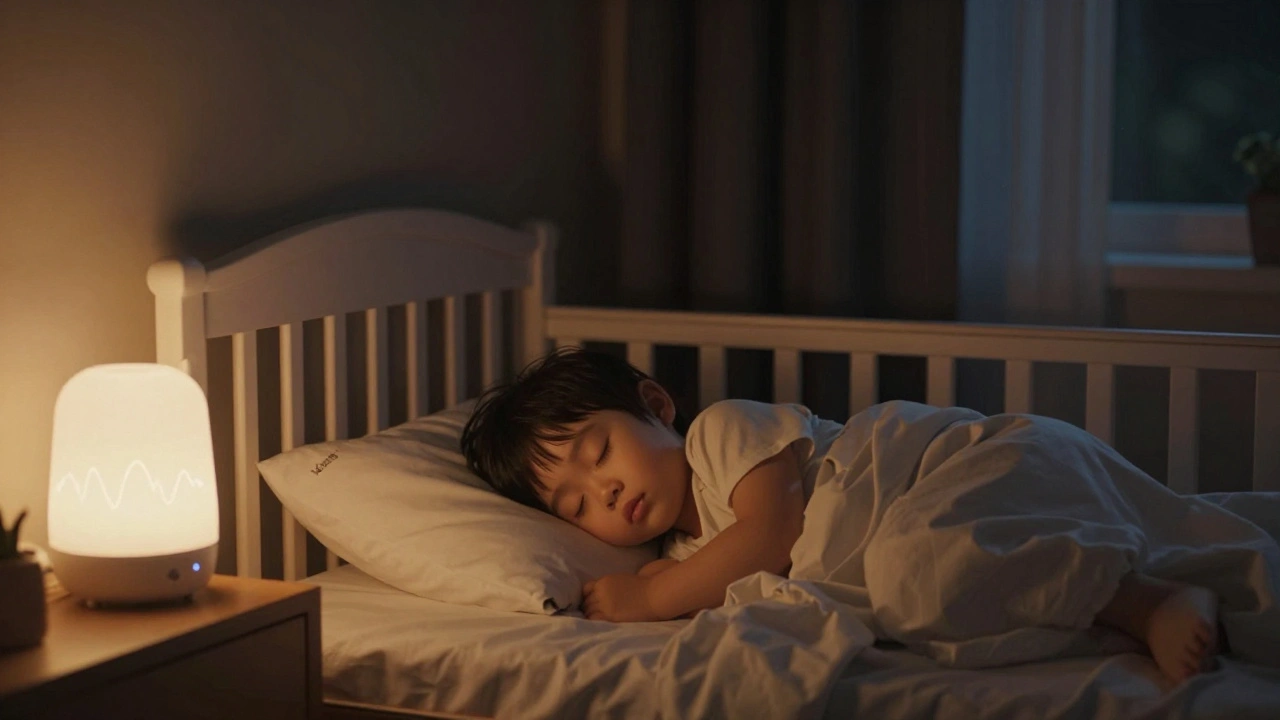
If traveling eastward, wake your child up earlier each morning leading up to the trip. If traveling westward, push bedtime slightly later. On the day of travel, aim for the destination’s schedule as soon as possible. Even if they’re not tired, put them in their crib or hotel bed at local bedtime. Darkness and white noise machines help signal sleep time regardless of the sun outside.
For short trips, consider skipping naps entirely. It’s painful, but pushing through to nighttime can help adjust faster. For longer journeys, allow one short nap in a stroller or carrier during the day to prevent overtiredness, which makes sleeping at night harder.
Always bring a portable blackout curtain or eye mask. Hotel rooms are rarely dark enough for deep sleep. A white noise app on your phone can mimic the sound of home, blocking out unfamiliar noises like traffic or strangers talking.
Eating Out Without Tears
Dining out with a toddler can feel like a performance review. Other diners stare. Servers rush you. Your child refuses to eat. Relax. Most people understand that kids are unpredictable. Focus on making the meal low-stress.
Choose restaurants with flexible seating. Booths are great because they contain spills and give your child a sense of enclosure. Avoid places with tiny chairs or complex menus. Look for spots with kid-friendly options like plain pasta, grilled chicken, or fruit cups.
Bring your own utensils and sippy cup if your child is particular. Familiar tools make eating easier. Don’t force them to finish everything. Hunger cues vary when traveling due to activity levels and excitement. Just ensure they drink plenty of water throughout the day.
If they refuse to eat, don’t panic. Offer a snack later. Toddlers are resilient. Missing one meal won’t harm them. Keeping the mood light prevents power struggles that ruin the evening for everyone.
Handling Meltdowns Gracefully
Meltdowns will happen. No amount of preparation eliminates them completely. What matters is how you respond. Stay calm. Your anxiety fuels their distress. Speak softly. Validate their feelings. "I know you’re sad we can’t buy that toy. It’s okay to be upset."
Move to a quiet spot if possible. Crowds intensify embarrassment and agitation. A bathroom stall or hallway corner offers privacy. Hold them close. Physical touch releases oxytocin, calming both of you. Wait for the storm to pass before reasoning with them.
Afterward, debrief briefly. "That was a big feeling. Next time, we can take deep breaths together." Reinforce positive coping strategies without shaming them for the outburst. Consistency builds trust and resilience over time.
Choosing Family-Friendly Destinations
Not all destinations are created equal for toddlers. Some cities are walker-friendly with parks nearby. Others require constant driving and offer few breaks. Research ahead of time.
Look for hotels with connecting rooms or suites. Separate spaces allow for quiet time and independent play. Beach resorts often have shallow pools and sand areas perfect for digging. National parks with easy trails offer fresh air and natural wonder without strenuous hiking.
Avoid overly touristy hubs during peak seasons. Crowds increase stress and reduce mobility. Shoulder season travel provides cooler weather, shorter lines, and more relaxed pacing. Flexibility in your itinerary allows you to pivot when your child needs rest.
What is the best age to travel with a toddler?
There is no perfect age, but many parents find 18 months to 3 years manageable. At this stage, children are mobile but still adaptable. They can communicate basic needs and enjoy simple activities. Younger babies require more physical care, while older preschoolers may resist routines more strongly.
How do I handle jet lag with a toddler?
Adjust gradually before departure. Shift wake and sleep times by 15-30 minutes daily toward the destination schedule. Upon arrival, expose your child to natural daylight during their new daytime hours. Keep activities engaging during the day and enforce strict bedtime routines at night.
Can I bring baby formula on a plane?
Yes, the TSA allows reasonable amounts of baby formula, breast milk, and juice in carry-on bags. Declare these items at security screening. They may undergo additional testing, such as X-ray or vapor analysis, but you do not need to consume them in front of officers.
What should I do if my toddler loses their favorite toy?
Stay calm and search immediately. Check seats, overhead bins, and nearby trash cans. If lost at an airport, contact lost-and-found services promptly. Have a backup comfort item ready. Replacing the exact toy later via mail can restore trust and ease future anxiety.
Is it worth flying first class with a toddler?
For long-haul international flights, yes. Extra space reduces confinement stress. Quieter cabins mean less stimulation. Priority boarding gives you time to settle in without rushing. For short domestic hops, standard economy is usually sufficient if you pack smart distractions.