Traveling With Kids: Real Tips From Moms Who’ve Done It
 May, 7 2026
Let’s be honest: the idea of a peaceful beach vacation usually shatters the moment you realize you have to pack three suitcases, two diaper bags, and enough snacks to feed a small army. Traveling with kids is less about relaxation and more about logistics, patience, and hoping everyone sleeps on the plane. But here is the good news-it gets easier, and it can actually be fun if you stop trying to make it look like a magazine cover.
Ditch the Perfect Itinerary
The biggest mistake new family travelers make is planning every hour of their trip. You might want to see five museums, eat at three famous restaurants, and swim in two different pools. Your four-year-old wants to see one fountain and eat ice cream. Guess who wins? The kid. When you are planning a family vacation, build your schedule around energy levels, not landmarks. Limit yourself to one major activity per day. If that activity ends early, great-you have time to lounge by the pool or just walk around the hotel lobby. If it runs late, you aren’t behind schedule because there was nothing else planned anyway.
Moms who travel frequently swear by the "one big thing" rule. It reduces decision fatigue for you and prevents meltdowns for your children. Remember, the goal is shared experiences, not checking boxes on a tourist list.
Packing Smart vs. Packing Heavy
You do not need to pack a week’s worth of outfits for each child. In fact, overpacking is a trap. Laundry exists, even in hotels. Most accommodations offer laundry services or have machines in the basement. Pack three to four days’ worth of clothes for each person, including underwear and socks. If you are staying longer, bring a small bag of clean underwear as a buffer, but leave the rest at home.
| Category | Must-Haves | Leave at Home |
|---|---|---|
| Clothing | Comfortable shoes, layers, sleepwear | Fancy outfits, multiple pairs of jeans |
| Toiletries | Diaper rash cream, sunscreen, bandaids | Full-size shampoo bottles (buy local) |
| Entertainment | Tablets, coloring books, stickers | Heavy board games, large toys |
| Safety | Child ID cards, basic first aid kit | Extra car seats (rent locally) |
Focus on comfort. Shoes should be slip-on or velcro. Sandals with straps fall off constantly. Jeans are restrictive and take forever to pull up for bathroom breaks. Opt for elastic-waist pants and breathable fabrics. Also, never underestimate the power of a fresh pair of socks. Wet feet lead to grumpy kids, and grumpy kids lead to ruined trips.
Navigating Airports Without Losing Your Mind
Airports are chaotic. For adults, it’s an inconvenience. For kids, it’s a sensory overload of loud announcements, long lines, and confined spaces. To survive the journey, you need strategy. First, check in online and get your boarding passes before you arrive at the airport. This saves time at the counter. Second, consider paying for priority security lanes if available. Standing in line for forty-five minutes with a toddler who needs to pee is a recipe for disaster.
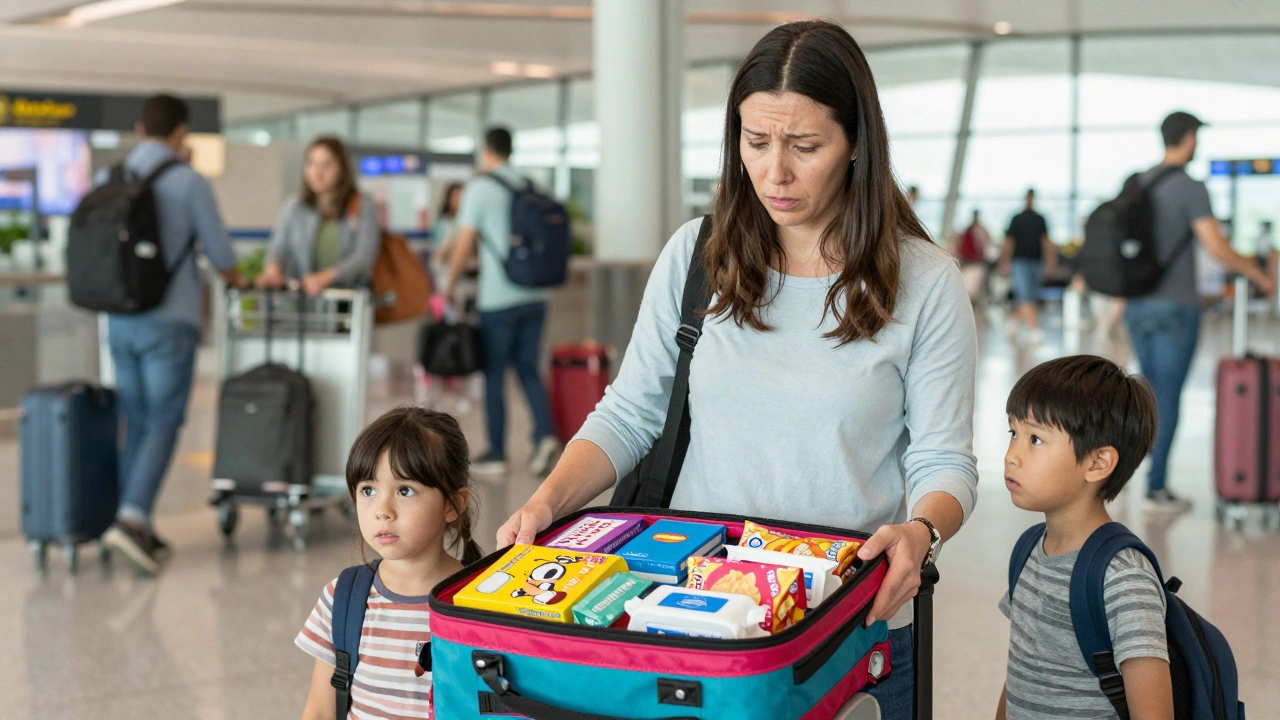
Bring a "travel bin." This is a dedicated bag containing only items for the flight itself: snacks, wipes, a change of shirt, headphones, and a tablet loaded with new shows. Do not bury these essentials under heavy coats in your main carry-on. When the plane lands and everyone rushes to get their bags, you’ll be ready to go immediately.
If you are flying internationally, remember jet lag is real. Try to adjust your child’s sleep schedule by an hour or two each day leading up to the trip. On the flight, keep them awake during daylight hours at your destination, even if they are tired. It will help them fall asleep at a reasonable time once you land.

Food Strategies That Actually Work
Hungry kids are angry kids. Never rely solely on restaurant food when traveling with young children. Restaurants often have limited options, slow service, and prices that make you wince. Always carry a stash of familiar snacks. Granola bars, crackers, fruit pouches, and cheese sticks are your best friends. These aren’t just for emergencies; they are for maintaining blood sugar levels between meals.
When dining out, order something simple for the kids-pizza, pasta, or chicken fingers-and share an adult dish among yourselves. It speeds up the meal and reduces waste. If you are in a place where street food is common, stick to vendors with high turnover. Freshly cooked food served hot is generally safe. Avoid pre-cut fruits or salads left out in the sun.
Hydration is key. Dehydration causes headaches and irritability. Carry reusable water bottles and refill them frequently. Many airports and public places have water filtration stations now, making this easier than ever.
Handling Meltdowns Gracefully
It happens. Even the best-behaved child will eventually throw a fit in a quiet museum or a crowded train station. The trick is not to prevent it entirely, but to manage it without embarrassment. Acknowledge their feelings. "I know you’re tired and you wanted to stay longer. It’s okay to be sad." Validate their emotion, then redirect. "Let’s go find a quiet corner to sit for five minutes, and then we can get some juice."">
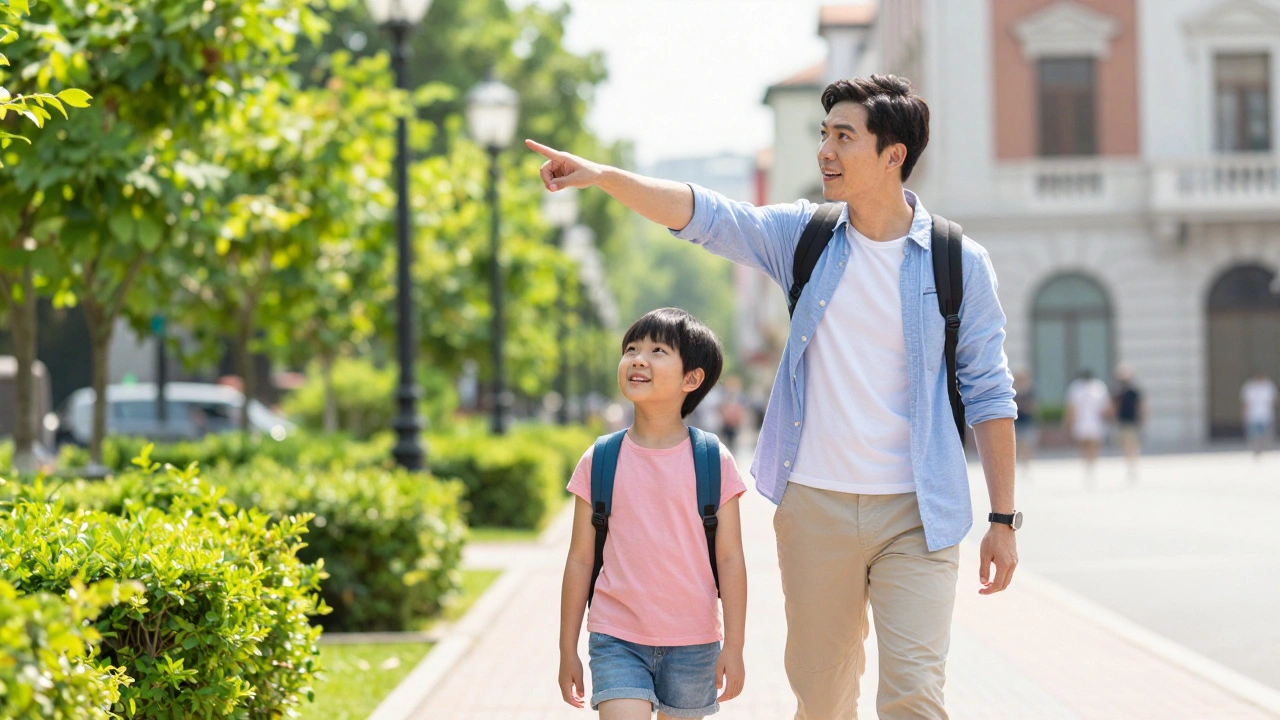
Avoid negotiating in public. It rarely works and draws more attention to the scene. Instead, use distraction techniques. Point out something interesting-a dog, a colorful building, a cloud shape. Sometimes, simply leaving the environment helps. Step outside for fresh air. A change of scenery can reset a child’s mood faster than any bribe.
Remember, other parents understand. They have been there too. Most people will ignore you or offer sympathetic smiles. Don’t let shame dictate your actions. Handle it calmly, safely, and move on.
Choosing Accommodation Wisely
Your hotel room is your base camp. Choose it carefully. Location matters more than luxury. Stay close to your main attractions to minimize transit time. Walking distance is ideal, especially with strollers. If you must drive, ensure the parking is convenient and secure.
Look for amenities that simplify life. A kitchenette allows you to prepare simple breakfasts and store snacks. A washer and dryer save money and effort. A pool provides free entertainment for hours. Some families prefer vacation rentals over hotels because they offer separate sleeping areas and more space. However, hotels often provide concierge services and housekeeping, which can be lifesavers when you’re exhausted.
Read reviews specifically from other families. Look for comments about noise levels, bed quality, and safety features. A crib or rollaway bed might be necessary, so book early to ensure availability.
Staying Connected and Safe
Safety is paramount. Teach older children to memorize your phone number and name. For younger ones, carry ID cards with your contact information in their pockets or shoes. Use temporary tattoos with your number for extra security in crowded places.
Establish a meeting point in case you get separated. Choose something obvious, like a specific statue or information kiosk. Practice this scenario with your kids beforehand. It sounds scary, but preparation reduces anxiety for everyone.
Keep digital copies of important documents-passports, visas, insurance cards-in a secure cloud folder accessible from your phone. If physical documents are lost or stolen, having digital backups speeds up replacement processes significantly.
What is the best age to start traveling with kids?
There is no perfect age, but many parents find infancy surprisingly easy because babies sleep a lot and don’t require constant stimulation. Toddlers present more challenges due to mobility and tantrums, but preschoolers (ages 3-5) often enjoy exploring new environments. Ultimately, it depends on your family’s flexibility and your child’s temperament.
How do I handle jet lag with young children?
Adjust sleep schedules gradually before departure. During the flight, keep kids awake during daylight hours at your destination. Once you arrive, expose them to natural light to reset their internal clocks. Stick to regular meal times and bedtime routines as much as possible to provide structure.
Is it cheaper to fly with kids or drive?
It depends on distance and group size. Flying is often faster and less stressful for long distances, but tickets can add up quickly. Driving offers flexibility and lower costs for fuel and food, but requires more time and energy. Calculate total costs including accommodation, meals, and potential rental fees to decide what works best for your budget.
What should I do if my child gets sick while traveling?
Carry a basic first aid kit with fever reducers, bandages, and antihistamines. Know the location of nearby clinics or hospitals. Contact your travel insurance provider immediately for guidance. Rest and hydration are crucial. If symptoms persist or worsen, seek professional medical attention without delay.
How can I keep kids entertained during long car rides?
Rotate activities to maintain interest. Use tablets with downloaded content, audiobooks, and podcasts. Bring quiet toys like magnetic tiles or sticker books. Plan frequent stops every two to three hours for stretching and bathroom breaks. Involve kids in navigation by letting them read maps or spot landmarks.