Traveling on Your Period: Real Solutions, Products, and Packing Hacks
 May, 26 2026
Imagine standing in the queue for a flight to Bali or hiking up a mountain trail, only to realize your period has started. The panic is real. You’re far from home, supplies are limited, and you just want to enjoy the trip without worrying about leaks or pain. Traveling during menstruation doesn’t have to be a disaster. With the right preparation and knowledge of effective menstrual products, you can stay comfortable, confident, and focused on your adventure.
The Ultimate Packing Strategy for Menstrual Travel
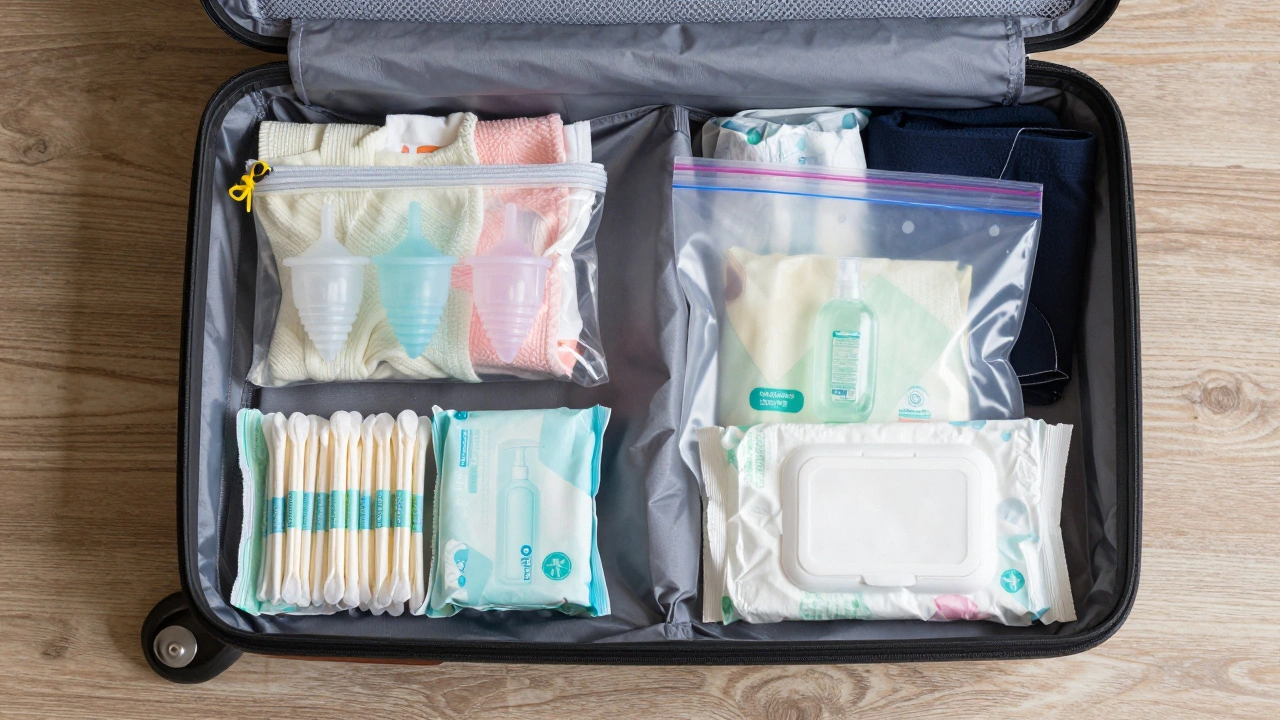
The golden rule of traveling on your period is redundancy. Never pack just enough; pack more than you think you need. Accidents happen, flights get delayed, and finding specific brands in foreign countries can be a nightmare. Start by calculating your expected flow days and add three extra days' worth of supplies. This buffer accounts for unexpected changes in your cycle or extended trips.
Distribute your supplies across different bags. Keep a primary stash in your checked luggage or main suitcase, but always carry a backup kit in your carry-on or daypack. If your main bag gets lost or is inaccessible, you won’t be stranded. Include a small waterproof pouch for used items if you don't have immediate access to trash bins. This simple organizational habit saves stress and keeps things hygienic.
- Primary Kit: Full supply of pads, tampons, or cups for the entire trip duration plus extras.
- Emergency Kit: Two tampons, one pad, and a pair of dark underwear in your purse or backpack.
- Clean-Up Essentials: Wet wipes, hand sanitizer, and small plastic bags for disposal.
Choosing the Right Menstrual Products for Travel
Selecting the best product depends heavily on your itinerary. Are you swimming in the ocean? Hiking for hours? Stuck in a long-haul flight? Each scenario demands a different approach. Traditional pads and tampons are reliable, but they take up space and generate waste. For travelers looking for discretion and efficiency, reusable options often win out.
| Product Type | Best For | Pros | Cons |
|---|---|---|---|
| Menstrual Cup | Swimming, hiking, long flights | Reusable, holds more fluid, leak-proof seal | Learning curve, requires cleaning access |
| Tampons | General use, swimming | Discreet, easy to dispose of, widely available | Can dry out, risk of TSS if left too long |
| Pads | Sedentary activities, heavy flow nights | Easy to use, no insertion required | Bulky, can bunch up, visible under tight clothes |
| Period Underwear | Backup protection, light flow days | Eco-friendly, comfortable, leak-resistant | Expensive upfront, needs washing |
Menstrual cups are a game-changer for active travelers. They hold up to three times more fluid than tampons and can be worn for up to 12 hours. This means fewer bathroom breaks and less worry about leaks during a busy sightseeing day. However, you need access to clean water for rinsing. If you're camping or in areas with poor sanitation, disposable liners or period underwear might be safer bets.

Managing Cramps and Pain While Away From Home
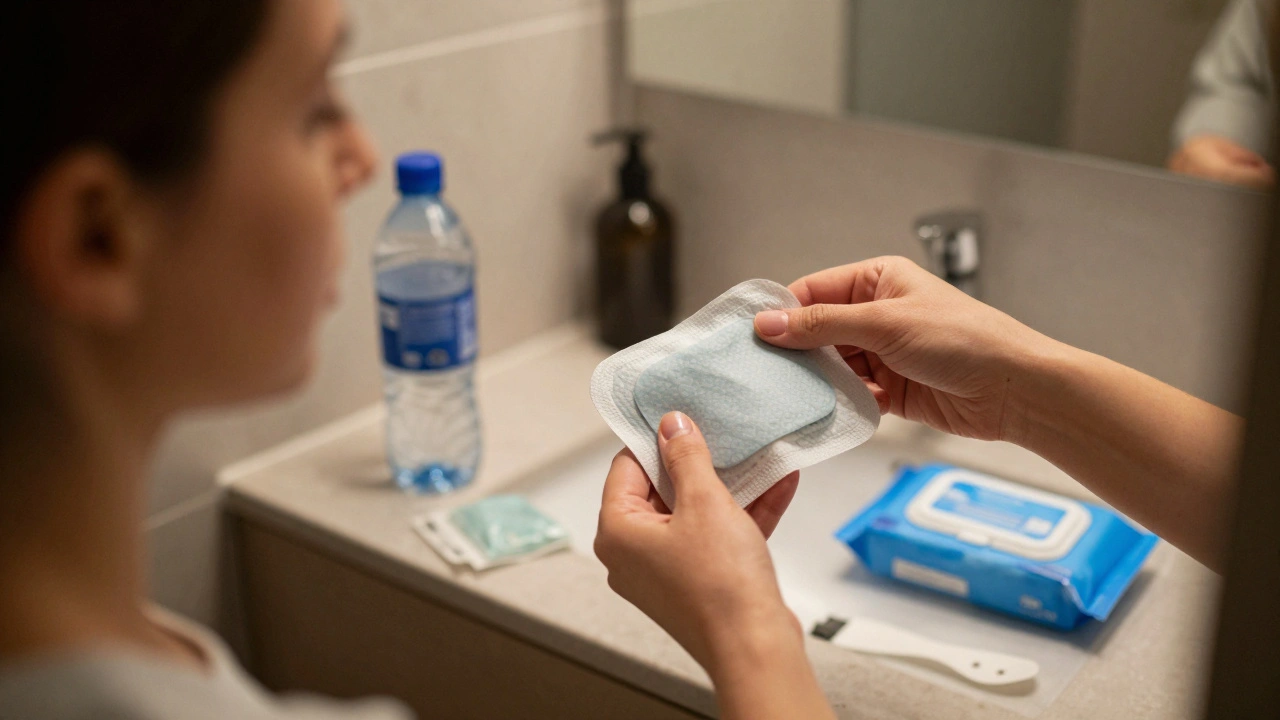
Pain management is crucial when you can't just crawl back into bed. Over-the-counter anti-inflammatories like ibuprofen are effective, but they require food and water. Pack a small bottle of pills and consider taking them at the first sign of discomfort rather than waiting for the pain to peak. Heat therapy is another powerful tool. A portable heat patch that sticks to your underwear provides relief for hours without needing electricity or water. These patches are lightweight and fit easily into any pocket.
Don't underestimate the power of movement. Gentle stretching or walking can alleviate cramping by improving blood flow. If you're stuck on a plane, do seated stretches every hour. Hydration also plays a significant role; dehydration worsens cramps. Drink plenty of water throughout the day, even if it means frequent bathroom visits. Avoid excessive caffeine and salty foods, which can increase bloating and discomfort.
Navigating Bathroom Logistics in Different Destinations
Bathroom infrastructure varies wildly around the world. In some European cities, public toilets charge a fee and may not have hooks or shelves. In rural areas, facilities might be basic pit latrines. Always check local customs regarding disposal. In many parts of Asia and Africa, flushing sanitary products clogs the plumbing. You must dispose of them in designated bins. Carry a small container or ziplock bag to store used products until you find a proper disposal point.
For female travelers, knowing how to handle emergencies is vital. If you run out of supplies, look for pharmacies or supermarkets. In countries where English isn't spoken, save a translation phrase for "tampons" or "sanitary pads." Some apps allow offline translation, which can be lifesavers. Alternatively, natural absorbents like clean cotton cloth can serve as temporary pads in extreme situations, though this should be a last resort due to hygiene concerns.
Hygiene and Disposal Best Practices
Maintaining hygiene while traveling requires a bit of planning. When using a menstrual cup, you'll need to empty and rinse it regularly. If clean water is scarce, use wet wipes designed for intimate care to clean the cup before reinsertion. Always wash your hands thoroughly before and after handling any menstrual product. Hand sanitizer works well if soap and water aren't available.
Disposing of used products discreetly is part of the travel experience. Use small, odor-proof bags to wrap used tampons or pads before throwing them away. This prevents odors and maintains dignity in shared spaces like hostels or buses. If you're using period underwear, roll them up tightly and place them in a separate waterproof bag until you can wash them. Many hotels offer laundry services, or you can hand-wash them in a sink with mild soap.
Dealing with Unexpected Cycle Changes
Stress, jet lag, and changes in routine can shift your period earlier or later. It's common for your cycle to react to the excitement or exhaustion of travel. Be prepared for both scenarios. If your period arrives early, your emergency kit will save you. If it's late, relax-stress can delay ovulation. Track your cycle using a smartphone app before you leave so you know what to expect. Adjust your packing list based on recent trends rather than averages.
If you experience unusually heavy bleeding or severe pain that differs from your normal pattern, seek medical attention. Travel insurance often covers health emergencies, so keep your policy details handy. Knowing the location of nearby clinics or hospitals in your destination adds an extra layer of security. Most major tourist destinations have English-speaking medical staff who can assist with acute issues.
Can I swim with a tampon or menstrual cup?
Yes, both tampons and menstrual cups are safe for swimming. They create a seal inside the vagina that prevents water from entering and blood from leaking out. Just remember to change your tampon or empty your cup soon after getting out of the water to maintain hygiene.
What should I do if I can't find tampons abroad?
If you can't find tampons, look for sanitary pads or panty liners. In a pinch, clean cotton fabric folded into a pad shape can work temporarily. Visit local pharmacies or large supermarkets, as smaller convenience stores may not stock these items. Learning the local word for "tampons" helps significantly.
Is it safe to use a menstrual cup on a long flight?
Absolutely. Menstrual cups are ideal for long flights because they can be worn for up to 12 hours. This reduces the need for frequent bathroom trips. Ensure you insert it correctly to form a seal, and empty it before landing if possible to avoid discomfort during takeoff and landing pressure changes.
How do I manage period cramps without medication?
Try applying heat with a portable heat patch or warm water bottle. Gentle stretching, yoga poses like child's pose, and walking can relieve tension. Stay hydrated and avoid salty foods to reduce bloating. Acupressure points on the wrist and inner thigh may also provide natural pain relief.
Should I bring my own toilet paper when traveling?
In many parts of the world, public restrooms do not provide toilet paper. Carrying a small pack of tissues or wet wipes is highly recommended. Wet wipes are especially useful for cleaning up after using menstrual products and maintaining personal hygiene when facilities are basic.