Travel Scams Women Should Know: How to Spot and Avoid Them
 Aug, 17 2026
Picture this: You’re in a vibrant city, camera in hand, trying to find the perfect photo spot. A friendly local approaches, points out a "secret" street market, and offers to be your guide for a small fee. It sounds harmless, right? But within an hour, you’ve been led to a shop where prices are tripled, or worse, your wallet is lighter than when you started. Travel scams are deceptive practices targeting tourists to extract money through false promises, hidden fees, or social manipulation. While anyone can fall victim, women traveling alone or with friends often face specific tactics that exploit trust and politeness.
You don’t need to become paranoid to stay safe. You just need to know what’s coming. Most scams rely on speed, pressure, and a smile. If you recognize the pattern, the charm loses its power. Here is how to keep your wallet full and your trip stress-free.
The Psychology Behind Targeting Women
Scammers aren’t random; they’re strategic. They look for targets who seem open, polite, or slightly lost. Women are often targeted because scammers assume we are more likely to accept help from a stranger to avoid conflict. This isn’t about being vulnerable; it’s about being perceived as approachable.
Consider the "friendly guide" scenario again. The scammer doesn’t start by asking for money. They start by offering value. This builds a micro-trust. Once you say yes to the first small favor, the second request feels less intrusive. Breaking this cycle means questioning the timing. Why is this person so helpful? Why now? Trust your gut. If something feels too good to be true, it usually is.
Top Travel Scams to Watch Out For
Certain tricks appear across continents, from Bangkok to Barcelona. Knowing the common scripts helps you spot them instantly.
- The Petition Signature: Someone hands you a clipboard with a petition. You sign it. Suddenly, they ask for a donation or point to a nearby jewelry store. The signature was just a way to stop you and make eye contact.
- The Bracelet of Friendship: A child or elder ties a colorful bracelet around your wrist. It’s "traditional." Now, you feel obligated to pay. In many places, the price is not fixed until after you agree to buy.
- The Fake Taxi Meter: The driver says the meter is broken. They quote a flat rate that is five times the actual cost. Or, they take a long route to justify the high fare.
- The Coin Switch: You pay for coffee. The barista gives you change. As you count it, a stranger bumps into you. When you check your pocket later, the large bills are gone, replaced by coins. The bump was part of the act.
- The Overpriced Souvenir Shop: A "local" recommends a specific store for authentic crafts. Inside, prices are marked in a currency you don’t use, or the exchange rate is wildly off. There is no return policy.
These scams work because they bypass logic and appeal to emotion or convenience. The moment you realize the tactic, the pressure drops. You can simply say, "No thank you," and walk away. You don’t owe an explanation.
Digital Threats: Wi-Fi and Phone Risks
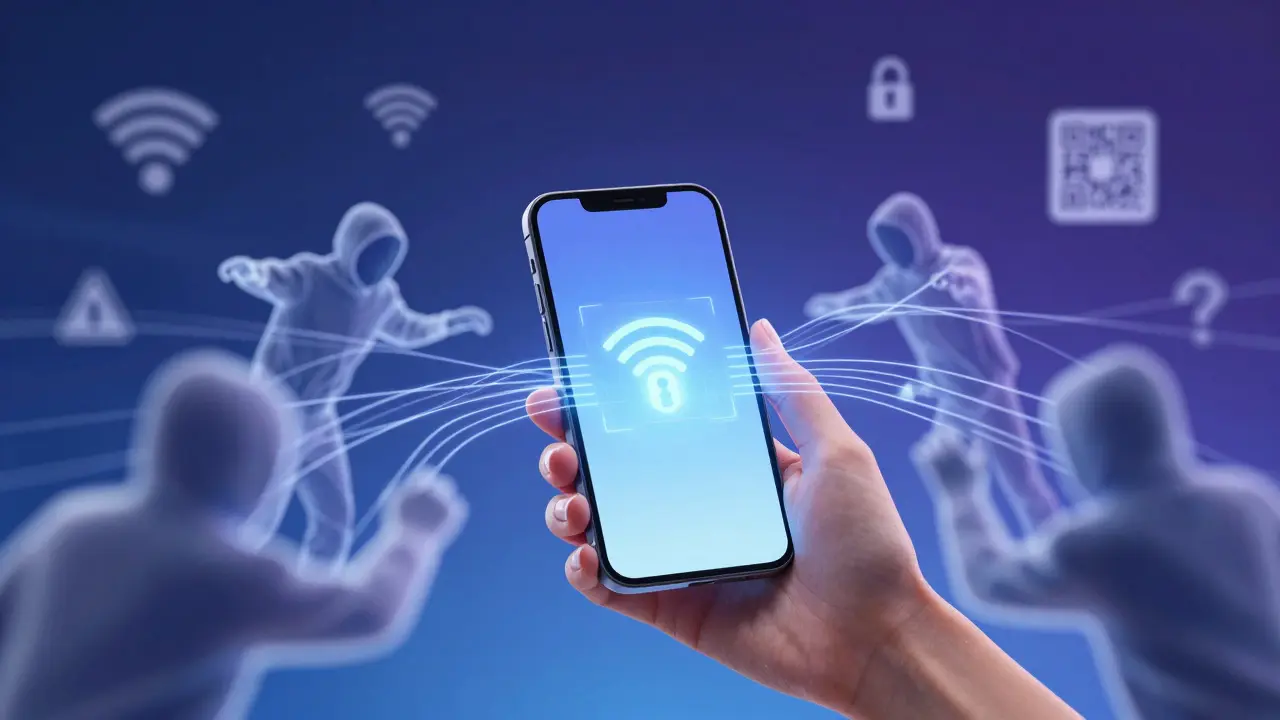
Your phone is your lifeline, but also your biggest risk. Public Wi-Fi networks are unencrypted. Connecting to free airport or hotel Wi-Fi without protection can expose your data to hackers. This is especially dangerous if you log into banking apps or email.
Then there’s the "lost phone" scam. A stranger finds your dropped phone (or pretends to). They call you back, claiming they found it. To get it back, you meet up. Sometimes it’s innocent, but sometimes it’s a setup to distract you while an accomplice picks your pocket. Always keep your phone secured in a crossbody bag or front pocket in crowded areas.
Also, watch out for QR code theft. In some cities, thieves place stickers over legitimate payment QR codes at restaurants. You scan the wrong code, and money goes straight to their account. Double-check the merchant name before paying.
Safety Strategies That Actually Work
Prevention is easier than recovery. Here are practical steps to minimize your risk without ruining your vibe.
- Research Before You Go: Check recent travel forums for specific scam reports in your destination. Local blogs often have the latest info on which neighborhoods to avoid after dark.
- Use Reputable Apps: For rides, use well-known apps like Uber or Bolt instead of hailing cabs on the street. The price is fixed, and the driver is verified.
- Keep Cash Separate: Carry a small amount of cash for daily expenses and keep the bulk of your money in a secure location, like a money belt or hotel safe. If you get pickpocketed, you lose little.
- Learn Basic Phrases: Knowing how to say "How much?" and "Is this the final price?" in the local language signals that you aren’t an easy mark. Scammers prefer targets who don’t understand the negotiation process.
- Stay Connected: Share your itinerary with a trusted friend or family member. Use apps that allow real-time location sharing. This adds a layer of accountability without restricting your freedom.
Notice how these tips focus on awareness rather than fear. You’re still exploring, eating, and meeting people. You’re just doing it with your eyes open.
What to Do If You Get Scammed
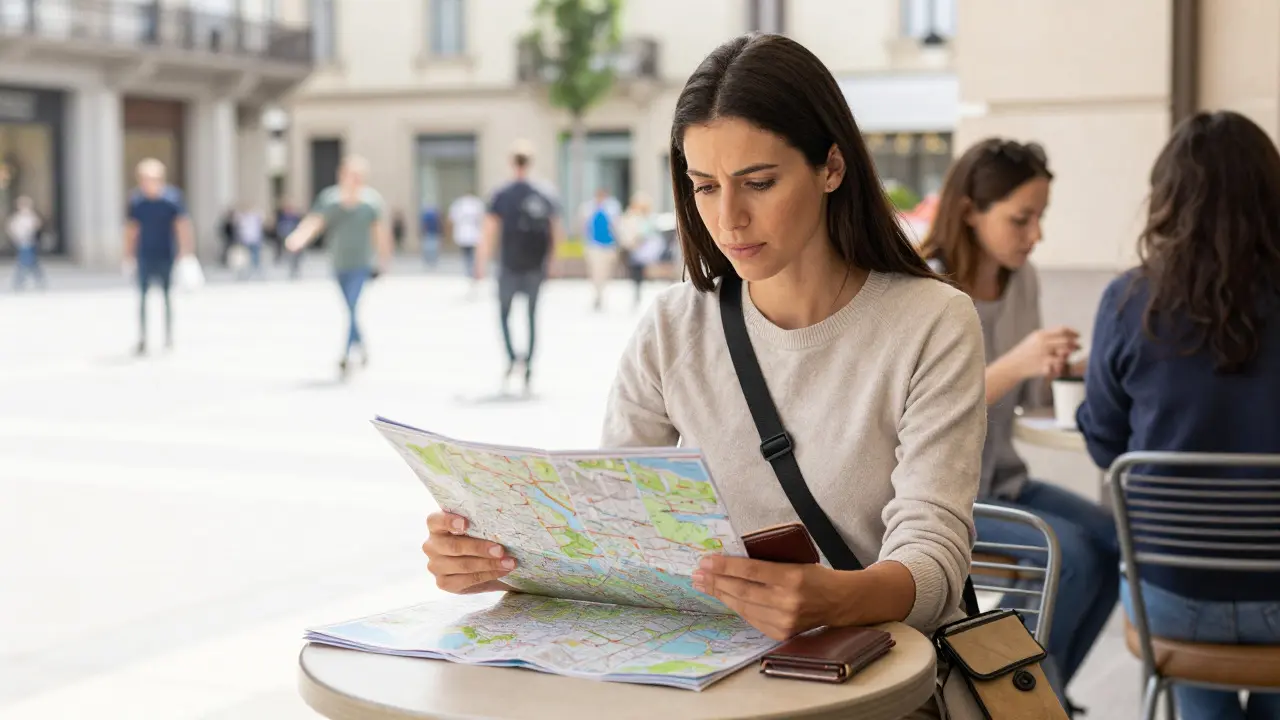
Even with precautions, things happen. If you realize you’ve been tricked, don’t panic. Panic makes you vulnerable to further exploitation.
First, assess the situation. Is it worth arguing? Often, the hassle of fighting a local scammer outweighs the loss. If you lost $10 on a fake bracelet, let it go. It’s a lesson fee. If you lost a significant amount or had your passport stolen, visit the nearest embassy or consulate immediately. They can issue emergency documents.
For credit card fraud, call your bank immediately. Most international cards offer zero liability for unauthorized charges abroad. Report the incident to local police if possible, even if they don’t speak English. A police report is useful for insurance claims and visa extensions.
Finally, debrief. Write down what happened. Was it a mistake in judgment, or pure bad luck? Adjust your strategy for the next day. Travel is about resilience, not perfection.
| Scam Type | Red Flag | Best Defense |
|---|---|---|
| Petition Signature | Stranger stops you with a clipboard | Smile and walk past quickly |
| Bracelet Tie-Off | Item placed on you without consent | Ask price before touching anything |
| Taxi Meter | Driver claims meter is broken | Use ride-hailing apps |
| QR Code Theft | Sticker looks different from others | Verify merchant name on app |
Frequently Asked Questions
Are travel scams more common in developing countries?
Not necessarily. Major cities in Europe and North America have sophisticated scams involving credit card skimming and restaurant overcharging. However, developing countries may have more street-level scams due to higher tourism density and lower enforcement. Awareness is key everywhere.
Should I always carry a copy of my passport?
Yes. Keep a digital copy in your cloud storage and a physical photocopy separate from your original. If your passport is stolen, having a copy speeds up the replacement process at the embassy significantly.
Is it safe to use public Wi-Fi for banking?
Generally, no. Public networks are unsecured. Use a mobile hotspot from your phone carrier or a private VPN if you must access sensitive accounts. Avoid logging into banking sites on public Wi-Fi unless absolutely necessary.
What should I do if a scammer threatens me?
Pay up if it’s a small amount. Your safety is more important than your money. Note the location and description of the person, then head to a police station or busy area immediately. Rarely do scammers use physical force against tourists.
Do travel insurance policies cover scam losses?
Coverage varies. Many policies cover theft but exclude "voluntary payment" to a scammer. Read your policy carefully. Some comprehensive plans include fraud protection, but it’s not standard. Always check the fine print before buying.