Theater and Musicals Online: A Streaming Guide for Women
 Nov, 23 2026
You know that feeling when the house lights dim, the overture swells, and for two hours, you are completely transported? It’s electric. But let’s be real-getting to a physical theater isn’t always easy. Between ticket prices, travel time, and the sheer logistics of getting ready, sometimes you just want to experience the magic from your couch in sweatpants. That is exactly where theater streaming comes in. It has evolved from grainy webcam recordings to high-definition, multi-camera productions that capture every tear, every dance step, and every nuanced expression of the cast. For many women, these platforms offer more than just entertainment; they provide access to stories centered on female resilience, complex relationships, and artistic expression that mainstream cinema often overlooks.
This guide cuts through the noise. We aren't just listing apps; we are mapping out how to find the best musicals online that resonate with your specific tastes. Whether you are looking for the high-energy spectacle of a Broadway digital hit or an intimate indie play filmed in a black-box theater, there is a platform tailored to you. Let’s break down the landscape so you can spend less time searching and more time watching.
Key Takeaways
- Pick Your Platform: Choose between free public domain archives, subscription services like BroadwayHD, or rental models for new releases.
- Know the Formats: Understand the difference between live broadcasts, filmed-for-TV adaptations, and archival recordings to manage expectations on audio and visual quality.
- Support the Arts: Many niche platforms directly fund theaters and actors, making your viewing habit a form of patronage.
- Create Rituals: Treat streaming theater like a night out-set the mood, invite friends, and engage with the performance rather than scrolling through your phone.
The Big Players: Subscription Services Worth Your Money
If you want consistency and a massive library, subscription models are the way to go. The most prominent name here is BroadwayHD. Think of it as the Netflix for stage performances, but specifically curated for the theatrical community. It launched in 2015 and has since amassed a library of over 600 titles. This includes everything from classic revivals of Cats and A Chorus Line to newer hits like Six and Hadestown.
Why do women love this platform? Because it prioritizes diversity in casting and storytelling. You will see productions featuring all-female casts, LGBTQ+ narratives, and stories written by women directors. The interface is clean, and the video quality is generally excellent, though keep in mind that some older archival footage might look softer than modern 4K films. If you are a superfan, the annual subscription pays for itself after just three viewings compared to buying individual tickets. Plus, they frequently release exclusive behind-the-scenes documentaries, giving you insight into the creative process that you would never get at a live show.
Another contender is Marquee TV. While it leans heavily into opera and ballet, its selection of musicals and plays is robust and visually stunning. Marquee TV focuses on high-art productions from major international venues like the Royal Opera House and the National Theatre in London. If you appreciate the technical brilliance of stagecraft-the lighting, the set design, the orchestral arrangements-this is your home base. It feels less like watching a movie and more like attending a gala event. The pricing is competitive, often bundling with other arts subscriptions, which makes it a smart choice if you also enjoy classical music or dance.
Free and Public Domain Gems
You don’t always need to pay to play. Some of the most powerful performances in history are available for free, thanks to public domain laws and generous institutional archives. The Internet Archive is a treasure trove here. You can find recordings of early television broadcasts of plays, experimental theater pieces, and even amateur productions that have surprising emotional depth. It requires a bit of digging because the user interface isn't as polished as a commercial app, but the content is raw and authentic.
For something more curated, check out Public Theater Archives. New York’s Public Theater has made significant portions of their history available online. These aren't just random clips; they are documented productions that shaped American theater. Watching these gives you a historical perspective on how gender roles and social issues have been portrayed on stage over the decades. It’s educational, inspiring, and completely free. You might stumble upon a forgotten gem from the 1970s that speaks directly to current events, proving that good art truly stands the test of time.
| Platform | Best For | Cost Model | Content Focus |
|---|---|---|---|
| BroadwayHD | Hardcore musical fans & Broadway buffs | Subscription ($12.99/mo) | Commercial Broadway, Off-Broadway, Concerts |
| Marquee TV | Arts enthusiasts & opera lovers | Subscription ($13.99/mo) | Opera, Ballet, Classical Music, High-End Plays |
| Neon Flex | Indie & Experimental theater | Rental/Purchase | New works, fringe festivals, diverse voices |
| Internet Archive | History buffs & budget viewers | Free | Archival footage, public domain, student works |
How to Spot Quality Productions
Not all stage performances translate well to a screen. There is a big difference between a "pro-shot" and a simple recording. A pro-shot involves multiple cameras, professional editing, and sound mixing designed specifically for home viewing. Shows like Hamilton on Disney+ are prime examples of this. They use close-ups to capture intimacy that you would miss from the nosebleed seats in a theater.
On the flip side, archival recordings are often single-camera setups meant for documentation, not entertainment. The audio might be unbalanced, and the angles can be static. When browsing catalogs, look for keywords like "Pro-Shot," "Filmed for Television," or "High Definition Broadcast." If you see "Live Stream Recording," expect a more raw experience. It can still be magical, especially if the energy of the live audience is palpable, but it won't have the polish of a cinematic adaptation. For women seeking emotional connection, pro-shots often allow for a deeper engagement with the actors' facial expressions, which is crucial in dramatic monologues or subtle comedic timing.
Curating Your Watch List: Themes That Resonate
With thousands of options, decision paralysis is real. To make it easier, focus on themes. Many women turn to theater for stories about sisterhood, mother-daughter dynamics, career struggles, and romantic complexity. Search for tags like "Female-Led," "Feminist Theater," or "Queer Stories." Platforms like Lucky Stiff or specialized film festivals often highlight these categories explicitly.
Consider building a thematic marathon. One weekend, watch a series of musicals featuring strong female protagonists who defy societal norms, such as Fun Home, Waitress, and Dear Evan Hansen (from a supportive friend perspective). Another weekend, dive into tragedies that explore grief and loss, like Eurydice or Next to Normal. This approach transforms passive watching into an active exploration of human emotion. You start seeing patterns in how women are portrayed on stage versus how they are portrayed in Hollywood blockbusters. Spoiler alert: Stage characters tend to have more agency and interiority.
Creating the Ultimate Home Theater Experience
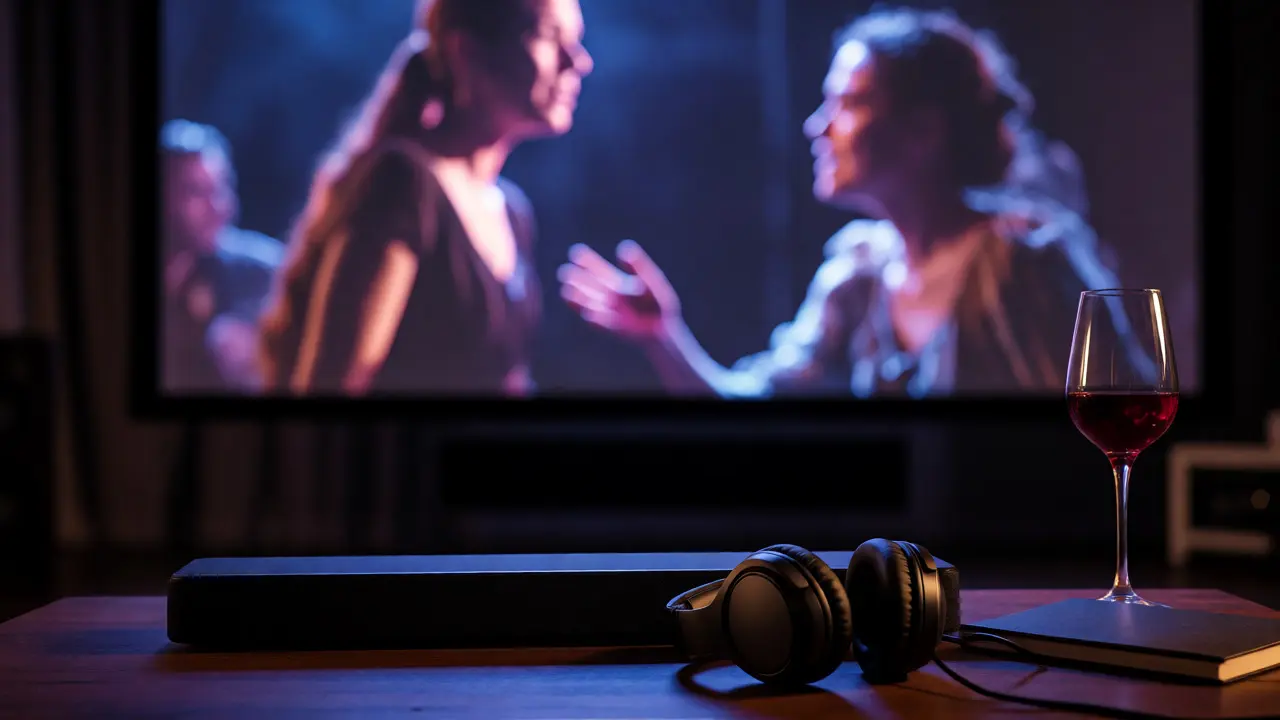
Watching a musical on a tiny laptop screen does a disservice to the production. You don't need a million-dollar setup, but small tweaks make a huge difference. First, invest in decent headphones or connect to a soundbar. Theater relies heavily on the score; hearing the lyrics clearly enhances the emotional impact. Second, dim the lights. Yes, even at home. It helps you focus and mimics the atmosphere of a darkened auditorium.
Invite others. Theater is inherently communal. Even if you are watching a solo performance, sharing the experience amplifies the joy. Host a virtual watch party using a group chat or a sync-play feature. Discuss the plot twists, the costumes, and the choreography in real-time. This social element replicates the lobby chatter you’d have at a real venue. And please, put your phone away. Unlike movies, where you might pause to grab popcorn, theater flows continuously. Pausing breaks the spell. Commit to the two-hour journey without distractions, and you’ll find yourself more immersed than ever before.
Frequently Asked Questions
Is streaming theater better than going to a live show?
Neither is strictly "better"; they serve different purposes. Live shows offer unique energy, unpredictability, and the thrill of being present. Streaming offers convenience, lower cost, and the ability to see details via close-ups that you'd miss from distant seats. Many fans enjoy both for different reasons.
Can I watch Broadway shows on Netflix?
Netflix has a limited selection of filmed stage productions, such as Hamilton, Ma Rainey's Black Bottom, and Tick, Tick... Boom!. However, for a comprehensive library of current and past Broadway hits, dedicated platforms like BroadwayHD are far superior.
Are there any free ways to watch musicals online?
Yes. The Internet Archive hosts many public domain performances. Additionally, some theaters release free streams during special events or anniversaries. YouTube also features official channels for companies like the National Theatre and various Broadway producers that post clips and full episodes occasionally.
Do I need high-speed internet for theater streaming?
A stable connection of at least 5 Mbps is recommended for HD streaming. Since theater productions often involve complex audio tracks and rapid scene changes, buffering can ruin the immersion. If your internet is spotty, download the content beforehand if the platform allows offline viewing.
Which platform is best for discovering new indie plays?
Platforms like Neon Flex and Vimeo On Demand are excellent for finding independent, off-off-Broadway, and experimental works. These sites often feature emerging playwrights and diverse voices that haven't yet made it to the commercial mainstream.