The Psychology of Celebrity Fandom: A Women’s Perspective
 Oct, 24 2026
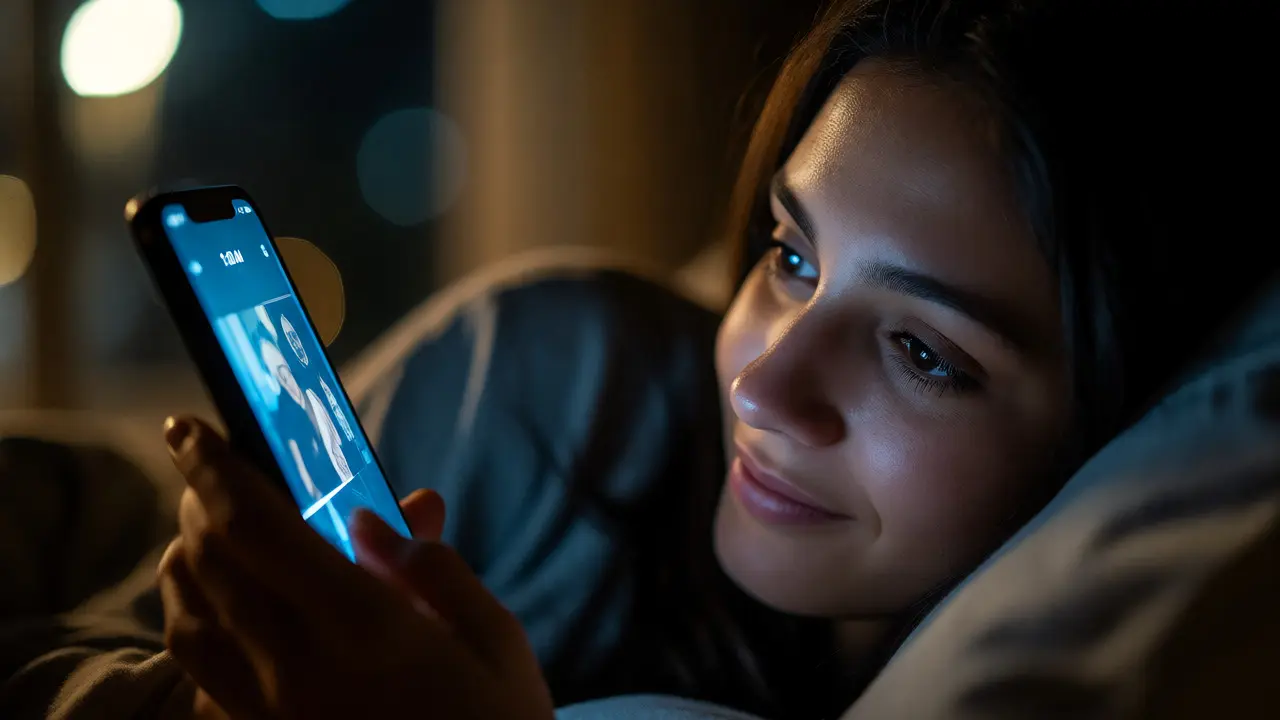
You’re scrolling through your phone at 1 a.m., watching the same TikTok clip of Timothée Chalamet or Taylor Swift for the tenth time. You feel a genuine surge of joy when they smile, and a pang of actual sadness if they look tired in an interview. Is this just harmless fun? Or is there something deeper happening in your brain that science is finally starting to map?
For decades, society dismissed women’s interest in celebrities as frivolous gossip or hysteria. But modern psychology tells a different story. Celebrity fandom is a complex psychological phenomenon involving identity formation, social bonding, and emotional regulation. It’s not just about liking a famous person; it’s about how we use these figures to navigate our own lives.
The Rise of Parasocial Relationships
The term you’ll hear most often in academic circles is parasocial relationship. Coined in 1956 by sociologists Donald Horton and R. Richard Wohl, it describes a one-sided bond where one person extends emotional energy, interest, and time, while the other party (the celebrity) is completely unaware of the other's existence. Think of it as a friendship where only one side gets to talk.
Why do women, specifically, report higher rates of intense parasocial engagement? Research suggests it’s less about "obsession" and more about social simulation. In a world where real-life social risks are high-rejection, judgment, vulnerability-a celebrity offers a safe harbor. They are consistent. They are accessible via screens but distant enough to remain idealized. This dynamic allows for emotional exploration without the threat of real-world consequences.
| Engagement Level | Psychological Driver | Behavioral Example | Emotional Outcome |
|---|---|---|---|
| Absent-Entertained | Boredom relief / Distraction | Watching a movie for plot, ignoring credits | Neutral / Mild Enjoyment |
| Intense-Personal | Identification / Role Modeling | Adopting a star’s fashion or fitness routine | Inspiration / Self-Esteem Boost |
| Borderline Pathological | Compensation / Delusion | Believing the celebrity loves you back; stalking | Anxiety / Jealousy / Depression |
Identity Construction Through Mirrors
We don’t just watch celebrities; we wear them. When you buy the lipstick Beyoncé wore or start doing Pilates because a specific influencer posted her results, you aren’t just consuming products. You are engaging in what psychologists call "reflected appraisal." We see traits we admire in a public figure-confidence, creativity, resilience-and we try to integrate those traits into our own self-concept.
This process is particularly potent during transitional life stages. For teenage girls, fandoms provide a template for adulthood. For women navigating career changes or motherhood, finding a celebrity who mirrors their current struggle validates their experience. If Jennifer Aniston is single and thriving at 50, it subtly rewires the narrative around aging and independence for millions of women. The celebrity becomes a living proof-of-concept for the life you want.

Social Bonding and Community Building
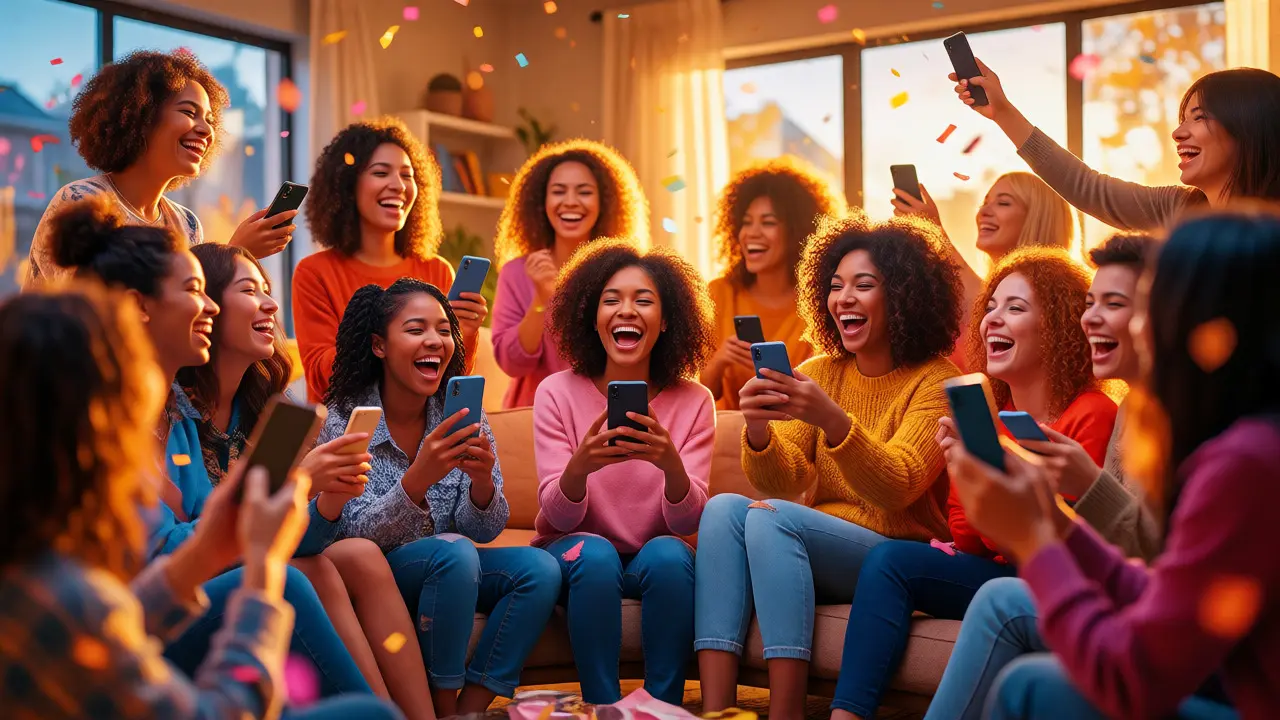
Here’s the counter-intuitive part: fandom is rarely solitary. While the emotional connection to the star is one-sided, the connection to other fans is very real. Online spaces dedicated to K-pop groups like BTS or actors like Zendaya function as digital third places-social environments separate from home and work.
These communities offer immediate belonging. You speak a shared language of inside jokes, fan art, and streaming parties. For many women, especially those who may feel isolated due to geography, caregiving duties, or neurodivergence, these online tribes provide crucial social support. The act of defending a celebrity against critics can strengthen group cohesion, creating a "us vs. them" dynamic that reinforces loyalty and friendship among members.
The Dark Side: Celebrity Worship Syndrome
Not all fandom is healthy. Psychologists have identified a spectrum known as Celebrity Worship Syndrome (CWS), which categorizes extreme attachment into three levels. Understanding where you fall on this scale can help distinguish between passion and pathology.
- Entertainment-Social: This is the baseline. You enjoy the content, talk about it with friends, and find it amusing. It’s low-risk and socially connective.
- Intense-Personal: This involves obsessive thoughts and compulsive behaviors. You might spend hours researching a star’s past, feeling personally betrayed if they date someone new. This level correlates with higher anxiety and lower self-esteem.
- Borderline-Pathological: Rare but severe. Fans here may exhibit delusional thinking, believing they have a special destiny with the celebrity or that the celebrity sends them personal messages through lyrics or interviews.
Research published in the journal *Personality and Individual Differences* links Intense-Personal worship to poorer mental health outcomes, including depression and loneliness. The key differentiator isn’t how much money you spend on tickets, but how much emotional control you surrender to someone who doesn’t know you exist.
The Digital Amplifier: Social Media’s Role
If television created parasocial relationships, social media broke the barrier entirely. Platforms like Instagram and TikTok allow for "interactive" parasociality. When a celebrity replies to a comment or goes live, it creates an illusion of reciprocity. Your brain releases dopamine, interpreting the interaction as a genuine social reward.
For women, this algorithmic intimacy can be addictive. The constant feed of curated perfection triggers social comparison mechanisms. Are you measuring your behind-the-scenes reality against their highlight reel? Studies suggest that heavy consumption of celebrity content on visual platforms correlates with body dissatisfaction and materialistic values. However, it also empowers some women to advocate for causes their idols champion, turning passive viewing into active civic engagement.
Navigating Fandom Healthily
So, should you quit Twitter? Probably not. Instead, aim for mindful engagement. Ask yourself why a specific celebrity captivates you. Is it their talent? Their story? Or are they filling a void in your own social life?
Healthy fandom enhances your life; unhealthy fandom consumes it. If you find yourself skipping meals to stream an album drop or feeling genuine rage when a friend criticizes your favorite actor, it might be time to step back. Balance the screen time with real-world connections. Use the inspiration you draw from celebrities to fuel your own goals, rather than using their success to mask your insecurities.
Ultimately, loving a celebrity is a human trait. It reflects our need for heroes, for beauty, and for community. The goal isn’t to stop caring-it’s to care in a way that adds value to your actual life, not just your feed.
Is being a superfan bad for my mental health?
Not necessarily. Moderate fandom can boost mood and provide social connection. Mental health issues arise primarily when fandom becomes obsessive (Intense-Personal) or interferes with daily functioning, such as work, sleep, or real-life relationships.
Why do women seem more interested in celebrity gossip than men?
Societal conditioning plays a role, as women are often socialized to prioritize relational dynamics and emotional labor. Additionally, evolutionary psychology suggests women may pay more attention to social hierarchies and mate selection cues, which celebrity news often dramatizes. However, men also engage heavily in fandoms, particularly around sports and action genres, though the expression differs.
What is a parasocial break-up?
This occurs when a fan feels genuine grief after a celebrity dies, retires, or behaves in a way that shatters their idealized image. Because the relationship felt real to the fan’s brain, the loss triggers similar neural pathways to real-life breakups, causing anger, sadness, or denial.
Can fandom help with loneliness?
Yes, significantly. Fandom communities provide structured social interaction and a sense of belonging. For individuals struggling with social anxiety or isolation, these low-stakes interactions can serve as a gateway to building confidence and forming offline friendships.
How do I tell if my fandom has become toxic?
Toxicity usually manifests as aggression toward others who disagree with you, neglect of personal responsibilities, or an inability to separate the celebrity’s persona from their humanity. If your happiness depends entirely on the celebrity’s approval or actions, it may be time to reassess your boundaries.