The Clean Eating Myth: What Women Really Need to Know About Food and Health
 Feb, 25 2026
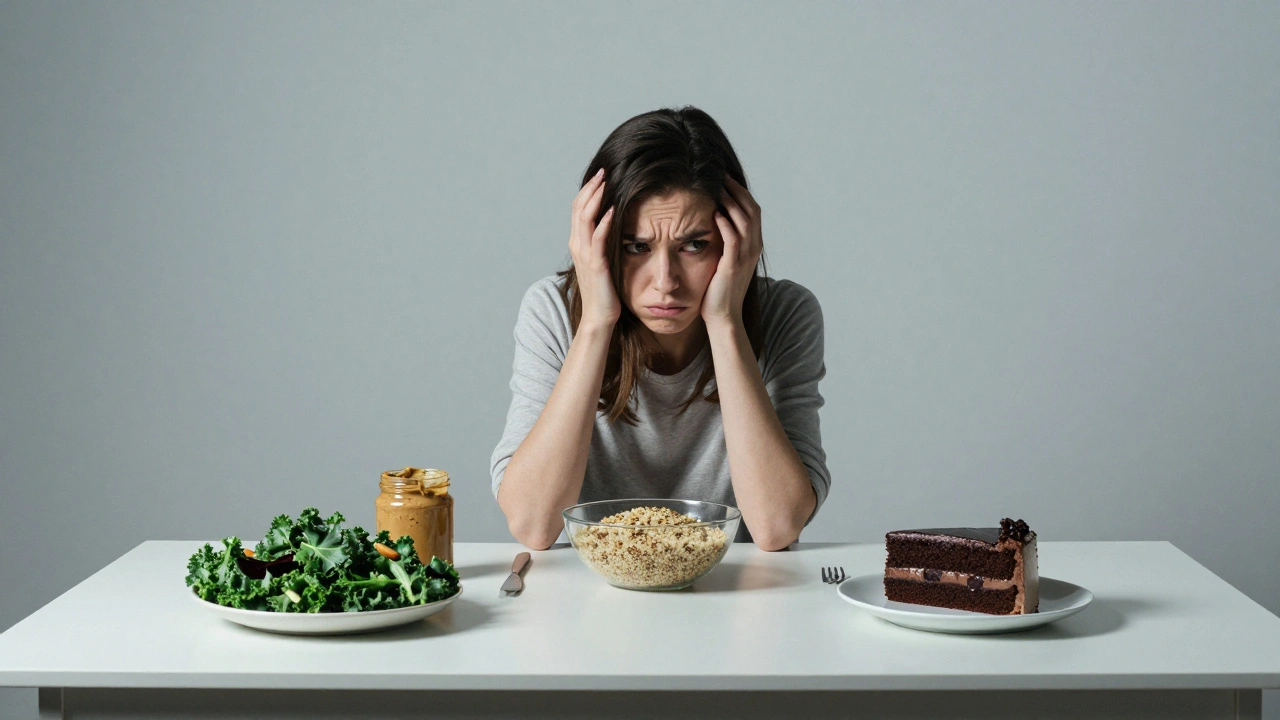
Women are told to eat clean. That means salads, quinoa, almond butter, and zero sugar. No processed foods. No gluten. No dairy. No fun. It sounds healthy. But for many women, this idea of "clean eating" isn’t about health at all-it’s about control, guilt, and exhaustion.
What "Clean Eating" Actually Means
"Clean eating" isn’t a medical term. It’s not defined by any health organization. It’s a marketing label that started in wellness blogs and exploded on Instagram. The idea? Some foods are "pure," "good," and "purely nourishing." Others? They’re dirty, dangerous, or cheating. But here’s the truth: food doesn’t have moral value. Carrots aren’t better than cookies. Chicken isn’t more virtuous than pizza.
When women start chasing clean eating, they often begin with good intentions-wanting more energy, clearer skin, or better digestion. But within months, many find themselves avoiding family dinners, skipping birthdays, or feeling intense shame after eating a slice of cake. A 2023 study in the Journal of Eating Disorders found that women who strictly followed clean eating rules were 3x more likely to develop orthorexia-a fixation on healthy eating that becomes harmful.
Why Women Are Targeted
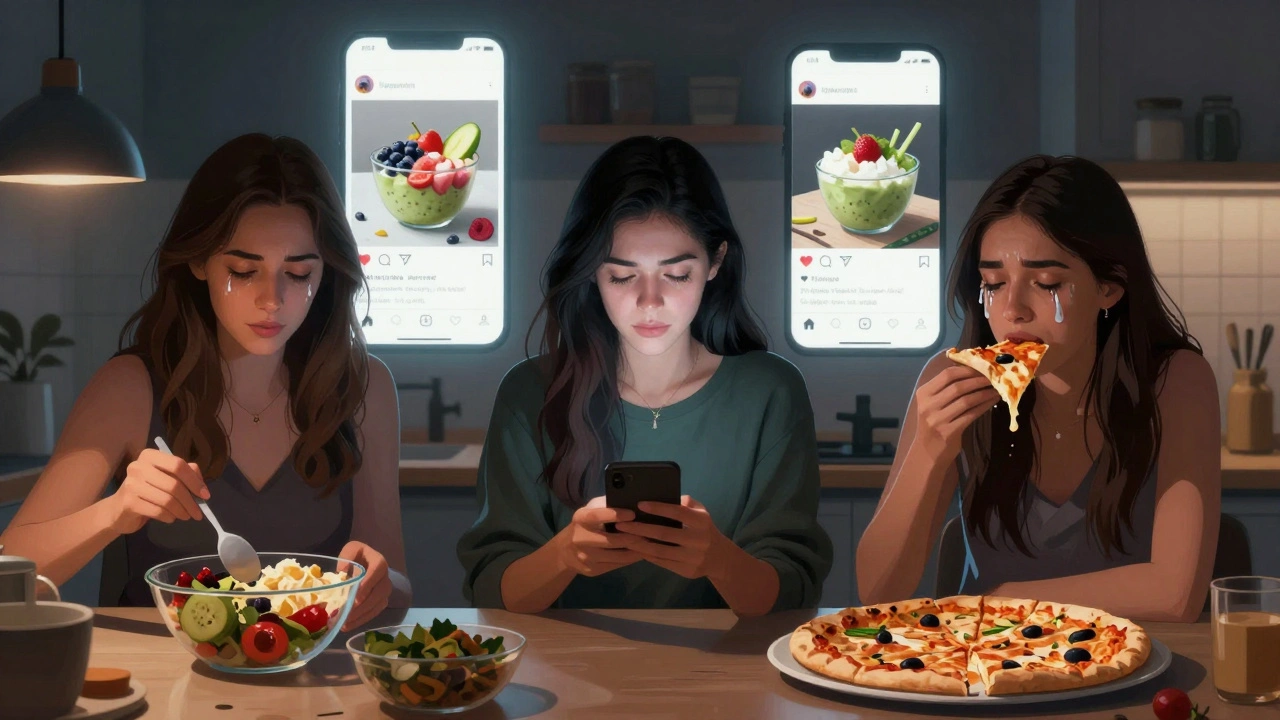
The clean eating movement didn’t just appear. It was built on a very specific audience: women aged 18-35, who are told they need to "optimize" every part of their lives. Social media thrives on before-and-after photos. Influencers show their "perfect" meal prep bowls, glowing skin, and toned bodies-all tied to their "clean" diet. But behind the scenes? Many are stressed, sleep-deprived, and secretly bingeing.
Companies profit from this. Organic kale costs more. Gluten-free bread is twice the price. Superfood powders? $40 a jar. The clean eating industry is worth over $12 billion. And women are the biggest buyers. Why? Because we’re told we’re broken-and food is the fix.
The Real Cost: Mental and Physical Health
When food becomes a moral test, everything else breaks down.
- Women report skipping meals to "stay clean," then overeating later from hunger and guilt.
- Some stop menstruating because their bodies don’t get enough calories or fat.
- Others develop anxiety around food labels, avoiding restaurants, or refusing to travel.
- Studies show that women who follow rigid diet rules have higher cortisol levels-the stress hormone linked to belly fat, insomnia, and weakened immunity.
It’s not about willpower. It’s about biology. Your body needs variety. It needs fat. It needs carbs. It needs pleasure. Denying any of that doesn’t make you healthier-it makes you more vulnerable to burnout.
What Women Actually Need
You don’t need to eat cleaner. You need to eat freely.
Intuitive eating isn’t a trend. It’s science. Developed by dietitians Evelyn Tribole and Elyse Resch, it’s based on ten principles: honor your hunger, respect your fullness, make peace with food, challenge the food police, discover satisfaction, feel your feelings without using food, respect your body, move joyfully, honor your health with gentle nutrition.
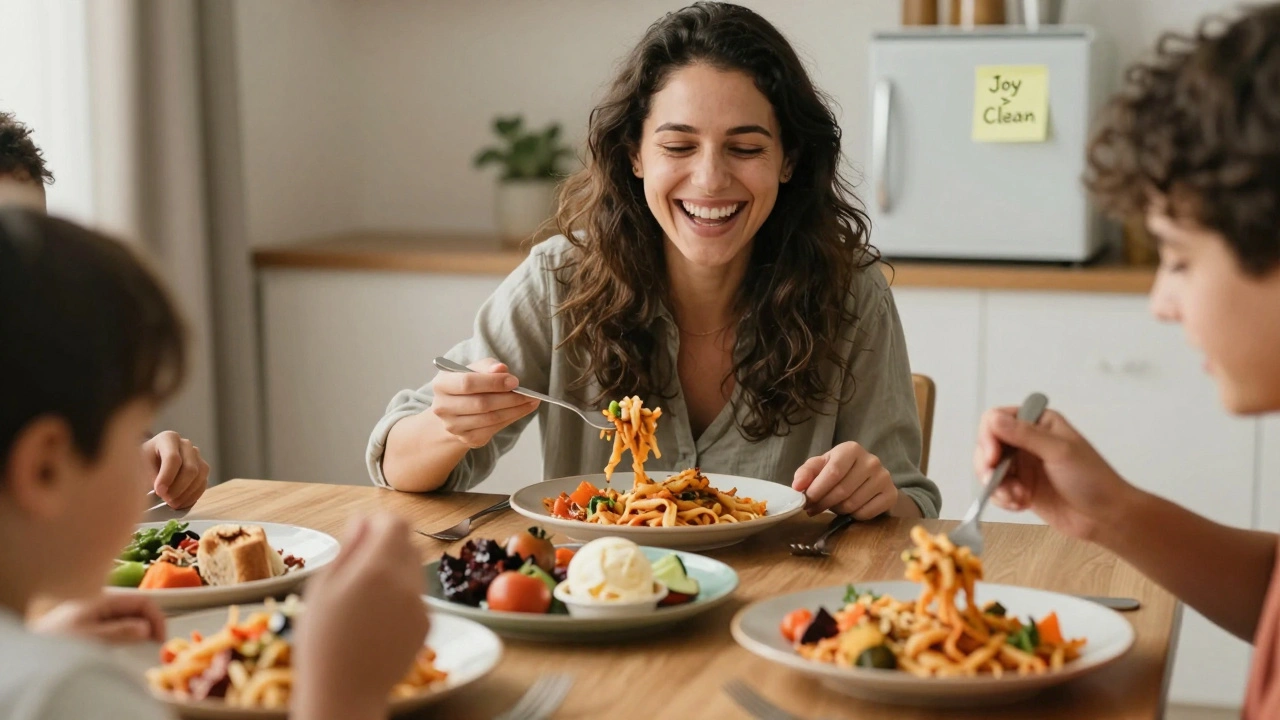
One woman I spoke with in Portland-Lena, 32-used to spend hours planning meals, weighing her food, and deleting photos of herself after eating pasta. She started intuitive eating six months ago. No more tracking. No more labels. She now eats ice cream after dinner. She gained 8 pounds-and her period returned. Her anxiety dropped. Her energy went up. "I didn’t need to eat cleaner," she told me. "I needed to stop punishing myself."
How to Start Letting Go
- Remove the word "clean" from your food vocabulary. Replace it with "enjoyable," "nourishing," or "satisfying." Food is fuel, not a test.
- Notice how you feel after eating. Do you feel light? Bloated? Energized? Guilty? Write it down without judgment.
- Include at least one food you’ve labeled "bad" every week. Eat it slowly. Notice how it tastes. How your body reacts.
- Stop following influencers who post only green smoothies and grilled chicken. Unfollow them. Find accounts that show real meals-messy, varied, human.
- Ask yourself: "Would I say this to my best friend?" If you wouldn’t tell her she’s "cheating," don’t say it to yourself.
It’s Not About Perfection
There’s no such thing as perfect eating. Even the healthiest people in the world eat cake, fries, and chocolate. The difference? They don’t tie their worth to it.
Women aren’t failing because they eat bread. They’re failing because they were sold a lie: that their value is tied to their plate. You don’t need to eat clean to be worthy. You don’t need to eat perfect to be healthy.
Your body knows what it needs. It’s been telling you all along. Hunger. Cravings. Satiety. Rest. Joy. Trust it. Not the algorithm. Not the influencer. Not the label on the jar.
Food Is Not the Enemy
Real health isn’t about avoiding sugar. It’s about having the mental space to enjoy life. It’s about showing up for your family, your work, your hobbies-without a grocery list in your head.
When you stop chasing clean eating, you don’t lose control. You get it back. Not the rigid kind. The real kind. The kind that lets you eat a donut and still feel proud. The kind that lets you rest, laugh, and live.
Is clean eating actually healthy?
Clean eating isn’t a medically recognized standard. While eating whole foods can be part of a healthy diet, the rigid rules of clean eating often lead to restriction, guilt, and disordered eating patterns. Health isn’t defined by avoiding certain foods-it’s about balance, variety, and mental well-being.
Can clean eating cause eating disorders?
Yes. Research shows that strict food rules, especially around "clean" or "pure" eating, can trigger orthorexia nervosa-a condition where the obsession with healthy eating becomes harmful. Women are especially vulnerable due to societal pressures around body image and control.
What’s the alternative to clean eating?
Intuitive eating is the evidence-based alternative. It focuses on listening to your body’s hunger and fullness cues, eating without guilt, and honoring your health with gentle nutrition-not restriction. It’s been shown to improve body image, reduce binge eating, and support long-term well-being.
Do I need to give up all processed foods?
No. Processed foods aren’t inherently bad. Many-like frozen vegetables, canned beans, yogurt, and whole grain bread-are convenient, affordable, and nutritious. The goal isn’t to eliminate them, but to eat a variety of foods without labeling them as "good" or "bad."
Why do I feel guilty after eating certain foods?
Guilt around food comes from diet culture-the idea that some foods are morally superior. This guilt is taught, not natural. It’s reinforced by social media, marketing, and well-meaning advice. Healing happens when you recognize that food is neutral, and your worth isn’t tied to what’s on your plate.