Sustainable Women's Fashion: Ethical Brands That Walk the Talk
 Apr, 1 2026
Walking into a store labeled "eco-friendly" feels good until you find out the factory conditions were terrible or the materials are synthetic plastic masquerading as fabric. It happens constantly right now. You see tags that say "recycled," "organic," or "conscious," but rarely do you get the receipts to prove it. That’s the problem with the modern Sustainable Fashionindustry approach focused on marketing over action. We aren't here to guess anymore. We want brands that actually walk the talk on ethics, labor, and environmental impact.
By early 2026, regulations are tightening. The European Union has cracked down on vague green claims, forcing companies to disclose actual data. Even here in Portland, Oregon, local consumers are demanding more proof than just a pretty logo. If you want to build a wardrobe that doesn't guilt-trip you every time you wash it, you need to look past the window displays and check the supply chain.
What Does "Ethical" Actually Look Like?
Before picking a brand, you have to understand what you're actually buying. Many labels use "upcycling" to sell one pair of shorts made from old t-shirts while still pumping out thousands of polyester dresses per day. Real sustainability covers three main pillars: material sourcing, labor conditions, and waste management.
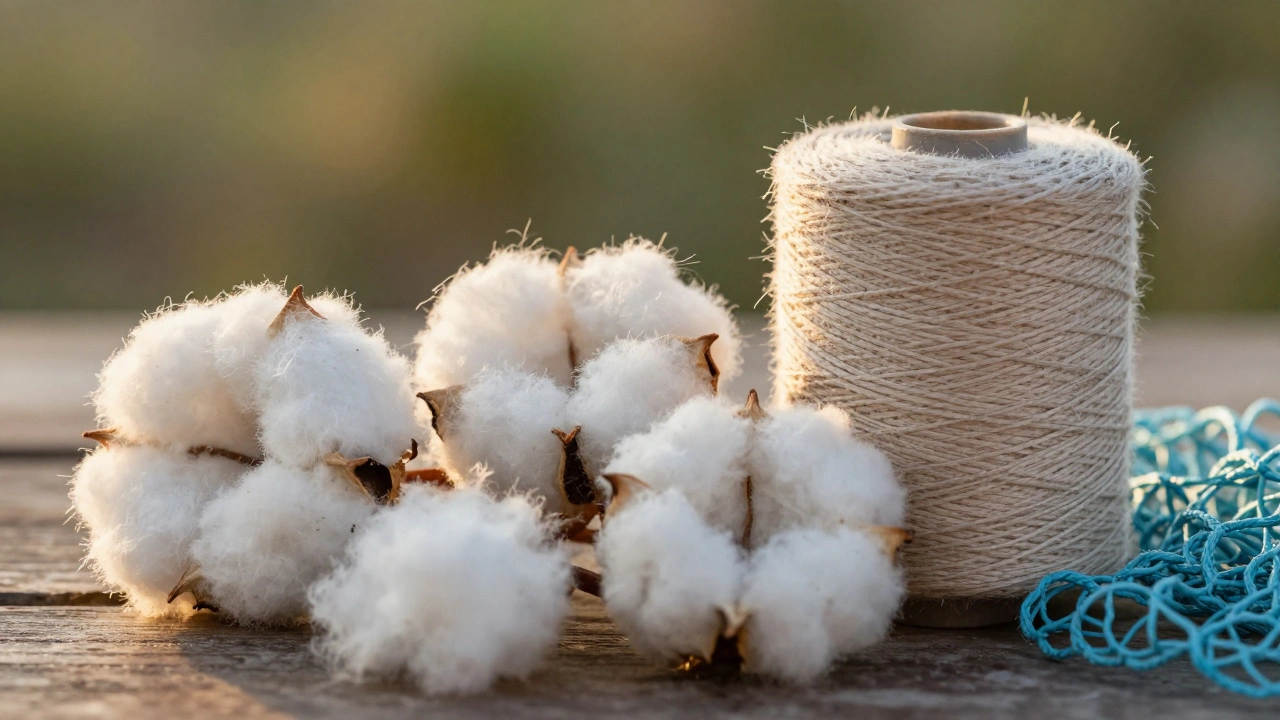
The first pillar is Material Sourcingusing fibers that require fewer resources to grow. This means looking for organic cotton grown without pesticides, Tencel lyocell produced in closed-loop systems where chemicals aren't dumped into rivers, or recycled nylon made from fishing nets. These fibers break down better in the environment and usually feel softer against your skin.
The second pillar is often ignored. A dress can be made from hemp, but if the worker stitching it isn't paid a living wage, it isn't ethical. We look for Fair Trade certification. This guarantees that communities get a premium payment on top of market rates to fund education or healthcare. Without third-party audits, labor claims are just nice stories printed on hangtags.
Finally, end-of-life management matters. When does the garment die? Natural fibers compost; synthetics sit in landfills for centuries. Leading brands in 2026 are taking back their own clothes to recycle them into new stock, creating a true circular model.
Top Verified Brands for Every Budget
Finding the right mix of style and ethics shouldn't break the bank completely, though true fair trade costs more to produce. We've separated these into tiers based on affordability and use cases.
The Accessible Basics
If you need tees, leggings, and underwear that last, these brands keep prices down through efficiency rather than exploitation.
- Pact: Known for incredibly soft Organic CottonUSDA Certified Cotton basics. They pay living wages to farmers in India and Mexico. Prices hover around $25 for tees.
- Kotn: Direct-trade Egyptian cotton that funds schools in rural villages. Their linen blends are perfect for spring layering when temperatures fluctuate.
- Gaiam: While mostly known for yoga, their activewear line uses recycled polyester from ocean-bound plastic. Great for low-intensity workouts.
Mid-Range Versatility
These fit the average professional or weekend outfit budget. They offer better design details and durable construction.
- Reformation: This California-based company publishes its full sustainability report online every year. They track water usage and carbon emissions per garment. Their trendy dresses are made in-house, so you know where they came from.
- Girlfriend Collective: Made entirely from recycled water bottles and fishing nets. Their size inclusivity runs tall, and the compression gear holds up better than fast-fashion rivals.
- Tentree: As the name suggests, they plant ten trees for every item sold. By late 2025, they had already planted over 100 million trees. Think fleece, hoodies, and earth-toned casuals.
Investment & Heirloom
When you need something that lasts decades or can be passed down.
- Eileen Fisher: Their "Renew" program buys back worn clothes to resell or remold. Their natural fibers drape well and soften over time.
- Patagonia: Usually outdoorsy, but their everyday collection fits city life. They repair clothes for free forever, which saves you money in the long run.
| Brand | Primary Material | Certification | Price Point |
|---|---|---|---|
| Pact | Organic Cotton | GOTS | Affordable |
| Reformation | Tencel, Viscose | B-Corp | Mid-Range |
| Girlfriend Collective | Recycled Polyester | OEKO-TEX | Affordable |
| Eileen Fisher | Linen, Silk | Responsible Wool Standard | Premium |
| Patagonia | Recycled Fleece | 1% for the Planet | Mid-to-High |
Spotting Greenwashing Before You Buy
Not every label deserves trust. Here is how to test a new shop you found online.
Check the Fabric Composition Tag
If it says "polyester" but sells itself as eco-friendly, ask why. Unless they specify it is "recycled" post-consumer polyester, virgin petroleum plastic is not saving the planet. Look for terms like "blended" carefully. Sometimes a shirt is 10% organic cotton and 90% conventional. That doesn't help much. You want 100% organic or fully certified blends.
Read the Factory List
Truly transparent companies list their factories by country and sometimes even facility name. If the website hides this info under layers of scrolling text, they have something to hide. In 2026, transparency tools allow you to cross-reference supplier names against labor watchdog databases easily.
Look at Volume
A brand releasing 500 new SKUs (stock keeping units) every week cannot be truly ethical. The production cycle for sustainable fabrics takes longer. Fast fashion models rely on speed over safety. Slow fashion brands release seasonal collections or permanent lines with small restocks.
The Case for Circular Shopping
Buying new, even from an ethical brand, adds to the footprint. The most sustainable item is the one that already exists. The resale market has exploded. Platforms like ThredUponline consignment store specializing in second-hand apparel and Vestiaire Collectiveluxury consignment platform with authentication curate verified pre-owned goods.
Beyond just thrift stores, consider rental services for special occasions. Renting a wedding guest dress eliminates the "buy once, wear once" culture. Some local Portland shops also offer clothing swaps, allowing you to trade in old pieces for credit toward new finds.
Care Tips to Extend Garment Life
You can buy the most ethical shirt, but if you ruin it in the wash, it ends up in the trash quickly. Wash less frequently. Most modern clothes don't need laundering after a single wear unless stained. Use cold water cycles to prevent shrinking and preserve dye. Hang dry whenever possible; machine drying breaks down elastic fibers faster than gravity and air.
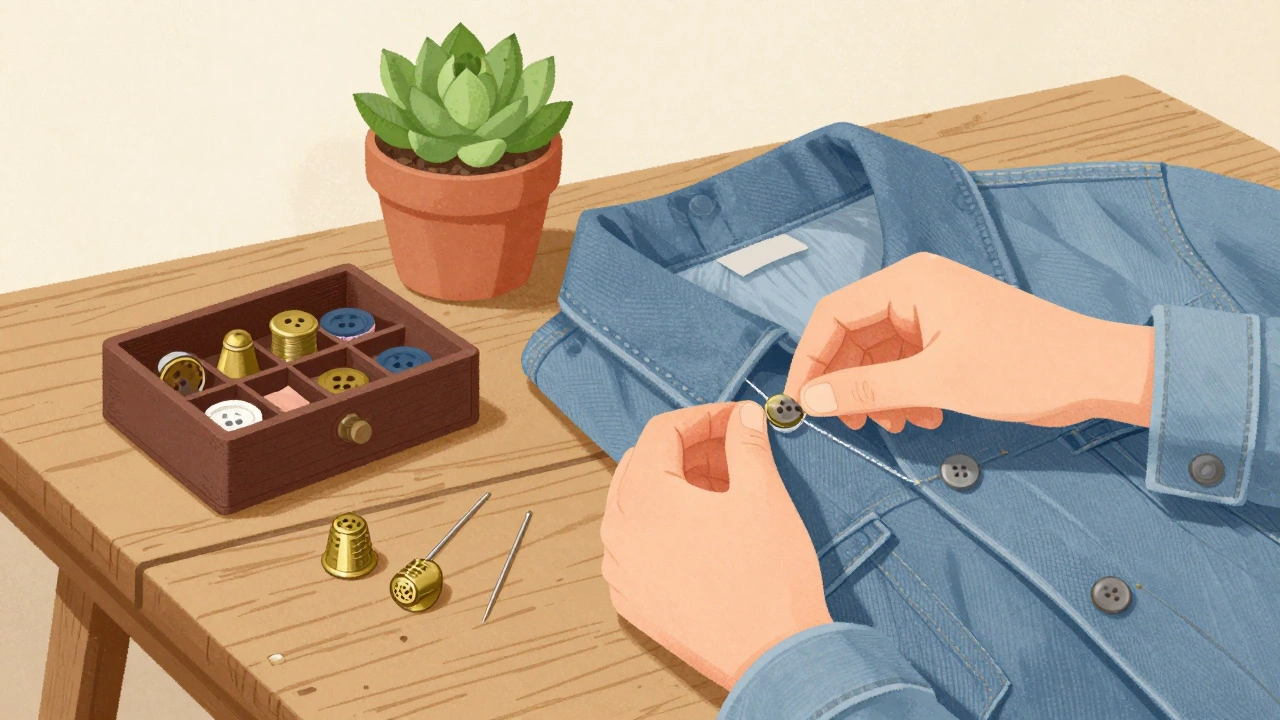
If a seam rips or a button pops, take it to a tailor immediately. Small repairs are cheap compared to replacement costs. Keeping clothes in circulation for two years longer reduces their carbon footprint by nearly 30%, according to textile lifecycle studies.
Frequently Asked Questions
Why are ethical clothes more expensive than fast fashion?
You are paying for the actual cost of production. This includes safe working conditions, higher wages for workers, organic materials that don't degrade soil, and lower volume manufacturing. Fast fashion externalizes these costs by dumping pollution in developing nations and exploiting labor laws.
Does organic cotton really save water?
Yes, significantly. Conventional cotton is a thirsty crop often irrigated with chemical-heavy runoff. Organic cotton relies more on rainwater and healthy soil microbiomes, reducing water usage by roughly 90 percent compared to conventional methods in arid regions.
Can I trust a brand that just says they are 'eco-friendly'?
No. Eco-friendly is a marketing term with no legal definition. Always look for specific certifications like GOTS, Fair Trade, or B-Corp status. Third-party verification means someone else checked their math.
Are there ethical denim jeans available?
Absolutely. Brands like Nudie Jeans and Levi's WaterLess process denim with reduced water usage. Look for raw denim cuts without elastane (spandex), which makes the fabric harder to recycle later.
How do I dispose of clothes I can't donate?
If clothes are torn or stained beyond donation, look for textile recycling drop-offs or mail-in programs like Terracycle. Many brands now have take-back bins in-store to ensure old garments are repurposed into insulation or industrial rags rather than landfilled.