Supporting Friends Through Hard Times: A Women’s Guide
 Mar, 14 2026
When a friend is going through something hard-loss, divorce, a mental health crash, or just the slow, heavy weight of daily life-it’s easy to feel useless. You want to help, but you don’t know what to say. You worry you’ll say the wrong thing. You wonder if showing up even matters. It does. More than you think.
Showing Up Is the First Thing That Matters
You don’t need a perfect speech or a grand gesture. Sometimes, the most powerful thing you can do is just be there. Bring soup. Sit on the porch. Text: “I’m thinking of you. No need to reply.” That’s it. No pressure. No advice. Just presence.
Studies show that people who feel socially supported during hard times recover faster emotionally. It’s not about fixing the problem-it’s about saying, “You’re not alone.” And that message lands differently when it comes from a woman to another woman. We understand the unspoken stuff: the sleepless nights, the quiet crying in the shower, the guilt of not being “strong enough.”
Listen More Than You Speak
Most of us want to fix things. We jump in with solutions: “Have you tried therapy?” “You should meditate.” “My cousin went through this and here’s what worked.” But when someone is drowning in emotion, advice often feels like a bucket being thrown at them instead of a life raft.
Instead, try this: listen like you’re listening to your own story. Let them talk. Let them cry. Let them repeat the same thing five times. Don’t interrupt. Don’t rush to fill the silence. Say things like:
- “That sounds so heavy.”
- “I can’t imagine how hard that is.”
- “You don’t have to be okay right now.”
These phrases don’t solve anything. But they make space. And space is what someone in pain needs most.
Forget the “Just Be Strong” Myth
We’ve been taught to push through pain. To smile through it. To say “I’m fine” even when we’re falling apart. That’s not strength. That’s isolation.
When your friend is struggling, don’t ask them to be strong. Ask them to be real. Say: “I’m here for the messy version of you.” Let them cry on your shoulder. Let them cancel plans. Let them wear the same sweatpants for three days. You’re not enabling weakness-you’re giving them permission to heal.
One woman I know lost her job, her marriage, and her dog all in one month. She didn’t bounce back. She didn’t post a motivational quote. She sat on her couch and cried for weeks. Her best friend showed up every Tuesday with takeout and a movie. No questions. No pressure. Just food and company. That’s what saved her.
Small Consistent Acts Beat Grand Gestures
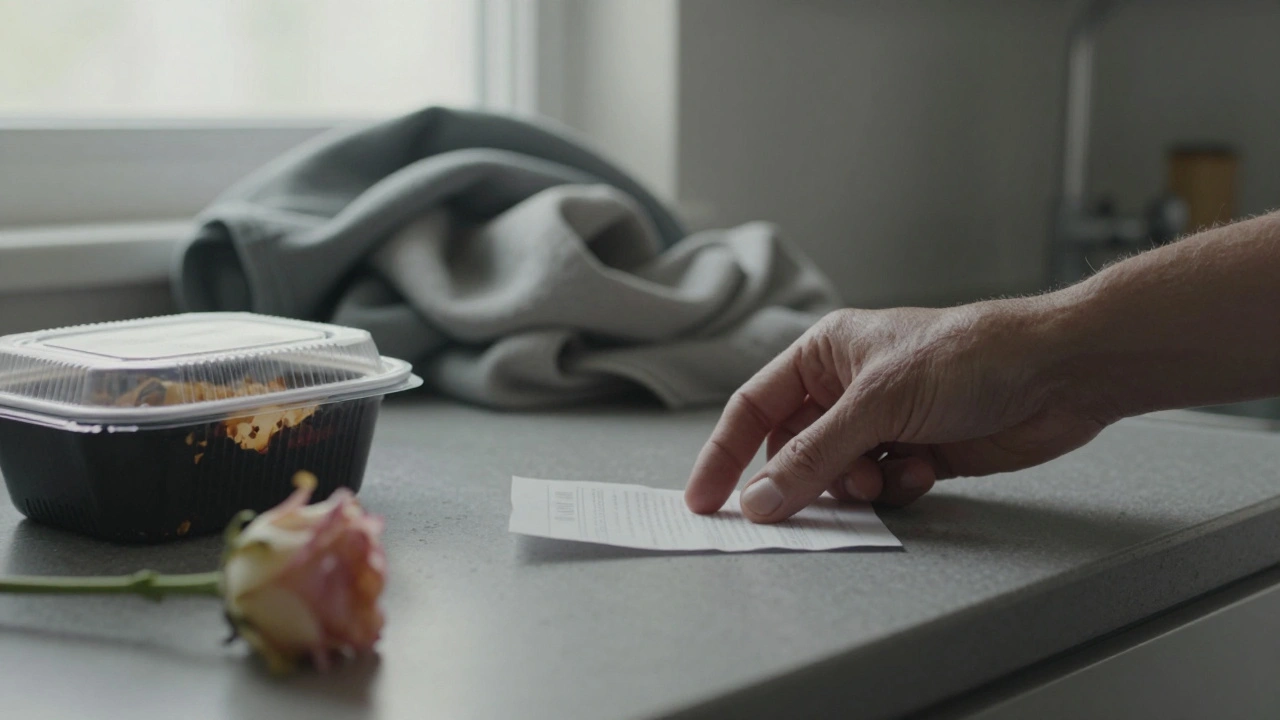
A single flower or a heartfelt note? Nice. But what really holds someone up is the quiet, ongoing care.
Check in every few days-not with a long message, but with something simple:
- A voice note saying, “Saw this song and thought of you.”
- A text: “Still here.”
- Putting gas in their car without being asked.
- Walking their dog when they can’t get out of bed.
These things don’t make headlines. But they stitch someone back together, thread by thread. Consistency is the secret weapon of emotional support.
Protect Their Energy
Hard times drain people. They don’t have the bandwidth for drama, unsolicited opinions, or emotional labor. If your friend cancels plans, don’t take it personally. If they don’t reply to your texts, don’t panic. They’re not rejecting you-they’re conserving what little energy they have.
Don’t ask them to explain their feelings. Don’t pressure them to “get over it.” Don’t turn their pain into a topic for your own healing journey. This isn’t about you. It’s about them.
Think of it like this: you wouldn’t ask someone with a broken leg to go for a hike. Don’t ask someone with a broken heart to be cheerful.

Know Your Limits-And When to Ask for Help
You can’t pour from an empty cup. Supporting someone through trauma, grief, or depression is emotionally taxing. If you’re feeling drained, overwhelmed, or resentful, it’s okay to step back-for a little while.
That doesn’t mean abandoning them. It means saying: “I care about you so much, and I need to take a breath so I can be here for you better.” Then, help them find other support: a therapist, a support group, a trusted family member.
And if you notice signs of serious mental health crisis-talk of self-harm, withdrawal from all contact, inability to eat or sleep for days-don’t wait. Say: “I’m worried about you. Can I walk you to the clinic?” Or call a crisis line with them. You don’t have to be a professional. You just have to care enough to act.
It’s Okay to Not Have All the Answers
You don’t need to know how to fix their life. You don’t need to have been through the same thing. You don’t need to quote a poem or share a story from your own past. Sometimes, the most healing thing you can offer is silence, presence, and the simple truth: “I’m here.”
Women have been doing this for centuries-holding each other through childbirth, loss, war, poverty, betrayal. We’ve done it without manuals, without training, without applause. We do it because we know: connection is the antidote to suffering.
So show up. Even if it’s awkward. Even if you’re scared. Even if you think it won’t matter. It does. You matter. Your presence matters. Your quiet, steady love matters more than you know.