Sun Damage Repair for Women: Best Ingredients to Fade Dark Spots
 Nov, 16 2026
You spent the summer chasing sunsets in Portland or lounging by a lake, and now your face is showing receipts. Those little brown patches on your cheeks? That’s not just “aging”-that’s cumulative UV exposure triggering melanin overproduction. If you’re wondering how to actually fade those dark spots without spending a fortune at a med-spa, you’re in the right place. The good news: specific ingredients can reverse visible sun damage if you use them consistently. The bad news? Most people buy the wrong product or quit too soon.
| 1. Vitamin C is your first line of defense against new pigmentation. |
| 2. Niacinamide stops pigment from transferring to skin cells. |
| 3. Retinoids speed up cell turnover to shed stained cells faster. |
| 4. Sunscreen is non-negotiable-repair fails without it. |
| 5. Results take 8-12 weeks; consistency beats intensity. |
Why Your Skin Got Spotted (And Why It’s Not Just Age)
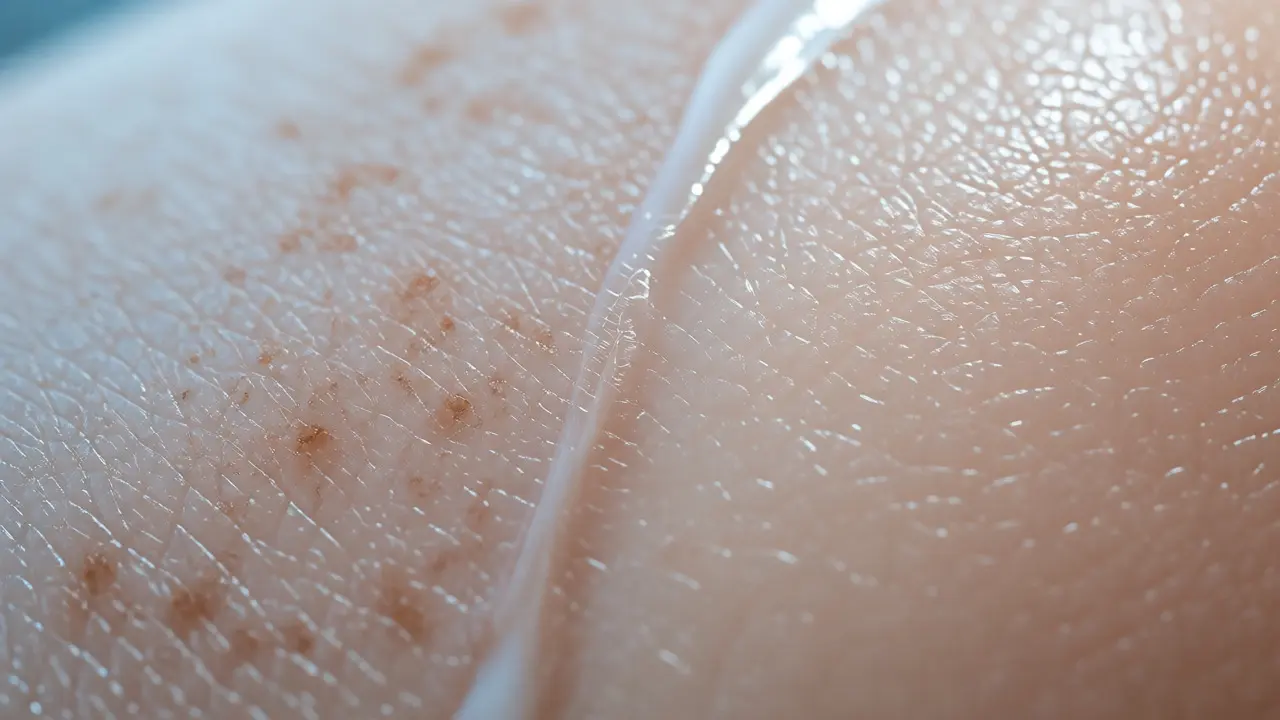
Let’s clear up a myth: dark spots aren’t inevitable with age. They’re caused by UV radiation triggering melanocytes to produce excess melanin as a protective response. When UV rays hit unprotected skin, they damage DNA in skin cells. In response, melanocytes ramp up production of melanin, the pigment that gives skin its color. Normally, this pigment distributes evenly. But after repeated exposure, clumps form-those are your solar lentigines (age spots) or post-inflammatory hyperpigmentation.
Women often notice these spots more prominently because hormonal fluctuations (pregnancy, birth control, menopause) can make melanocytes more reactive. A single day of unprotected sun during pregnancy might leave a mark that lingers for years. That’s why targeting both prevention and correction matters.
The Ingredient Powerhouse: What Actually Works
Not all brightening products are created equal. Here’s what has real clinical backing:
- Vitamin C (L-ascorbic acid): This antioxidant neutralizes free radicals from UV exposure and inhibits tyrosinase, the enzyme responsible for melanin production. Look for formulations between 10-20% concentration. Lower than 10%? Too weak. Higher than 20%? Often irritating without added benefit. Apply in the morning under sunscreen.
- Niacinamide (Vitamin B3): Unlike Vitamin C, which prevents new pigment, niacinamide blocks the transfer of existing melanosomes (pigment packets) to surrounding skin cells. Studies show 5% niacinamide reduces hyperpigmentation significantly within four weeks. It’s gentle, pairs well with other actives, and works overnight.
- Retinoids (Retinol, Tretinoin): These vitamin A derivatives accelerate cell turnover, meaning stained surface cells shed faster. Prescription-strength tretinoin is most potent, but OTC retinol (0.3-1%) works too if used consistently. Start twice weekly to avoid irritation. Always pair with SPF-retinoids increase sun sensitivity.
- Azelaic Acid: A lesser-known gem, azelaic acid targets abnormal melanocytes specifically, leaving normal pigment alone. Ideal for sensitive skin or rosacea-prone complexions. Available in 10% (OTC) and 15-20% (prescription) strengths.
- Kojic Acid & Arbutin: Both inhibit tyrosinase like Vitamin C but work through different pathways. Kojic acid comes from fungi; arbutin is derived from bearberry plants. They’re milder alternatives if Vitamin C stings.
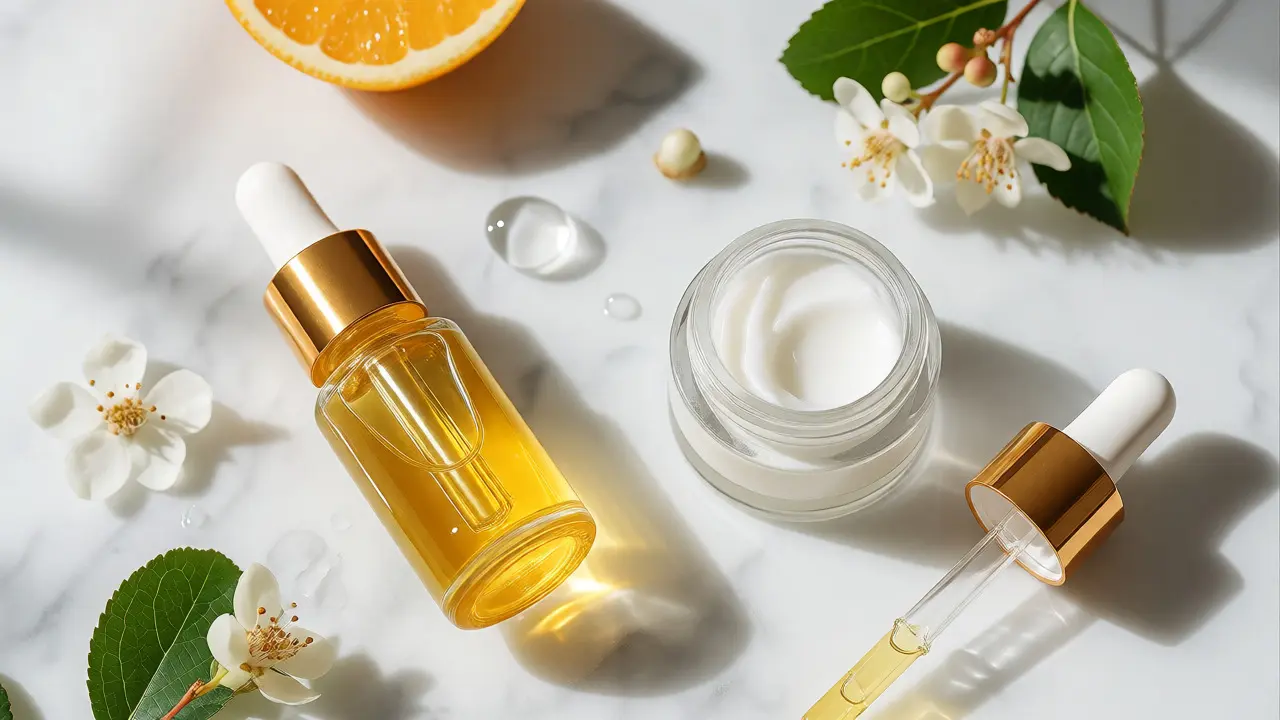
Building Your Routine: Morning vs. Night
Don’t throw everything on at once. Layering incorrectly causes irritation, which worsens pigmentation. Here’s a simple framework:
Morning: Gentle cleanser → Vitamin C serum → Moisturizer → Broad-spectrum SPF 30+. Yes, even in November. UVA rays penetrate clouds and windows, continuing to trigger pigment year-round. In Portland, we get less direct sun, but reflection off wet pavement and snow still counts.
Night: Oil-based cleanser (to remove SPF) → Treatment active (retinoid OR azelaic acid OR niacinamide-pick one per night) → Moisturizer. Rotate actives if using multiple. For example: Monday/Wednesday/Friday = retinol; Tuesday/Thursday/Saturday = niacinamide; Sunday = rest.
Common Mistakes That Waste Time and Money
I’ve seen women spend hundreds on serums only to sabotage results. Here’s where things go sideways:
- Skipping sunscreen: You can apply every brightening agent known to science, but if you step outside without SPF, UV reactivates melanocytes. No repair sticks.
- Over-exfoliating: Scrubs and harsh acids strip the barrier, causing inflammation. Inflammation triggers more pigment. Use chemical exfoliants (like lactic acid) no more than twice weekly.
- Expecting overnight fixes: Skin cycles take ~28 days. Visible fading takes minimum two full cycles. Give any product eight weeks before judging.
- Mixing incompatible actives: Don’t layer Vitamin C and retinoids simultaneously-they cancel each other out and irritate skin. Separate into AM/PM routines.
When to See a Professional
Topical treatments handle mild-to-moderate sun damage beautifully. But consider consulting a dermatologist if:
- Spots change shape, color, or bleed (rule out skin cancer).
- Pigmentation persists after six months of consistent topical care.
- You want faster results via procedures like chemical peels, laser therapy (e.g., PicoSure), or intense pulsed light (IPL).
Note: Procedures require strict post-care sun avoidance. Doing IPL in summer without diligent SPF often backfires.
Realistic Expectations: What “Faded” Really Means
“Fade” doesn’t mean erase. Even with perfect routine adherence, expect 50-70% reduction in spot darkness over three to six months. Some stubborn patches may never vanish completely-that’s okay. The goal is uniform tone, not porcelain perfection. Consistency matters more than potency. A $20 drugstore retinol used daily beats a $200 luxury serum used sporadically.
How long does it take to see results from dark spot correctors?
Most people notice subtle changes in 4-6 weeks, with significant improvement by 12 weeks. Skin cell turnover averages 28 days, so pigment needs time to shed. Stick with one product for at least two full cycles before switching.
Can I use vitamin C and retinol together?
Not in the same routine layer. Vitamin C works best at low pH (acidic), while retinoids need higher pH. Using them together reduces efficacy and increases irritation. Apply vitamin C in the morning and retinol at night instead.
Is sunscreen really necessary in winter?
Yes. UVA rays, which cause pigmentation, remain strong year-round and penetrate clouds and glass. In Portland, reflected UV from wet surfaces and snow adds exposure. Daily broad-spectrum SPF 30+ prevents new spots and protects repair progress.
Which ingredient is safest for sensitive skin?
Niacinamide and azelaic acid are generally well-tolerated. Niacinamide strengthens the skin barrier while reducing pigment transfer. Azelaic acid targets abnormal melanocytes without irritating healthy ones. Avoid high-concentration vitamin C or retinoids initially if your skin reacts easily.
Do natural remedies like lemon juice work?
Lemon juice contains citric acid, which can mildly exfoliate, but its acidity varies wildly and can cause phytophotodermatitis-a severe reaction when exposed to sun. It’s unpredictable and risky compared to formulated products. Skip DIY kitchen experiments for facial pigmentation.
Will my dark spots come back after treatment?
They can return if you skip sun protection. Melanocytes don’t “forget” past UV damage-they reactivate quickly upon re-exposure. Maintenance means daily SPF and occasional booster treatments (e.g., monthly niacinamide masks). Think of it as ongoing upkeep, not a one-time fix.