Sugar, Insulin, and Women’s Health: What to Watch
 Aug, 17 2026
Ever noticed that your energy crashes two hours after lunch, or that cravings for sweets feel impossible to ignore? For many women, these aren't just bad habits; they are signals from a complex interplay between sugar and the hormone insulin. While we often think of diabetes as a condition for older adults, the reality is that insulin sensitivity changes dramatically across a woman's life. From puberty through menopause, your body’s ability to handle glucose shifts, impacting everything from skin clarity to heart health.
Understanding this relationship isn't about fear-mongering or cutting out all carbs forever. It’s about recognizing the specific windows where your metabolism is most vulnerable and making informed choices. When insulin spikes chronically, it doesn't just affect your weight; it drives inflammation, disrupts reproductive hormones, and accelerates aging. Let’s break down what actually happens in your body and how to spot the early warning signs before they become chronic issues.
The Hormonal Connection: Why Women Are Different
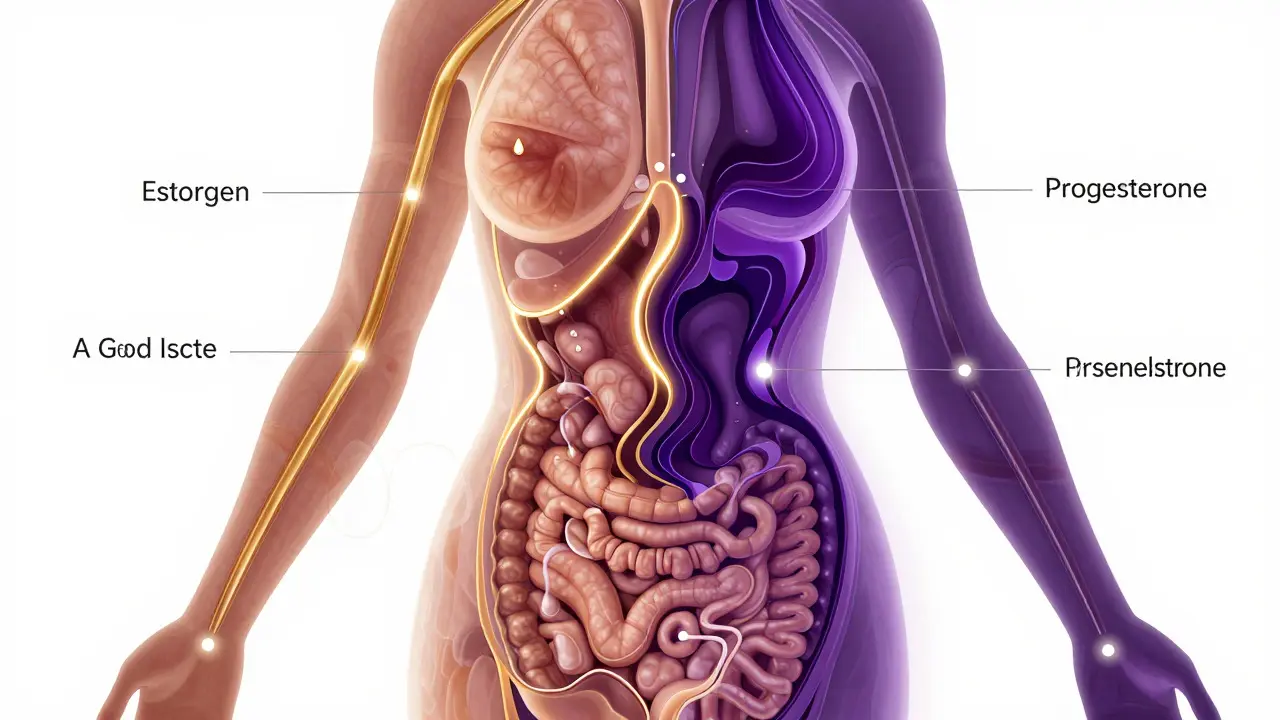
Men and women process sugar differently, largely due to hormonal influences. Estrogen and progesterone play significant roles in how your cells respond to insulin. During the follicular phase of your menstrual cycle, when estrogen rises, your body becomes more sensitive to insulin. This means you can burn fuel more efficiently. However, during the luteal phase, when progesterone dominates, insulin sensitivity drops. Your body holds onto water and may crave carbohydrates more intensely. If you eat a high-sugar diet during this time, you are working against your biological grain, leading to higher blood sugar spikes and subsequent crashes.
This fluctuation explains why some women find themselves bloated, moody, and hungry right before their period. It’s not just "PMS"; it’s often a sign of poor glycemic control. Over time, if these spikes become habitual, they can contribute to insulin resistance, a state where your cells stop responding effectively to insulin, forcing your pancreas to produce even more of the hormone to keep blood sugar stable.
Key Conditions Linked to Sugar and Insulin
When insulin resistance sets in, it rarely stays isolated. It tends to trigger a cascade of other health issues. Here are the three most common conditions women should watch for:
- Polygenic Ovary Syndrome (PCOS): Up to 70% of women with PCOS have some degree of insulin resistance. High insulin levels stimulate the ovaries to produce more androgens (like testosterone), which disrupts ovulation and leads to irregular periods, acne, and hair loss.
- Gestational Diabetes: Pregnancy places a massive demand on insulin production. If your body is already struggling with sugar management, pregnancy can unmask latent insulin resistance, leading to gestational diabetes. This increases risks for both mother and baby, including preeclampsia and macrosomia (large birth weight).
- Metabolic Syndrome: This is a cluster of conditions-high blood pressure, high blood sugar, excess body fat around the waist, and abnormal cholesterol levels-that occur together. Women who develop insulin resistance in their 30s or 40s are at significantly higher risk for heart disease later in life.
Early Warning Signs You Might Be Missing
You don’t need a blood test to know something is off. Your body sends physical cues long before a doctor diagnoses a condition. Pay attention to these specific indicators:
- Post-Meal Fatigue: Do you feel drowsy or foggy 60-90 minutes after eating, especially meals heavy in refined carbs? This is likely a reactive hypoglycemia event following an insulin spike.
- Hunger Patterns: If you’re eating balanced meals but still feeling ravenous two hours later, your blood sugar may be crashing too low because your body over-corrected with insulin.
- Skin Changes: Darkening of the skin in creases (neck, armpits, groin) is called acanthosis nigricans. It is a direct visual marker of high circulating insulin levels.
- Weight Distribution: Gaining weight specifically around the midsection, even if your arms and legs stay slim, is a classic sign of visceral fat accumulation driven by insulin.
Nutrition Strategies That Actually Work
The goal isn't to eliminate sugar, but to stabilize its impact. Think of nutrition as managing the *rate* at which sugar enters your bloodstream, rather than just the *amount*.
Pair Carbs with Protein and Fat: Never eat fruit or bread alone. Adding almonds, avocado, or eggs slows down digestion and blunts the glucose spike. For example, an apple with peanut butter keeps blood sugar much steadier than an apple alone.
Choose Low-Glycemic Index Foods: Swap white rice and white bread for quinoa, sweet potatoes, or legumes. These foods contain more fiber and complex structures that require more energy to break down, resulting in a slower release of glucose.
Watch Out for Liquid Calories: Sugary drinks are the fastest way to spike insulin. Unlike solid food, liquids pass through the stomach quickly. Switching to sparkling water with lime or unsweetened tea can make a noticeable difference in afternoon energy levels.
| Breakfast Option | Glycemic Impact | Insulin Response | Sustained Energy? |
|---|---|---|---|
| White Toast with Jam | High | Rapid Spike | No (Crash in 2 hours) |
| Oatmeal with Berries | Medium | Moderate Rise | Yes (If no added sugar) |
| Eggs with Avocado | Low | Minimal Change | Yes (Sustained 4+ hours) |
| Yogurt with Granola | Variable | Depends on Granola Type | Mixed (Check labels) |

Lifestyle Factors Beyond Diet
Diet is only half the equation. How you move and sleep profoundly affects insulin sensitivity. Resistance training, in particular, is a game-changer for women. Muscle tissue is the primary consumer of glucose in the body. The more muscle mass you build, the larger your "sink" for blood sugar becomes, reducing the burden on your pancreas.
Sleep also plays a critical role. Chronic sleep deprivation raises cortisol levels, which directly antagonizes insulin. If you’re sleeping less than seven hours a night, your body becomes less efficient at processing sugar, even if you eat perfectly. Prioritizing consistent sleep schedules can lower fasting insulin levels within weeks.
When to See a Doctor
If you recognize several of the warning signs above, it’s time to get data. Ask your healthcare provider for a fasting insulin test, not just a fasting glucose test. A normal glucose level can mask underlying insulin resistance. A HOMA-IR score (Homeostatic Model Assessment for Insulin Resistance) provides a clearer picture of how well your body is managing sugar. Early intervention can prevent the progression to type 2 diabetes and manage conditions like PCOS effectively.
Can I reverse insulin resistance naturally?
Yes, insulin resistance is highly reversible, especially in its early stages. Combining a low-glycemic diet, regular strength training, and adequate sleep can restore cellular sensitivity to insulin within months. Consistency is key; sporadic efforts yield temporary results.
Is honey better than table sugar for blood sugar control?
Not significantly. While honey contains antioxidants, it is still primarily fructose and glucose. Fructose is processed by the liver and can contribute to fatty liver disease if consumed in excess. Treat honey as a natural sweetener, not a health food, and limit portions.
How does stress affect my blood sugar levels?
Stress triggers the release of cortisol and adrenaline. These hormones signal your liver to release stored glucose into your bloodstream for a "fight or flight" response. Since you aren't physically running, that glucose remains in your blood, causing spikes independent of what you ate.
Should women avoid carbs entirely to prevent weight gain?
No. Complete carb restriction can lead to nutrient deficiencies and hormonal imbalances, particularly in menstruating women. The focus should be on quality and timing. Complex carbs provide essential fiber and micronutrients. Avoiding them entirely is unnecessary and often unsustainable.
What is the best time of day to eat protein?
Aim to include protein in every meal, starting with breakfast. Breaking the fast with protein helps stabilize blood sugar throughout the morning. Many people skip protein until dinner, which leaves the morning vulnerable to sugar spikes and cravings.