Strength Training vs. Cardio for Women: The Real Difference in Results
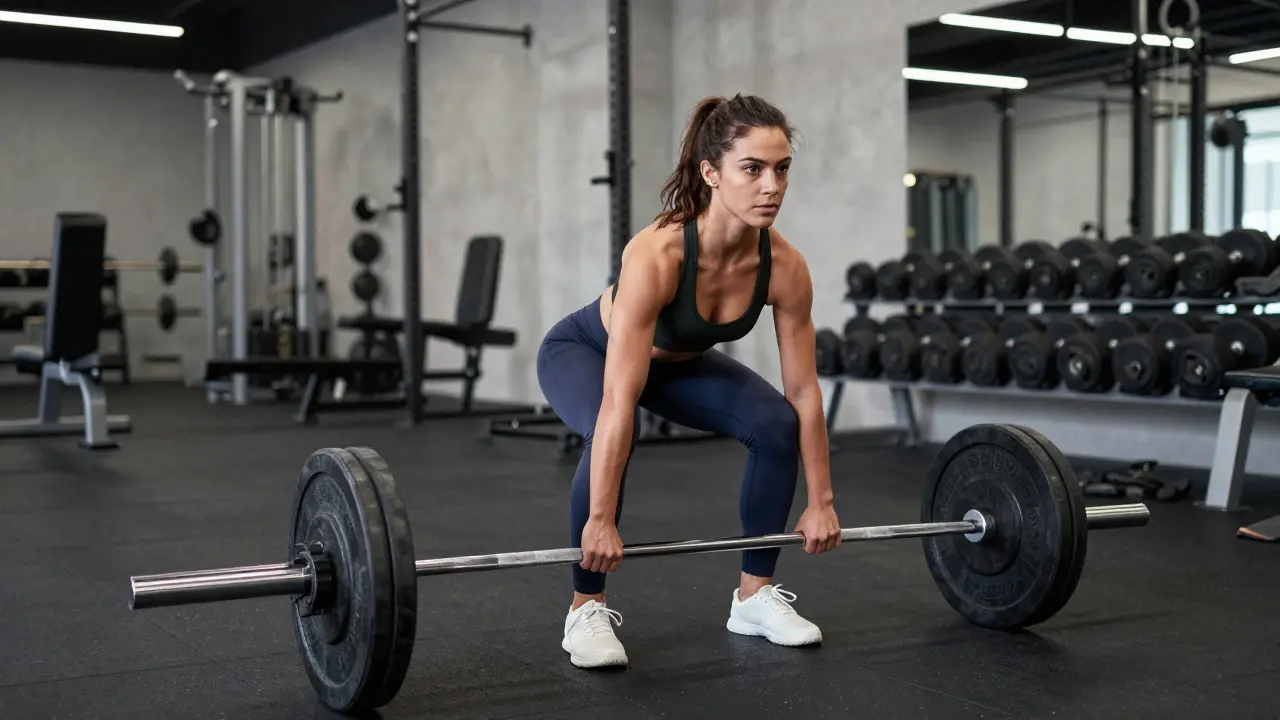 Aug, 17 2026
Most women still walk into the gym and head straight for the treadmill. It feels safe. It’s familiar. But if your goal is to look toned, feel stronger, or actually burn fat long-term, you might be spending too much time running and not enough time lifting. The debate between strength training and cardio isn’t about picking a winner; it’s about understanding what each does for your body so you can stop guessing and start getting results.
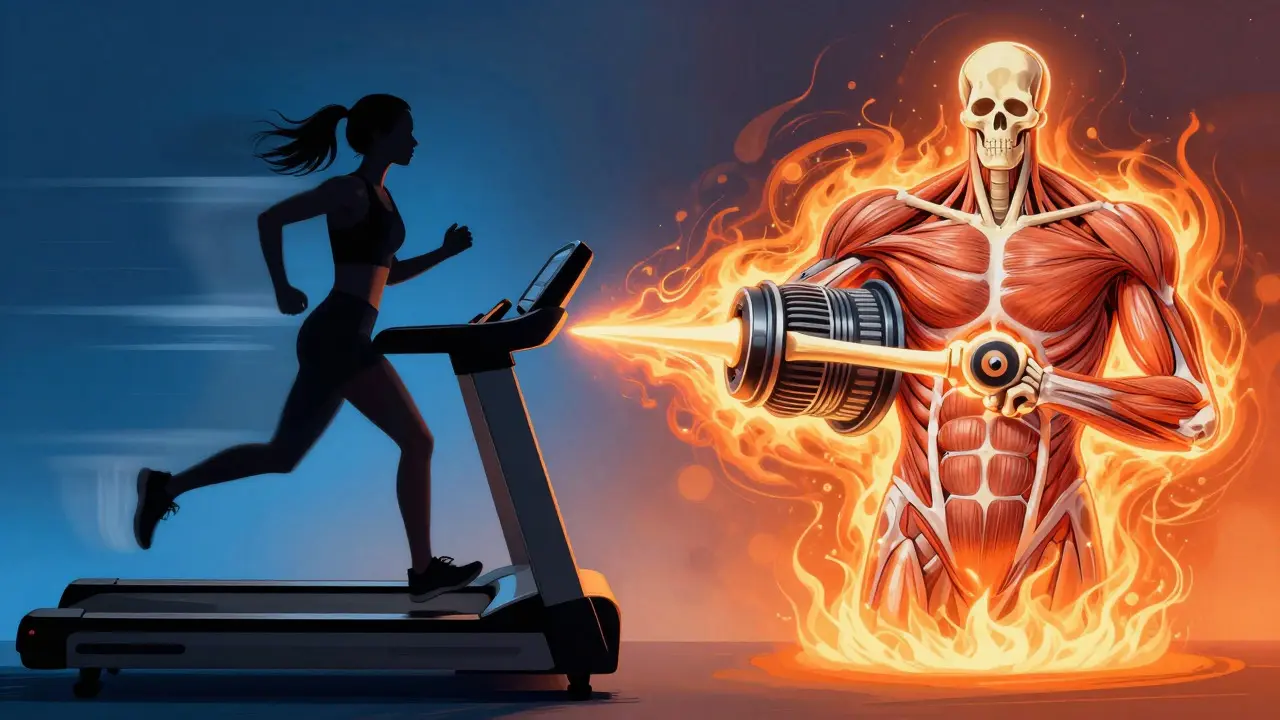
Here is the quick truth: Cardio burns calories while you do it. Strength training builds the engine that burns calories all day, every day, even when you are sitting on the couch. For most women aiming for a leaner, more defined physique, strength training should be the foundation, with cardio used strategically rather than as the default.
The Physiology Gap: Why Lifting Beats Running for Fat Loss
To understand why the balance has shifted, we have to look at how your body processes energy. When you run on a treadmill for thirty minutes, you are engaging in aerobic metabolism. Your body uses oxygen to break down fuel efficiently. It works, but the effect stops the moment you step off the machine. This is often called the "afterburn" myth-while high-intensity cardio does create some afterburn, it is minimal compared to resistance work.
Strength Training is a form of anaerobic exercise that involves moving weights against resistance to build muscle mass and increase metabolic rate. When you lift heavy weights, you create micro-tears in your muscle fibers. Repairing these tears requires significant energy. More importantly, building new muscle tissue raises your Basal Metabolic Rate (BMR). Muscle is metabolically expensive tissue. It eats calories just to exist. If you replace two pounds of fat with two pounds of muscle, you will weigh the same, but your body will burn roughly 50-100 extra calories per day at rest. Over a year, that adds up significantly without you doing anything extra.
This is why many women struggle with plateaus during traditional cardio programs. They lose weight initially, but their metabolism slows down because they are losing muscle mass along with fat. This phenomenon is known as adaptive thermogenesis. Your body gets smarter and more efficient, burning fewer calories to preserve energy. Lifting weights signals to your body that it needs to keep the muscle, which keeps your metabolic fire burning hot.
Bone Density and Long-Term Health Benefits
For women, especially those approaching menopause, bone health becomes a critical factor. Estrogen levels drop after menopause, leading to accelerated bone loss. Cardiovascular exercise, particularly low-impact types like swimming or cycling, does very little to stimulate bone growth because the bones aren't under sufficient load.
Resistance training applies mechanical stress to the skeleton. This stress triggers osteoblasts (bone-building cells) to lay down new bone mineral. Studies consistently show that post-menopausal women who engage in regular weight-bearing strength exercises maintain higher Bone Mineral Density (BMD) than those who only perform aerobic activities. Higher BMD directly correlates with a lower risk of osteoporosis and fractures later in life. So, when you pick up a dumbbell, you aren't just working out your arms; you are investing in your skeletal infrastructure for decades to come.
Cardio’s Role: Where It Actually Shines
Does this mean you should ditch the elliptical forever? Not necessarily. Cardio has its place, but it needs to be targeted. The primary benefit of cardiovascular exercise is heart health and improved VO2 max (the maximum amount of oxygen your body can utilize). A strong heart pumps blood more efficiently, reducing strain on your cardiovascular system during daily activities.
If your priority is pure endurance, like running a marathon or hiking long trails, then high-volume steady-state cardio is essential. However, for general health and aesthetics, High-Intensity Interval Training (HIIT) offers a better return on investment. HIIT combines short bursts of intense effort with periods of rest. It spikes your heart rate quickly, improving cardiovascular fitness in half the time of steady-state running, while also triggering a larger EPOC (Excess Post-exercise Oxygen Consumption) response than moderate jogging.
| Feature | Strength Training | Steady-State Cardio |
|---|---|---|
| Primary Benefit | Muscle hypertrophy, increased BMR, bone density | Heart health, endurance, immediate calorie burn |
| Fat Loss Mechanism | Long-term metabolic boost via muscle mass | Direct caloric expenditure during session |
| Time Efficiency | High (30-45 mins for full-body stimulus) | Low (60+ mins needed for similar calorie burn) |
| Bone Health Impact | Significant increase in bone density | Negligible impact on bone density |
| Metabolic Adaptation | Prevents metabolic slowdown | Risk of metabolic adaptation if overdone |
Designing the Right Weekly Routine
So, how do you structure your week? The answer depends on your goals, but for the majority of women seeking a balanced, healthy, and aesthetic physique, a 3-day strength focus with 2 days of cardio is a solid starting point.
- Monday: Full-Body Strength. Focus on compound movements like squats, deadlifts, and rows. These recruit multiple muscle groups and release more anabolic hormones like testosterone and growth hormone, which aid in recovery and fat loss.
- Tuesday: Low-Impact Cardio. Go for a 30-minute brisk walk or cycle. Keep the intensity conversational (you should be able to speak in full sentences). This aids recovery by increasing blood flow without adding significant stress to the nervous system.
- Wednesday: Upper/Lower Split Strength. Target specific weak points. If you want stronger glutes, prioritize hip thrusts and lunges. Use progressive overload-gradually increasing the weight or reps over time.
- Thursday: Active Rest or Mobility. Yoga or stretching helps manage the soreness from lifting and improves joint health. This is crucial for preventing injury, which is a common reason women quit the gym.
- Friday: Full-Body Strength or HIIT. Repeat the full-body pattern or switch to a 20-minute HIIT session if you prefer higher intensity. Ensure you warm up properly to protect your joints.
- Saturday/Sunday: Recovery. Take one or two days completely off, or engage in light recreational activity like hiking or swimming. Consistency matters more than volume.
A key mistake is doing cardio immediately before lifting. Depleting your glycogen stores with a 45-minute run means you won't have the energy to lift heavy weights effectively. Save your best energy for the resistance work. If you must do both in one session, lift first, then do 15-20 minutes of cardio afterward.
Nutrition: The Missing Link
You cannot out-train a bad diet, but you can amplify good habits with the right exercise mix. For women looking to lose fat, protein intake is non-negotiable. Aim for 0.7 to 1 gram of protein per pound of body weight daily. Protein preserves muscle mass during a caloric deficit, ensuring that the weight you lose is fat, not lean tissue.
Carbohydrates should be timed around your workouts. Eating carbs before and after strength sessions fuels performance and aids recovery. Fats play a hormonal role, supporting estrogen production and joint health. Don't fear fats; choose quality sources like avocados, nuts, and olive oil. Without adequate nutrition, even the best strength program will yield subpar results. Hydration also plays a vital role; muscles are roughly 75% water, and dehydration reduces strength output by up to 10%.

Common Myths Debunked
One persistent myth is that women will get "bulky" if they lift heavy. In reality, women produce significantly less testosterone than men, making extreme muscle hypertrophy difficult without performance-enhancing drugs. What you will get is a tighter, more sculpted look. Another myth is that spot-reduction works. Doing hundreds of crunches doesn't burn belly fat specifically; it strengthens the abdominal muscles. To reveal them, you need overall body fat reduction through a combination of diet and total-body exercise.
Finally, there is the belief that sweat equals fat loss. Sweat is just water leaving your body to regulate temperature. You can sweat profusely in a sauna and lose zero fat. The type of movement and the intensity relative to your capacity matter far more than how wet you get.
FAQ
How many days a week should I lift weights?
For most beginners, three days a week is ideal. This allows for adequate recovery while providing enough stimulus to drive progress. As you become more advanced, you may increase frequency to four or five days, splitting muscle groups to allow for more frequent targeting.
Is walking enough cardio for heart health?
Yes, walking is excellent for heart health and joint preservation. While it won't improve your VO2 max as quickly as running, consistent brisk walking (150 minutes per week) meets the general guidelines for cardiovascular fitness and is sustainable for long-term adherence.
Should I do cardio on rest days?
Light cardio on rest days is beneficial for active recovery. It increases blood flow, which helps remove metabolic waste products from muscles. However, avoid high-intensity sessions on true rest days if you are feeling fatigued, as this can impair recovery and increase injury risk.
What is the best way to track progress in strength training?
Keep a workout log. Record the weight lifted, number of reps, and sets for each exercise. Progression is measured by increasing these numbers over time. If you can lift more weight or do more reps with the same weight compared to last month, you are getting stronger.
Can I combine strength and cardio in the same session?
Yes, but order matters. Do strength training first when your energy levels are highest. Follow with 10-20 minutes of low-to-moderate intensity cardio. This approach ensures you can perform lifts safely and effectively without being fatigued from prior aerobic work.