STI Testing and Prevention for Women: A Straightforward Guide
 Oct, 1 2026
You probably know the routine: brush your teeth twice a day, wear sunscreen, maybe stretch before that morning run. But when was the last time you thought about STI testing? For many women, sexual health checkups are either an afterthought or something triggered by a scare. That gap in attention is risky. Sexually transmitted infections (STIs) don’t always scream for attention; often, they whisper. And ignoring those whispers can lead to loud problems down the road, like infertility or chronic pain.
This isn't about fear-mongering. It’s about taking control. Whether you’re dating casually, in a long-term monogamous relationship, or just trying to stay on top of your wellness game, understanding how to test for and prevent STIs is basic adult maintenance. Let’s cut through the medical jargon and get practical about what actually protects you.
Why Routine Screening Matters More Than You Think
Here’s the uncomfortable truth: most STIs in women are asymptomatic. You can carry chlamydia or gonorrhea for months without feeling a single symptom. Meanwhile, the bacteria are quietly doing damage. Untreated chlamydia, for instance, can cause pelvic inflammatory disease (PID), which scars the fallopian tubes and makes getting pregnant harder later. According to the Centers for Disease Control and Prevention (CDC), roughly 1 in 4 sexually active adolescent girls has an STI, yet only a fraction get tested annually.
Think of it like checking your car’s oil. You might not hear the engine knocking until it’s too late. Regular screening catches issues early when they’re easily treated with antibiotics. If you’re under 25 and sexually active, guidelines recommend annual testing for chlamydia and gonorrhea. Over 25? If you have new partners or multiple partners, you should still be getting checked at least once a year. Pregnancy changes things, too-expecting mothers are routinely screened because untreated infections can affect the baby.
The Testing Menu: What Are They Actually Looking For?
When you walk into a clinic, you aren’t just asking for "the STI test." There’s no single magic swab that catches everything. Different infections require different methods. Knowing what to ask for ensures you aren’t leaving gaps in your coverage.
| Infection | Test Method | What It Detects | Frequency Recommendation |
|---|---|---|---|
| Chlamydia & Gonorrhea | Urine sample or vaginal/cervical swab | Bacterial infection | Annually if under 25; otherwise based on risk |
| HIV | Blood test or oral fluid test | Virus attacking immune system | At least once in lifetime; more often if high risk |
| Syphilis | Blood test | Bacterial infection affecting skin/organs | Based on risk factors; routine in pregnancy |
| HPV | Pap smear + HPV co-testing | Virus causing warts/cancer | Every 3-5 years starting age 21-30 |
| Trichomoniasis | Vaginal swab or urine | Parasitic infection | If symptoms present or part of full panel |
Notice that HPV doesn’t have a standalone "blood test" for general screening like HIV does. Instead, it’s caught via Pap smears or specific HPV DNA tests during gynecological exams. This is why skipping your well-woman visit means missing out on cervical cancer prevention, even if you’re negative for other STIs.
Where to Get Tested Without the Awkwardness
Convenience is key. If testing requires a half-day off work and a judgmental stare from the nurse, you’ll procrastinate. Good news: options are plentiful now.
- Primary Care Provider: The easiest place to start. Ask specifically for a "full STI panel" rather than assuming they’ll order it automatically.
- Planned Parenthood or Local Health Departments: These clinics specialize in reproductive health. They often offer sliding-scale fees based on income, making testing accessible regardless of insurance status. In Portland, Oregon, local county health services frequently host free or low-cost screening events.
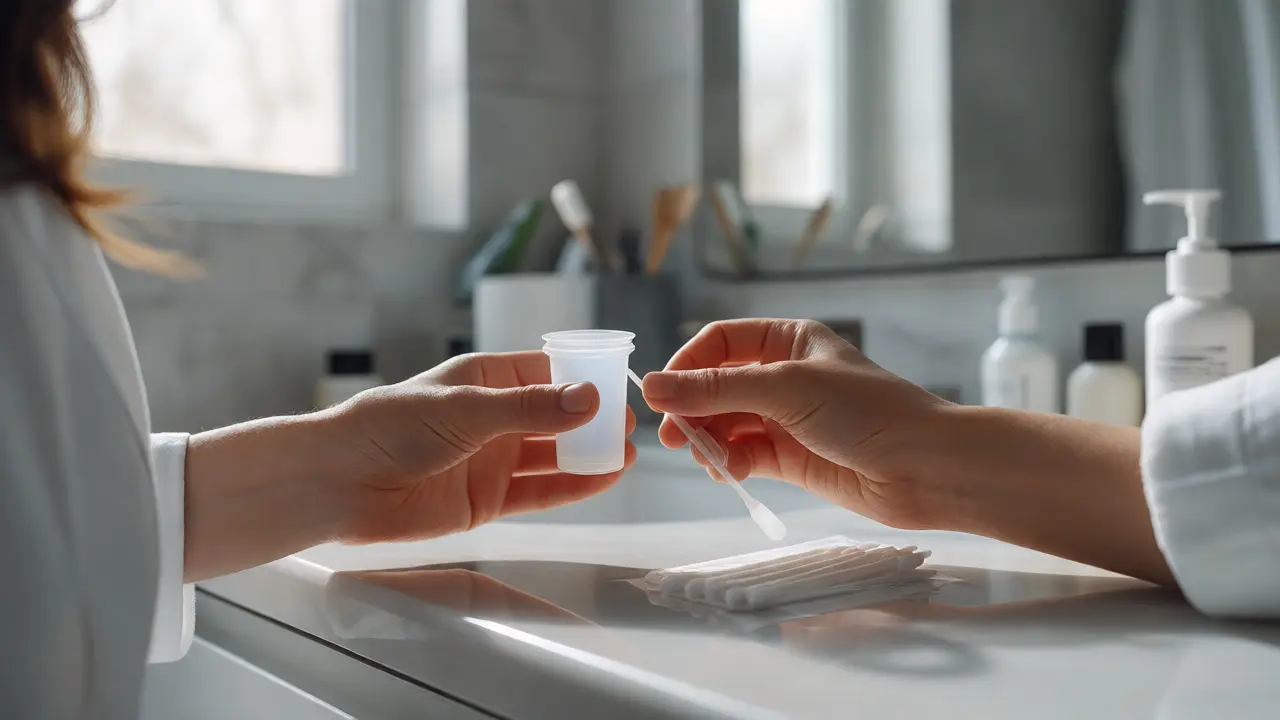
- At-Home Kits: Companies like Everlywell or LetsGetChecked mail you a kit. You collect samples (urine, blood drop, or swab) and send them back. Great for privacy, but ensure the lab is CLIA-certified. Remember: positive results need follow-up care, so make sure you have a doctor to call.
- Pharmacies: Some pharmacies now offer rapid HIV and syphilis testing. Results can come back in minutes.
A quick tip: If you’re using an at-home kit, read the instructions meticulously. Improper sample collection leads to false negatives, giving you a false sense of security.

Prevention Strategies That Actually Work
Testing tells you where you stand. Prevention keeps you there. Condoms are the gold standard for barrier protection, but let’s be real-they aren’t perfect. They can break, slip, or simply not be used consistently. Plus, they don’t cover all skin-to-skin contact areas where herpes or HPV can transmit.
So, what else can you do?
Vaccination
The HPV vaccine is a game-changer. It prevents the strains of human papillomavirus most likely to cause cervical cancer and genital warts. Ideally, kids get it around age 11-12, but adults up to age 45 can benefit. If you haven’t gotten it yet, ask your doctor if it’s worth catching up on. Similarly, the Hepatitis B vaccine is recommended for unvaccinated adults at risk.
PrEP (Pre-Exposure Prophylaxis)
If you’re HIV-negative but at higher risk (e.g., partner is HIV-positive, or you’re in an area with high prevalence), PrEP is a daily pill that drastically reduces the chance of contracting HIV. It’s not a vaccine, but it’s highly effective when taken correctly. Studies show adherence drops effectiveness, so honesty with yourself about your ability to take a daily pill matters.
Communication
This is the hardest part. Talking to a new partner about STI history feels vulnerable. But framing it as mutual respect helps. Try saying, "I’m due for my checkup soon-when were you last tested?" Normalizing the conversation removes stigma. If a partner refuses to discuss testing or get tested, that’s a red flag worth noting.
Understanding Your Risk Profile
Not everyone needs the same level of vigilance. Your risk depends on behavior, biology, and context. Be honest with yourself about these factors:
- New Partners: Each new sexual partner increases statistical probability of exposure.
- Condom Use: Consistent use lowers risk significantly compared to sporadic use.
- History: Past STIs increase susceptibility to reinfection or co-infections.
- Substance Use: Alcohol or drugs can impair judgment, leading to unprotected sex.
- Anatomy: Biologically, women are more susceptible to certain STIs during intercourse due to larger mucosal surface area exposure.
If you tick several of these boxes, consider testing every 3-6 months instead of annually. It’s not paranoia; it’s precision.
Treatment and Follow-Up: What Happens After a Positive Result?
First, breathe. A positive result isn’t a life sentence. Bacterial STIs like chlamydia, gonorrhea, and syphilis are curable with antibiotics. Viral ones like HSV (herpes) and HIV are manageable with medication that suppresses symptoms and transmission.
Crucial steps after a diagnosis:
- Finish the Course: Even if symptoms vanish, finish all prescribed antibiotics to kill remaining bacteria.
- Partner Notification: Your recent partners need treatment too, or you’ll pass it back and forth. Many clinics offer anonymous notification services.
- Retest: Doctors often recommend retesting 3 months after treatment to ensure the infection is gone and you haven’t been reinfected.
- Abstain: Wait until both you and your partner(s) complete treatment before resuming sex.
Ignoring this cycle leads to "ping-pong" infections, where partners repeatedly reinfect each other. It’s frustrating but entirely avoidable with discipline.
Debunking Common Myths
Let’s clear up some noise.
Myth: "I don’t have symptoms, so I don’t need testing."
False. As mentioned, silent spreaders are common. Chlamydia is famously called "silent" because up to 70% of infected women show no signs.
Myth: "You can tell if someone has an STI by looking at them."
Absolutely not. Herpes outbreaks are visible, but shedding occurs without sores. Other infections show zero external markers.
Myth: "Oral sex carries no risk."
Wrong. Gonorrhea and syphilis can infect the throat. Herpes transmits orally-genitally. Using barriers (condoms/dental dams) during oral sex reduces this risk.
Myth: "Once you’ve had it, you’re immune."
Mostly wrong. You can get chlamydia, gonorrhea, or trichomoniasis multiple times. Your body doesn’t build lasting immunity to these bacterial infections.
How often should women get STI testing?
For sexually active women under 25, annual testing for chlamydia and gonorrhea is recommended. Women over 25 should test annually if they have new or multiple partners, or if their partner has an STI. Those with higher risk factors may need testing every 3-6 months.
Can I get tested for STIs at home?
Yes, FDA-approved at-home kits allow you to collect urine, blood, or swab samples and mail them to a certified lab. However, ensure the lab is CLIA-certified. Positive results require follow-up with a healthcare provider for prescription treatment.
Do condoms protect against all STIs?
No. Condoms are highly effective against fluid-transmitted STIs like HIV, chlamydia, and gonorrhea. However, they do not fully protect against skin-to-skin transmitted infections like herpes (HSV) and HPV, especially if sores or shedding occur outside the covered area.
What is PrEP and who needs it?
PrEP (Pre-Exposure Prophylaxis) is a daily medication that reduces the risk of getting HIV from sex by about 99%. It is recommended for HIV-negative individuals at substantial risk, such as those with an HIV-positive partner, inconsistent condom users, or those in high-prevalence areas.
Does birth control protect against STIs?
No. Birth control pills, IUDs, implants, and patches prevent pregnancy but offer zero protection against sexually transmitted infections. Only barrier methods (condoms, dental dams) reduce STI transmission risk.
Next Steps for Your Sexual Health Routine
Ready to integrate this into your life? Here’s a simple checklist:
- Book an appointment: Call your GP or find a local clinic this week. Don’t wait for a symptom.
- Ask questions: When scheduling, ask, "Which STI panel do you recommend for my risk profile?"
- Update your records: Keep a note of when you were last tested. Set a calendar reminder for the next one.
- Talk to your partner: Have the conversation before the next date night, not during.
- Consider vaccination: If you’re eligible, ask about the HPV vaccine.
Your sexual health is part of your overall wellness. Treating it with the same seriousness as your diet or exercise routine pays dividends in peace of mind and long-term physical health. Stay informed, stay protected, and keep the communication open.