Special Diets for Women: Vegan, Keto, Paleo Guide
 Nov, 12 2026
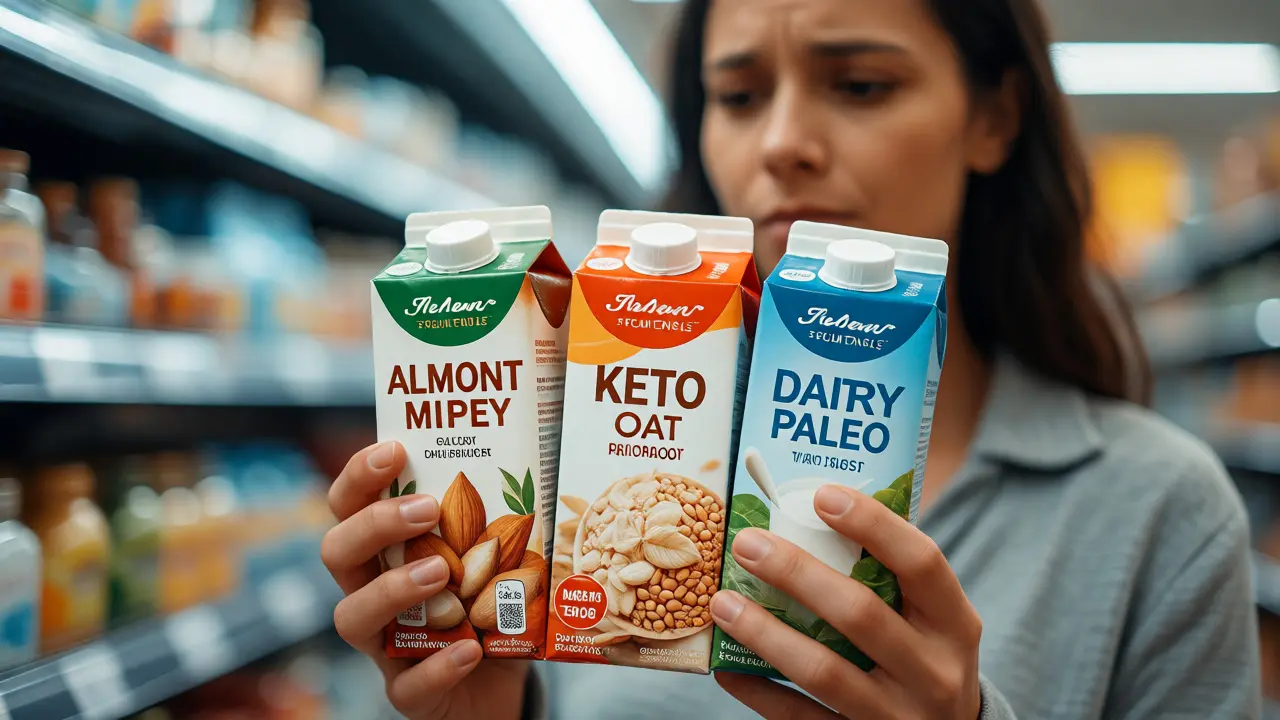
You’re standing in the grocery aisle, staring at three different cartons of milk. One says "Almond," one says "Oat," and one is regular dairy. You’re trying to stick to your new special diet that promises better energy and clearer skin, but suddenly you’re wondering if you’re missing out on calcium or protein. Sound familiar? Choosing between Vegan, Keto, and Paleo isn’t just about weight loss; it’s about figuring out what actually works with your hormones, your schedule, and your sanity.
Women’s bodies are unique biological machines. We deal with monthly cycles, potential pregnancies, menopause transitions, and higher risks for certain deficiencies like iron and B12. A diet that works great for your coworker might leave you feeling foggy and exhausted by Tuesday afternoon. This guide breaks down the big three-Vegan, Keto, and Paleo-specifically through the lens of female physiology. We’ll look at the real pros, the hidden pitfalls, and how to pick the right path without spending months guessing.
Key Takeaways
- Vegan: Best for heart health and inflammation, but requires strict B12 and iron supplementation for women.
- Keto: Effective for rapid weight loss and PCOS management, but can disrupt menstrual cycles if calories drop too low.
- Paleo: Great for blood sugar stability and gut health, but often lacks whole grains and legumes which are key fiber sources.
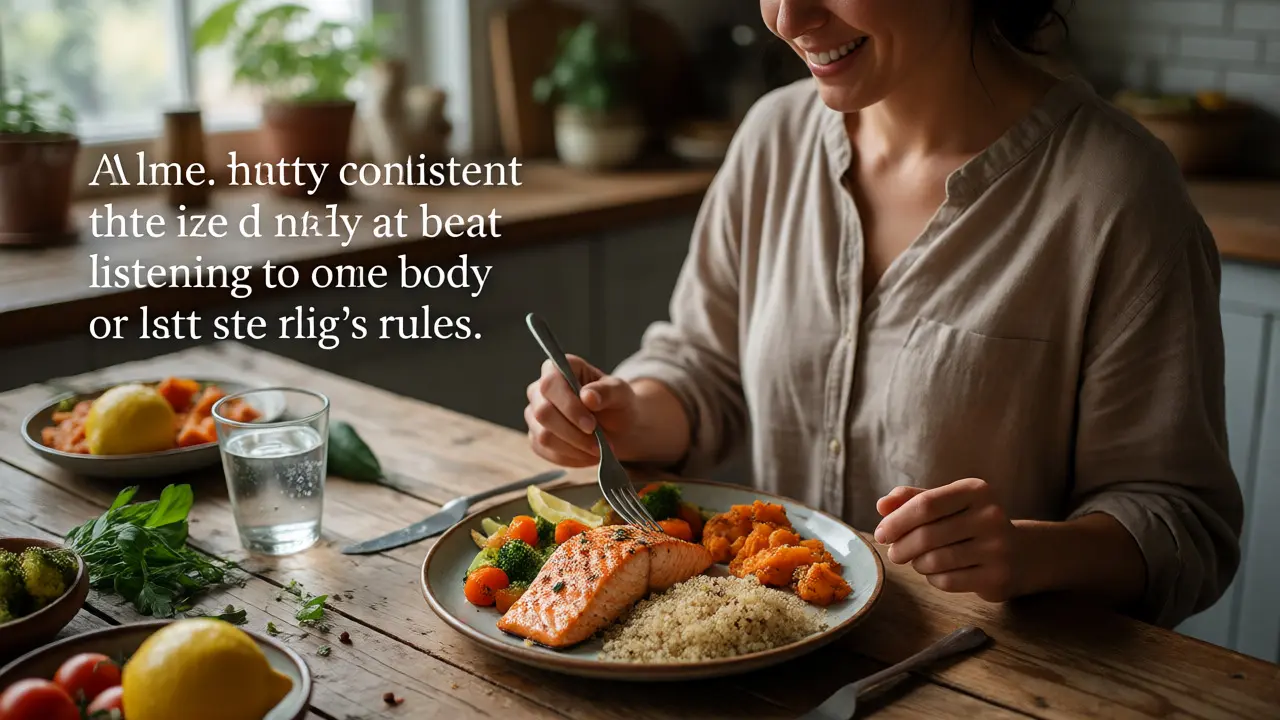
- The Golden Rule: No diet is permanent if it makes you miserable. Consistency beats perfection every time.
Understanding the Female Metabolism Context
Before we dive into specific plans, let’s talk about why women need a tailored approach. Unlike men, who generally have more muscle mass and stable hormone levels day-to-day, women experience significant metabolic shifts throughout their lives. Your estrogen and progesterone levels fluctuate, influencing how your body stores fat and uses fuel.
For instance, during the luteal phase of your menstrual cycle (the week before your period), your basal metabolic rate actually increases slightly, and you may crave carbs because your body is preparing for potential pregnancy. A rigid low-carb diet might feel brutal during this window. Furthermore, women have lower absolute caloric needs than men, meaning there’s less room for error when cutting out entire food groups. If you cut 500 calories from a male diet, he still has plenty of fuel. Cut 500 from a female diet, and you might accidentally dip below the threshold needed for hormonal regulation.
The Vegan Diet: Compassion and Health
Veganism is the practice of excluding all animal products, including meat, dairy, eggs, and honey. It’s not just a diet; for many, it’s an ethical stance against animal exploitation and a move toward environmental sustainability. But does it work for women?
Research consistently shows that well-planned vegan diets are linked to lower rates of heart disease, type 2 diabetes, and certain cancers. For women, this is huge. Heart disease is the number one killer of women, yet it’s often underdiagnosed because symptoms differ from men. A plant-based diet rich in fiber and antioxidants helps keep arteries clear and blood pressure in check.
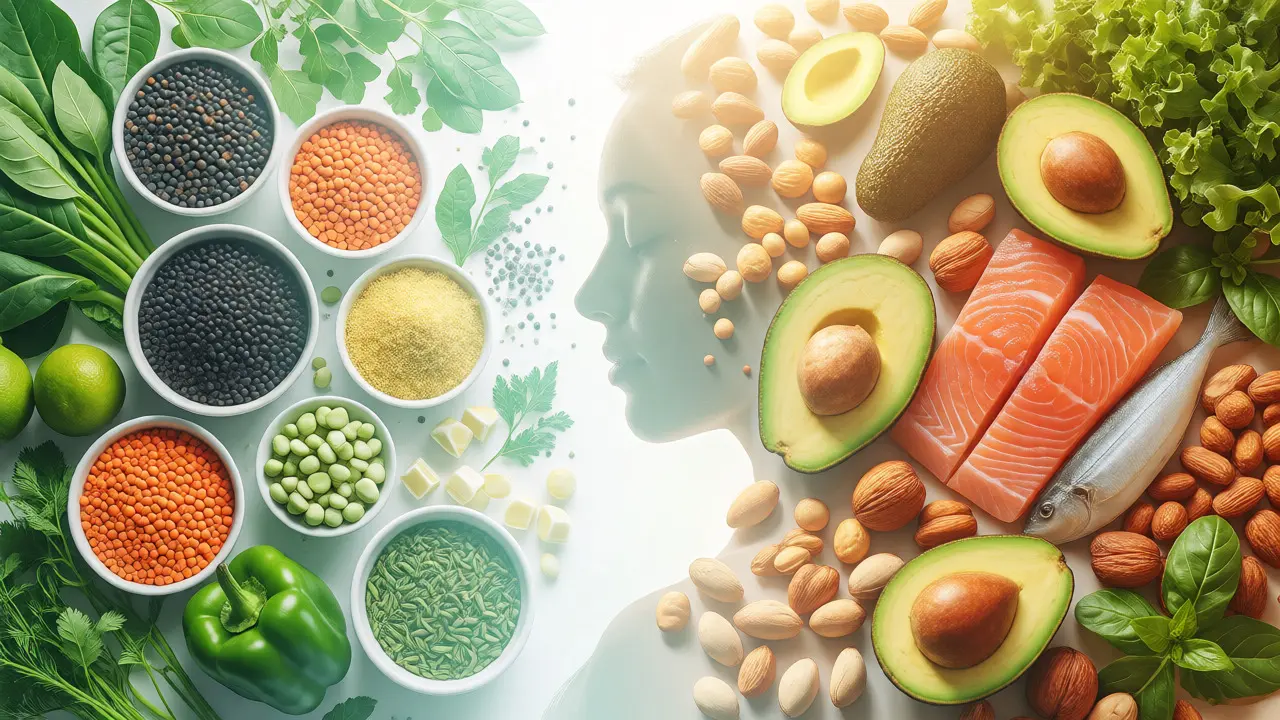
However, here is the catch: nutrient density. Women lose iron every month through menstruation. Plant-based iron (non-heme) is harder for the body to absorb than animal-based iron (heme). If you go vegan, you must pair iron-rich foods like lentils and spinach with Vitamin C sources like bell peppers or oranges to boost absorption. Also, Vitamin B12 is non-negotiable. It’s found almost exclusively in animal products. Without a supplement, long-term vegan women risk neurological issues and fatigue. Don’t let anyone tell you otherwise; take the pill or eat fortified nutritional yeast daily.
The Keto Diet: Fat Burning and Hormonal Balance
Ketogenic (Keto) is a high-fat, moderate-protein, very-low-carbohydrate diet designed to shift your body into ketosis-a state where you burn fat for fuel instead of glucose. Typically, this means eating fewer than 20-50 grams of net carbs per day.
Why do women love it? Many report reduced cravings and steady energy levels once they adapt. For women with Polycystic Ovary Syndrome (PCOS), Keto can be a game-changer. PCOS is characterized by insulin resistance, which drives weight gain and irregular periods. By slashing carbs, you lower insulin levels, which can help regulate ovulation and reduce androgen production.
But Keto isn’t a magic wand for everyone. The initial "Keto flu"-headaches, irritability, brain fog-is common as your body adapts. More importantly, some women find that extreme carb restriction stresses their adrenals. Cortisol, the stress hormone, can spike when blood sugar drops too low, potentially leading to missed periods or hair shedding. If you’re active or pregnant, Keto might be too restrictive. Listen to your body: if you’re losing your period, you’re likely eating too little or stressing your system too much.
The Paleo Diet: Ancestral Eating for Modern Life
The Paleo diet mimics the eating patterns of our hunter-gatherer ancestors. The premise is simple: eat foods that existed before agriculture. That means lean meats, fish, fruits, vegetables, nuts, and seeds. No grains, no legumes, no dairy, and no processed sugars.
This diet shines when it comes to reducing inflammation. Grains and legumes contain antinutrients like lectins and phytates, which can irritate the gut lining in sensitive individuals. For women with autoimmune conditions like Hashimoto’s thyroiditis or rheumatoid arthritis, removing these triggers often leads to significant symptom relief. You feel lighter, less bloated, and mentally sharper.
The downside? It’s expensive and socially challenging. Finding Paleo-friendly options at a restaurant can be tough. Also, by cutting out whole grains and legumes, you might miss out on prebiotic fibers that feed your gut microbiome. To counter this, focus heavily on diverse vegetables and consider adding resistant starches like cooled potatoes or green bananas if your tolerance allows. Remember, Paleo isn’t about bacon for breakfast every day; it’s about nutrient-dense, unprocessed whole foods.
Comparing the Big Three
How do these stacks up against each other? Let’s break it down by what matters most to women’s health.
| Feature | Vegan | Keto | Paleo |
|---|---|---|---|
| Primary Fuel Source | Carbohydrates (Plants) | Fats (Ketones) | Mixed (Proteins/Fats/Veg Carbs) |
| Best For | Heart health, ethics, longevity | Weight loss, PCOS, blood sugar control | Gut health, inflammation, autoimmune support |
| Hormonal Impact | Generally neutral; watch for calorie deficits | Can improve insulin sensitivity; may stress adrenals | Stabilizes blood sugar; supports thyroid function |
| Key Nutrient Risks | B12, Iron, Calcium, Omega-3s | Fiber, Electrolytes, Micronutrients | Calcium, Fiber, Whole Grain nutrients |
| Sustainability | High (if planned well) | Medium (strict adherence is hard) | Medium (socially restrictive) |
How to Choose Your Path
So, which one is right for you? There is no single "best" diet. The best diet is the one you can stick to while maintaining your energy and joy. Here’s a quick decision tree:
- Do you have PCOS or insulin resistance? Start with Keto or a modified low-carb version of Paleo. Monitor your cycle closely.
- Are you focused on heart health or ethical eating? Go Vegan. Invest in a good multivitamin and track your iron levels annually.
- Do you struggle with bloating or autoimmune issues? Try Paleo for 30 days. Eliminate grains and dairy to see if inflammation drops.
- Are you an athlete? Avoid strict Keto. Opt for Vegan or Paleo with increased carbohydrate intake around training sessions to fuel performance.
Don’t forget the middle ground. Many women thrive on a "Plant-Forward" approach that leans Vegan but includes occasional eggs or fish (Pescatarian), or a "Clean Keto" that emphasizes veggies over bacon. Flexibility is your friend. Rigid rules often lead to binge-eating later. Aim for 80% consistency, not 100% perfection.
Practical Tips for Success
Whichever path you choose, here are three universal truths for women navigating special diets:
1. Prioritize Protein. Women naturally have less muscle mass than men, making protein preservation critical, especially after age 40. Whether you’re getting it from tofu, chicken, or steak, aim for 0.6-0.8 grams of protein per pound of goal body weight. This keeps you full and protects your metabolism.
2. Hydrate and Replenish Electrolytes. Low-carb diets flush water and sodium from your body. If you’re on Keto or Paleo, salt your food generously. Add magnesium supplements if you get cramps. Dehydration often masquerades as hunger or fatigue.
3. Track How You Feel, Not Just Weight. The scale lies. It doesn’t account for water retention, muscle gain, or hormonal fluctuations. Instead, journal your energy levels, sleep quality, digestion, and mood. If you feel terrible on a diet that looks "healthy" on paper, change it. Your body knows best.
Is the Keto diet safe for women trying to conceive?
It depends. While Keto can help with fertility in women with PCOS by regulating insulin, strict Ketosis may not provide enough carbohydrates for optimal reproductive health in others. Many experts recommend transitioning to a balanced, whole-food diet (like Mediterranean or Paleo) a few months before conception to ensure adequate folate and glycogen stores.
Will I lose bone density on a Vegan diet?
Not necessarily, but you must be proactive. Vegans have a higher risk of osteoporosis if they don't consume enough calcium and Vitamin D. Include fortified plant milks, tofu set with calcium sulfate, leafy greens, and consider a Vitamin D3 supplement (vegan versions available from lichen) to protect bone health.
Can I do Paleo if I am vegetarian?
Strictly speaking, no, because Paleo excludes legumes (beans, lentils, peanuts), which are primary protein sources for vegetarians. However, a "Vegetarian Paleo" hybrid exists where you include eggs and sometimes dairy (if tolerated), focusing heavily on nuts, seeds, and vegetables. It requires careful planning to meet protein needs.
How long does it take to adapt to Keto?
Most people experience the "Keto flu" within the first 3-7 days. Full adaptation, where energy levels stabilize and cravings diminish, typically takes 2-4 weeks. Women may take slightly longer due to hormonal factors. Staying hydrated and increasing electrolyte intake significantly speeds up this process.
Is intermittent fasting compatible with these diets?
Yes, but with caution. Intermittent fasting pairs well with Keto and Paleo. For women, however, aggressive fasting windows (like 16:8 or longer) can sometimes elevate cortisol and disrupt cycles. Start with gentle windows (12:12) and monitor your body's response. If you feel stressed or your cycle changes, ease off.