Skincare Routine for Dry, Oily, and Combo Skin: A Practical Guide
 Aug, 17 2026
Most people think skincare is about buying the most expensive serum or following a ten-step Korean routine. But here’s the truth: your skin doesn’t care how many products you own. It cares if you’re using the right ones for its specific needs. If you have dry skin, a heavy oil might feel like relief, but for someone with oily skin, that same product could clog pores and trigger breakouts. Getting this wrong leads to frustration, wasted money, and skin that looks worse than when you started.
This guide cuts through the noise. We’ll break down exactly what your skin type actually is, why it behaves that way, and how to build a simple, effective routine. Whether your face feels tight by 2 PM or shiny by noon, there is a path to balanced, healthy skin. You don’t need a chemistry degree. You just need to understand the basics of hydration, barrier protection, and gentle cleansing.
Understanding Your Skin Type First
Before touching a bottle, you need to know what you’re working with. Dermatists generally classify skin into four main categories: normal, dry, oily, and combination. Identifying yours is the single most important step in building a routine that sticks.
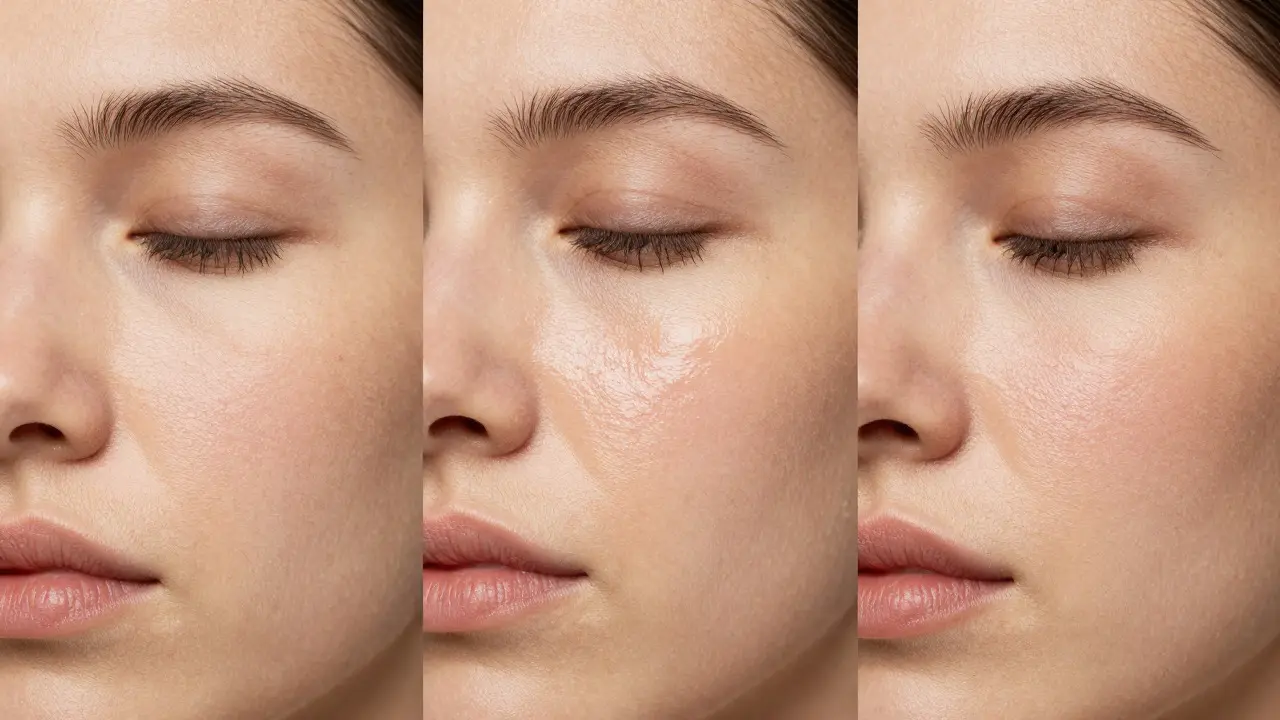
- Dry Skin is skin that lacks natural oils (sebum) and often feels tight, flaky, or rough. It may look dull and show fine lines more prominently because it lacks moisture retention.
- Oily Skin is skin that produces excess sebum, leading to a shiny appearance, enlarged pores, and a higher likelihood of acne. It typically appears thicker and less prone to wrinkles due to the natural oil layer.
- Combination Skin is a mix of oily and dry areas, usually with an oily T-zone (forehead, nose, chin) and drier cheeks. This is the most common skin type, making it tricky to manage without splitting your routine.
- Normal Skin is balanced skin that is neither too oily nor too dry, with few visible pores and no sensitivity. While lucky, even normal skin needs maintenance to stay that way.
A quick test: Wash your face with a gentle cleanser, pat it dry, and wait 30 minutes without applying anything. If your face feels tight all over, you likely have dry skin. If it shines everywhere, it’s oily. If only your forehead and nose shine while your cheeks feel neutral or tight, you have combination skin.
The Core Pillars of Any Skincare Routine
Regardless of your skin type, every effective routine rests on three non-negotiable pillars: cleansing, moisturizing, and sun protection. Skipping any of these undermines the others. For example, skipping sunscreen can undo the benefits of expensive anti-aging serums because UV damage accelerates aging faster than almost any other factor.
- Cleansing: Removes dirt, oil, and pollutants. The goal is to clean without stripping. Over-cleansing damages the skin barrier, leading to irritation and increased oil production as a defense mechanism.
- Moisturizing: Locks in water and reinforces the skin barrier. Moisturizers contain humectants (which draw water in), emollients (which smooth), and occlusives (which seal moisture in). Even oily skin needs this; it just needs lighter formulas.
- Sun Protection: Prevents photoaging and hyperpigmentation. Broad-spectrum SPF 30+ should be the last step in your morning routine, applied daily, rain or shine.
Think of these pillars as the foundation of a house. You can add extra features like exfoliants or serums later, but if the foundation is weak, the structure fails. Many beginners skip straight to retinol or vitamin C without establishing a solid base, which often leads to irritation rather than results.
Routine for Dry Skin: Focus on Barrier Repair
If you have dry skin, your primary enemy is transepidermal water loss (TEWL). Your skin barrier isn’t holding onto moisture well. The strategy here is aggressive hydration and barrier reinforcement.
In the morning, start with a lukewarm water rinse or a very gentle, cream-based cleanser. Avoid foaming cleansers with sulfates, as they strip natural oils. Follow up with a hydrating toner containing hyaluronic acid or glycerin. Then, apply a rich moisturizer that contains ceramides. Ceramides are lipids naturally found in the skin that act like mortar between the bricks of your skin cells. Products labeled with "ceramide complex" or "barrier repair" are ideal here. Finish with SPF. Since dry skin often looks dull, a moisturizer with a slight sheen can help boost radiance.
In the evening, cleanse again to remove sunscreen and environmental debris. This is where you can introduce active ingredients. Look for niacinamide, which helps regulate oil and strengthen the barrier, or peptides, which support collagen production. Apply a heavier night cream that contains occlusive ingredients like squalane or petrolatum to seal everything in while you sleep. If your skin feels extremely tight, consider adding a facial oil as the final step. Just remember: less is more. Layering too many heavy products can lead to congestion, even in dry skin types.

Routine for Oily Skin: Balance Without Stripping
People with oily skin often make the mistake of using harsh, drying soaps. This triggers a rebound effect: the skin panics, thinks it’s dehydrated, and produces even more oil. The key for oily skin is gentle consistency and lightweight textures.
Use a gel-based or foaming cleanser twice a day. Look for ingredients like salicylic acid (BHA) in your cleanser if you’re prone to blackheads. BHA is oil-soluble, meaning it can penetrate inside the pore to dissolve gunk. In the morning, skip heavy creams. Instead, use a lightweight, oil-free moisturizer with a gel texture. Ingredients like hyaluronic acid provide hydration without adding grease. Sunscreen is crucial here too; choose a matte-finish SPF to avoid looking shiny throughout the day.
In the evening, focus on regulation. Retinoids (like adapalene or tretinoin) are gold standard for oily, acne-prone skin. They speed up cell turnover, keeping pores clear and reducing oil production over time. Start slow-use it two nights a week at first-to avoid purging or irritation. Pair it with a hydrating serum to counteract potential dryness from the retinoid. You don’t need to wash your face with hot water or scrub aggressively. Gentle handling keeps inflammation down, which is vital for preventing redness and scarring.
Routine for Combination Skin: Zone Treatment Strategy
Combination skin is the trickiest because one size doesn’t fit all. The solution is zone treatment. You treat different parts of your face based on their specific needs.
Your T-zone (forehead, nose, chin) tends to be oily, while your cheeks are often dry or normal. In the morning, cleanse the whole face gently. Apply a light, water-based moisturizer to your entire face. Then, if your cheeks feel tight, apply a richer cream only to those areas. For your T-zone, stick to the lighter formula or skip the extra cream if you feel shiny. Use a broad-spectrum SPF that balances oil control and hydration.
In the evening, you can be more strategic. Cleanse thoroughly. Apply your primary treatment (like a vitamin C serum or niacinamide) to the whole face for overall brightening and barrier support. On your oily T-zone, you might apply a clay mask once a week to absorb excess oil. On your dry cheeks, you might apply a hydrating essence or a slightly richer moisturizer. This split approach ensures your dry areas get the nourishment they need without suffocating your oily areas. It takes a little more attention, but it prevents the "see-saw" effect where one area improves while the other worsens.

Common Mistakes That Sabotage Progress
Even with the right products, bad habits can ruin your progress. Here are the top three mistakes to avoid:
- Changing Products Too Often: Most active ingredients take 4 to 12 weeks to show real results. If you switch every two weeks, you never give your skin time to adapt. Pick a routine and stick with it for at least a month before judging its effectiveness.
- Ignoring the Scalp and Neck: Your face doesn’t exist in isolation. If your scalp is dry or your neck is neglected, your overall appearance suffers. Extend your moisturizer and sunscreen down to your neck and décolletage. These areas age quickly and are often forgotten.
- Skipping Moisturizer Because You’re Oily: Dehydration makes oily skin look worse. When skin is dehydrated, it compensates by producing more oil. A lightweight, non-comedogenic moisturizer helps signal to your skin that it has enough water, reducing the need for excess sebum.
Also, watch out for fragrance. While not everyone is sensitive, fragrance is the number one cause of contact dermatitis in skincare. If you have reactive skin, stick to fragrance-free formulas. They may lack the sensory appeal, but they reduce the risk of redness and stinging.
Building Your Personalized Step-by-Step Plan
Let’s put it all together. Here is a simplified template you can adapt based on your skin type.
| Step | Dry Skin | Oily Skin | Combo Skin |
|---|---|---|---|
| AM Cleanser | Gentle cream cleanser or water only | Gel/foam cleanser | Gentle gel cleanser |
| AM Serum/Treatment | Hyaluronic Acid | Niacinamide | Vitamin C (whole face) |
| AM Moisturizer | Rich cream with ceramides | Lightweight gel-cream | Light cream (cheeks) / Gel (T-zone) |
| AM Sunscreen | SPF 30+ Cream | SPF 30+ Matte Fluid | SPF 30+ Hybrid |
| PM Cleanser | Gentle cream cleanser | Salicylic Acid Cleanser | Gentle gel cleanser |
| PM Treatment | Peptides or Squalane Oil | Adapalene/Retinol | Clay Mask (T-zone weekly) / Hydrator (Cheeks) |
| PM Moisturizer | Heavy occlusive cream | Oil-free lotion | Split application based on zone |
Start with just the cleanser, moisturizer, and sunscreen. Once your skin is stable and comfortable (usually after 2-4 weeks), add one active ingredient at a time. Wait two weeks before adding another. This methodical approach lets you identify what works and what irritates you.
Frequently Asked Questions
Do I really need a separate moisturizer for my face?
Yes. Body lotions are formulated for thicker skin on your arms and legs. Facial skin is thinner and more delicate. Using body lotion on your face can clog pores or fail to provide enough hydration. Always use products specifically designed for facial use.
How long does it take to see results from a new routine?
For basic hydration and cleanliness, you might see improvements within a week. However, for changes in texture, tone, or acne reduction caused by active ingredients like retinoids or acids, expect to wait 8 to 12 weeks. Consistency is key; stopping early is the most common reason routines fail.
Can I use the same routine year-round?
Ideally, yes, but minor adjustments may be needed. In winter, you might swap a lighter summer moisturizer for a richer one. In summer, you might prioritize oil-control products. The core steps remain the same, but the texture of your moisturizer can change with the seasons.
Is exfoliating necessary for all skin types?
No. Exfoliation removes dead skin cells, which can brighten the complexion. However, sensitive or very dry skin may tolerate exfoliation poorly. If you have dry skin, limit chemical exfoliants (like AHAs) to once a week. If you have oily skin, you can exfoliate 2-3 times a week. Listen to your skin; if it feels raw or red, back off.
What is the difference between hydration and moisturization?
Hydration adds water to the skin (using ingredients like hyaluronic acid). Moisturization seals that water in and adds lipids to the barrier (using ingredients like ceramides or oils). You need both. Hydrating without moisturizing is like pouring water into a bucket with holes; the water escapes. Moisturizing without hydrating is like sealing an empty bucket; it’s dry inside.