Sibling Rivalry: A Mother’s Toolkit to Reduce Conflict
 Jan, 9 2026
Every mother knows the sound: the loud shout from the other room, the thump of a toy hitting the wall, the cry of one child followed by the defiant silence of the other. Sibling rivalry isn’t just a phase-it’s a daily reality in most homes. And while some friction is normal, constant fighting, name-calling, and physical altercations drain energy, damage relationships, and leave moms feeling like referees instead of parents.
Why Do Siblings Fight So Much?
It’s not about who’s the ‘bad’ kid. Sibling conflict usually comes down to three things: attention, territory, and identity. Kids fight because they’re trying to figure out where they fit in the family. One child might feel overlooked when the other gets praised for good grades. Another might resent sharing a room, toys, or even your time. And let’s be honest-when you’re tired, stressed, or running late, it’s easy to brush off a fight with, “Just work it out.” But that doesn’t teach them anything.
Research from the University of Michigan shows that children in households with frequent sibling conflict are more likely to show signs of anxiety and low self-esteem by age 10. The problem isn’t the fighting itself-it’s the lack of tools to handle it.
Tool #1: Stop Playing Judge
When two kids come to you with their version of events, your instinct is to listen, compare, and decide who’s right. But here’s the truth: in most sibling fights, both kids are partly right and partly wrong. Your job isn’t to assign blame-it’s to teach them how to solve problems themselves.
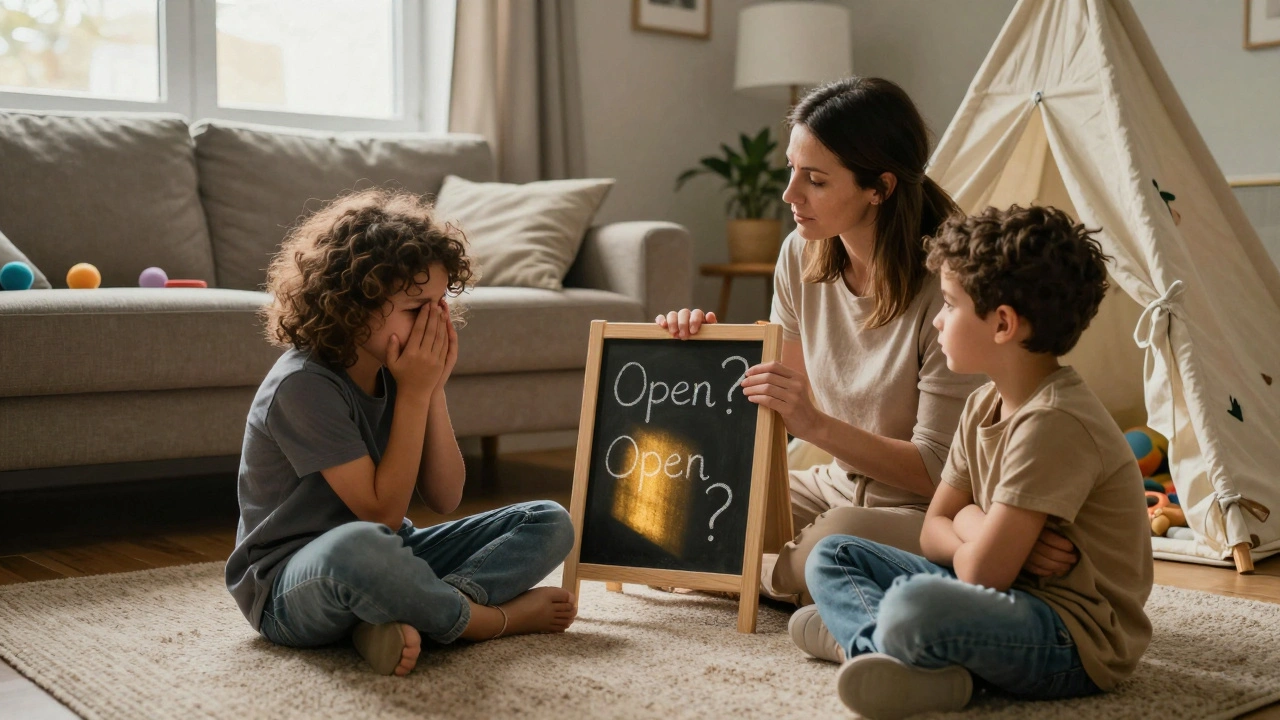
Try this instead: When they come to you, say, “I see you’re both upset. Let’s sit down and figure out how to fix this together.” Then guide them with three questions:
- What happened from your point of view?
- How did that make you feel?
- What would help you both feel better?
This doesn’t mean you ignore bad behavior. If someone hits, yells threats, or destroys property, you step in immediately. But after safety is ensured, turn the rest into a problem-solving exercise. Over time, kids learn to talk through issues instead of screaming.
Tool #2: Create Space Without Taking Away
Sharing is hard. Especially when one kid has a new video game, a special blanket, or a quiet corner they’ve claimed as their own. Instead of forcing sharing, create boundaries that respect individual needs.
Set up “no-touch zones.” These aren’t locked doors or private rooms (which can breed resentment), but clear areas or items that belong to each child. A drawer, a shelf, a specific chair, or even a time slot on the family tablet. Label them. Let them name them. When a sibling wants to use something in that zone, they ask. No negotiation. No power struggle.
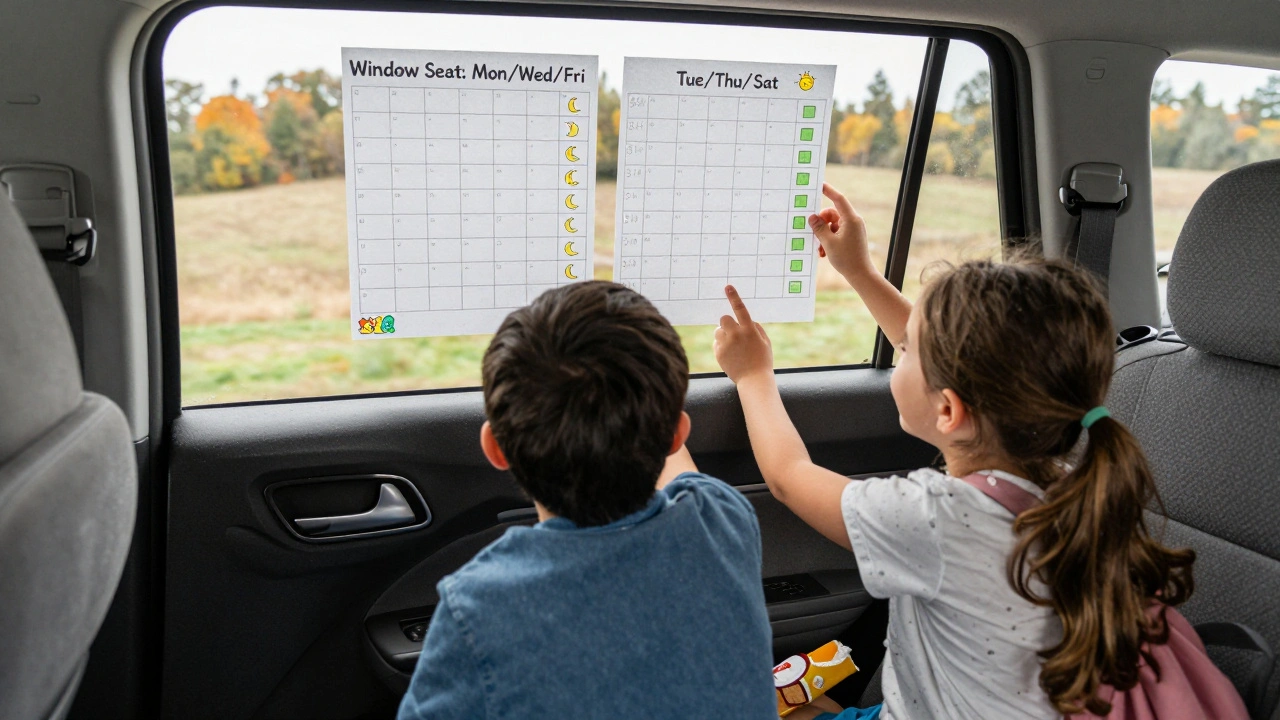
One mom in Portland told me her 7-year-old and 10-year-old used to fight over who got to sit in the window seat during car rides. She made a simple chart: “Window Seat Schedule.” Each kid got three days a week. No exceptions. No complaints. It wasn’t fair? No. But it was predictable. And predictability cuts down a lot of conflict.
Tool #3: Reward Cooperation, Not Just Compliance
Most parents reward good behavior: “Good job cleaning your room!” But we rarely reward cooperation. And that’s where the magic happens.
When your kids work together-cleaning up a mess, helping each other with homework, sharing a snack without being asked-acknowledge it specifically. Say: “I saw how you helped your sister tie her shoes. That was kind. I’m proud of you both.”
Studies from the University of California show that kids who regularly hear praise for cooperative behavior are 40% more likely to help siblings without being asked within three months. The key? Be specific. Don’t just say “Good job.” Say what they did and why it mattered.
Tool #4: Give Them a Shared Goal
When kids are stuck in rivalry mode, they see each other as opponents. But when they’re on the same team, everything changes.
Start small. Pick a weekly project: build a blanket fort, grow herbs on the windowsill, plan a family game night. Let them choose it together. Then step back. Don’t micromanage. Don’t fix it when it goes wrong. Just be there to cheer them on.
One family I know started a “Family Treasure Hunt” every Friday night. The kids had to find three hidden items around the house using clues they wrote together. It took two weeks of messy, loud, sometimes frustrating collaboration-but the first time they completed it without arguing, they high-fived each other. That moment? That’s the shift.
Tool #5: Model the Behavior You Want to See
Children learn conflict resolution by watching you. If you yell at your partner when things go wrong, they’ll yell too. If you roll your eyes when your sister calls, they’ll learn to roll theirs at each other.
It’s not about being perfect. It’s about repairing. When you snap at your partner, say it out loud: “I’m sorry I raised my voice. I was frustrated, but that’s not how we talk to each other.” When you disagree with a friend, show how you calm down: “I need a minute to think. Let’s talk later.”
One mom I spoke with started keeping a “Calm Down Journal.” Every time she felt herself getting angry at her kids, she wrote down what triggered it. After a few weeks, she noticed a pattern: she snapped most often when she was tired and hadn’t eaten. So she started keeping granola bars in her purse. Simple. But it changed how she responded-and how her kids learned to respond too.
Tool #6: Don’t Compare
“Why can’t you be more like your brother?” “Your sister cleans her room without being told.” These phrases are common. And they’re toxic.
Comparison doesn’t motivate-it isolates. It tells one child they’re not enough, and the other they have to stay perfect to be loved. Even positive comparisons (“You’re so smart!”) can backfire. The child who’s labeled “the smart one” starts to fear failure. The other starts to believe they’re not capable.
Instead, focus on individual strengths. “I noticed how patient you were helping your brother with his math,” or “I loved how you laughed when you spilled the juice-it made the whole room feel lighter.”
Each child needs to feel seen for who they are-not as a version of their sibling.
Tool #7: Let Them Bored
Here’s the truth most parents don’t want to hear: a lot of sibling fighting comes from boredom. When kids are over-scheduled, over-stimulated, or constantly entertained, they don’t learn how to entertain themselves. And when they’re stuck together with nothing to do? Conflict fills the space.
Try a “Boredom Challenge.” For one hour a day, no screens, no structured activities. Just time. Let them figure it out. Sometimes they’ll argue. Sometimes they’ll ignore each other. And sometimes? They’ll invent a game, build a story, or just sit quietly side by side.
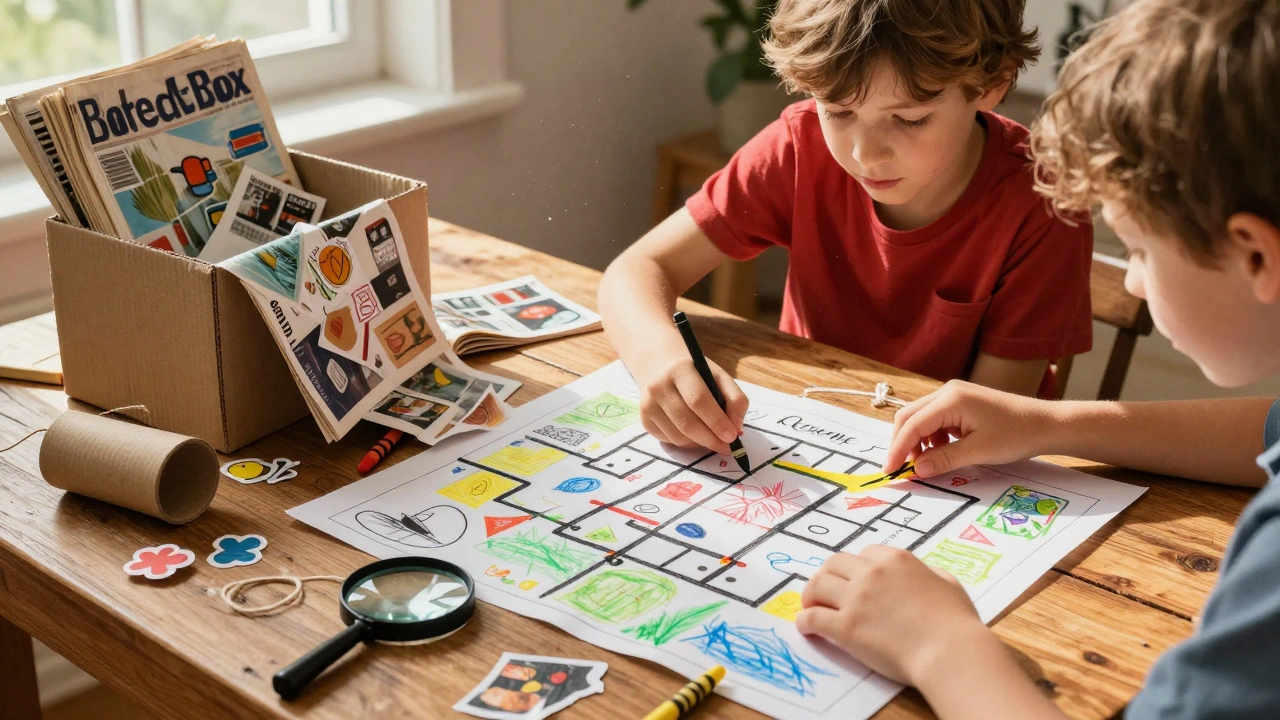
One dad in Oregon told me his kids fought nonstop until he started a “Boredom Box”-a shoebox filled with random stuff: old magazines, string, cardboard tubes, stickers, a magnifying glass. No instructions. No goal. Just stuff. Within two weeks, they were building forts and writing comic books together. They didn’t need more toys. They needed space to create.
What Doesn’t Work
Here are the three most common mistakes:
- Forcing apologies. Saying “I’m sorry” without meaning it teaches kids to lie, not reconcile.
- Taking sides. Even if one child seems clearly in the wrong, siding with them makes the other feel abandoned.
- Ignoring it. Letting kids “work it out” without teaching them how is like handing a toddler a knife and saying, “Figure out how to cut bread.”
There’s no magic fix. But consistency does. Every time you stop judging, every time you reward cooperation, every time you give them space to solve their own problems-you’re building skills that will last far beyond childhood.
When to Get Help
Sibling rivalry becomes a problem when:
- One child is consistently the target of bullying, threats, or physical harm
- One child withdraws, refuses to speak to the other, or shows signs of anxiety or depression
- Conflict lasts for hours, happens multiple times a day, and doesn’t improve with consistent strategies
These aren’t signs of bad parenting. They’re signs that your kids need more support. Talk to your pediatrician or a child therapist. It’s not weakness to ask for help-it’s what good parents do.
Is sibling rivalry normal?
Yes, sibling rivalry is completely normal. Almost all children experience some level of conflict with their siblings. It’s part of learning boundaries, communication, and emotional regulation. What matters isn’t whether they fight-it’s whether they’re learning how to resolve those fights in healthy ways.
At what age does sibling rivalry peak?
Sibling rivalry tends to peak between ages 2 and 8. This is when kids are developing strong emotions, language skills, and a sense of fairness-but haven’t yet learned how to manage conflict. The intensity often decreases as they grow older and gain better emotional control, though rivalry can resurface during major life changes like moving, starting school, or a parent’s illness.
Should I make my kids share everything?
No. Forcing constant sharing creates resentment. Instead, teach respect for personal space and belongings. Set clear “no-touch zones” for special items and teach them to ask before using something that belongs to someone else. Sharing should be encouraged, not demanded.
Can sibling rivalry affect mental health?
Yes. Chronic, unresolved sibling conflict has been linked to higher levels of anxiety, lower self-esteem, and difficulty forming healthy relationships later in life. The key is not to eliminate conflict entirely, but to guide children in resolving it constructively. Tools like problem-solving conversations and cooperative goals make a big difference.
How long does it take to see results?
Small improvements can show up in as little as two weeks with consistent effort. But real change takes time-usually 2 to 6 months. Progress isn’t linear. There will be setbacks. Stay calm, stay consistent, and keep praising cooperation. The goal isn’t perfect harmony-it’s building skills that last a lifetime.