Shop Your Closet: 7 Proven Strategies to Refresh Your Style Without Spending
 May, 5 2026
Walk into your closet. Take a deep breath. Does it feel like a treasure trove of possibilities, or does it feel like a storage unit for clothes you haven't worn in three years? We’ve all been there. You’re staring at rows of hangers, convinced you have "nothing to wear," while the pile of unworn garments grows heavier. The urge to open an app and buy something new is strong. But what if the solution isn’t in your cart, but right in front of you?
Shopping your own closet is more than just a budget-friendly hack; it’s a shift in how you view your personal style. It’s about rediscovering pieces you forgot existed, mixing items in ways you never tried before, and building confidence through creativity rather than consumption. In a world where fast fashion trends cycle faster than ever, mastering the art of styling what you already own is a superpower. Let’s look at practical, actionable strategies to refresh your look without spending a dime.
The Psychology of the "Blank Slate"
Before you touch a single garment, you need to change your mindset. Most of us suffer from decision fatigue when getting dressed. We want the path of least resistance, which usually means reaching for the same five outfits we know work. To break this cycle, you need to treat your closet like a blank canvas. This concept is often called Closet Detoxing, but it’s less about throwing things away and more about seeing clearly.
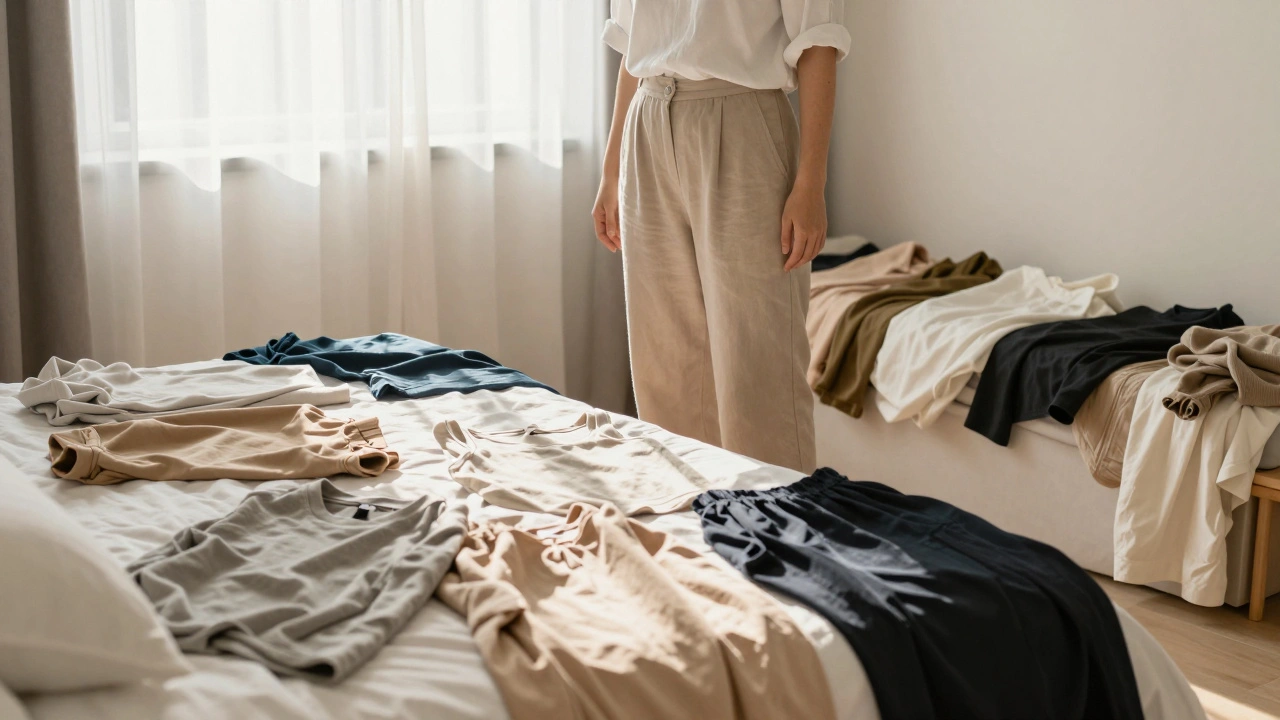
Start by pulling every single item out of your closet. Yes, every shirt, pair of pants, dress, and accessory. Lay them on your bed or floor. This visual inventory forces you to confront what you actually own. You might be surprised to find that dupe sweater you bought last year because the first one felt "off." Now that they are side-by-side, you can see the redundancy. This step clears the mental clutter that prevents creative pairing. When everything is visible, you stop relying on muscle memory and start engaging your imagination.
Implement the Color Blocking Method
One of the biggest barriers to mixing old clothes is color coordination. If your closet is a rainbow of unrelated shades, finding matches feels impossible. Enter Color Blocking. This isn’t just a runway trend; it’s a practical organizing tool. Group your clothes by primary color families. Put all neutrals (black, white, gray, beige, navy) together. Then group warm tones (reds, oranges, yellows) and cool tones (blues, greens, purples).
Once grouped, you’ll notice patterns. You might realize you have four different shades of blue tops but only one blue skirt. That’s your cue. Pair that skirt with each of the four tops. Suddenly, you have four distinct outfits. This method also helps you identify gaps. If you see a wall of black but no statement colors, you know that future shopping trips should focus on accent pieces, not basics. By organizing visually, you reduce the cognitive load of getting dressed and increase the likelihood of wearing those neglected items.
Create Outfit Formulas for Daily Wear
Consistency breeds creativity. Instead of scrambling every morning, develop a few go-to Outfit Formulas. These are simple templates that you can rotate based on what’s available. Here are three reliable formulas that work for most wardrobes:
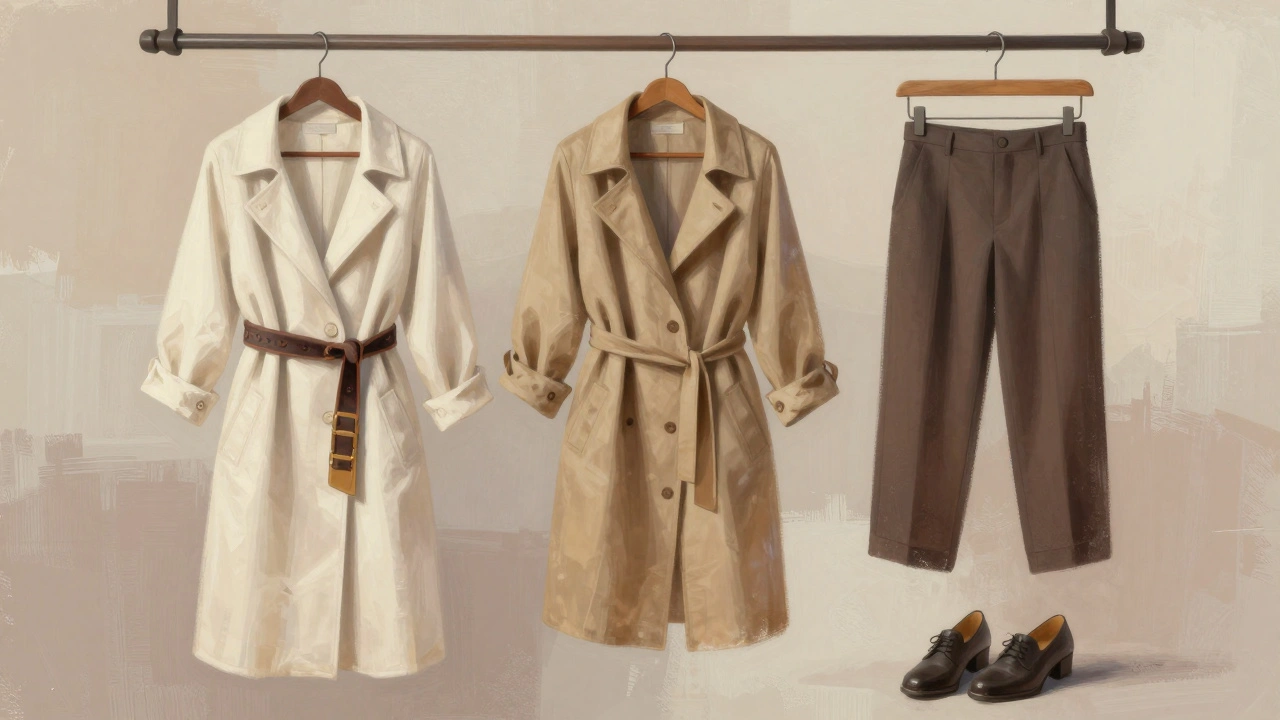
- The Tuck-and-Belt: Take any oversized top or blouse and tuck it into high-waisted trousers or a skirt. Add a belt to define the waist. This works with denim, linen, or cotton fabrics.
- The Layered Look: Start with a base layer (t-shirt or tank), add a mid-layer (cardigan, blazer, or shirt tied around the waist), and finish with outerwear (jacket or coat). Swap the mid-layer daily to change the vibe.
- The Monochrome Mix: Pick one color family and mix textures within it. A wool sweater with silk shorts in the same shade of cream looks intentional and chic, even if the pieces were bought years apart.
Write these formulas down or take photos of successful combinations. Having a visual library of "proven" outfits reduces morning stress and encourages you to experiment within safe boundaries. Over time, you’ll expand your formula repertoire as you become more comfortable with riskier pairings.
Revitalize with Accessories and Styling Tricks
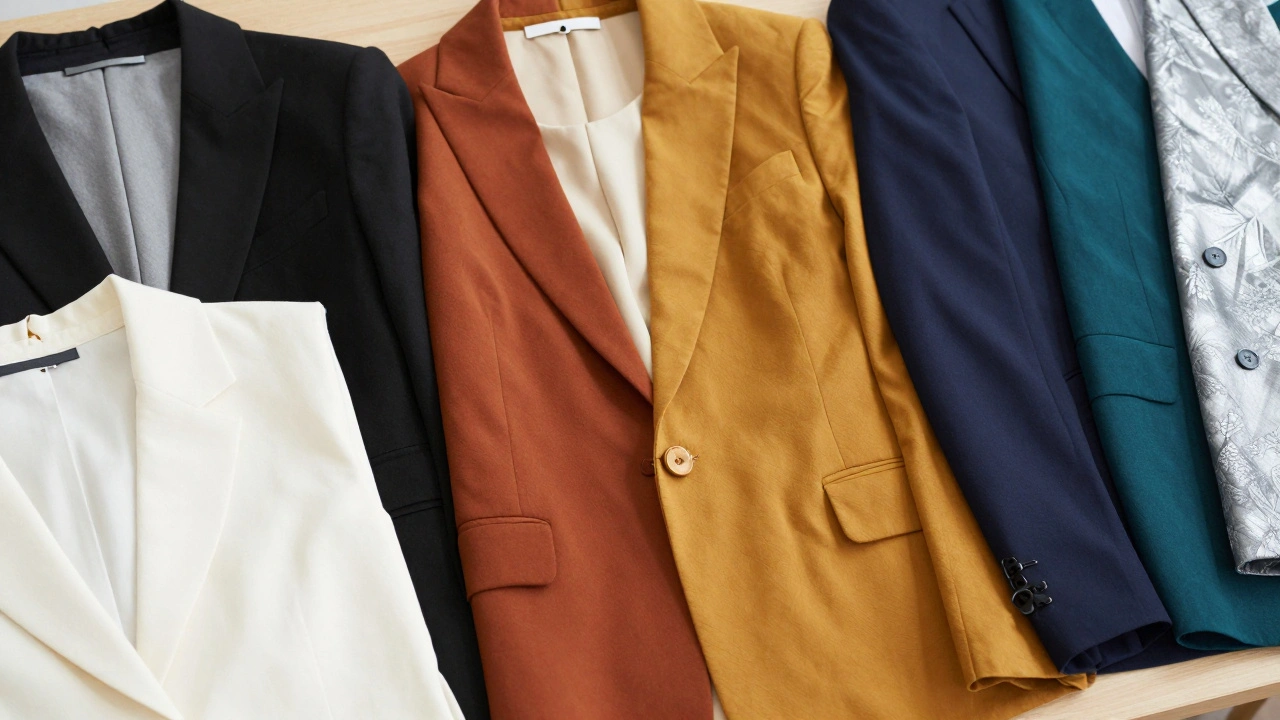
You don’t need new clothes to look new. Often, a stale outfit just needs a fresh perspective. Accessory Styling is the easiest way to transform a basic look. Dig through your jewelry box, scarf drawer, and shoe rack. These small items have a disproportionate impact on your overall aesthetic.
Try these quick tricks:
- Roll Your Sleeves: Rolling up the sleeves of a button-down or sweater changes the silhouette and adds a casual, effortless vibe.
- Swap Your Shoes: Turn a daytime office look into evening attire by switching flats for heels or sneakers for ankle boots.
- Add a Statement Belt: A wide belt over a dress or cardigan cinches the waist and adds structure to loose-fitting garments.
- Use Hair Accessories: A bold headband or silk scarf in your hair draws attention upward and frames your face, changing the entire impression of the outfit.
These micro-adjustments signal intentionality. They show that you put thought into your appearance without needing to purchase anything new. Plus, rotating accessories extends their lifespan and keeps them feeling special.
Build a Capsule Wardrobe from What You Have
A Capsule Wardrobe is a curated collection of interchangeable pieces that work together seamlessly. While many people think you need to buy specific items to create one, you can build yours entirely from existing stock. Aim for 30-40 items that reflect your current lifestyle and personal taste.
Select pieces that share common elements: similar color palettes, consistent fit preferences, and versatile styles. Remove items that are damaged, ill-fitting, or no longer align with your identity. Store these "out" items in a box outside your main closet. Seeing only the best-loved, most-functional pieces makes dressing easier and more enjoyable. This approach promotes sustainability by reducing waste and encouraging mindful consumption. It also saves money in the long run because you’re investing in quality over quantity, even if that investment was made in the past.
Document and Share Your Progress
Accountability fuels motivation. Start documenting your Closet Challenge progress. Take photos of your daily outfits and post them on social media or keep a private journal. Use hashtags like #ShopYourCloset or #NoBuyYear to connect with others who share this goal. Seeing how others style similar items can spark new ideas for your own wardrobe.
Engaging with this community provides encouragement and practical tips. You might discover that someone else paired their vintage denim jacket with a floral midi skirt in a way you never considered. Sharing your journey also reinforces your commitment. When you publicly declare your intention to shop your closet, you’re less likely to succumb to impulse buys. It becomes a game of creativity rather than a chore of restriction.
| Method | Cost | Environmental Impact | Time Investment | Creative Growth |
|---|---|---|---|---|
| Fast Fashion Buying | High | Negative | Low (initially) | Low |
| Thrifting | Medium | Positive | Medium | Medium |
| Shopping Your Closet | $0 | Very Positive | High (initial setup) | High |
Troubleshooting Common Roadblocks
Even with the best intentions, you’ll hit bumps. Maybe you try an outfit and hate it. Or you realize you genuinely lack a key piece, like a good winter coat. Don’t let these moments derail you. Instead, use them as data points. If an outfit fails, analyze why. Was it the fit? The color? The comfort? Adjust accordingly next time.
If you identify a true gap, make a list. Wait 30 days before buying anything on that list. Often, the urge fades, or you find a workaround using what you have. If you still need the item after a month, consider borrowing, renting, or thrifting before buying new. This pause ensures that every addition to your wardrobe is intentional and necessary.
How do I start shopping my closet if I have too much clutter?
Start small. Don’t try to organize the entire closet at once. Pick one section, like shirts or jeans, and pull everything out. Sort them into piles: keep, donate, and maybe. Try on the "maybe" pile to decide. Once that section is clear, move to the next. Gradual progress is more sustainable than overwhelming overhaul.
What if I’m bored with my current style?
Boredom often signals a need for experimentation, not acquisition. Try styling challenges, like wearing only black for a week or mixing prints. Use accessories to add novelty. Watch style influencers who focus on thrifting or closet challenges for inspiration. Sometimes, a new hairstyle or makeup routine can refresh your look without changing your clothes.
Is it okay to buy one new item while shopping my closet?
Yes, if it’s intentional. Follow the "one-in, one-out" rule: for every new item you bring in, remove one old item from your closet. Ensure the new piece fills a specific gap identified during your closet audit. Avoid impulse buys driven by sales or trends. Focus on versatility and longevity.
How can I maintain momentum after the initial refresh?
Set regular check-ins, like monthly closet reviews. Rotate seasonal items to keep your space fresh. Document your outfits to track what works. Join online communities for accountability. Celebrate small wins, like successfully wearing a forgotten piece. Consistency turns this practice into a habit rather than a temporary project.
What should I do with clothes I don’t want but aren’t damaged?
Donate them to local charities, consignment stores, or textile recycling programs. Selling gently used items online can recoup some costs. Swapping with friends is another fun option. Removing unwanted items creates space and clarity, making it easier to appreciate and style the pieces you love.