Sheet Pan Dinners for Women: Minimal Effort, Maximum Flavor
 Aug, 27 2026
It’s 5:30 PM on a Tuesday. You’re tired, your kids are hungry, and the last thing you want to do is scrub three separate pans while standing over a hot stove. This is where sheet pan dinners is a one-pan cooking method that combines protein, vegetables, and carbohydrates on a single baking sheet for efficient meal preparation. Also known as one-pan meals, this technique has become a lifeline for busy professionals and parents alike. By leveraging the oven’s dry heat, you get crispy edges and deep flavors without the constant stirring or cleanup. It’s not just about laziness; it’s about reclaiming your evening.
Why One-Pan Cooking Works for Busy Schedules
The magic of sheet pan dinners lies in simplicity. Instead of juggling multiple burners, you toss everything onto a rimmed baking sheet. The high heat caramelizes the natural sugars in vegetables like onions and bell peppers, creating a savory crust that tastes like it took hours. Meanwhile, proteins such as chicken thighs or salmon cook evenly without drying out. This method reduces active cooking time to under ten minutes. You preheat the oven, chop the ingredients, mix them in a bowl or directly on the pan, and let the appliance do the heavy lifting. For women balancing careers, family duties, and personal goals, this efficiency is a game-changer. It turns dinner from a chore into a manageable routine.
Building Your Base: Proteins and Vegetables
Choosing the right components ensures every bite is balanced. Lean proteins like chicken breast can dry out if overcooked, so boneless, skinless thighs are often better for sheet pans because their fat content keeps them moist. Seafood options like cod or shrimp cook incredibly fast, requiring only 10 to 12 minutes at 425°F. Vegetables should be cut into uniform pieces to ensure even cooking. Root vegetables like potatoes and carrots take longer than leafy greens, so you might need to parboil them slightly or place them closer to the center of the pan. Avoid overcrowding the pan; leave space between pieces so they roast rather than steam. Steaming results in soggy food, while roasting gives you that desirable texture contrast.
Sauce Secrets: Glazes and Marinades
The difference between a bland tray of roasted veggies and a restaurant-quality dish is the sauce. A simple glaze made from olive oil, garlic, lemon juice, and herbs binds the flavors together. Honey mustard, teriyaki, or balsamic reductions add sweetness and acidity that cut through rich meats. When applying the sauce, use a brush to coat each piece before roasting. Adding a second application halfway through cooking intensifies the flavor. Fresh herbs like rosemary, thyme, or parsley should be added in the last five minutes to preserve their bright aroma. If you prefer bold spices, try smoked paprika, cumin, or chili flakes. These elements transform basic ingredients into something memorable.
Five Easy Recipes to Try Tonight
Here are specific combinations that deliver maximum flavor with minimal effort:
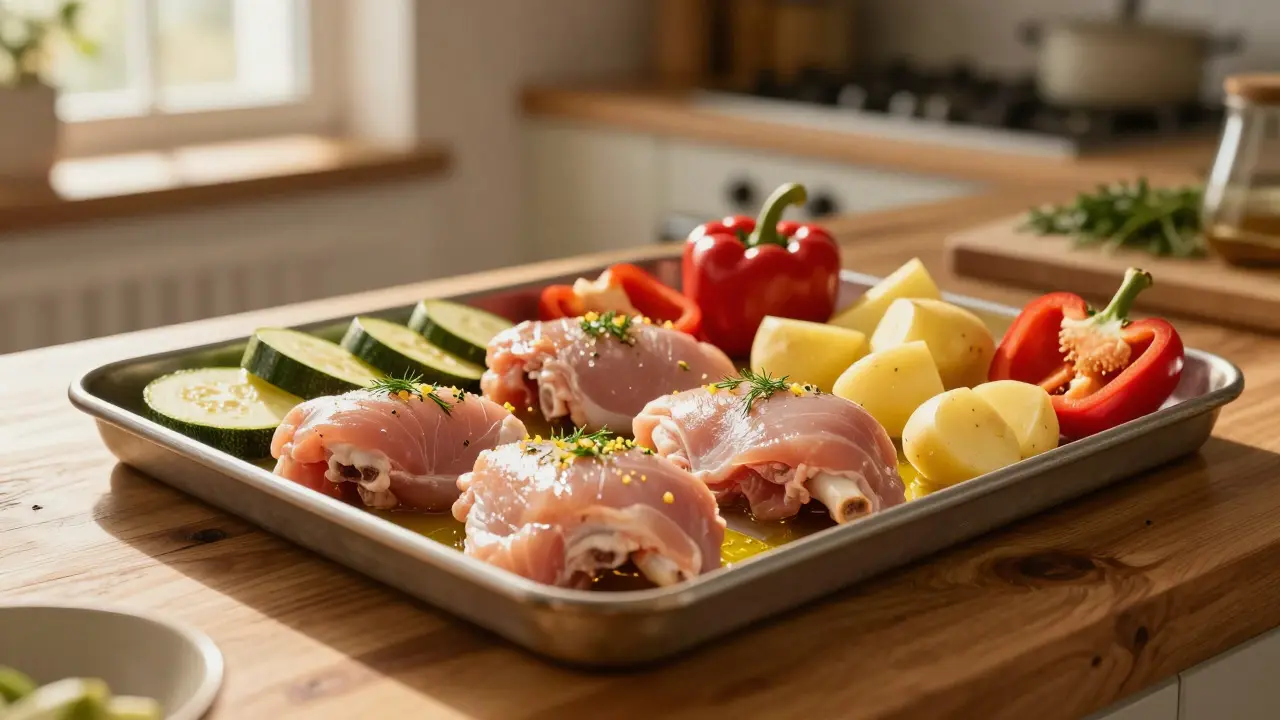
- Lemon Herb Chicken and Potatoes: Use baby potatoes, zucchini, and chicken thighs. Toss with olive oil, minced garlic, fresh dill, and lemon zest. Bake at 425°F for 35-40 minutes.
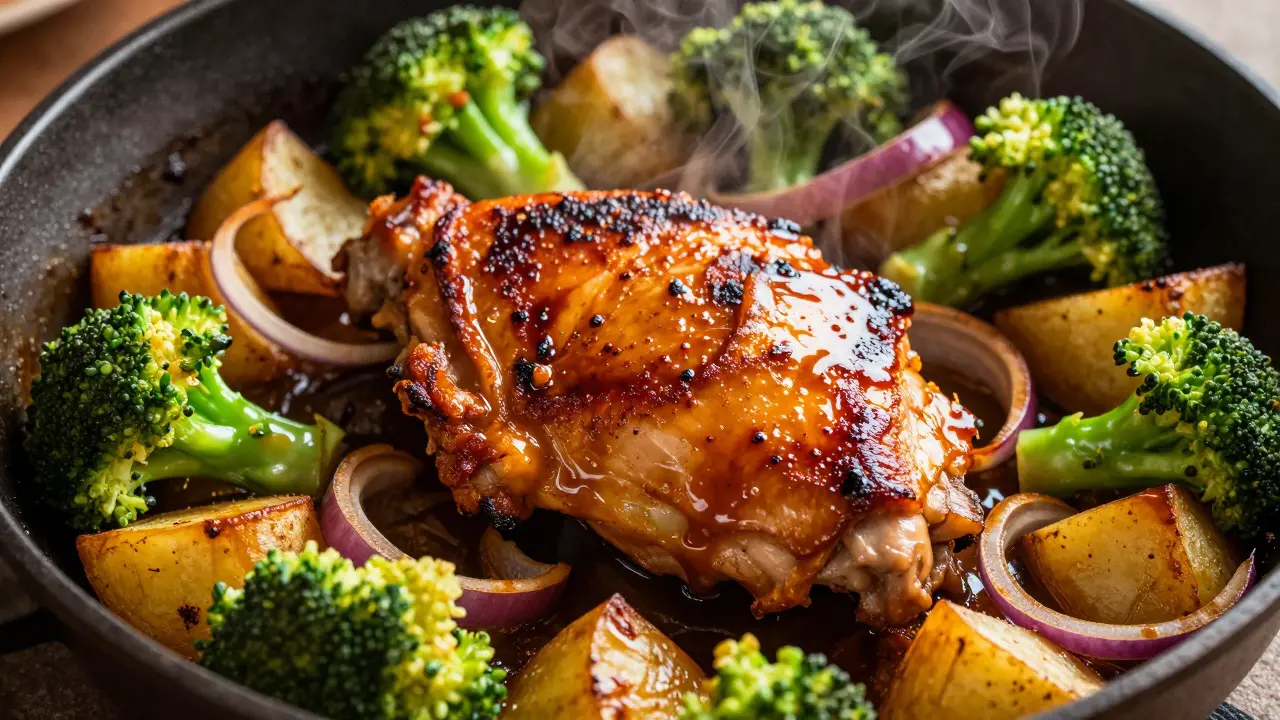
- Terrific Teriyaki Salmon: Pair salmon fillets with broccoli florets and sliced red onion. Brush with soy sauce, ginger, and honey. Bake at 400°F for 12-15 minutes.
- Mexican Street Corn Skillet Style: Roast corn kernels, black beans, and diced bell peppers. Top with cotija cheese, lime, and chipotle mayo after baking.
- Italian Sausage and Peppers: Slice Italian sausage, red and green peppers, and mushrooms. Toss with oregano, garlic powder, and olive oil. Serve over pasta or rice.
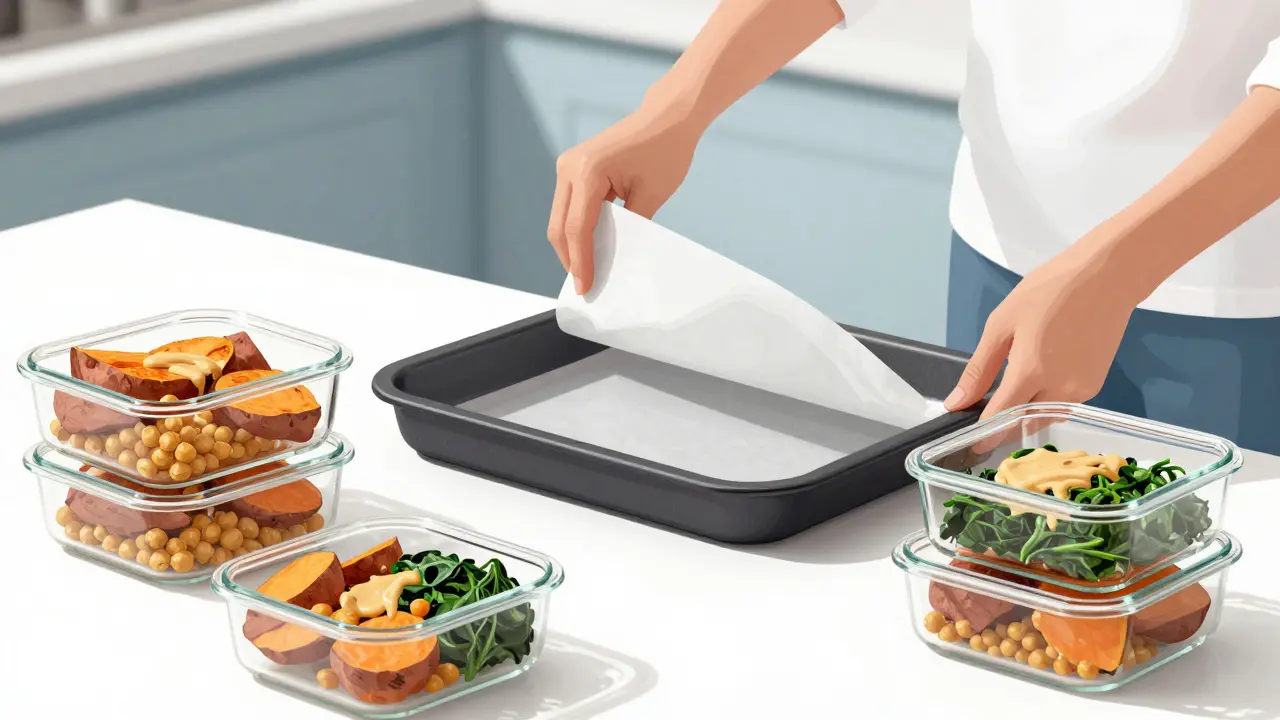
- Vegan Chickpea and Sweet Potato: Roast cubed sweet potatoes, chickpeas, and spinach. Season with turmeric, cumin, and cinnamon. Add a drizzle of tahini for creaminess.
Cleanup Hacks and Storage Tips
The best part of sheet pan dinners is the cleanup. Line your pan with parchment paper or aluminum foil before adding ingredients. This prevents sticking and makes disposal effortless. If you don’t have liners, a light coating of non-stick spray works well. Leftovers keep well in the refrigerator for up to four days. Reheat them in the microwave or, better yet, in a toaster oven to restore some crispness. Meal prepping these dishes for the week saves even more time. Prepare two or three different trays on Sunday, store them in airtight containers, and simply reheat during the workweek. This strategy eliminates decision fatigue and ensures you always have a nutritious option ready.
| Component Type | Best Options | Cooking Time (at 425°F) | Key Tip |
|---|---|---|---|
| Protein | Chicken Thighs, Salmon, Pork Chops | 25-35 mins | Pat dry before seasoning for better browning |
| Starchy Veggies | Potatoes, Sweet Potatoes, Carrots | 30-40 mins | Cut uniformly to 1-inch cubes |
| Quick-Cooking Veggies | Zucchini, Bell Peppers, Broccoli | 10-15 mins | Add halfway through cooking to prevent mushiness |
| Grains | Rice, Quinoa, Farro | N/A (Cook separately) | Use as a base to soak up pan juices |
Frequently Asked Questions
Can I use frozen vegetables for sheet pan dinners?
Yes, but you may need to adjust the cooking time. Frozen vegetables contain more water, which can lead to steaming instead of roasting. Spread them out thinly and consider increasing the temperature by 25 degrees or extending the bake time by 5-10 minutes. Fresh vegetables generally yield better texture and flavor.
What temperature should I set my oven for sheet pan dinners?
425°F (220°C) is the standard temperature for most sheet pan dinners. This heat ensures that proteins cook through while vegetables caramelize properly. Lower temperatures may result in pale, unflavored vegetables, while higher temperatures can burn the edges before the inside is cooked.
How do I prevent my chicken from drying out?
Use bone-in, skin-on chicken thighs instead of breasts. The fat and skin protect the meat from drying out. Additionally, brining the chicken for 30 minutes before cooking helps retain moisture. Always check the internal temperature with a meat thermometer; poultry is safe to eat at 165°F.
Can I make sheet pan dinners vegetarian?
Absolutely. Swap meat for hearty vegetables like cauliflower, eggplant, or tofu. Chickpeas and white beans provide excellent protein. Tofu should be pressed and cubed before roasting to achieve a crispy exterior. Combine with starchy vegetables like potatoes to create a satisfying, plant-based meal.
Do I need a special type of baking sheet?
A rimmed baking sheet is ideal to contain sauces and juices. Heavy-gauge aluminum sheets conduct heat evenly and resist warping. Dark-colored pans absorb more heat, which can help with browning, but monitor the food closely to avoid burning. Non-stick surfaces make cleanup easier but require gentle utensils to avoid scratching.