Sexual Health for Queer Women: Risks, Barriers, and Care Guide
 Aug, 17 2026
Most people assume that sexual health is a straightforward topic. You go to the doctor, get tested, and move on. But for queer women, the picture is much more complex. The standard medical model was built around heterosexual norms, which means many of us face unique hurdles just to get basic care. Whether you are in a relationship with another woman or navigating solo dating, understanding your specific risks and knowing how to advocate for yourself is crucial.
This guide breaks down the reality of sexual health for lesbian, bisexual, pansexual, and non-binary individuals who identify as women. We will look at the actual medical risks, the social barriers that prevent access to care, and practical steps to build a supportive healthcare routine. It is not about fear; it is about empowerment through knowledge.
The Myth of "Safe" Sex Between Women
A common misconception is that women who have sex with women (WSW) do not need to worry about sexually transmitted infections (STIs). This idea persists because there is no direct exchange of semen in the same way it happens in penile-vaginal intercourse. However, this view ignores how STIs actually spread. Infections can be transmitted through skin-to-skin contact, oral sex, shared toys, and even blood exposure during menstruation.
Chlamydia and Gonorrhea are the most prevalent STIs among queer women. These bacteria thrive in warm, moist environments like the cervix, vagina, and rectum. If one partner has had a previous heterosexual experience, these infections can linger asymptomatically for years before being passed to a new partner. Similarly, Human Papillomavirus (HPV) is highly transmissible through genital warts or microscopic lesions. Even without visible symptoms, viral shedding can occur.
Beyond bacterial and viral infections, other conditions require attention:
- Trichomoniasis: A parasitic infection often mistaken for a yeast infection due to similar itching and discharge symptoms.
- Hepatitis B & C: Transmitted through shared razors, toothbrushes, or unprotected oral sex if there are open sores or bleeding gums.
- Molluscum Contagiosum: A viral skin infection that causes small, raised bumps, often confused with genital warts but treated differently.
The key takeaway is that transmission routes are diverse. Assuming safety based solely on anatomy is a risky strategy. Regular screening remains the gold standard for prevention.
Navigating Healthcare Barriers
Getting tested is only half the battle. Finding a provider who understands your needs is the other half. Many queer women report feeling judged, ignored, or misdiagnosed by traditional healthcare providers. This phenomenon, often called "heteronormative bias," leads to avoidable delays in treatment.
One major barrier is the assumption of monogamy. Doctors may ask, "Do you have a male partner?" and stop asking questions when the answer is no. They might skip pelvic exams or recommend testing less frequently than necessary. Another issue is terminology. If a provider uses terms like "lesbian" exclusively to describe a patient’s identity without asking about their full sexual history, they miss critical data points regarding recent partners of any gender.
Financial and logistical barriers also play a role. In the United States, insurance coverage for STI testing can vary widely. Some plans require a referral from a primary care physician before allowing a visit to a specialist or a community clinic. For those living in rural areas, the nearest LGBTQ+-affirming clinic might be hours away, making consistent care difficult.
To navigate these obstacles, consider these strategies:
- Find an Affirming Provider: Look for doctors who explicitly list themselves as LGBTQ+ friendly. Check reviews or ask local community centers for recommendations.
- Know Your Rights: Under HIPAA, your medical information is private. You have the right to ask for a female provider or a nurse practitioner if you feel more comfortable.
- Use Community Clinics: Organizations like Planned Parenthood or local LGBTQ+ health centers often offer sliding-scale fees and comprehensive screenings without lengthy referrals.
Practical Strategies for Safe Intimacy
Prevention does not have to mean giving up pleasure. With the right tools and habits, you can significantly reduce your risk while maintaining a healthy intimate life. Communication is the foundation here. Talking about sexual health with a partner can feel awkward, but it builds trust and ensures both parties are on the same page.
Here are concrete methods to protect yourself:
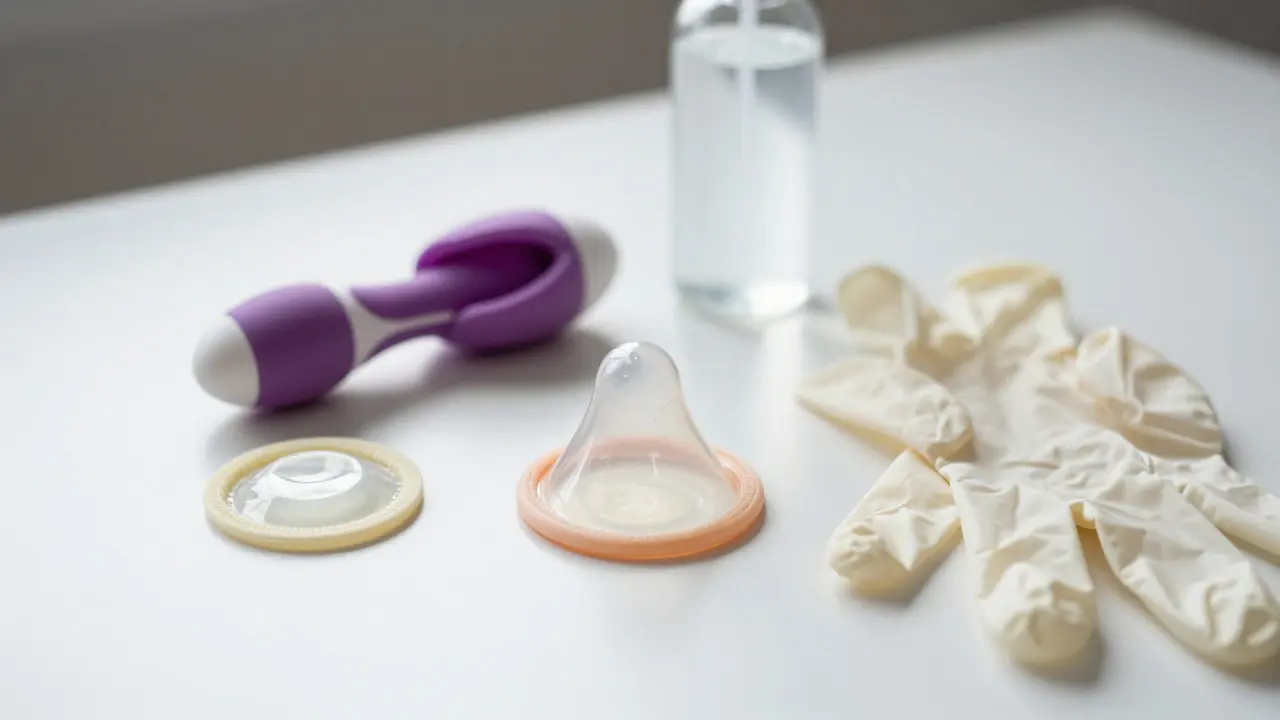
1. Barrier Methods External condoms are not just for penises. They can be used on vibrators, dildos, or even fingers (using gloves) to prevent skin-to-skin transmission of HPV and herpes. Dental dams, which are thin sheets of latex or polyurethane, are specifically designed for oral-vaginal and oral-anal contact. If dental dams are unavailable, a cut-open condom works as a substitute.
2. Toy Hygiene Shared toys are a significant vector for STIs. Always clean sex toys between partners using warm water and mild soap or a dedicated toy cleaner. Avoid porous materials like jelly rubber, which can harbor bacteria. Use water-based lubricants with condoms and dental dams, as oil-based lubes can degrade latex.
3. Vaccination The HPV vaccine is recommended for all genders up to age 45, though it is most effective when given before sexual debut. The Hepatitis B vaccine is also widely available and provides long-term protection. Ask your provider if you are up to date on these immunizations.
4. Regular Testing Schedules If you have multiple partners or a new partner, test every three to six months. If you are in a monogamous relationship where both partners have been tested negative, annual check-ups are usually sufficient. Keep a simple log of your last test dates to share with new partners if needed.
| Method | Protects Against | Best For | Limitations |
|---|---|---|---|
| Dental Dam | Oral-Vaginal/Anal Transmission | Cunnilingus, Anilingus | Can slip off; requires proper sizing |
| Condom on Toy | Skin-to-Skin, Fluid Exchange | Vibrators, Dildos | May reduce sensation slightly |
| Gloves | Finger-to-Genital Contact | Manual Stimulation | Not suitable for all types of intimacy |
| Vaccination | HPV, Hepatitis B | Long-term Prevention | Does not cover existing infections |
Building a Supportive Care Routine
Your sexual health is part of your overall well-being. Integrating regular check-ups into your lifestyle makes them less stressful and more routine. Think of it like brushing your teeth-consistent, easy, and essential.
Start by establishing a baseline. Schedule a general physical exam that includes a discussion about your sexual history. Be honest about your partners, regardless of their gender. This helps your provider tailor the tests to your actual risk profile. For example, if you have had anal sex, request a rectal swab for gonorrhea and chlamydia, as these spots are often missed in standard vaginal swabs.
Keep a personal health journal. Note down any changes in discharge, pain, or mood swings that might correlate with your cycle or stress levels. This data can be invaluable when discussing concerns with a doctor. It shifts the conversation from guesswork to evidence-based care.
Finally, lean on your community. Online forums, local support groups, and friends who share similar experiences can provide emotional support and practical tips. Isolation is a major barrier to seeking care. Knowing that others are navigating the same challenges can make the process feel less daunting.

Common Misconceptions Debunked
Let’s clear up a few lingering myths that still affect how queer women approach their health.
Myth 1: "You can’t get pregnant." While true for two cisgender women without sperm donation, this myth leads to complacency about other reproductive issues. Endometriosis, PCOS, and ovarian cysts affect queer women just as they do anyone else. Ignoring pelvic pain because "you don't need a uterus check-up" can delay diagnosis of serious conditions.
Myth 2: "STIs only come from casual sex." Infections can persist in long-term relationships if partners were not screened before becoming exclusive. A single round of testing at the start of a relationship is not enough if either partner had prior exposures.
Myth 3: "The doctor will know I’m queer." Unless you tell them, they won’t. Providers rely on patient input. Do not assume they will ask detailed questions about your sexual practices. Take charge of the conversation.
When to See a Doctor Immediately
While regular check-ups are vital, some symptoms warrant immediate attention. Do not wait for your next scheduled appointment if you experience:
- Persistent pelvic pain or cramping that does not align with your menstrual cycle.
- Unusual discharge that is foul-smelling, green, or gray.
- Blisters, sores, or lumps in the genital, anal, or oral areas.
- Burning sensation during urination.
These signs could indicate an STI, an infection, or other gynecological issues. Early treatment prevents complications and reduces the risk of transmission to partners.
How often should queer women get tested for STIs?
If you have multiple partners or use barrier methods inconsistently, testing every 3 to 6 months is recommended. For monogamous couples who have both tested negative, annual testing is generally sufficient. Always consult your provider to create a schedule based on your specific risk factors.
What is the best barrier method for oral sex between women?
A dental dam is the most effective tool for preventing transmission during cunnilingus or anilingus. If a dental dam is not available, a condom cut open along the side can serve as a temporary alternative. Ensure the material is latex-free if you have sensitivities.
Do I need a pelvic exam if I am not trying to conceive?
Yes. Pelvic exams are not just for pregnancy monitoring. They help detect cervical abnormalities, ovarian issues, and signs of infection. Regular exams are part of preventive care for all women, regardless of sexual orientation or family planning goals.
Can I pass an STI to my partner through shared toys?
Yes. Bacteria and viruses can survive on the surface of sex toys. To prevent cross-contamination, clean toys thoroughly between partners or use a fresh condom on each toy for each person. Porous toys should be replaced regularly as they are harder to sanitize completely.
Where can I find an LGBTQ+-friendly doctor near me?
Check directories from organizations like the Human Rights Campaign or local LGBTQ+ health centers. Planned Parenthood clinics are also known for providing inclusive care. When booking an appointment, call ahead to ask about the provider's experience with queer patients.