Seasonal Eating for Women: Late Summer Guide to Fresh Produce
 Aug, 26 2026
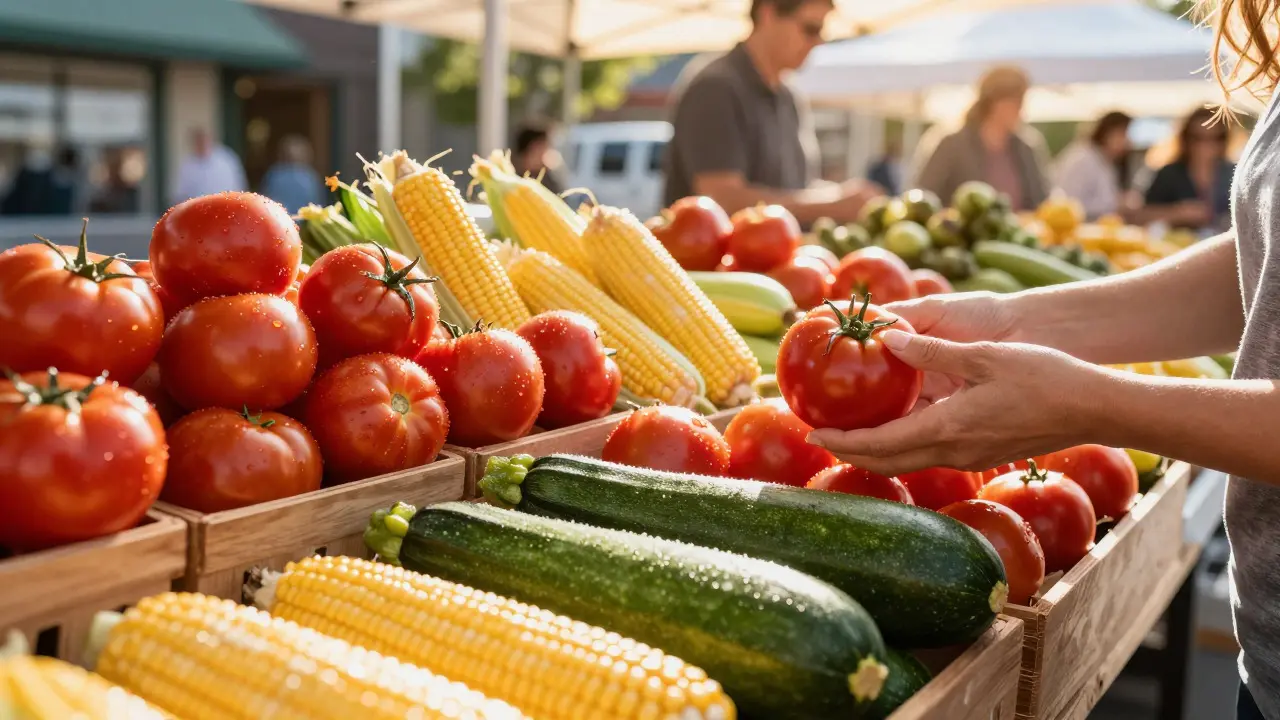
It is August, and the farmers' markets in Portland are overflowing with tomatoes that taste like sunshine. If you are a woman trying to eat better without spending hours in the kitchen or draining your wallet, seasonal eating is your best friend right now. It’s not just about being trendy; it’s about getting more nutrients per dollar and food that actually tastes good because it was picked days ago, not months.
Many of us struggle with the "what do I cook today?" fatigue. The solution isn't complex diet plans. It’s simply aligning your plate with what nature is currently providing. In late summer, we have access to some of the most nutrient-dense foods of the year. Let’s look at exactly what is fresh right now and how to use it in simple, delicious ways that support your health goals.
Why Late Summer Is Peak Season for Nutrients
Freshness matters more than organic labels when it comes to nutrient density. Vegetables lose vitamins A and C rapidly after harvest. When you buy local produce in August, you are eating crops that were likely harvested within 48 hours. This means higher levels of antioxidants and phytonutrients compared to winter produce that has been shipped across the country and stored in cold warehouses.
For women specifically, this timing is beneficial. We often face increased stress during the end-of-summer transition back to work or school. Nutrient-dense foods help regulate blood sugar and support hormonal balance. Instead of reaching for processed snacks to cope with fatigue, leaning into fresh, hydrating vegetables can stabilize your energy levels naturally.
| Produce Item | Key Nutrients | Best Use Case | Storage Tip |
|---|---|---|---|
| Tomatoes | Lycopene, Vitamin C | Salads, Salsa, Roasting | Keep on counter, not fridge |
| Zucchini | Potassium, Fiber | Sautéing, Zoodles, Frying | Refrigerate in paper bag |
| Corn | B Vitamins, Carotenoids | Grilling, Boiling, Raw kernels | Eat within 2 days of purchase |
| Berries | Anthocyanins, Fiber | Oatmeal topping, Smoothies | Wash only before eating |
The Top Five Stars of Late Summer
You don’t need to memorize every vegetable. Focus on these five staples that dominate the market right now. They are affordable, versatile, and packed with the specific nutrients women need for skin health, digestion, and energy.
- Tomatoes: Whether they are vine-ripened beefsteaks or small cherry varieties, tomatoes are at their peak flavor. The lycopene in tomatoes becomes more bioavailable when cooked, so roasting them intensifies both taste and health benefits.
- Zucchini: Often overlooked, zucchini is a hydration powerhouse. It has high water content and low calories, making it perfect for filling up your plate without feeling heavy. It also acts as a great substitute for pasta if you want to reduce carb intake slightly.
- Corn: Sweet corn is fleeting. Once September hits, it disappears from local stands. It provides complex carbohydrates that fuel your afternoon slump better than refined sugars. Grilled corn with lime and chili powder is a classic for a reason.
- Berries: Blueberries, raspberries, and blackberries are still available in August, though prices may start to rise. They are among the highest antioxidant foods on earth. Adding them to your morning routine helps combat oxidative stress.
- Peppers: Bell peppers and hot peppers are loaded with Vitamin C-more than oranges. They add crunch and color to meals, which makes them psychologically satisfying. Your brain registers colorful plates as healthier, which encourages mindful eating.
Simple Recipes That Respect Your Time
Knowing what to buy is half the battle. The other half is knowing how to cook it quickly. Here are three no-fuss meal ideas using the ingredients above. These require minimal prep and cleanup, ideal for busy weeknights.
1. The 15-Minute Tomato & Corn Salad
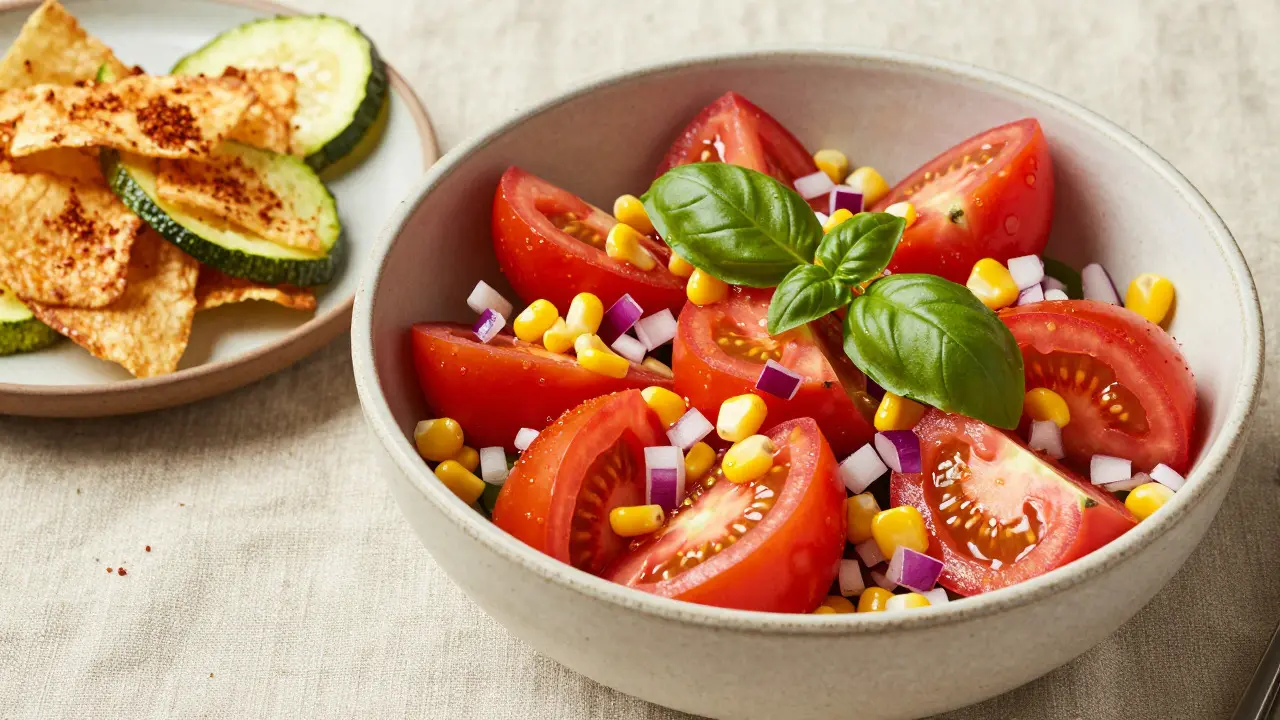
This salad works as a side dish or a light lunch. Chop one large tomato and slice two ears of corn off the cob (or use frozen if fresh is unavailable, but fresh is sweeter). Toss with diced red onion, a handful of fresh basil, olive oil, lemon juice, salt, and pepper. The acidity of the lemon brightens the sweetness of the corn. Serve over mixed greens or alone.
2. Crispy Zucchini Chips
Stop hiding zucchini in soups. Slice it into thin rounds. Toss with a little olive oil, smoked paprika, and garlic powder. Bake at 400°F (200°C) for 15-20 minutes until the edges are crisp. These make an excellent snack replacement for chips. Pair them with hummus or Greek yogurt dip for protein.
3. Berry Overnight Oats
Prep this on Sunday night for the whole week. Mix rolled oats, chia seeds, and milk (dairy or plant-based) in a jar. Add a tablespoon of honey or maple syrup. In the morning, top with a cup of fresh berries and a drizzle of nut butter. This meal stabilizes your blood sugar, preventing the mid-morning crash that leads to vending machine runs.
Navigating the Grocery Store Like a Pro
Shopping seasonally requires a shift in mindset. You stop looking for the same items year-round and start asking, "What is good right now?" Here are practical tips to save money and reduce waste.
- Check the Local Almanac: Every region has different growing seasons. In the Pacific Northwest, stone fruits like peaches and plums are abundant in July and August. In the South, sweet potatoes might be coming in earlier. Know your local calendar.
- Buy Ugly Produce: Farmers' markets and some grocery stores sell "imperfect" produce at a discount. A crooked carrot or a dented apple has the exact same nutritional value as its symmetrical counterpart. This is the easiest way to cut costs by 20-30%.
- Freeze the Surplus: If you find a deal on berries or corn, freeze them immediately. Frozen produce retains nutrients well and can be used in smoothies or cooked dishes later. This bridges the gap when summer ends.
- Plan Around One Hero Ingredient: Pick one seasonal star (like tomatoes) and build three meals around it. For example: tomato soup for dinner, tomato salsa for breakfast eggs, and roasted tomato bruschetta for a snack. This reduces decision fatigue.
How Seasonal Eating Supports Hormonal Health
While not a medical cure-all, dietary patterns significantly impact hormonal balance. Women’s bodies go through various cycles throughout life, from menstruation to perimenopause. Consistent intake of fiber-rich, whole-food plants helps regulate insulin levels. Stable insulin supports balanced estrogen and progesterone production.
Late summer produce is high in fiber and water. This combination aids digestion and prevents bloating, a common complaint during certain phases of the menstrual cycle. Additionally, the variety of phytochemicals found in colorful vegetables acts as mild anti-inflammatories, helping to manage joint pain or general body inflammation that can worsen with age.
Think of seasonal eating as a form of self-care. It removes the guesswork from nutrition. You aren't guessing if a banana is ripe enough; you know it will be sweet because it's in season. You aren't worrying if your salad is bland; you know the tomatoes will pop with flavor. This predictability reduces stress, which is crucial for overall wellness.
Common Mistakes to Avoid
Even with the best intentions, people trip up on a few key points. Avoid these pitfalls to get the most out of your seasonal diet.
Mistake 1: Refrigerating Everything. Tomatoes, peppers, and cucumbers lose flavor and texture when refrigerated. Keep them on the counter away from direct sunlight. Only put them in the fridge if they are starting to spoil.
Mistake 2: Waiting Until Last Minute. Fresh herbs like basil and cilantro wilt quickly. Buy them in smaller quantities and use them within 3-4 days. If you have too much, chop and freeze in ice cube trays with a little olive oil.
Mistake 3: Ignoring Storage Conditions. Ethylene-producing fruits (like apples and bananas) ripen nearby vegetables faster. Keep them separate from leafy greens and broccoli to extend shelf life.
Transitioning to Fall: What to Expect Next
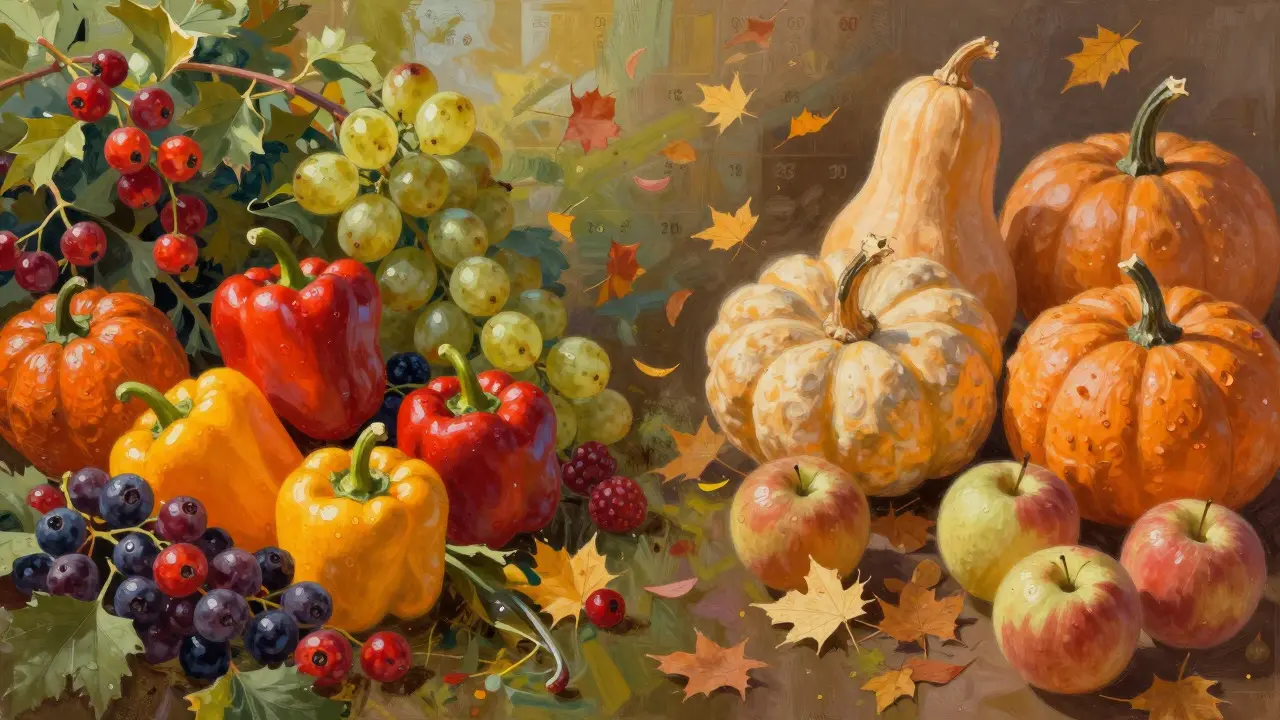
As August winds down, the menu shifts. By late September, you’ll see fewer tomatoes and more root vegetables. Squash, pumpkins, and apples become the new stars. To prepare, stock up on freezer-friendly items now. Corn and berries are perfect candidates. Also, start learning a few squash recipes so you’re ready when the harvest peaks. This continuity ensures you don’t feel like you’re starting from scratch every month.
Seasonal eating isn’t a rigid rulebook. It’s a flexible approach that connects you to your environment and your body’s needs. By focusing on what is fresh in August, you enjoy better taste, higher nutrition, and lower costs. It’s a win-win that fits easily into any lifestyle, whether you live in a bustling city or a quiet suburb.
Is seasonal eating cheaper than buying year-round produce?
Yes, generally. When produce is in season, supply is high and demand is stable, which drives prices down. Out-of-season produce often requires long-distance shipping and controlled-atmosphere storage, adding to the cost. Buying local in season can save you 20-40% compared to imported alternatives.
Do I need to be organic to benefit from seasonal eating?
No. While organic produce has lower pesticide residues, the primary benefit of seasonal eating is freshness and nutrient density. A conventional tomato picked yesterday is nutritionally superior to an organic tomato picked two months ago and shipped across the country. Wash all produce thoroughly regardless of label.
What should I do if I miss my favorite summer vegetable?
Look for frozen versions or consider preserving them yourself. Freezing preserves nutrients well for smoothies and cooking. Alternatively, embrace the next seasonal crop. For example, if you miss tomatoes in October, try roasted red peppers, which offer similar umami flavors and vitamin C.
How does seasonal eating help with weight management?
Seasonal vegetables are typically high in water and fiber but low in calories. This creates a high volume-to-calorie ratio, meaning you can eat larger portions that fill you up without excess calorie intake. The natural sweetness of ripe fruit also satisfies cravings without added sugars.
Where can I find a reliable seasonal produce calendar?
Your local extension service or university agricultural department usually publishes free seasonal guides specific to your region. Farmers' market websites also often list current harvests. For the Pacific Northwest, check local cooperative extension resources for accurate regional data.