Seasonal Decor Swaps: A Woman's Guide to Refreshing Your Home Every Season
 Apr, 13 2026
Your home can either feel like a sanctuary that evolves with the year or a static space that feels stale by October. Most of us fall into the trap of buying a completely new set of furniture every time the weather changes, which is a fast track to a cluttered garage and a drained bank account. The secret isn't in the big purchases, but in the small, intentional shifts-the things you swap out to signal to your brain that a new season has arrived.
Quick Tips for a Seasonal Refresh
- Swap heavy velvet pillows for linen or cotton blends in spring.
- Rotate your scents from woody cinnamon to fresh citrus or florals.
- Change out window treatments to control light and heat based on the month.
- Use a "decor bin" system to store out-of-season items so they stay pristine.
- Focus on textures: wool for winter, rattan for summer.
The Art of the Seasonal Shift
Refreshing your home isn't about following a strict catalog; it's about mood management. When we talk about seasonal decor swaps the practice of rotating interior design elements like textiles, colors, and accessories to align with the current season, we are really talking about psychology. Why does a heavy wool throw feel oppressive in July? Because our environment dictates our internal state. By changing a few key elements, you can trick your mind into feeling more energized in the spring and more cocooned in the winter.
The key is to identify your "anchor pieces." These are your sofa, dining table, and bed frame-things that don't move. Everything else-the rugs, the pillows, the art, and the candles-are your variables. When you treat your home like a gallery where the exhibits change every three months, you keep the space feeling new without the stress of a full renovation.
Spring: Awakening Your Space
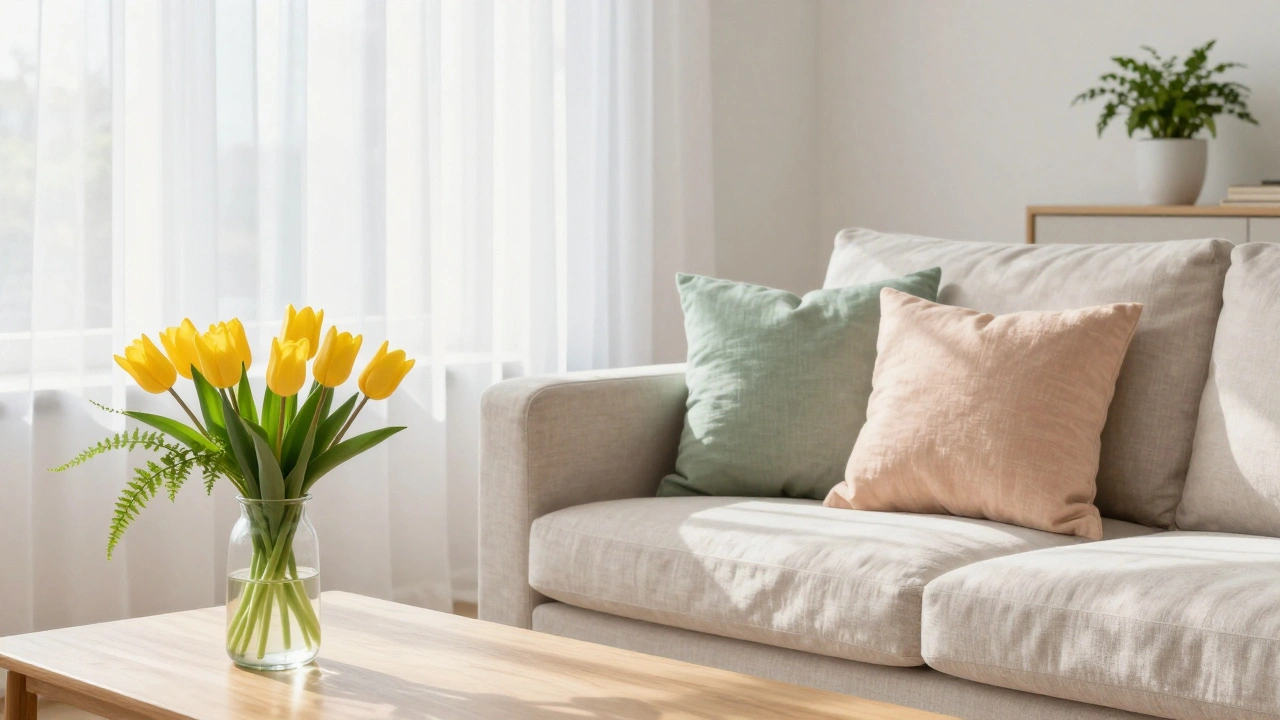
Spring is all about shedding the weight of winter. In a place like Portland, where the gray lingers longer than you'd like, bringing the outside in is a survival tactic. Start by clearing out the heavy Textiles woven fabrics used for home furnishings and clothing. Those chunky knit blankets that kept you warm in January now feel like a burden.
Replace them with lightweight cotton or linen throws in pastel tones or sage greens. Bring in Indoor Plants live vegetation grown inside a home to improve air quality and aesthetics. A few potted ferns or a fresh vase of tulips can instantly lift the energy of a room. If you have heavy blackout curtains, consider swapping them for sheer panels that let the increasing daylight flood your living room. This doesn't just look better; it helps fight the seasonal slump by maximizing your exposure to natural light.
Summer: Light, Airy, and Cool
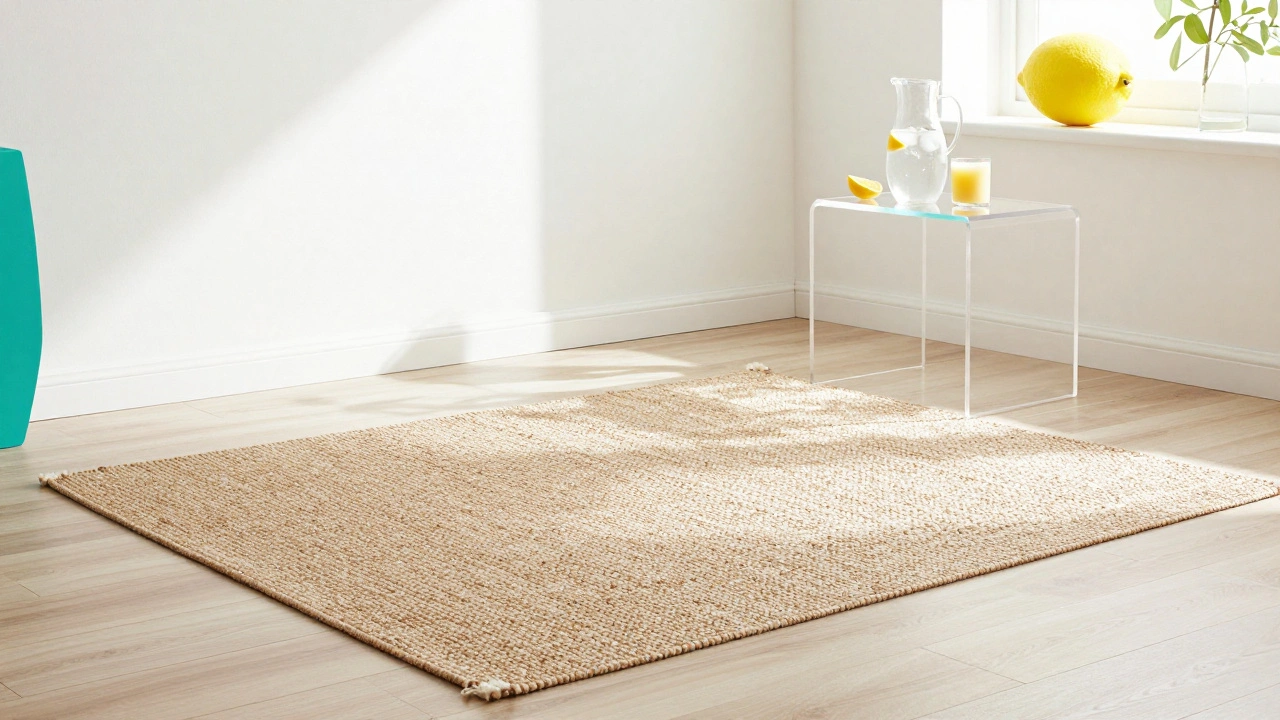
When the heat hits, your home should feel like a breeze. Summer decor is less about adding things and more about subtraction. This is the time to embrace minimalism. Swap out your heavy area rugs for Jute Rugs natural fiber floor coverings made from the pith of the jute plant or seagrass. These materials are breathable and add a coastal, organic texture that feels cool underfoot.
Look at your color palette. Trade deep navys and burgundies for crisp whites, lemon yellows, and turquoise. Even something as simple as changing your hand towels in the bathroom to a bright, sunny hue can change the vibe. Use glass vases and clear acrylic accessories to keep the visual weight of the room low. Think of your home as a beach house, even if you're miles from the coast. The goal is to create a sense of openness and air.
| Season | Primary Materials | Core Color Palette | Key Swap Item |
|---|---|---|---|
| Spring | Linen, Light Cotton | Pastels, Sage, Peach | Heavy Blankets $ ightarrow$ Light Throws |
| Summer | Jute, Rattan, Glass | White, Turquoise, Yellow | Plush Rugs $ ightarrow$ Natural Fibers |
| Autumn | Wool, Leather, Velvet | Rust, Mustard, Olive | Sheers $ ightarrow$ Heavier Drapes |
| Winter | Faux Fur, Cashmere, Flannel | Deep Red, Forest Green, Gold | Light Pillows $ ightarrow$ Velvet Cushions |
Autumn: Adding Warmth and Texture
As the leaves change, your interior should follow suit. This is the season of "hygge"-that Danish concept of coziness. Start by introducing Texture layering the design technique of overlapping different fabrics and materials to create visual and physical depth. This is where you bring back the blankets, but not the heavy winter ones yet. Think medium-weight knits and soft flannels.
The color palette shifts to earthy tones. Rust, mustard, and deep olive are the stars here. You don't need to repaint your walls; just change your throw pillow covers. A simple swap from a white pillow to a burnt orange one completely changes the room's temperature. Incorporate elements of nature: a bowl of pinecones, some dried wheat stalks, or a few pumpkins on the entryway table. These small, organic additions bridge the gap between your indoor space and the changing landscape outside.
Winter: The Ultimate Cocoon
Winter decor is all about the feeling of protection and warmth. This is when you bring out the "heavy hitters." Faux fur throws and velvet cushions should be front and center. If you have a fireplace, make it the focal point of the room by layering the hearth with a thick rug and plenty of seating options.
Lighting becomes the most critical element of winter decor. Since the days are short, you need to create "pools of light." Swap out your bright overhead lighting for warm-toned lamps and plenty of candles. Ambient Lighting lighting that creates a general glow and mood without a specific focused purpose is what makes a home feel welcoming during a winter storm. Use metallic accents-gold, silver, or copper-to reflect the light and add a touch of elegance to the darker months. It’s about creating a nest where you can retreat from the cold.

Managing Your Inventory Without the Clutter
The biggest fear women have with seasonal swapping is where to put the stuff. No one wants a bedroom filled with bins of pillows. The trick is to use a structured storage system. Get clear, airtight bins and label them by season. When the first leaf falls, the "Summer Bin" goes into the attic or under the bed, and the "Autumn Bin" comes out.
Be ruthless with your inventory. If you didn't love a particular pillow last winter, don't bring it back this year. Use the transition period as a time to audit your belongings. This prevents the common problem of "decor creep," where you slowly accumulate so many seasonal items that your home starts to feel like a department store. Stick to a few high-quality pieces rather than a dozen cheap ones. Investing in one high-quality cashmere throw is better than buying five acrylic ones that pill after one season.
Common Pitfalls to Avoid
One of the most frequent mistakes is over-theming. You don't need your living room to look like a pumpkin patch in October or a gingerbread house in December. This can feel tacky and overwhelming. Instead, use accents. A single amber-colored vase or a few cinnamon-scented candles are enough to signal the season without taking over the room.
Another error is ignoring the transition periods. We often jump straight from "Summer" to "Halloween." Try to embrace the "in-between" phases. Late summer into early autumn is a great time to mix your jute rugs with a few warm-toned pillows. This creates a smoother visual transition and makes your home feel more organic and less like a staged set.
How often should I actually swap my decor?
Ideally, you should do a major swap four times a year-once at the start of each season. However, if that feels overwhelming, you can group them into two main shifts: a "Warm Weather' shift in March and a "Cold Weather" shift in September. The most important thing is to do it when you feel the mood of your home no longer matches the weather outside.
What if I live in a place where the weather doesn't change much?
You can still use seasonal swaps to keep your home feeling fresh! Instead of basing swaps on temperature, base them on "moods." Use a "Refresh" cycle every few months to change colors and scents. Even in a tropical climate, swapping bright neon summer colors for muted, earthy tones in the fall can provide a psychological sense of renewal.
Are there any budget-friendly ways to do seasonal swaps?
Absolutely. The cheapest way to refresh a room is through lighting and scent. A new scented candle or a different lightbulb temperature (warm vs. cool) can change a room's vibe for under $20. Additionally, try "shopping your own home"-move a piece of art from the bedroom to the living room or swap a rug between two spaces to make them feel different without spending a dime.
How do I choose colors that work for every season?
Start with a neutral base for your largest items. White, gray, beige, or navy are great because they act as a canvas. When your base is neutral, you can add any seasonal color-like a bright yellow in summer or a deep burgundy in winter-and it will always look cohesive and professionally designed.
Where is the best place to store seasonal decor?
Vacuum-sealed bags are a lifesaver for bulky items like faux-fur throws and winter pillows. Store these in labeled plastic bins under your bed, in the top shelf of a closet, or in a climate-controlled attic. Avoid damp basements, as natural fibers like wool and jute can absorb moisture and develop a musty smell over time.
Next Steps for Your Home Refresh
If you're feeling overwhelmed, don't try to change every room at once. Start with the room where you spend the most time-usually the living room or bedroom. Take a walk through your space and ask yourself: "Does this item make me feel like it's currently April?" If the answer is no, it's time for a swap.
For those who struggle with color coordination, try creating a "mood board" on your phone using images of nature from the current season. If you see a lot of pale greens and bright yellows in your neighborhood, bring those specific hues into your home through a simple throw pillow or a fresh bouquet of flowers. The more you align your indoor environment with the natural world, the more at peace you'll feel in your space.