Road Trip Planning for Women: Safe Routes, Rest Stops, and Solo Travel Tips
 Jun, 1 2026
There is a specific kind of freedom that comes with hitting the open road. You have the music blasting, the window down, and nowhere you need to be right now. But for many women, especially those traveling alone, that freedom often comes tangled up with anxiety. Will I get lost? Is this gas station safe at night? What if my car breaks down in the middle of nowhere? These aren't just hypothetical fears; they are real logistical hurdles that require smart preparation.
Planning a road trip as a woman isn't about letting fear dictate your itinerary. It’s about building a layer of competence and confidence so you can actually enjoy the drive. The difference between a stressful ordeal and an empowering adventure usually comes down to three things: how you choose your routes, where you decide to rest, and the safety protocols you put in place before you even start the engine. Let’s break down exactly how to handle each of these so you can focus on the scenery instead of the shadows.
Mapping Your Route: More Than Just the Fastest Way
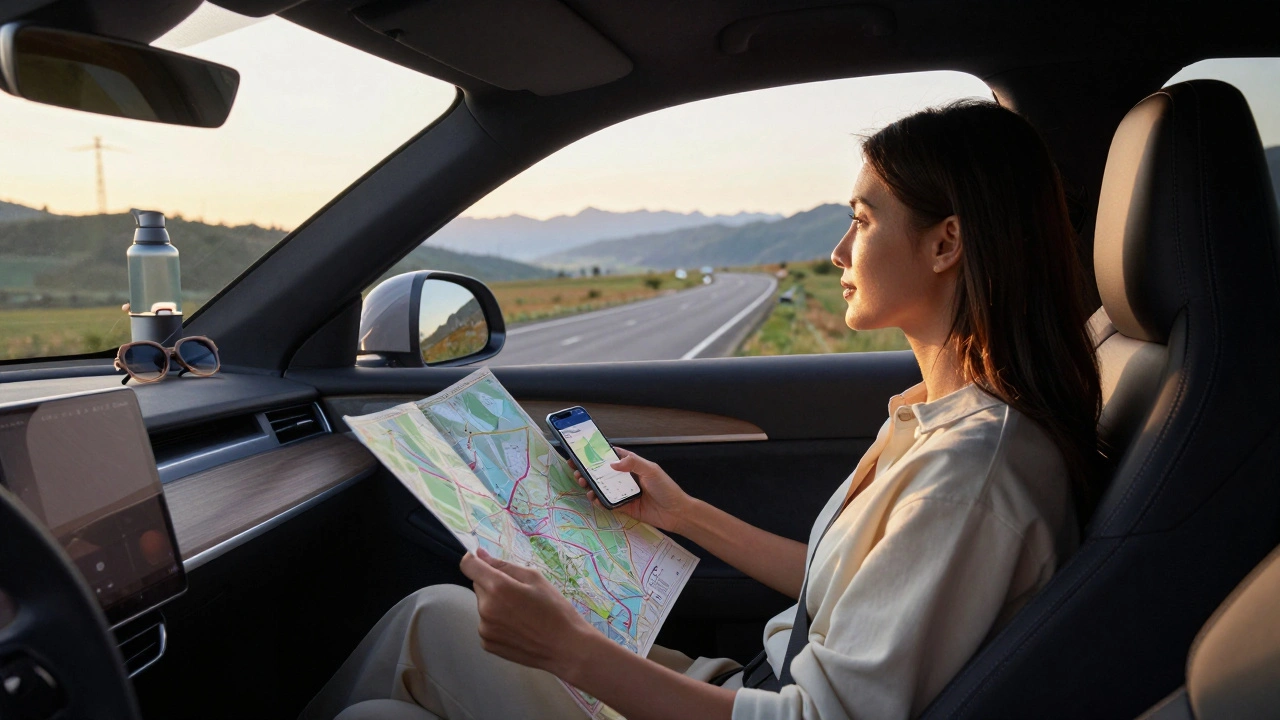
Most navigation apps optimize for speed or distance. When you are driving alone, you might want to optimize for visibility and population density. This doesn’t mean you have to stick to major highways forever, but it does mean avoiding long stretches of unlit rural roads after sunset.
| Strategy | Benefit | Risk Factor |
|---|---|---|
| Stick to Interstates | High traffic, frequent services, well-lit exits | Can feel monotonous; fewer scenic views |
| Scenic Byways (Daylight Only) | Beautiful views, slower pace, charming towns | Poor cell service, limited lighting, fewer exits |
| Night Driving | Less traffic, cooler temperatures | Higher risk of accidents, fatigue, isolated areas |
Before you leave, download offline maps. Cell service can vanish quickly once you hit the countryside, and fumbling with a phone while pulling over is dangerous. Apps like Google Maps allow you to download regions for offline use. Check the weather forecast not just for your destination, but for every state you will cross. A sudden storm in the Midwest can turn a pleasant drive into a hazardous situation if you aren't prepared.
If your trip spans several days, plan your nightly stops in advance. Don’t wait until you are tired and hungry to look for a hotel. Identify cities along your route that serve as logical breaking points. Aim to arrive at your accommodation before dusk. This gives you time to check in, secure your room, and settle in without the added stress of navigating unfamiliar streets in the dark.
The Art of the Rest Stop: Where to Pause Safely
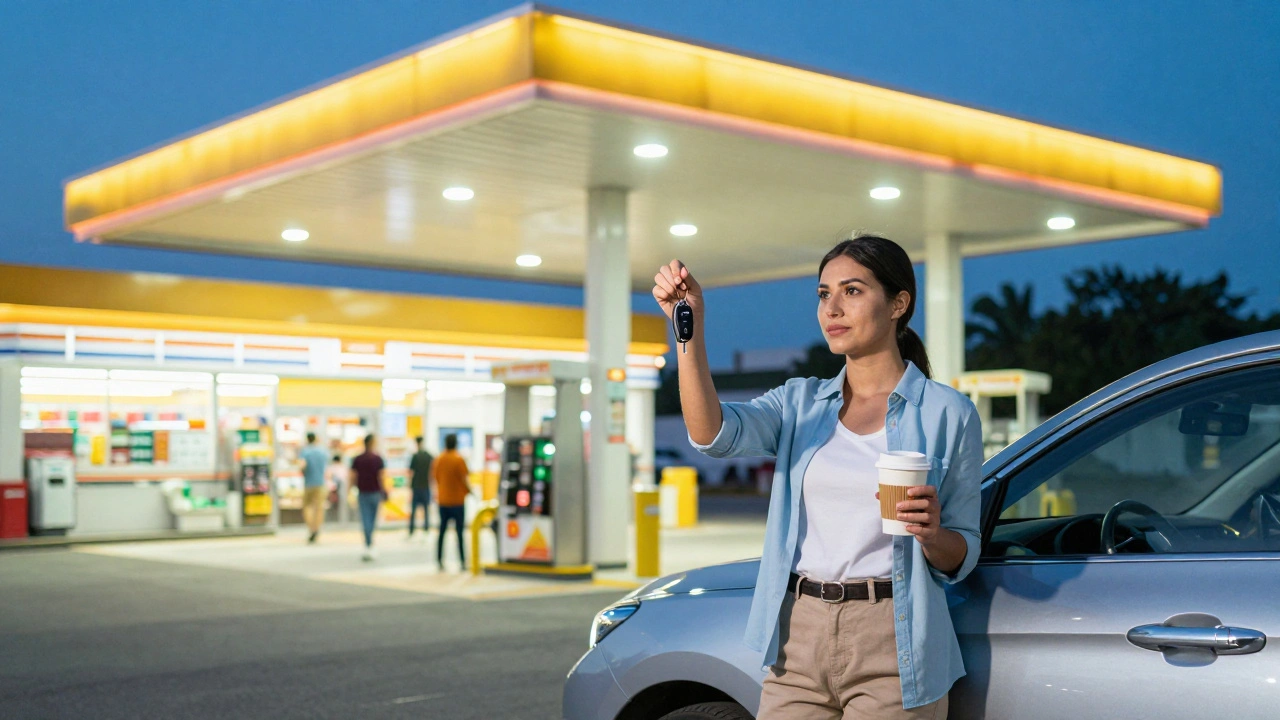
Rest stops are essential, but not all of them are created equal. As a solo female driver, your choice of where to stretch your legs and refuel matters. High-volume commercial plazas are generally safer than isolated roadside pull-offs. Look for places with bright lighting, active staff, and other customers around.
- Major Chain Gas Stations: Places like Shell, BP, or Exxon often have standardized security measures, including cameras and well-lit forecourts. They are predictable environments.
- Coffee Chains: Starbucks or Dunkin' locations attached to gas stations offer indoor seating. Being inside a public space with baristas and other patrons provides a natural sense of security compared to sitting in your car.
- Avoid Remote Pull-Offs: Unless you are experienced with camping or emergency repairs, avoid stopping in secluded areas just to take a break. If you need to use the restroom, go back to the last populated area or wait for the next one.
When you do stop, keep your doors locked until you are ready to exit. Keep your keys in your hand, not in your purse. It sounds paranoid, but having immediate access to your vehicle prevents any potential door-locking issues or distractions. If something feels off about a location-maybe the lighting is flickering, or there is a group of people acting aggressively-trust your gut. Drive away. There is always another gas station five miles down the road.
Safety Protocols: Preparation Meets Peace of Mind
Safety isn't just about avoiding bad situations; it's about being ready if things go wrong. Start by sharing your detailed itinerary with at least one trusted person. This shouldn't just be "I'm heading west." It should include your planned route, expected arrival times, and the names/addresses of your hotels. Update them if your plans change.
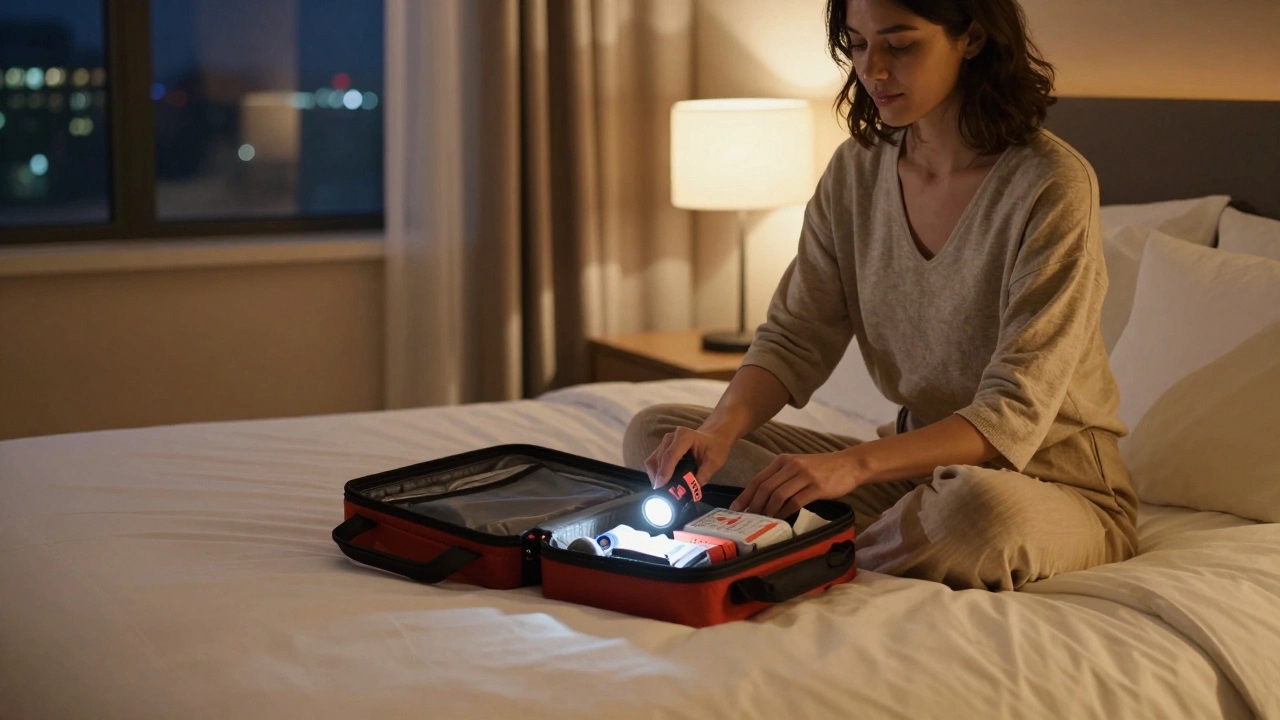
Your car is your sanctuary, but it needs to be reliable. Before you leave, check your tire pressure, oil levels, and brake fluid. Carry a basic emergency kit. This includes a flashlight, jumper cables, a first-aid kit, water, non-perishable snacks, and a charged power bank for your phone. Consider adding a personal safety alarm or pepper spray to your kit, keeping it within easy reach but not visible to others.
Technology can be your best ally. Use features like "Share My Location" on WhatsApp or iMessage to let a friend track your movement in real-time. Some cars have built-in emergency assistance systems (like OnStar) that can call for help automatically in case of a crash. Know how to activate these features before you need them.
Accommodations: Choosing Where to Sleep
Where you sleep is critical. Major hotel chains often have stricter security protocols than motels, such as key card access to elevators and lobbies that are monitored. When booking, read recent reviews specifically mentioning safety and cleanliness. Look for comments from other solo female travelers; their experiences can be invaluable.
Upon arrival, inspect your room. Check the locks on the doors and windows. Use the portable door alarm if you brought one-it clips onto the door frame and sounds if someone tries to enter. Park your car in a well-lit area, preferably near a camera or security patrol path. If possible, park under a light rather than in a shadowed corner.
Don't hesitate to ask the front desk for a room away from the ground floor or exterior walls if you are concerned. Most hotels are happy to accommodate reasonable requests for guest comfort. Remember, you are paying for peace of mind, so advocate for what makes you feel secure.
Mental Wellness: Staying Alert and Enjoying the Journey
Driving for long hours is mentally taxing. Fatigue impairs judgment and reaction times, making you more vulnerable. Stick to a schedule where you drive no more than 8-10 hours a day. Take a break every two hours or 100 miles. Use this time to walk around, stretch, and reset your focus.
Stay connected. Regular check-ins with friends or family can provide a psychological anchor. Knowing someone is expecting to hear from you adds a layer of accountability and safety. It also combats the loneliness that can sometimes creep in during long solo drives.
Finally, remember why you are doing this. Road trips are about discovery, independence, and joy. By taking these practical steps, you remove the obstacles that stand between you and that experience. You are not being cautious because you are weak; you are being prepared so you can be free.
Is it safe for women to take road trips alone?
Yes, millions of women take road trips alone safely every year. The key is preparation. By planning your route, choosing safe accommodations, and staying aware of your surroundings, you significantly reduce risks. Awareness and preparation are your best tools for safety.
What should I do if I feel unsafe while driving?
If you feel unsafe, trust your instincts. Drive to the nearest well-lit, populated area such as a police station, hospital, or busy gas station. Lock your doors, keep your windows up, and call a trusted contact or emergency services if necessary. Do not stop in isolated areas.
How far should I drive in a day when traveling alone?
It is recommended to limit driving to 8-10 hours per day. Fatigue reduces alertness and increases accident risk. Plan breaks every two hours to stretch and refresh. Adjust your daily mileage based on road conditions and your energy levels.
Should I share my location with someone?
Absolutely. Sharing your live location with a trusted friend or family member provides an extra layer of security. If you do not check in as expected, they can alert authorities. Use features like 'Share My Location' on messaging apps for real-time tracking.
What items should be in my emergency kit?
Your emergency kit should include a flashlight, jumper cables, first-aid supplies, water, snacks, a charged power bank, and a personal safety alarm. Additionally, carry a physical map in case of no cell service and keep your car documents accessible.