Protein Needs for Women: Exact Targets by Activity and Age
 Aug, 18 2026
Most women aim for the standard 0.8 grams of protein per kilogram of body weight, but that number often leaves them feeling sluggish or struggling to build strength. The reality is that your daily protein intake isn't a one-size-fits-all metric; it shifts significantly based on your age, how hard you train, and whether you are trying to maintain, lose, or gain weight. Getting this wrong can lead to muscle loss during dieting or unnecessary fat storage if you overdo it without purpose.
This guide breaks down the exact targets you need, moving beyond vague advice to specific numbers you can use today. We will look at how sedentary lifestyles differ from high-intensity training and why aging changes the equation entirely.
Why the Standard Recommendation Falls Short
The widely cited 0.8 g/kg/day figure comes from the Recommended Dietary Allowance (RDA). This baseline ensures you do not develop a deficiency, meaning your body has enough amino acids to repair basic tissues and function. However, "survival" is not the same as "thriving." For most active women, especially those lifting weights or doing regular cardio, this amount is too low to maximize muscle protein synthesis.
Muscle protein synthesis is the process where your body builds new muscle tissue. To trigger this effectively, you need a higher concentration of essential amino acids in your blood. If you stick to the RDA while exercising heavily, you may find yourself recovering slower and gaining less strength than expected. Think of the RDA as the minimum fuel required to keep the engine running, whereas higher intakes provide the premium fuel needed for performance upgrades.
Calculating Your Baseline by Body Weight
Before adjusting for activity, you need your starting point. Protein requirements are calculated based on lean body mass, but using total body weight is a practical and safe approach for most people. Here is how to get your number:
- Determine your current weight in kilograms (divide pounds by 2.2).
- Multiply by the appropriate factor for your lifestyle (see table below).
- Round up to the nearest whole gram.
For example, if you weigh 140 lbs (63.5 kg) and are moderately active, you might target 1.4 g/kg. That equals approximately 89 grams of protein per day. This is your anchor number. All other adjustments stem from this baseline.
| Activity Level | Multiplier (g/kg) | Example (70kg / 154lb Woman) |
|---|---|---|
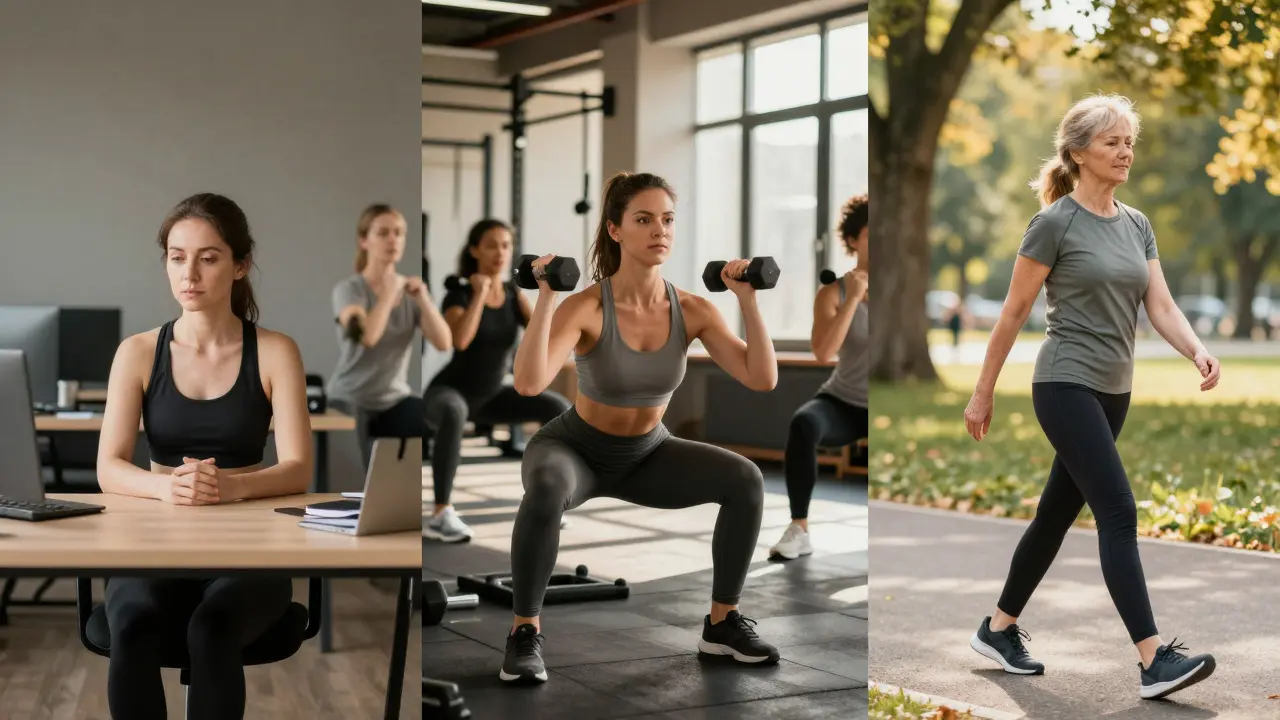
| Sedentary (Desk job, little exercise) | 1.0 - 1.2 | 70 - 84 grams |
| Moderately Active (3-5 workouts/week) | 1.4 - 1.6 | 98 - 112 grams |
| Highly Active (Daily intense training) | 1.6 - 2.0 | 112 - 140 grams |
| Endurance Athletes (Marathon runners, etc.) | 1.2 - 1.4 | 84 - 98 grams |
Age-Specific Adjustments: The Anabolic Resistance Factor
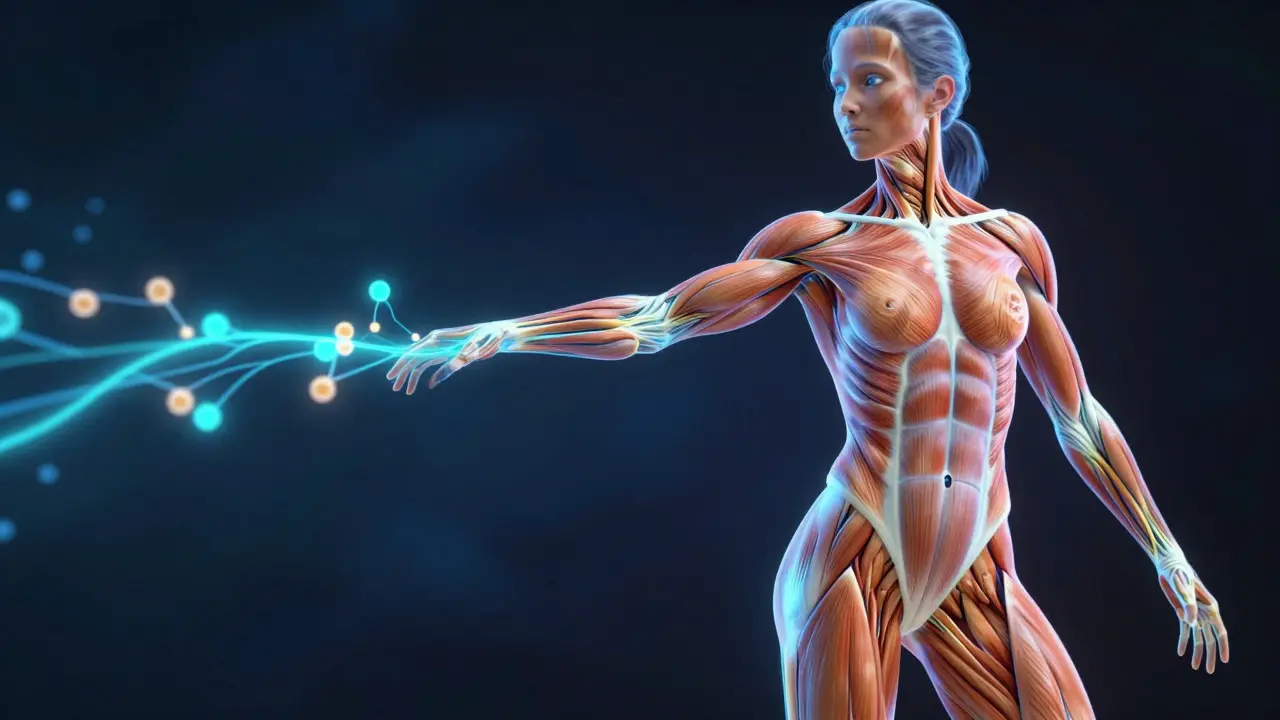
As you age, your body becomes less efficient at processing protein. This phenomenon is known as anabolic resistance. In your 20s, a small dose of protein triggers significant muscle building. By your 50s and 60s, you need more protein per meal to achieve the same result. This is critical for preventing sarcopenia, the natural age-related loss of muscle mass and strength.
Research suggests that older adults benefit from consuming larger amounts of protein per meal rather than spreading it evenly across three small servings. Aiming for 25-30 grams of high-quality protein per meal is a strong heuristic for women over 50. If you are in this demographic, push toward the upper end of the multipliers listed above. For instance, a 65-year-old woman who walks regularly should likely target 1.2-1.4 g/kg, not the lower 1.0 g/kg range.
Timing and Distribution: It’s Not Just Total Intake
Eating 100 grams of protein in one giant dinner does not optimize muscle growth. Your body can only utilize so much protein at once for muscle synthesis. The rest is oxidized for energy or stored as fat. To maximize benefits, distribute your intake across three to four meals throughout the day.
Aim for 20-40 grams of protein per meal. This ensures a steady supply of amino acids to your muscles. Post-workout nutrition matters, but pre-workout and snack timing are equally important. If you train in the morning, having a protein-rich breakfast within an hour helps kickstart recovery. If you skip breakfast, consider adding a protein shake or Greek yogurt before your workout.
Quality Matters: Complete vs. Incomplete Proteins
Not all protein sources are created equal. Animal proteins like chicken, fish, eggs, and dairy are "complete," meaning they contain all nine essential amino acids in ratios your body readily uses. Plant-based proteins are often "incomplete," lacking one or more essential amino acids. However, this is manageable if you combine sources wisely.
If you follow a vegetarian or vegan diet, focus on pairing grains with legumes (like rice and beans) or eating a variety of plant sources throughout the day. Soy, quinoa, and hemp seeds are excellent complete plant proteins. You don't need to eat them in the same bite, but ensuring variety across your meals guarantees you hit your amino acid targets.
Common Pitfalls and How to Avoid Them
- Ignoring Fiber: High-protein diets can sometimes lack fiber, leading to digestive issues. Balance meat and dairy with vegetables, fruits, and whole grains.
- Over-relying on Supplements: Whole foods provide vitamins and minerals alongside protein. Use powders as a convenience, not a replacement for real food.
- Undereating Calories: If you are cutting weight, ensure your protein stays high while calories drop. This preserves muscle mass during a deficit.
- Hydration: Processing extra protein requires water. Increase your fluid intake if you significantly boost your protein consumption.
Frequently Asked Questions
How much protein do I need if I am pregnant?
Pregnant women generally need an additional 25 grams of protein per day compared to their pre-pregnancy needs. This supports fetal growth and increased blood volume. Consult your healthcare provider for personalized targets, as individual needs vary based on trimester and health status.
Is there a maximum amount of protein I can eat?
For healthy kidneys, there is no strict upper limit established for protein intake. However, going above 2.0-2.2 g/kg rarely provides additional muscle-building benefits and may displace other nutrient-dense foods. Most women do not need to exceed 2.0 g/kg unless under medical supervision.
Do plant proteins work as well as animal proteins for muscle?
Yes, provided you consume enough total quantity and a variety of sources. Plant proteins often have slightly lower leucine content (an amino acid critical for muscle signaling), so you may need to eat 10-20% more plant protein than animal protein to achieve the same muscle-building effect.
Should I take protein powder after every workout?
It is convenient but not mandatory. What matters is hitting your total daily goal. If you can eat a solid meal within 1-2 hours post-workout, that is sufficient. Protein powder is best used when time is tight or to bridge gaps between meals.
How does menopause affect protein needs?
Menopause accelerates muscle loss due to declining estrogen levels. This increases the importance of adequate protein and resistance training. Maintaining or slightly increasing your protein intake (toward 1.4-1.6 g/kg) helps counteract this hormonal shift and supports bone density.