Pregnancy-Safe Skincare: What to Use and Avoid
 Oct, 7 2026
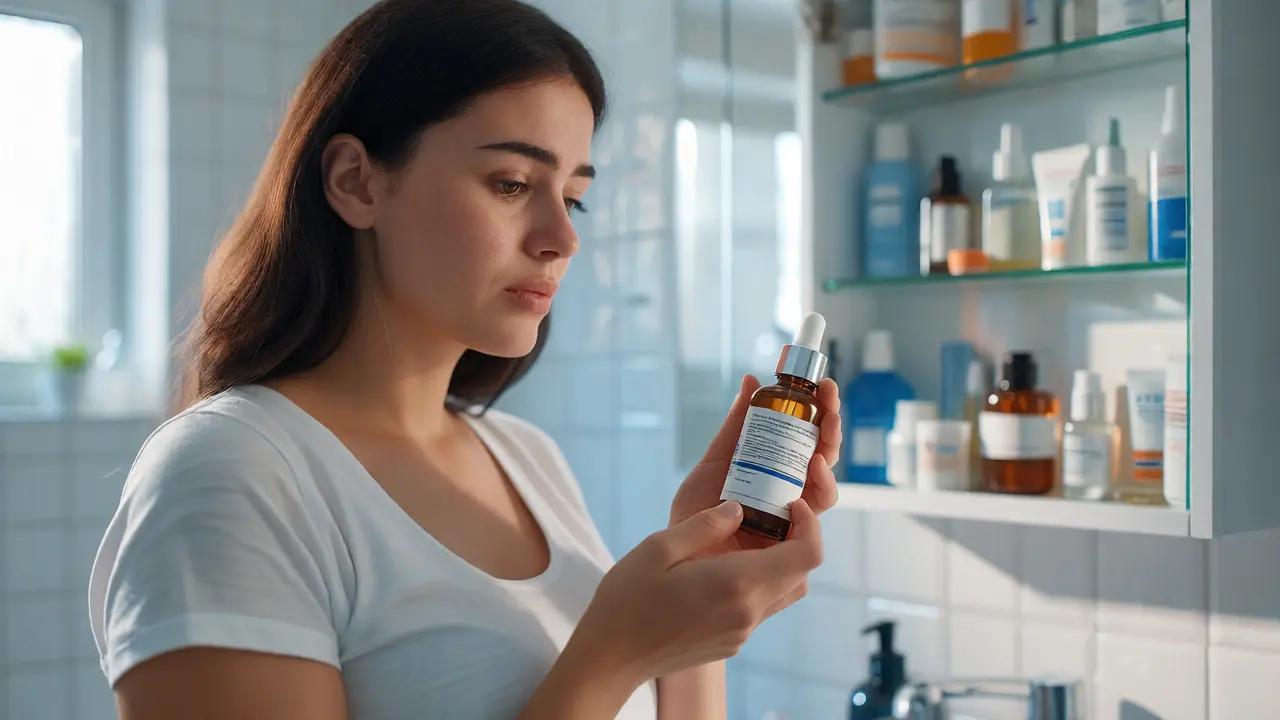
You’re eight weeks pregnant, your skin is breaking out like it’s back in high school, and you’re staring at your bathroom cabinet wondering if that expensive anti-aging serum just turned into a hazard. It’s a common panic. The internet screams warnings about every bottle on the shelf, but half the advice contradicts itself. One blog says salicylic acid is fine; another bans it entirely. You want clear skin without risking the baby’s development, but you don’t have time to become a pharmacologist overnight.
Here is the reality: most skincare products are safe, but a few specific ingredients have known risks during fetal development and need to go. This guide cuts through the noise. We’ll look at exactly what to avoid, what works for pregnancy-specific issues like melasma and acne, and how to build a routine that actually feels good when your body is doing all the heavy lifting.
The Big No-Gos: Ingredients to Toss Immediately
Let’s start with the scary stuff so you can clear your shelves fast. Not everything causes birth defects, but some compounds cross the placenta or affect hormone levels in ways we don’t fully understand yet. When in doubt, throw it out.
Retinoids are vitamin A derivatives used for anti-aging and acne. High-dose oral isotretinoin (Accutane) is famously teratogenic-meaning it causes birth defects. While topical retinol has lower absorption rates, doctors generally advise against it because there isn’t enough data to prove it’s 100% safe. If you’re using prescription tretinoin, stop immediately. Over-the-counter retinol? Most OB-GYNs say skip it too. There are safer alternatives, so why take the risk?
Next up: Hydroquinone is a strong skin-lightening agent often used for dark spots. It has a relatively high systemic absorption rate compared to other topicals-around 35-45%. Because of this, the American Academy of Dermatology recommends avoiding it during pregnancy. If you’re dealing with stubborn pigmentation, wait until after breastfeeding to tackle it aggressively.
Be cautious with chemical sunscreens containing Oxybenzone is a UV filter linked to hormonal disruption in animal studies. Some research suggests it may interfere with thyroid function or fetal development, though human data is still evolving. Switching to mineral sunscreen is an easy, zero-risk swap anyway, so do it.
Finally, check your hair removal creams and nail polish. Formaldehyde releasing preservatives are sometimes found in keratin treatments and nail hardeners can be problematic. Also, steer clear of high concentrations of Salicylic Acid is a beta-hydroxy acid commonly used for exfoliation in peels. Low-dose washes are usually okay, but leave-on treatments or professional peels should wait.
Green Light: Safe and Effective Alternatives
So, what can you use? Plenty. In fact, some ingredients work better now than they did before because your skin is more sensitive and reactive.
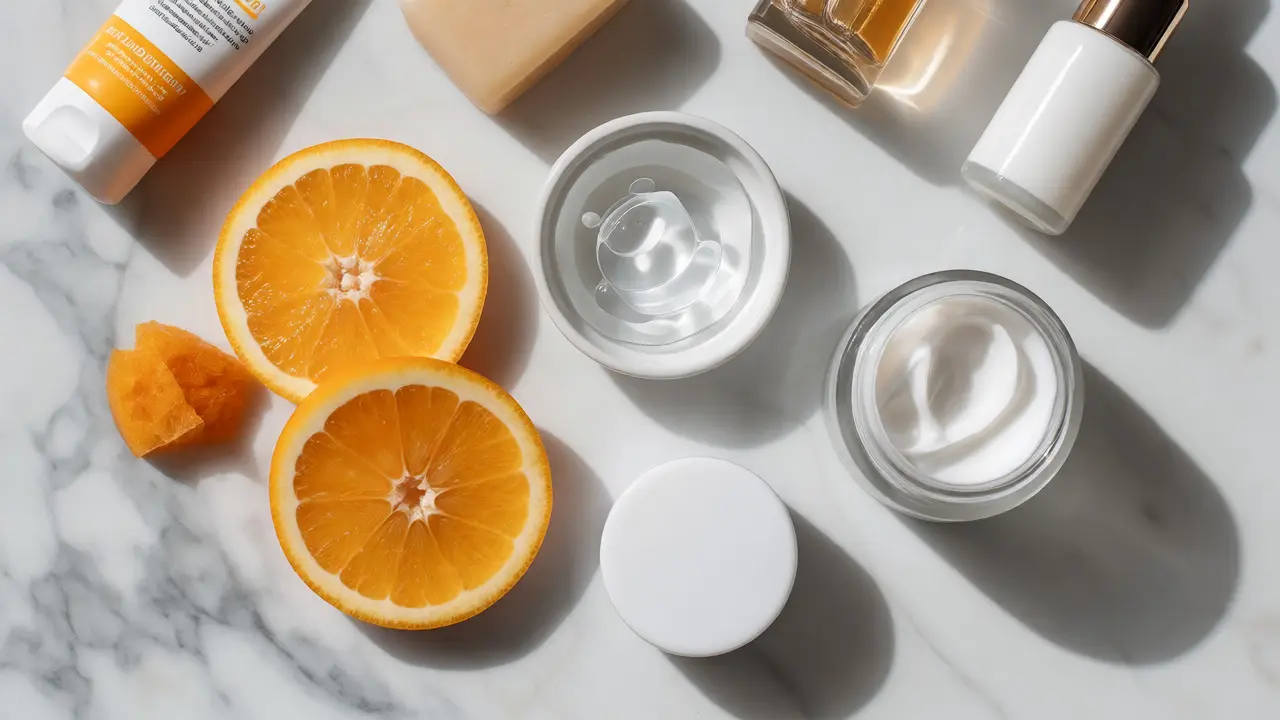
Vitamin C is a potent antioxidant that brightens skin and protects against environmental damage is fantastic. It helps combat dullness and fades the early stages of melasma (the "mask of pregnancy") without any risk to the baby. Look for L-ascorbic acid serums between 10-20% concentration. If your skin stings, try a derivative like sodium ascorbyl phosphate, which is gentler.
For hydration and barrier repair, Hyaluronic Acid is a humectant that draws moisture into the skin is your best friend. Pregnancy hormones can make skin dehydrated even if you’re oily elsewhere. Hyaluronic acid holds up to 1,000 times its weight in water, plumping fine lines caused by dryness. It’s naturally produced by your body, so allergic reactions are rare.
If you’re battling acne, Azelaic Acid is a gentle exfoliant and anti-inflammatory agent safe for pregnancy is the gold standard. It kills acne-causing bacteria, reduces redness from rosacea, and fades post-acne marks. Unlike benzoyl peroxide (which is also generally considered safe but can bleach clothes and irritate sensitive skin), azelaic acid plays nice with almost everyone. Prescription strength (15-20%) is available, but over-the-counter 10% works well for maintenance.
And don’t forget Niacinamide is a form of vitamin B3 that regulates oil production and strengthens the skin barrier. It calms inflammation, minimizes pores, and helps with hyperpigmentation. It’s stable, non-irritating, and pairs beautifully with hyaluronic acid or zinc.
Managing Pregnancy Acne and Melasma
Pregnancy acne isn’t just one thing. Hormonal surges increase sebum production, leading to deep, cystic breakouts along the jawline and chin. These aren’t the whiteheads you get from clogged pores; they’re inflamed and painful. Scrubbing them makes it worse. Instead, focus on calming.
- Spot Treat: Dab a tiny amount of sulfur ointment or azelaic acid directly on the pimple. Sulfur is safe and dries out lesions without harsh chemicals.
- Keep it Simple: Stop layering five different actives. Your skin barrier is compromised. Stick to cleanse, treat, moisturize.
- Don’t Pick: Pregnancy skin heals slower. Picking leads to hyperpigmentation that lasts months postpartum.
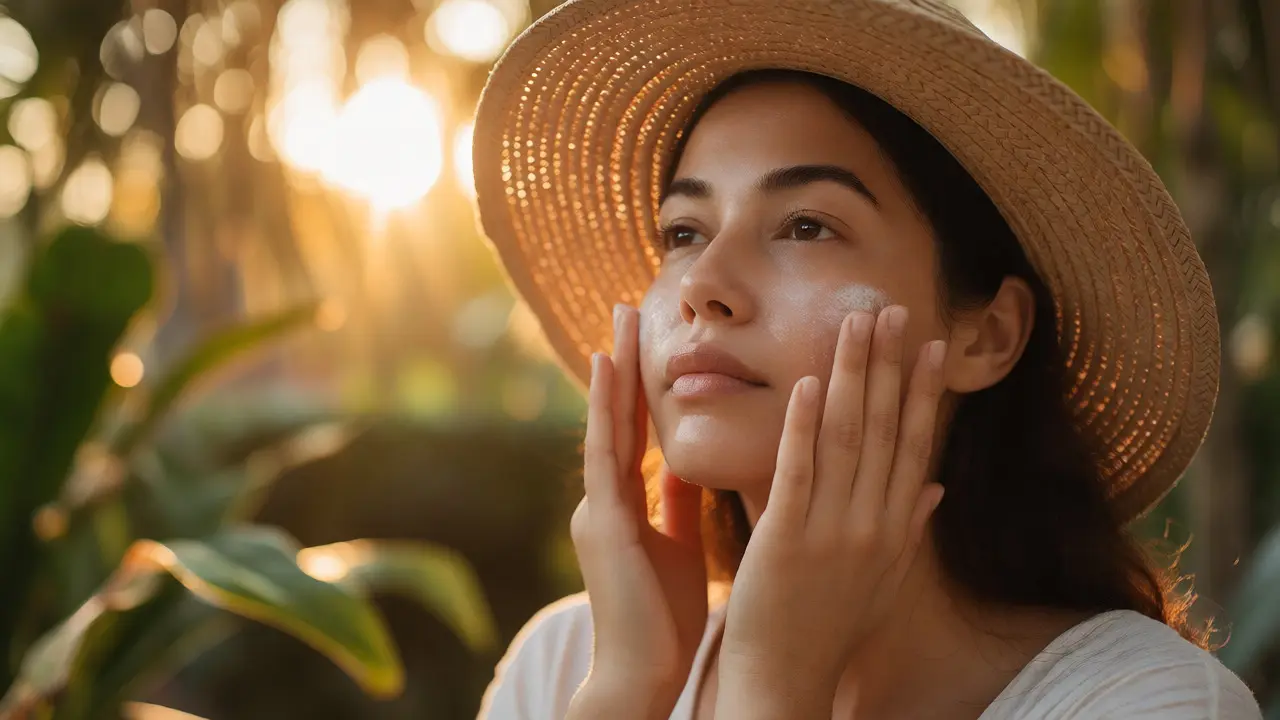
Melasma is another beast. It shows up as symmetrical brown patches on the forehead, cheeks, and upper lip. Sun exposure worsens it dramatically, even through window glass. Mineral sunscreen with zinc oxide is non-negotiable here. Reapply every two hours if you’re outside. Pair it with a wide-brimmed hat. Physical barriers beat chemical filters when you’re trying to prevent pigment from setting in.
Sunscreen: Why Mineral Beats Chemical Right Now
We touched on oxybenzone earlier, but let’s clarify why mineral sunscreen is the smarter choice. Zinc Oxide and titanium dioxide sit on top of the skin and reflect UV rays physically. They aren’t absorbed into the bloodstream, so there’s zero concern about systemic effects. Plus, they’re less likely to cause irritation on sensitive, hormonally-fluctuating skin.
| Feature | Mineral (Physical) | Chemical |
|---|---|---|
| Main Ingredients | Zinc Oxide, Titanium Dioxide | Oxybenzone, Avobenzone, Octinoxate |
| Absorption | Minimal to None | Systemic Absorption Possible |
| Irritation Risk | Low (Soothing) | Higher (Can sting eyes/skin) |
| Texture | Can be thick/white cast | Lighter, absorbs faster |
| Pregnancy Safety | Preferred Choice | Avoid Oxybenzone; Others debated |
Yes, mineral sunscreens used to feel chalky and leave a white cast. Modern formulations have improved significantly. Look for "micronized" zinc oxide or tinted versions that blend better into medium-to-deep skin tones. If you hate the texture, try a mist format for reapplication over makeup.
Fragrance and Essential Oils: The Hidden Triggers
Here’s where things get tricky. "Fragrance-free" doesn’t mean unscented-it means no added perfume. "Unscented" products often contain masking fragrances to hide chemical smells. Both can trigger nausea or headaches, especially in the first trimester when smell sensitivity spikes.
Essential oils sound natural, but "natural" doesn’t equal safe. Essential Oils are concentrated plant extracts that can penetrate the skin rapidly. Some, like rosemary, sage, and wintergreen, are contraindicated in large amounts during pregnancy due to potential uterine stimulant effects. Lavender and chamomile are generally considered safe in low dilutions (under 1%), but patch test first. If you’re prone to stretch marks, stick to simple emollients like cocoa butter, shea butter, or coconut oil rather than complex botanical blends.
Built-In Routine: Morning and Night
You don’t need ten steps. You need consistency. Here’s a foolproof framework based on current dermatological guidelines for expectant mothers.
Is benzoyl peroxide safe during pregnancy?
Yes, benzoyl peroxide is generally considered safe for treating acne during pregnancy. It has minimal systemic absorption. However, it can be drying and irritating, so start with a lower concentration (2.5%) and use it only as a spot treatment or short-contact therapy (wash off after 2 minutes).
Can I use glycolic acid while pregnant?
Glycolic acid, an alpha-hydroxy acid (AHA), is widely regarded as safe during pregnancy. It helps with exfoliation and texture. Just ensure it’s not part of a high-concentration professional peel. At-home products with 10% or less are typically fine.
What causes melasma during pregnancy?
Melasma, or chloasma, is caused by a combination of increased estrogen and progesterone levels stimulating melanocytes (pigment-producing cells). Sun exposure exacerbates it. It affects up to 70% of pregnant women and often fades postpartum, but consistent sun protection is key to preventing it from becoming permanent.
Are parabens bad for pregnancy?
Parabens are preservatives that mimic estrogen weakly. While regulatory agencies deem them safe in cosmetic amounts, many pregnant women choose to avoid them as a precautionary measure. If you prefer to skip them, look for products labeled "paraben-free," which often use phenoxyethanol or potassium sorbate instead.
Can I continue my existing skincare routine?
Not necessarily. Review each product for retinoids, hydroquinone, or high-dose salicylic acid. If your routine consists of cleansers, moisturizers, vitamin C, and mineral SPF, you’re likely good to go. Always consult your OB-GYN or dermatologist if you’re unsure about specific prescription medications.
Morning: Gentle cream cleanser -> Vitamin C Serum -> Moisturizer -> Mineral Sunscreen (SPF 30+).
Night: Oil-based cleanser (if wearing makeup) -> Water-based cleanser -> Azelaic Acid or Niacinamide -> Rich Moisturizer or Face Oil.
Remember, your skin changes month by month. First-trimester nausea might make you hate scents. Third-trimester puffiness might require lighter textures. Listen to your skin. If something stings, rinse it off and switch to plain water and moisturizer for a few days. There’s no prize for suffering through a breakout-inducing routine. Keep it simple, keep it safe, and enjoy the glow-metaphorical and literal.