Potty Training Guide for Moms: Readiness Signs and Gentle Methods
 Apr, 11 2026
You've probably spent the last couple of years changing countless diapers, and the thought of finally ending that cycle is exciting. But then the panic sets in: what if they aren't ready? What if you push too hard and create a power struggle that lasts months? The truth is, there is no magic age where a child suddenly knows how to use the toilet. It's a developmental milestone, not a race, and the secret to a tear-free experience is knowing exactly when to start and how to stay flexible.
Quick Takeaways for a Stress-Free Start
- Wait for both physical and behavioral readiness signs to avoid frustration.
- Consistency is more important than a strict schedule.
- Positive reinforcement works better than pressure or rewards that feel like bribes.
- Expect accidents-they are a natural part of the learning process.
- Keep the environment accessible and low-stress.
Spotting the Real Readiness Signs
Many parents feel pressure to start potty training by 24 months because that's what the books say, but every child's nervous system develops differently. If you start too early, you're essentially teaching them how to follow a command rather than how to listen to their own body. To make this transition smooth, look for a combination of physical, cognitive, and behavioral cues.
Physical signs are the most reliable. You'll notice potty training is the process of teaching a child to recognize the urge to urinate or defecate and use a toilet instead of a diaper easier when your toddler stays dry for two hours or more. This shows their bladder capacity is growing. Another big tell is the "heavy diaper"-if they wake up from a nap dry, their body is starting to manage fluids more efficiently during sleep.
Behavioral signs are just as important. Does your child pull at their diaper when they're wet? Do they hide in a corner or behind the couch when they're having a bowel movement? These are signs of awareness. Cognitively, they should be able to follow simple, one-step directions like "Please put your shoes by the door." If they can't follow a basic instruction, they likely aren't ready to handle the multi-step process of pulling down pants and sitting on a seat.
Choosing Your Method: Gentle vs. Traditional
There are a dozen different philosophies out there, from the intense "3-day boot camp" to a more relaxed, child-led approach. For most moms, a gentle method reduces the risk of Regressive Behavior, where a child suddenly stops progressing due to stress or anxiety.
The child-led approach focuses on autonomy. Instead of telling the child when to go, you offer opportunities. "Do you want to try the potty now?" gives them a sense of control. This prevents the common "potty battles" where a toddler refuses to go simply because they are being told what to do.
| Method | Primary Focus | Typical Timeline | Pros | Cons |
|---|---|---|---|---|
| Rapid/Bootcamp | Intensive immersion | 3-7 Days | Fast results if successful | High stress, risk of resistance |
| Child-Led/Gentle | Developmental readiness | Weeks to Months | Lower stress, higher confidence | Takes longer to achieve dryness |
| Scheduled | Routine and habits | Consistent intervals | Predictable for parents | May ignore internal bodily cues |
Setting Up Your Home for Success
Your environment can either be a hurdle or a help. If a child has to struggle with tight leggings or a scary, loud flushing toilet, they might avoid the bathroom altogether. The goal is to make the process as frictionless as possible.
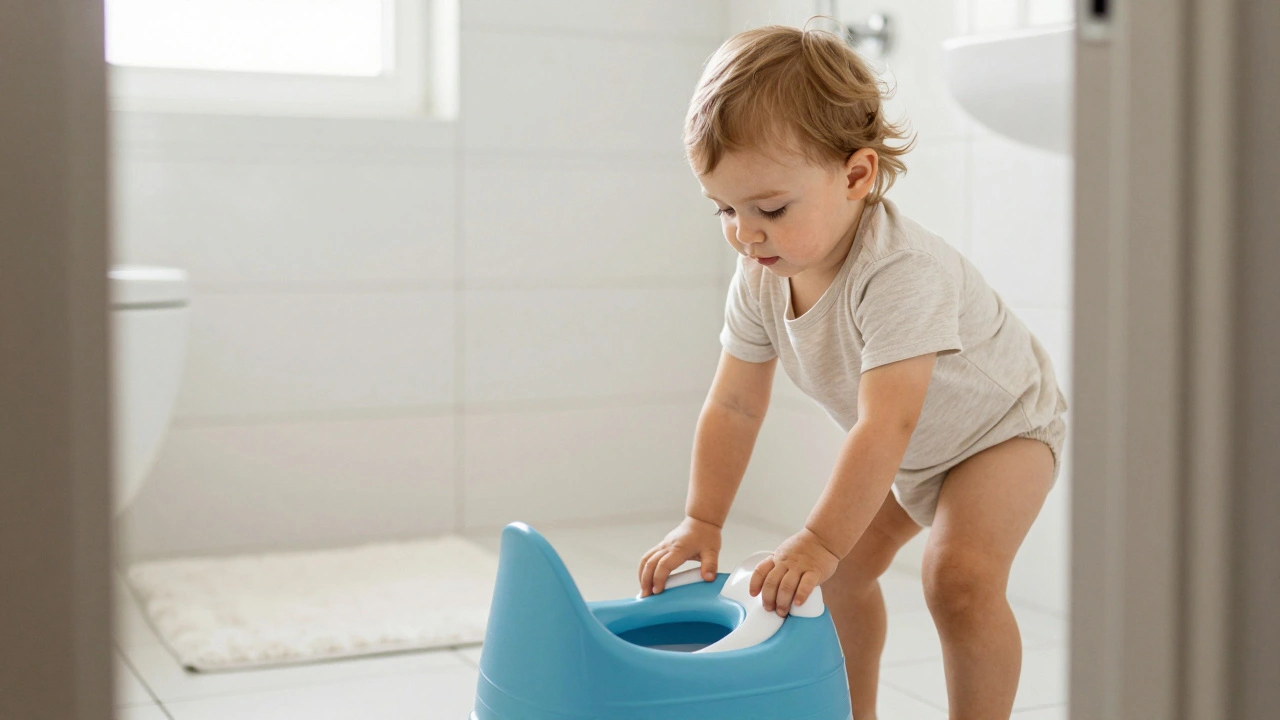
Start with the gear. A Potty Chair (a small, standalone toilet) is often less intimidating than a full-sized toilet. It allows the child to keep their feet flat on the floor, which provides physical stability and a feeling of security while they're pushing. If you prefer using the main bathroom, a sturdy Toilet Seat Reducer and a non-slip step stool are non-negotiable.
Clothing choices matter more than you think. This is the time to retire the overalls and complex buttons. Opt for elastic waistbands and loose pants that a toddler can slide down in three seconds. If they have to fight with a zipper for ten seconds while they're in a "crisis mode" of needing to go, you're almost guaranteed an accident.
The Step-by-Step Gentle Implementation
Once you've seen the signs and prepped the house, you can start the actual process. The key here is to avoid making the potty a high-pressure zone. If it becomes a source of tension, the child may start withholding, which can lead to constipation.
- The Introduction Phase: Spend a week just talking about the potty. Read books, let them watch you go (toddlers are naturally curious), and let them sit on the chair with their clothes on just to get used to the feeling.
- The "Listening" Phase: Start using descriptive language. Instead of asking "Do you have to go?" (which almost always gets a "No"), say "I notice you're dancing; I think your body is telling you it's time to go."
- The Transition: Move to training pants or loose underwear during the day. The feeling of wetness in cotton underwear is a vital sensory cue that diapers mask.
- The Positive Loop: When they succeed, offer specific praise. "You listened to your body and put the pee in the potty!" is better than a generic "Good job." This reinforces the connection between the internal feeling and the external action.
Handling Accidents Without the Drama
Accidents aren't failures; they're data points. When a child has an accident, your reaction sets the tone for their future relationship with the bathroom. If you act frustrated or disappointed, the child may feel shame, which can actually slow down their progress.
The most effective response is a neutral, matter-of-fact tone. "Oops, you're wet. Pee goes in the potty. Let's go change your clothes." This removes the emotional weight from the mistake. If you make it a big deal, they might start hiding their accidents, which makes it harder for you to know when they're struggling.
Avoid the temptation to use a "shame' approach or a strict "no more diapers" rule if they aren't ready. Forcing a child into underwear before they've mastered the signal often leads to a cycle of accidents and frustration for everyone involved. It is perfectly okay to use Pull-Ups during naps or outings while they are still building confidence during the day.
Common Pitfalls and How to Avoid Them
One of the biggest mistakes is starting during a major life transition. Moving house, a new sibling, or starting a new daycare are all high-stress events. Adding the challenge of potty training to a child who is already dealing with change is a recipe for regression. Wait for a period of relative stability.
Another trap is the over-reliance on rewards. While a sticker chart can be fun, using high-value prizes (like toys) can create a transactional relationship. The child starts focusing on the prize rather than the feeling of needing to go. The real reward should be the feeling of independence and the praise of their caregivers.
Finally, don't ignore the "poop struggle." Many children are comfortable urinating in the potty but terrified of bowel movements. This is often due to the sensation of dropping something from their body. If this happens, don't force them to sit there for long periods. Encourage a relaxed environment and perhaps let them use a diaper for pooping for a while longer until they feel safe transitioning to the seat.
When is the absolute best age to start potty training?
There is no single "best" age, but most children show readiness between 2 and 3 years old. Rather than following the calendar, look for signs like staying dry for several hours, showing interest in the bathroom, and being able to follow simple directions. Starting too early can lead to longer training times and more frustration.
Should I use a potty chair or a toilet seat reducer?
Both have benefits. A potty chair is generally less intimidating and allows the child's feet to touch the floor, which is physically easier for bowel movements. A seat reducer gets them used to the actual toilet they'll use in the future. Many parents use a potty chair first and transition to the big toilet once the child feels more confident.
How do I handle a child who is terrified of the flushing toilet?
Fear of the loud flush is common. To help, avoid flushing while they are sitting on the toilet. You can also let them "help" flush after they've left the room, or play a game where you flush the toilet together from a distance to desensitize them to the sound.
What if my child was doing great and then suddenly starts having accidents again?
This is called regression and is very normal. It's often triggered by stress, illness, or changes in routine. The best approach is to go back to basics: offer more frequent potty breaks, provide plenty of praise, and avoid shaming. Don't panic-usually, they just need a little extra support for a week or two to get back on track.
Is it okay to use diapers at night if they are trained during the day?
Yes, absolutely. Nighttime dryness is a physiological milestone related to the production of a hormone called vasopressin and the maturity of the bladder, not a behavioral one. Forcing nighttime training before the body is ready often leads to soaked mattresses and exhausted parents. Use overnight diapers until the child consistently wakes up dry.
Next Steps for Every Stage
If you're just starting, spend the next two weeks observing your child's habits without mentioning the potty. Gather your gear-the stool, the seat, and the easy-off pants-so you're ready the moment you see those readiness signs.
If you're in the middle of the process and hitting a wall, try taking a "potty break." Stop the pressure for a week. Go back to diapers or pull-ups and let the child reset. Often, the pressure of training becomes the primary obstacle, and a short hiatus can break the tension.
For those nearly there, focus on diversifying. Try using the potty at a relative's house or in a public restroom to ensure the skill is generalized and not just tied to one specific chair in one specific room.