PMS vs. PMDD: Key Differences, Symptoms, and Treatment Options
 Aug, 17 2026
It’s that time of the month again. Your mood is swinging like a pendulum, your body feels heavy, and you’re wondering if you’re just being difficult or if something is actually wrong. For many women, this phase of the menstrual cycle is manageable with chocolate, a good night's sleep, and maybe some ibuprofen. But for others, it feels less like a bad week and more like a mental health crisis. This is where the line between PMS (Premenstrual Syndrome) and PMDD (Premenstrual Dysphoric Disorder) gets blurry, confusing, and often misdiagnosed.
Understanding the difference isn't just about semantics; it changes how you treat yourself, how doctors approach your care, and whether you need medication or lifestyle adjustments. While both conditions stem from hormonal shifts in the luteal phase of your cycle, their intensity and impact on daily life are worlds apart. Let’s break down exactly what is happening in your body and brain so you can stop guessing and start managing.
The Core Difference: Intensity and Impact
At its core, PMS is a collection of physical and emotional symptoms that occur in the two weeks before your period starts. It affects roughly 75% to 80% of menstruating women at some point. The key here is "manageable." You might feel bloated, irritable, or have breast tenderness, but you can still go to work, see friends, and function relatively normally. You might not want to do it, but you can.
PMDD is a severe form of PMS characterized by extreme mood swings, depression, and anxiety that significantly impair social and occupational functioning. Only about 3% to 5% of women experience PMDD. If you find yourself unable to hold a job, avoiding family gatherings because you know you’ll snap at someone, or crying uncontrollably over minor issues, you are likely dealing with PMDD. The defining feature of PMDD is not just the presence of symptoms, but the degree to which they disrupt your life. In medical terms, it is classified as a mood disorder related to the menstrual cycle, distinct from general stress or depression that happens to coincide with your period.
Symptom Breakdown: What to Look For
Both conditions share a similar timeline. Symptoms typically appear 1 to 2 weeks before menstruation (the luteal phase) and disappear within a few days after bleeding starts. However, the specific symptoms differ in severity and type.
- Mood Changes: PMS may include mild irritability or sadness. PMDD involves intense anger, hostility, or deep depression that feels out of proportion to any external trigger.
- Anxiety: Mild worry is common in PMS. PMDD often presents as panic attacks or overwhelming anxiety that makes it hard to breathe or think clearly.
- Physical Pain: Both cause breast tenderness, bloating, and joint pain. However, PMDD patients often report these physical symptoms as more severe and debilitating than those with standard PMS.
- Cognitive Issues: Difficulty concentrating is a hallmark of PMDD. Many women describe feeling "brain fog" that lasts for days, whereas PMS-related focus issues are usually temporary and mild.
- Social Withdrawal: Women with PMS might prefer to stay in. Women with PMDD often isolate themselves completely, canceling plans last minute because they feel too exhausted or emotionally raw to interact with anyone.
A crucial diagnostic tool is tracking your symptoms. If your mood stabilizes completely during the first week of your period, it points strongly toward a cyclical condition like PMS or PMDD rather than chronic depression or anxiety disorders, which persist throughout the month.
| Feature | PMS (Premenstrual Syndrome) | PMDD (Premenstrual Dysphoric Disorder) |
|---|---|---|
| Prevalence | 75-80% of women | 3-5% of women |
| Mood Severity | Mild to moderate irritability/sadness | Severe depression, anxiety, or anger |
| Daily Functioning | Generally maintained | Significantly impaired (work, relationships) |
| Physical Symptoms | Bloating, breast tenderness, fatigue | Same, but often more intense and painful |
| Timing | Luteal phase (pre-period) | Luteal phase (pre-period) |
| Resolution | Resolves after period starts | Resolves after period starts |
The Role of Hormones: Estrogen and Progesterone
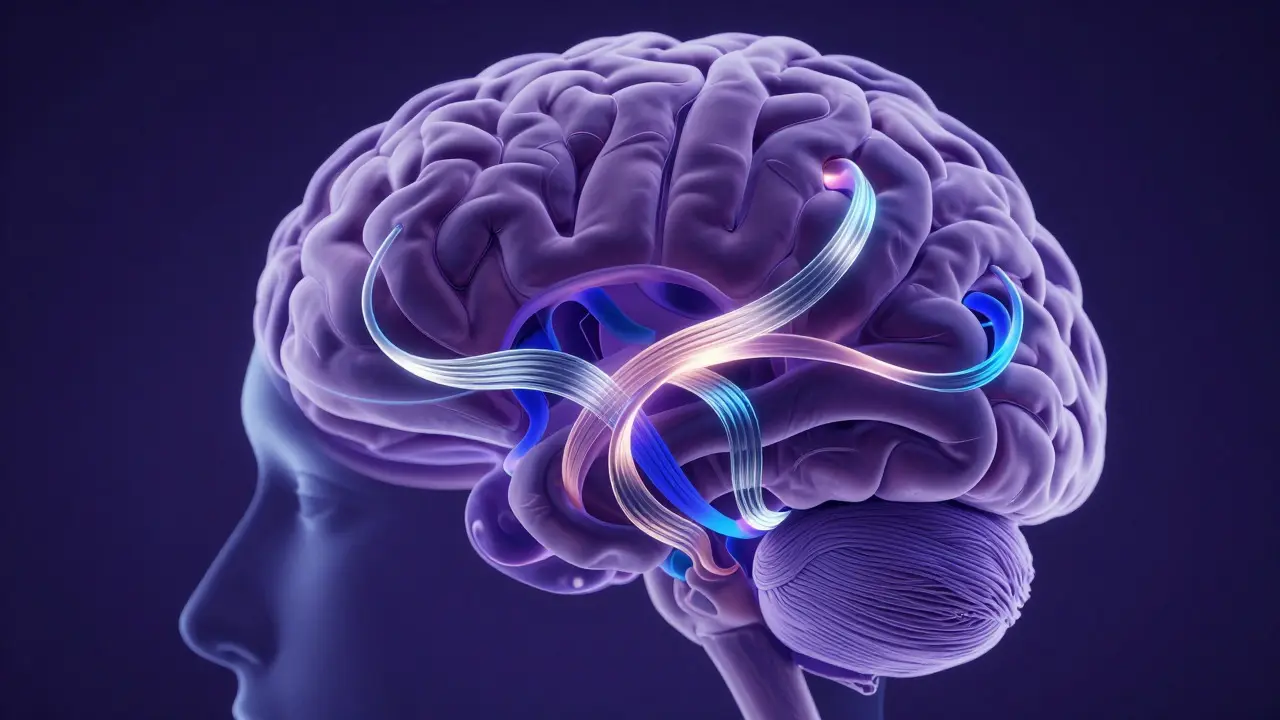
You’ve probably heard that hormones cause these symptoms, but the mechanism is more nuanced than simple "high estrogen = happy, low progesterone = sad." The primary culprit in both PMS and PMDD appears to be the brain's sensitivity to normal fluctuations in Estrogen and Progesterone.
In the second half of the cycle, progesterone rises and then drops sharply right before your period. In women with PMS or PMDD, this drop triggers an exaggerated response in neurotransmitters, particularly Serotonin, which regulates mood, sleep, and appetite. Research suggests that women with PMDD have a reduced ability to regulate serotonin levels in response to hormonal changes. This means that while everyone experiences a hormone dip, your brain reacts as if it were a major chemical crash. This biological predisposition explains why therapy or lifestyle changes alone sometimes fail to resolve PMDD, as the root issue is neurochemical sensitivity.
Diagnosis: How Doctors Tell the Difference
Getting a correct diagnosis can take months because many providers assume all pre-period moodiness is just "normal PMS." To diagnose PMDD, clinicians typically require prospective symptom tracking. This means you must record your daily symptoms for at least two consecutive cycles using a standardized scale, such as the Daily Record of Severity of Problems (DRSP).
For a formal diagnosis of PMDD, you need to experience at least five symptoms during the final week before menses, with at least one being a core mood symptom (depressed mood, marked anxiety, tension, or clear irritability). The symptoms must be present for most of the time during the luteal phase and relieve within a few days of the onset of menses. If you haven’t tracked your symptoms, start now. Use a simple app or a calendar. Note your mood, energy levels, and any physical discomfort. Bring this data to your doctor. It transforms the conversation from "I think I’m depressed" to "Here is the data showing my symptoms are cyclical."

Treatment Options: From Lifestyle to Medication
How you treat the condition depends entirely on whether it is PMS or PMDD. For mild to moderate PMS, lifestyle modifications are often sufficient. Regular aerobic exercise, reducing caffeine and alcohol, and maintaining a balanced diet rich in calcium and magnesium can significantly reduce bloating and mood swings. Over-the-counter pain relievers like ibuprofen can help with cramps and headaches.
For PMDD, however, lifestyle changes are rarely enough on their own. The gold standard treatment is selective serotonin reuptake inhibitors (SSRIs), such as fluoxetine or sertraline. Unlike other uses of SSRIs, where you take them daily, women with PMDD can often take them only during the luteal phase (intermittent dosing) or continuously. Studies show that SSRIs can reduce PMDD symptoms by up to 60-70% in responders. Oral contraceptives, specifically those containing drospirenone (like Yasmin), are another effective option because they suppress ovulation and stabilize hormone levels. For those who prefer non-hormonal approaches, cognitive behavioral therapy (CBT) has shown promise in helping women manage the cognitive distortions associated with PMDD, though it is usually used alongside medication for best results.
Living With the Cycle: Practical Strategies
Whether you have PMS or PMDD, understanding your cycle is your superpower. Here are practical steps to make the luteal phase less hostile:
- Track Everything: Use a fertility or symptom-tracking app. Identify your specific trigger window. Do you get angry on day 24? Plan high-stress meetings for day 10 instead.
- Adjust Expectations: Give yourself grace. If you know you will be irritable, tell close friends or partners. "My hormones are acting up this week" is a valid explanation, not an excuse.
- Move Your Body: Exercise boosts endorphins and helps regulate serotonin. Even a 20-minute walk can mitigate mood dips.
- Nutrition Matters: Cut back on sugar and salt in the week before your period to reduce bloating. Complex carbs can help stabilize blood sugar and mood.
- Seek Professional Help Early: Don’t wait until you’re in crisis. If symptoms interfere with work or relationships, see a gynecologist or psychiatrist familiar with menstrual cycle disorders.
Remember, having PMS or PMDD doesn’t mean you are broken. It means your body is reacting strongly to a natural process. With the right information and support, you can take back control of your cycle and your life.
Can PMS turn into PMDD?
Yes, symptoms can worsen over time due to stress, age, or hormonal changes. If your previously manageable PMS starts severely impacting your daily life, it may have progressed to PMDD. A medical evaluation is recommended to confirm the change in severity.
Do birth control pills help with PMDD?
They can. Certain combined oral contraceptives, especially those containing drospirenone, are FDA-approved for treating PMDD. They work by suppressing ovulation and keeping hormone levels stable throughout the cycle. However, they are not effective for everyone, so a trial period is necessary.
Is PMDD a mental illness?
Technically, yes. It is listed in the DSM-5 (Diagnostic and Statistical Manual of Mental Disorders) as a mood disorder related to the menstrual cycle. However, it is distinct from major depressive disorder because the symptoms are cyclical and tied directly to hormonal changes, resolving when the period begins.
What vitamins help with PMS symptoms?
Calcium, vitamin B6, and magnesium have shown some benefit in reducing PMS symptoms like bloating and mood swings in clinical trials. Vitamin D deficiency has also been linked to worse PMS symptoms. Always consult your doctor before starting new supplements to avoid interactions.
Does PMDD go away after menopause?
Usually, yes. Since PMDD is driven by the hormonal fluctuations of the menstrual cycle, symptoms typically cease once ovulation stops permanently during menopause. However, perimenopausal hormonal instability can sometimes cause symptoms to flare up before they eventually resolve.