Pilates, Yoga, or Barre: Which Class Should Women Try First?
 May, 17 2026
Walking into a studio with three different options on the schedule can feel like choosing a flavor of ice cream when you’re not sure if you want creamy, fruity, or chocolatey. You see Pilates, Yoga, and Barre listed side by side. They all promise better posture, stronger cores, and less stress. But they are fundamentally different experiences. One is about breath and flow, another about precision and control, and the third about endurance and tiny movements.
If you are standing at the front desk wondering which mat to grab, the answer depends entirely on what your body needs right now. Are you stiff and stressed? Do you have a weak lower back? Or do you just want to tone up without running on a treadmill? Let’s break down exactly how each practice works so you can pick the one that fits your life.
The Core Difference: What Are You Actually Doing?
Before booking a class, it helps to understand the mechanical difference between these three modalities. They overlap in their focus on the mind-body connection, but the physical execution is distinct.
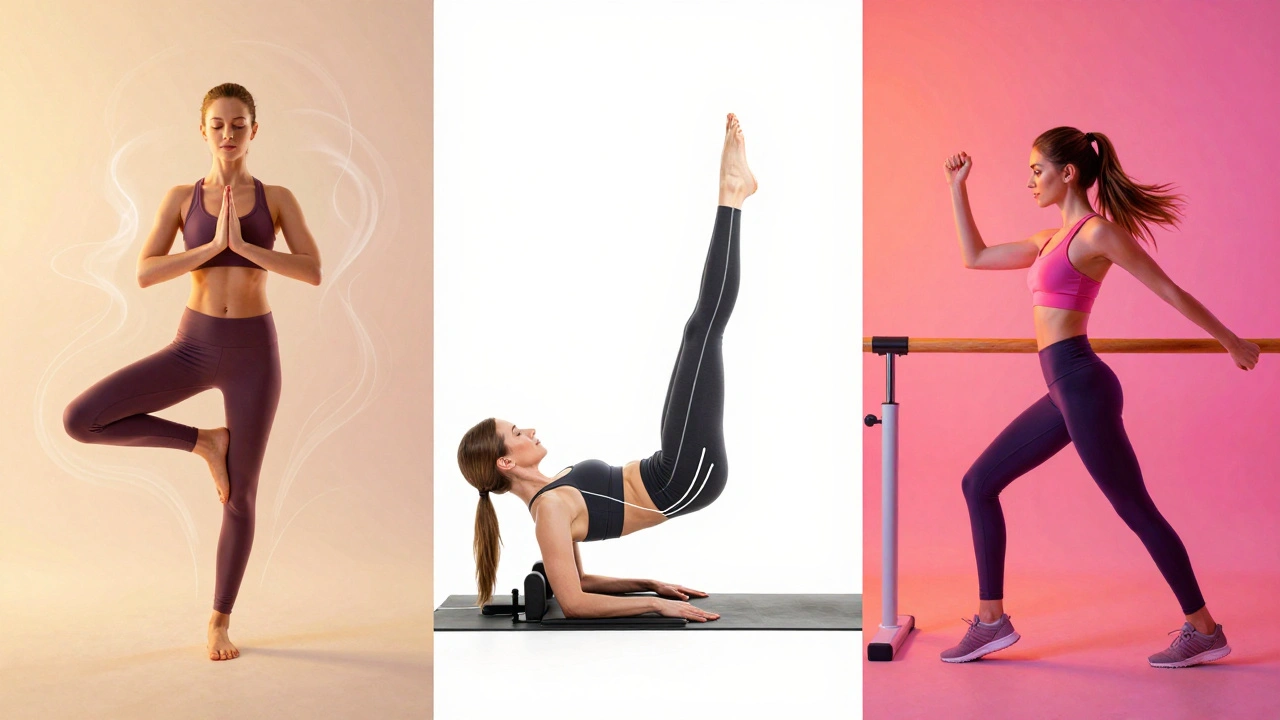
Yoga is rooted in ancient Indian philosophy. It combines physical postures (asanas), breathing techniques (pranayama), and meditation. The goal is often holistic well-being, balancing the body and mind. You will hold poses for varying lengths of time, move through sequences like Sun Salutations, and spend significant time stretching tight muscles.
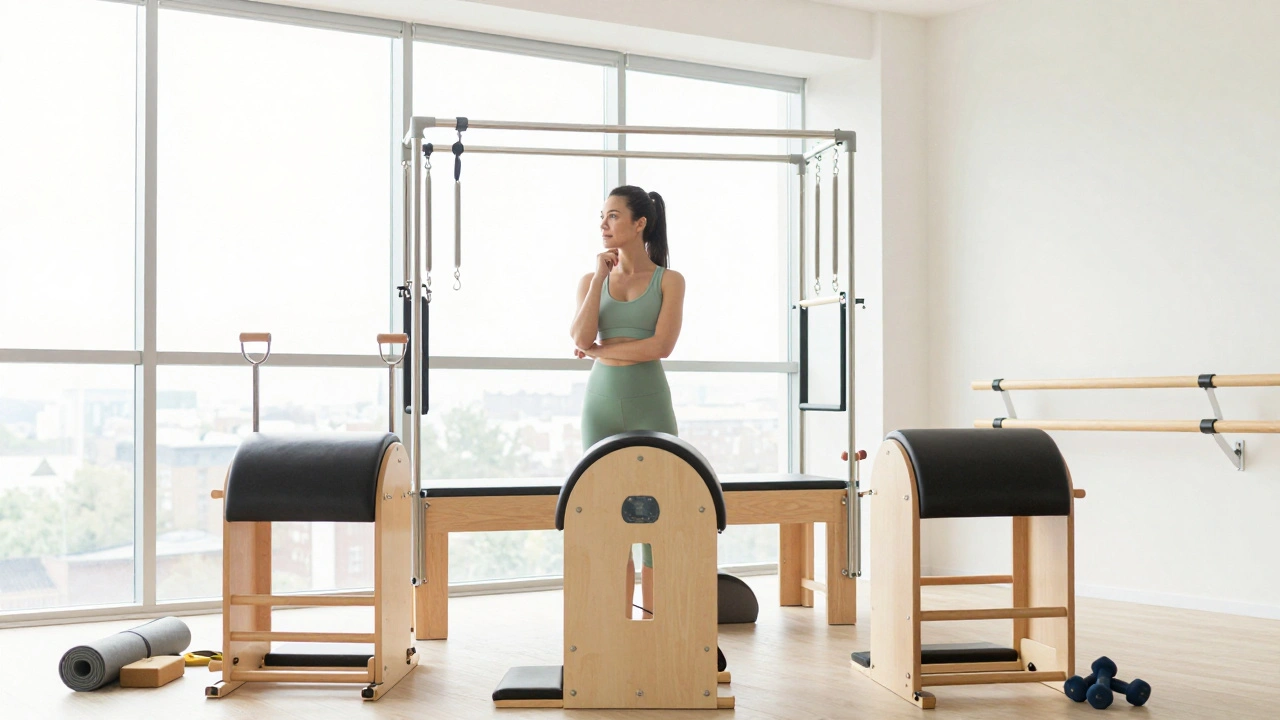
Pilates, developed by Joseph Pilates in the early 20th century, is a system of controlled exercises designed to improve muscle strength, flexibility, and posture. It focuses heavily on the "powerhouse"-the core muscles including the abdominals, lower back, hips, and glutes. Unlike Yoga, which often uses gravity and body weight, Pilates emphasizes precise movement patterns, often using resistance from springs or machines like the Reformer.
Barre is a newer hybrid workout that borrows elements from ballet, Pilates, and Yoga. It takes place at a ballet barre (or a sturdy chair/table) and focuses on small, isometric movements. You perform high repetitions of tiny motions to create muscle fatigue, aiming for long, lean muscle definition rather than bulk. It is essentially cardio-dance mixed with strength training.
| Feature | Yoga | Pilates | Barre |
|---|---|---|---|
| Primary Focus | Flexibility, Balance, Mindfulness | Core Strength, Posture, Control | Muscle Toning, Endurance, Cardio |
| Equipment | Mat, Blocks, Straps | Mat or Reformer Machine | Barre, Light Weights, Bands |
| Intensity Level | Low to High (depends on style) | Moderate (controlled effort) | High (burning sensation common) |
| Best For | Stress relief, joint mobility | Back pain, core stability | Toning legs/glutes, calorie burn |
| Learning Curve | Steep (poses require balance) | Moderate (precision required) | Low (movements are simple) |
When to Choose Yoga First
You should start with Yoga if your primary complaint is stiffness, anxiety, or poor balance. If you sit at a desk all day, your hip flexors are likely tight, and your shoulders are rounded forward. Yoga directly addresses these issues through deep stretching.
There are many styles of Yoga, so choose wisely based on your fitness level:
- Hatha Yoga: Slow-paced and gentle. Perfect for absolute beginners who want to learn basic poses without sweating profusely.
- Vinyasa Flow: Faster paced, linking breath with movement. Good if you want a light sweat and enjoy dynamic motion.
- Restorative Yoga: Uses props to support the body in passive stretches. Ideal for recovery days or high-stress periods.
- Ashtanga or Power Yoga: Rigorous and athletic. Only try this if you already have a base level of strength and flexibility.
The mental benefit here is unmatched. Studies show that regular Yoga practice lowers cortisol levels, the stress hormone. If you need to quiet your mind as much as stretch your hamstrings, Yoga is the clear winner. However, be prepared for a learning curve. Balancing on one leg while folding forward can be humbling at first.
When to Choose Pilates First
Choose Pilates if you struggle with lower back pain, poor posture, or feeling "weak" in your midsection. Many women complain that they do crunches but still don’t feel strong in their abs. That’s because standard crunches often engage the hip flexors instead of the deep transverse abdominis. Pilates teaches you to activate those deep stabilizing muscles correctly.
Pilates comes in two main flavors: Mat Pilates and Reformer Pilates.
- Mat Pilates: Uses only your body weight and small accessories like resistance bands or magic circles. It is challenging because there is no machine to help you; you must generate all the force yourself.
- Reformer Pilates: Uses a specialized bed with springs and pulleys. The springs provide resistance during extension and assistance during return phases. This makes it easier on the joints and allows for greater range of motion.
If you are new to exercise, Reformer classes are often more forgiving because the instructor can adjust the spring tension to match your strength. Mat Pilates requires more discipline and body awareness. Pilates is also excellent for injury prevention. By strengthening the core and improving alignment, you reduce the strain on your spine and knees during daily activities like lifting groceries or playing with kids.
When to Choose Barre First
Pick Barre if you want visible toning results quickly, especially in your legs, glutes, and arms. Barre is unique because it keeps your heart rate elevated throughout the entire class. It feels like dance cardio mixed with strength training. You will use very light weights (often just 1-3 pounds) and perform high repetitions. This creates metabolic stress in the muscles, leading to that "shaking" sensation everyone talks about.
Barre is incredibly accessible. The movements are small and isolated. You don’t need to be flexible to start. In fact, most people start Barre stiff and leave feeling longer and leaner. The structure is usually predictable: you’ll work your arms, then your glutes, then your quads, and finish with a core segment.
One major advantage of Barre is the social aspect. Classes are often upbeat, with music playing loudly and instructors offering constant encouragement. It’s easy to get caught up in the energy. However, be aware that Barre can be tough on the joints if you don’t modify properly. Because you are doing hundreds of small pulses, form breakdown can lead to knee or ankle strain. Listen to your body and step out of the plié if your knees hurt.
Common Myths Debunked
Let’s clear up some confusion that stops women from trying these classes.
Myth: Pilates and Barre will make me bulky.
Reality: Neither practice builds large muscle mass. They focus on muscular endurance and definition. You will look toned, not bodybuilder-sized. To build bulk, you need heavy resistance and specific nutrition, which neither Pilates nor Barre typically provides.
Myth: Yoga is just stretching.
Reality: While flexibility is a key component, advanced Yoga requires immense strength. Holding a pose like Chaturanga (a low push-up position) or Warrior III demands serious arm and core power. Don’t underestimate the physical demand.
Myth: I need to be flexible to do Yoga or Barre.
Reality: Flexibility is a result of practice, not a prerequisite. If you were flexible, you wouldn’t need the class. Both disciplines include modifications for beginners. Use blocks in Yoga and bend your knees more in Barre until your flexibility improves.
How to Structure Your First Month
Don’t commit to one style forever before trying them. Your body might surprise you. Here is a practical plan for your first four weeks:
- Week 1: The Diagnostic Week. Try one class of each. Go to a Hatha Yoga class, a Mat Pilates class, and a beginner Barre class. Pay attention to how you feel afterward. Do you feel energized or exhausted? Sore or stretched?
- Week 2: The Deep Dive. Pick the one you enjoyed most and attend two sessions. Notice if you retain the soreness for days or if it fades quickly. This tells you if your body adapts well to that stimulus.
- Week 3: The Mix. Combine two styles. For example, do Pilates on Monday for core strength and Yoga on Thursday for flexibility. This prevents overuse injuries and keeps workouts interesting.
- Week 4: The Habit. Establish a routine. Aim for two to three sessions per week. Consistency matters more than intensity. A moderate class done regularly beats an intense class done once a month.
Practical Tips for Beginners
Starting any new fitness journey involves logistics. Here is how to avoid common pitfalls.
Wear the Right Gear.
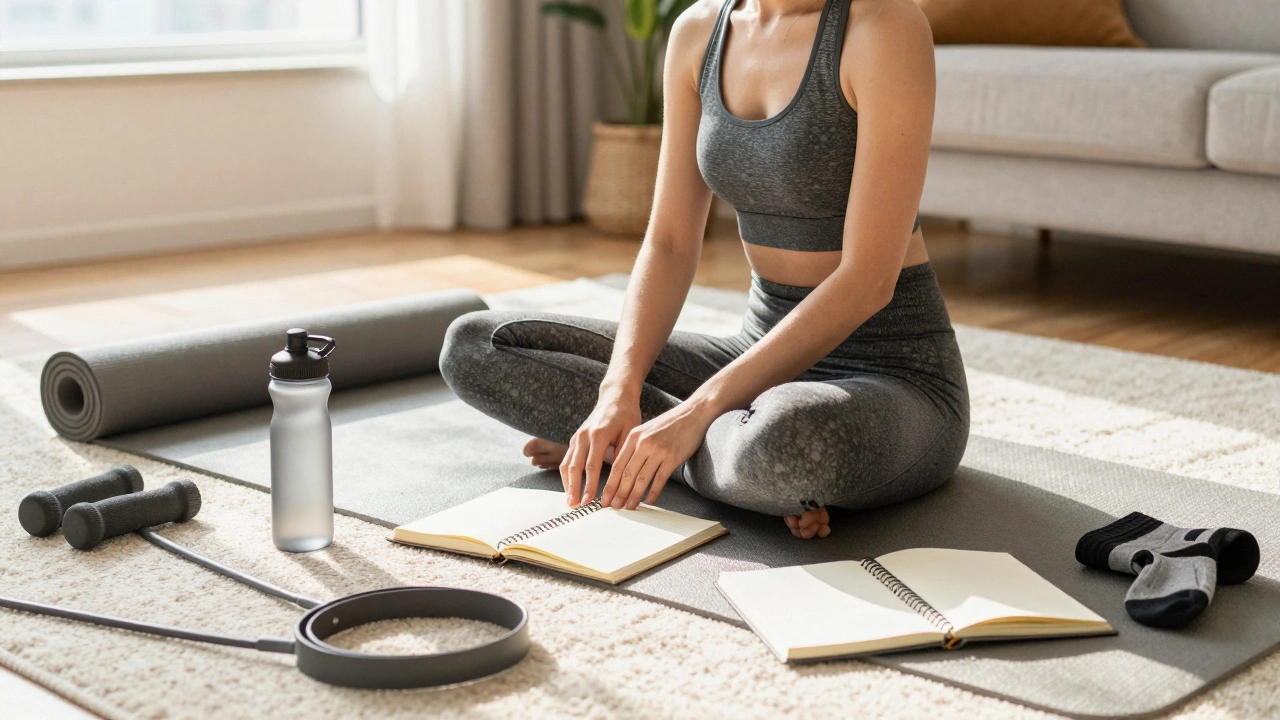
For Yoga, wear clothes that allow full range of motion and won’t ride up when you invert. For Pilates, wear fitted clothing so the instructor can see your alignment. Loose shirts hide posture errors. For Barre, wear socks with grips or bare feet if allowed, and ensure your leggings are squat-proof since you’ll be bending deeply.
Arrive Early.
Show up 10 minutes early. This gives you time to talk to the instructor about any injuries or limitations. It also reduces the anxiety of finding a spot late. Instructors appreciate students who communicate their needs upfront.
Listen to Your Body, Not the Person Next to You.
In Barre and Pilates, it’s tempting to compare your depth or speed to others. Stop. Fitness is personal. If you can’t touch your toes in Yoga, put your hands on blocks. If your legs shake in Barre, widen your stance. Progression comes from consistency, not ego.
Hydrate Before and After.
These classes dehydrate you differently. Yoga uses breathwork that dries out mucous membranes. Barre causes heavy sweating. Drink water throughout the day, not just during the hour-long session.
Which One Is Best for Weight Loss?
If your primary goal is shedding pounds, Barre generally burns the most calories per session due to its cardiovascular nature. A typical 60-minute Barre class can burn between 350 to 500 calories, depending on intensity. Pilates burns fewer calories (around 200-300) but increases muscle density, which boosts your resting metabolism over time. Yoga varies wildly; a gentle Hatha class might burn 150 calories, while a vigorous Vinyasa flow could burn 400. Remember, weight loss is 80% diet. These classes shape the body, but nutrition dictates the scale.
Final Thoughts on Finding Your Fit
There is no single "best" class. The best class is the one you will actually attend consistently. Some women love the spiritual calm of Yoga. Others crave the technical precision of Pilates. Many thrive on the high-energy community of Barre. Your preferences may change with age, stress levels, or fitness goals. Experiment freely. Your body is the laboratory, and these classes are the tools. Start today, listen closely, and let your experience guide your next step.
Can I do Pilates and Yoga on the same day?
Yes, many people combine them. Pilates strengthens the core and stabilizes joints, while Yoga stretches the muscles and improves flexibility. Just ensure you rest adequately. Doing both on consecutive days is fine, but consider spacing them out (e.g., Pilates in the morning, Yoga in the evening) to allow for recovery.
Is Barre good for beginners who have never exercised?
Absolutely. Barre is highly scalable. Instructors always offer modifications, such as keeping your heels lifted or widening your stance. The movements are small and controlled, making it safe for those with little prior fitness experience. Just communicate with the instructor about your starting point.
Do I need special equipment for home Pilates or Yoga?
For Yoga, a non-slip mat is essential. Blocks and straps are helpful but optional. For Pilates, a mat is sufficient for beginner routines. Advanced Pilates often uses reformers, which are expensive and not practical for most homes. Resistance bands can mimic some reformer functions.
Which class is better for lower back pain?
Pilates is generally considered superior for chronic lower back pain because it focuses on strengthening the core muscles that support the spine. However, consult your doctor first. Gentle Yoga can also help by stretching tight hip flexors and hamstrings that pull on the lower back. Avoid aggressive twisting poses in Yoga if you have acute pain.
How often should I take these classes to see results?
Consistency is key. Aim for 2-3 sessions per week of your chosen modality. Most people notice improvements in posture and flexibility within 4-6 weeks. Muscle toning and strength gains typically become visible after 8-12 weeks of regular practice. Combining different types of training yields faster, more balanced results.