Pet-Friendly Home Design: Clever Ways to Hide Pet Mess
 Apr, 18 2026
Quick Tips for a Tidy Pet Home
- Choose performance fabrics like crypton or microfiber for sofas.
- Use hidden storage bins for toys to keep floors clear.
- Install a dedicated mudroom station for paw cleaning.
- Opt for washable area rugs and dark-colored flooring.
- Create "pet zones" to contain shedding and messes.
Ever walked into your living room and felt like you were stepping into a giant ball of lint? If you have a Golden Retriever or a couple of high-energy cats, you know the struggle. Your home is your sanctuary, but it often looks like a pet warehouse. The real challenge isn't just cleaning up-it's designing a space where you don't have to spend four hours a day scrubbing or hiding toys in a closet right before guests arrive. You can actually have a high-end look without sacrificing your pet's comfort.
Choosing Fabrics That Don't Trap Everything
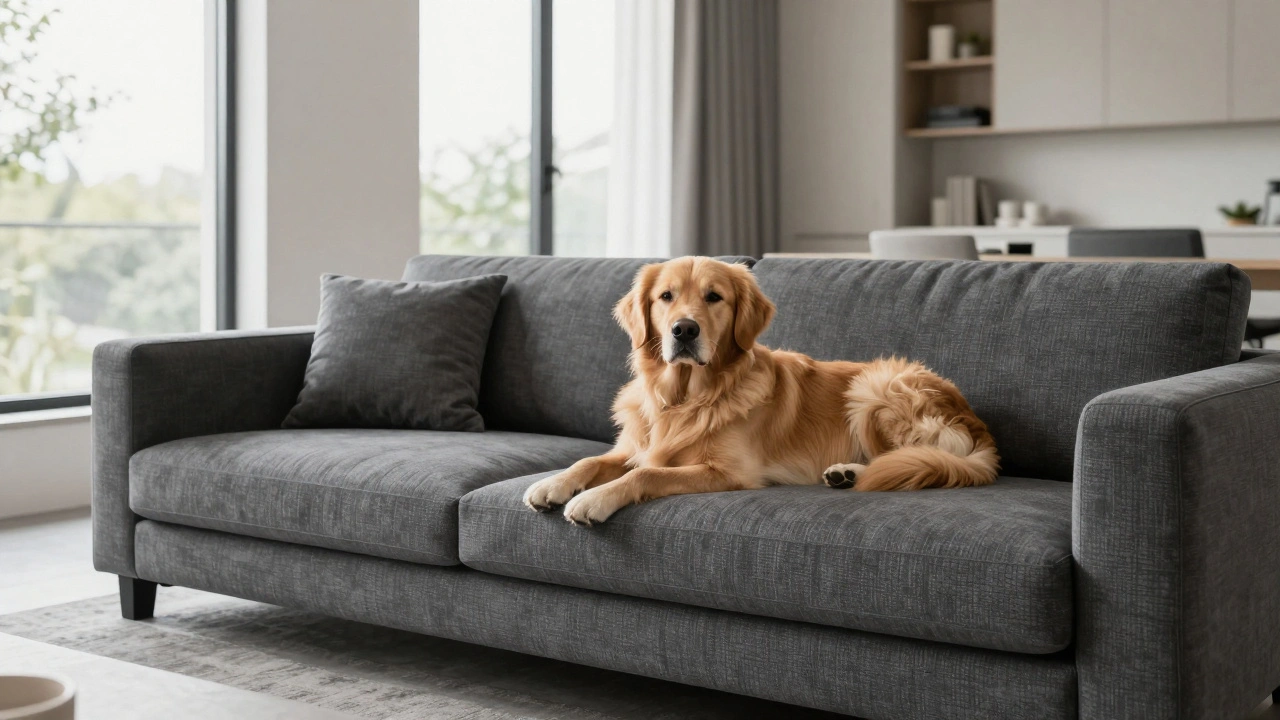
The biggest mistake people make is buying a beautiful white linen sofa and hoping for the best. In reality, pet-friendly home design is all about the material. You want fabrics that don't just look good, but actively fight against hair and stains. Performance Fabrics is a category of textiles treated for durability, stain resistance, and easy cleaning.
If you're shopping for a new couch, look for Microfiber. It's tightly woven, meaning pet hair can't easily penetrate the fibers, so a quick vacuum or lint roller clears it right off. Another pro move is using Crypton, which is a high-performance fabric used in hospitals and hotels. It creates a barrier that prevents liquids from soaking into the cushion. Imagine a clumsy dog knocking over a water bowl-with Crypton, the water beads up instead of soaking in.
| Fabric Type | Hair Resistance | Durability | Best For |
|---|---|---|---|
| Microfiber | High | Very High | Sofa/Sectionals |
| Leather/Vegan Leather | Very High | High | Easy Wiping |
| Linen | Low | Medium | Low-Shed Pets |
| Velvet (Synthetic) | Medium | High | Scratch Resistance |
Hiding the Toy Chaos
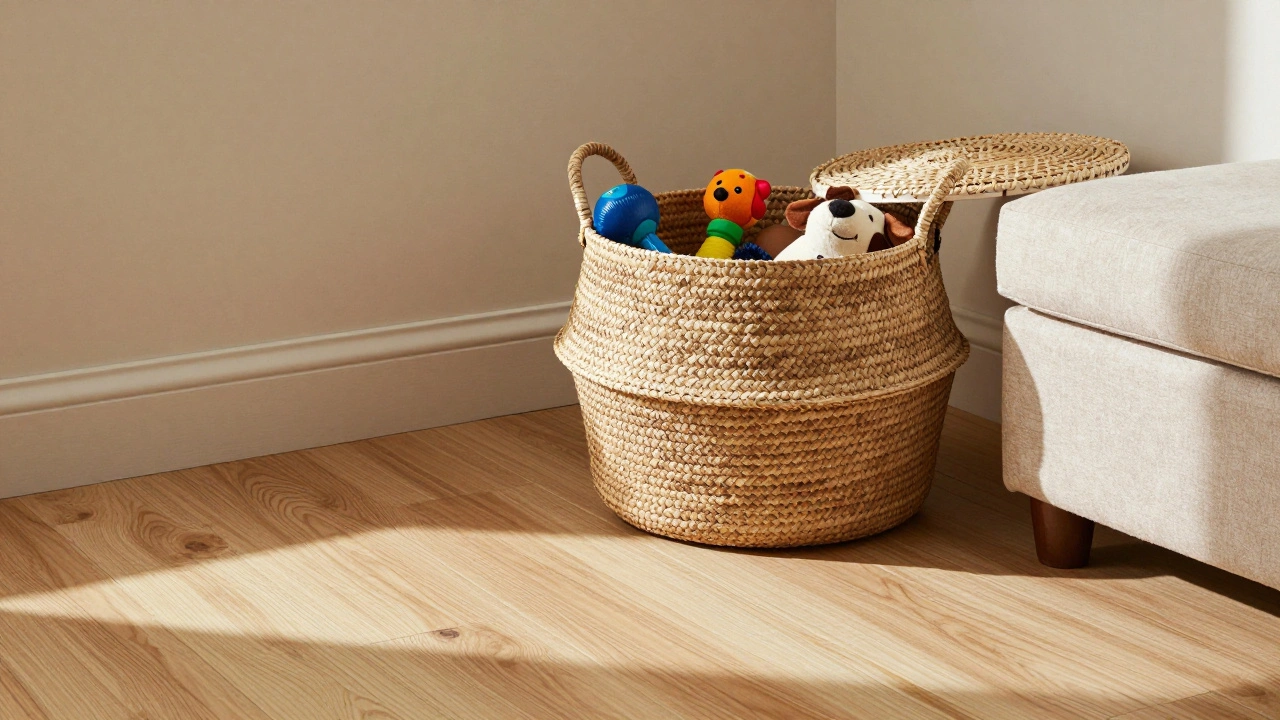
We all love our pets, but we don't necessarily love seeing twenty neon-colored chew toys scattered across a neutral-toned rug. The trick here is "invisible storage." Instead of a giant open plastic bin, try integrating storage into your furniture. An upholstered ottoman with a removable lid is a lifesaver. You can toss all the plushies and ropes inside in three seconds flat.
Another great move is using Woven Baskets. They look like a design choice rather than a cleaning tool. Place a few large seagrass baskets in the corners of the room. When it's time for the dogs to go to bed, you just sweep the toys into the baskets. It keeps the floor clear, which makes the whole house feel cleaner even if the baskets are overflowing.
Solving the Floor Dilemma
Carpets are essentially giant filters for pet hair and dander. If you're renovating, consider Luxury Vinyl Plank (LVP). LVP is a waterproof flooring option that mimics the look of wood but is far more resistant to scratches and accidents. Unlike hardwood, which can be gouged by claws, LVP is incredibly tough.
But what if you want the cozy feel of a rug? Go for Ruggable or similar washable rug brands. These use a two-piece system: a non-slip pad and a surface cover that you can literally throw in your home washing machine. If your dog tracks in mud from the backyard, you don't have to call a professional cleaner; you just wash the rug like a giant t-shirt. Stick to patterns-geometric or distressed designs hide hair and paw prints way better than a solid beige rug.
Creating Dedicated Pet Zones
The mess spreads when pets don't have a designated spot. If your dog's bed is just "wherever they land," you'll be cleaning the whole house. Instead, create a "pet nook." This could be a built-in area under a staircase or a specific corner of the laundry room. By defining where the pet "lives," you contain the shedding to one area.
For cat owners, the Litter Box is the ultimate design nightmare. Stop hiding it in the middle of the bathroom. Try a Litter Box Enclosure, which is basically a piece of furniture (like a side table) that hides the box inside. Not only does it hide the ugly plastic bin, but it also contains the "tracked" litter within a small wooden perimeter, making it easier to vacuum the surrounding area.
The Secret Weapon: The Mudroom Station
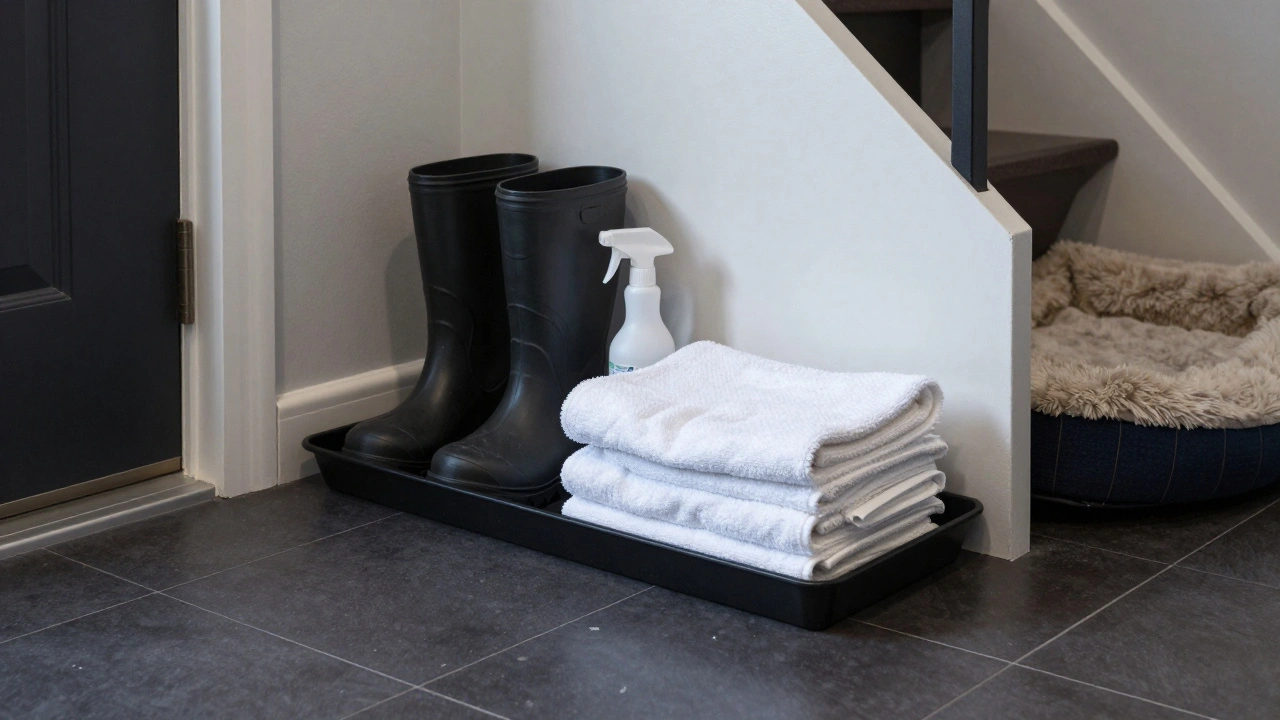
Most of the mess enters the house at the door. If you have the space, set up a dedicated paw-cleaning station. A simple Boot Tray placed right by the entrance is a game changer. Keep a stack of microfiber towels and a spray bottle of pet-safe cleaner right there. The goal is to stop the dirt before it hits your main living area. If you're feeling fancy, a small dog wash station with a raised tub can save your lower back and keep your bathroom floor dry.
Maintaining the Look Without Burning Out
Design is only half the battle; the other half is the routine. To keep the "mess-free" vibe, invest in a Robot Vacuum. Having one that runs daily at 10 AM ensures that the tumbleweeds of hair never get a chance to form. Pair this with a high-quality HEPA Vacuum for those deep cleans once a week.
Don't forget the air. Pet odors cling to fabrics, making a clean room feel "dirty." Using an Air Purifier with a carbon filter removes the smell of "wet dog" and dander from the air, completing the illusion that you don't actually have three animals living in your house.
What is the best color for a pet-friendly living room?
Mid-tone grays, tans, and muted blues are usually the best. Avoid stark white (which shows every hair) and deep black (which shows every speck of dust and dandruff). A "greige" or taupe palette blends most pet fur colors, making the mess less noticeable between cleanings.
How do I stop cats from scratching my furniture?
The best way is to provide a better alternative. Place a sturdy scratching post right next to the corner of the sofa they love. You can also use clear adhesive scratch guards on the corners of your furniture to discourage them from using the fabric as a nail file.
Are there pet-safe paints for walls?
Yes, look for Low-VOC or Zero-VOC paints. These emit fewer chemicals into the air, which is safer for pets who spend most of their time close to the floor. Also, choose a semi-gloss or satin finish for baseboards and lower walls, as they are much easier to wipe clean after a messy encounter.
What should I do if my pet has already ruined a rug?
First, blot-never scrub-the stain to avoid pushing it deeper into the fibers. Use an enzymatic cleaner, which actually breaks down the proteins in pet urine or vomit rather than just masking the smell. If the rug is a permanent fixture, consider adding a washable runner on top of the high-traffic areas.
Can I use leather furniture with dogs?
Leather is great for hair because it doesn't trap it, but it's risky for "diggers" or dogs with long nails. If you choose leather, go for a top-grain or corrected leather, which is more durable than a delicate nubuck. Alternatively, use a stylish throw blanket over the spots where your dog likes to curl up.
Next Steps for Your Home
If you're feeling overwhelmed, don't try to change everything at once. Start with the most high-traffic area. Replace one rug with a washable version or swap out a few open bins for closed storage. Once you see how much easier it is to maintain, you can move on to the bigger projects like flooring or furniture updates. Your goal isn't a sterile home-it's a home where you can actually relax with your pets without worrying about the mess.