Period Pain in Women: Causes and What Actually Helps
 Oct, 6 2026
You know the drill. You’re mid-meeting or trying to sleep, and suddenly your lower abdomen twists like a wet towel being wrung out. It’s not just "bad luck" or something you have to white-knuckle through every month. For millions of women, period pain, medically known as dysmenorrhea, is a recurring physical reality that disrupts work, exercise, and life. But here’s the thing: while discomfort is common, severe pain isn’t inevitable. Understanding what’s actually happening inside your body can change how you manage it.
Most people treat cramps with a heating pad and a shrug. That works for mild cases, but if you’re popping ibuprofen before your period even starts just to function, you need a better game plan. This guide breaks down why your uterus hurts, when it’s normal versus when to see a doctor, and which remedies actually have science behind them-no fluff, just what works.
The Biology Behind the Cramp
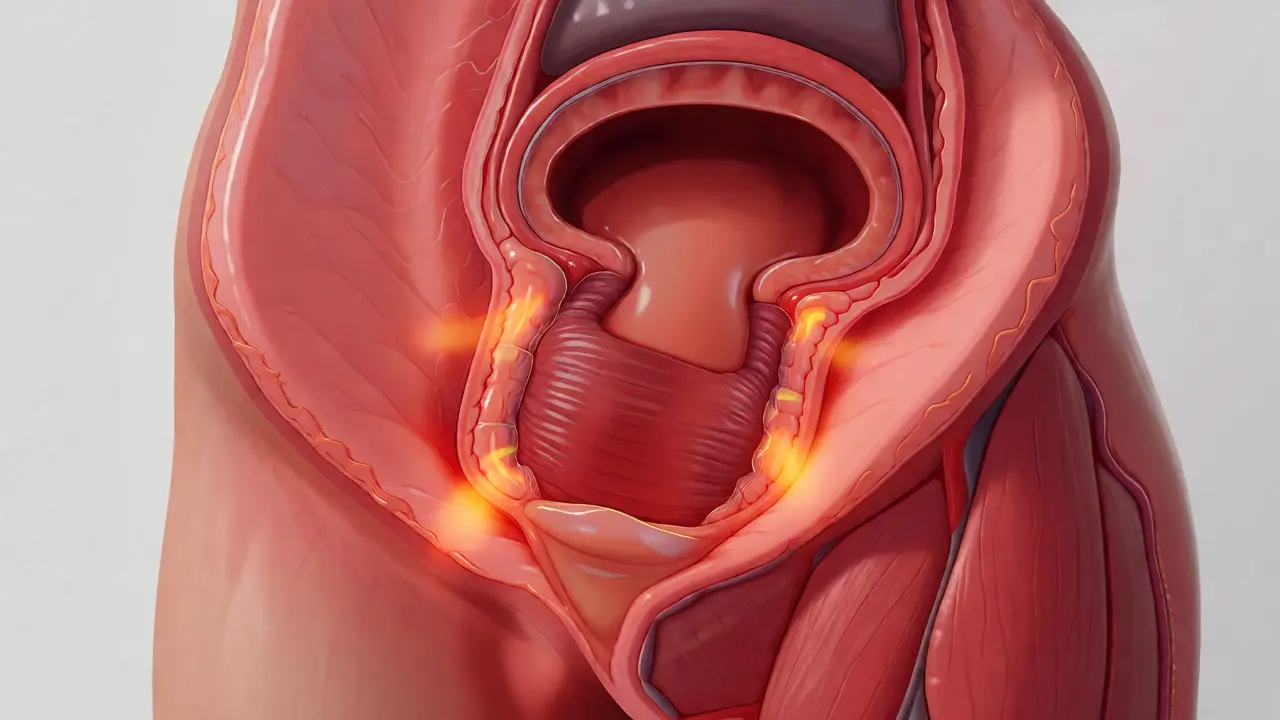
To fix the pain, you have to understand the source. Your uterus is a muscle. Every month, it builds up a thick lining (the endometrium) to prepare for a potential pregnancy. If no egg gets fertilized, that lining sheds. To push this tissue out, your uterine muscles contract and relax rhythmically. These contractions squeeze blood vessels shut, temporarily cutting off oxygen to the muscle tissue. Oxygen deprivation causes pain signals to fire.
The main culprit behind these intense contractions is a group of hormone-like chemicals called prostaglandins. When your period starts, cells in your uterine lining release prostaglandins into the surrounding tissue. The more prostaglandins your body produces, the stronger the contractions and the higher the likelihood of pain. In some women, prostaglandin levels are naturally higher, leading to more severe cramping. This primary type of pain usually begins one to two days before bleeding starts and lasts for two to four days.
Secondary dysmenorrhea is different. This pain is caused by an underlying condition affecting your reproductive organs, such as fibroids or endometriosis. Unlike primary cramps, secondary pain often starts earlier in the cycle and lasts longer than the bleeding itself. Distinguishing between the two is critical because the treatment strategies differ significantly.
Primary vs. Secondary Dysmenorrhea: Spotting the Difference
Not all period pain is created equal. Figuring out which type you have helps determine the right approach. Primary dysmenorrhea typically starts during adolescence, shortly after periods begin. The pain is centralized in the lower abdomen but can radiate to the lower back and thighs. It tends to improve with age and sometimes disappears after childbirth.
Secondary dysmenorrhea, on the other hand, often develops later in life, sometimes years after you’ve had regular cycles. The pain might feel deeper or more localized. If your cramps are getting worse over time rather than staying consistent, or if they occur outside your period window, that’s a red flag. Conditions like endometriosis, where uterine-like tissue grows outside the uterus, cause inflammation and scarring that leads to chronic pelvic pain.
| Feature | Primary Dysmenorrhea | Secondary Dysmenorrhea |
|---|---|---|
| Cause | High prostaglandin levels causing strong uterine contractions. | Underlying medical conditions like endometriosis, fibroids, or adenomyosis. |
| Onset | Starts 1-2 days before bleeding; peaks during first 24 hours of flow. | Can start anytime; often persists throughout the cycle or worsens over time. |
| Pain Location | Lower abdomen, lower back, upper thighs. | Pelvic area, deep vaginal pain, or pain during bowel movements/sex. |
| Trend Over Time | Often improves with age or after pregnancy. | Typically worsens without treatment. |
Proven Strategies for Immediate Relief
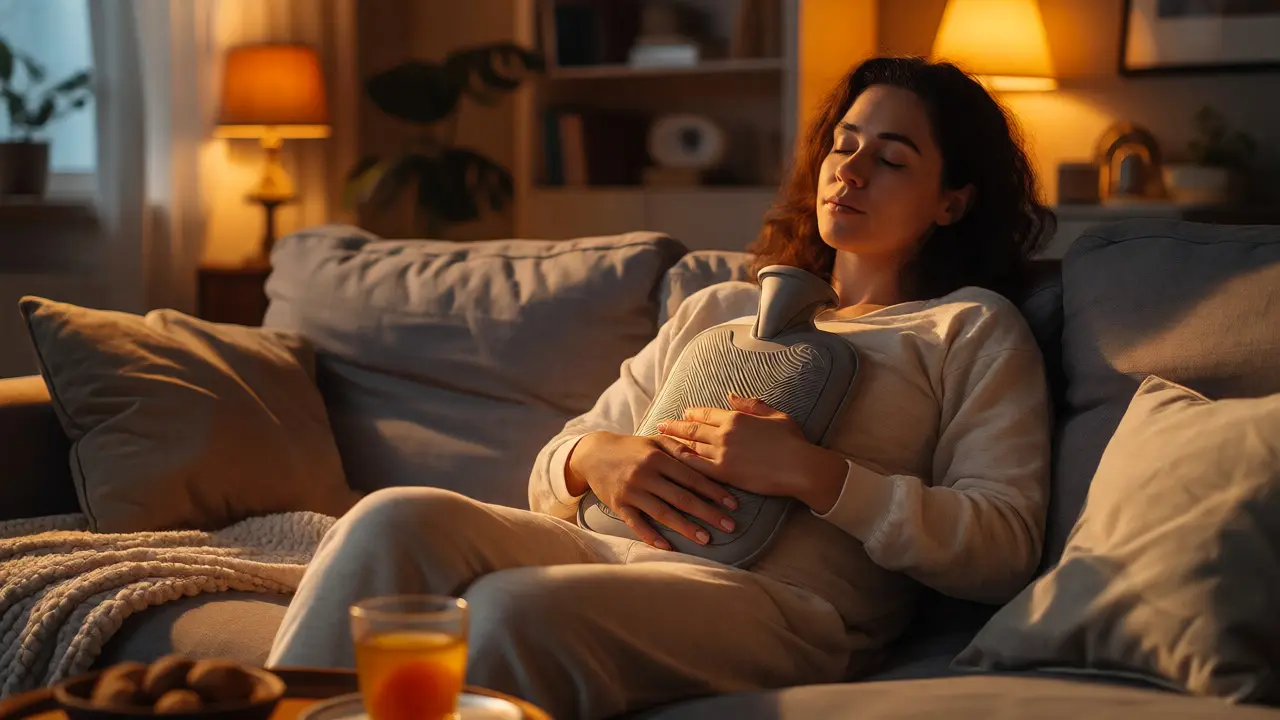
When the pain hits, you want it gone fast. Heat therapy is surprisingly effective. A study published in the Journal of Clinical Nursing found that applying heat to the lower abdomen provides relief comparable to mild painkillers. Why? Heat increases blood flow and helps the uterine muscle relax, countering the oxygen deprivation mentioned earlier. Use a hot water bottle or a heating pad set to medium-high for at least 30 minutes. Don’t rely on lukewarm showers; you need sustained, targeted warmth.
Over-the-counter medication works best when timed correctly. Non-steroidal anti-inflammatory drugs (NSAIDs) like ibuprofen or naproxen block the production of prostaglandins. Here’s the pro tip: take them before the pain becomes unbearable. Once prostaglandins are released, NSAIDs can only stop new ones from forming; they don’t neutralize existing chemicals. Start taking them at the first sign of spotting or pre-menstrual symptoms. Always take NSAIDs with food to protect your stomach lining.
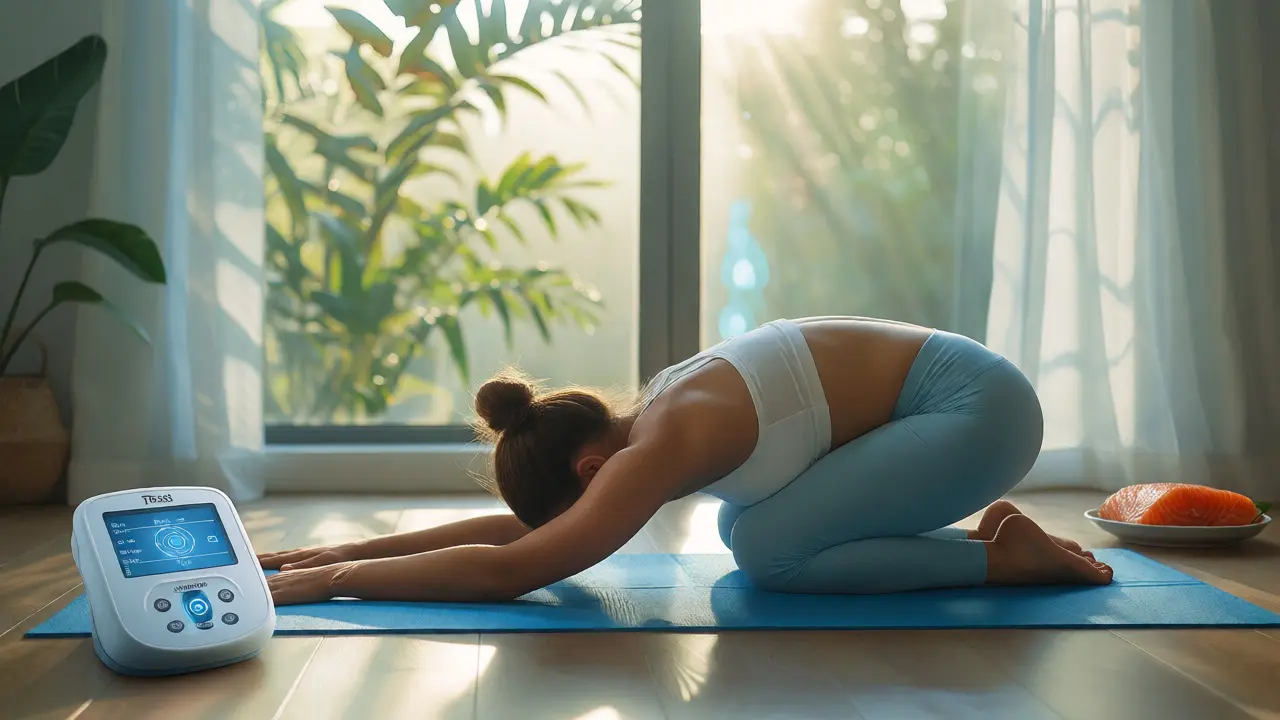
Movement feels counterintuitive when you’re curled up in a ball, but gentle exercise releases endorphins, your body’s natural painkillers. You don’t need to run a marathon. A 20-minute walk, light yoga, or stretching can increase circulation and reduce stiffness. Poses like Child’s Pose or Cat-Cow stretch the lower back and abdomen gently. Avoid high-intensity interval training if you’re in acute pain, as jarring movements can aggravate sensitive tissues.
Dietary Tweaks That Reduce Inflammation
Your diet plays a bigger role in period pain than most realize. Prostaglandins are derived from fatty acids. Specifically, omega-6 fatty acids tend to promote inflammation, while omega-3s help resolve it. Most Western diets are heavily skewed toward omega-6s (found in vegetable oils, processed foods, and fried snacks). Shifting this balance can lower overall inflammation.
Consider adding more omega-3 fatty acids to your routine. Sources include salmon, mackerel, sardines, flaxseeds, and walnuts. Some studies suggest that daily fish oil supplements can reduce the dosage of painkillers needed during menstruation. Conversely, cut back on salt, sugar, and caffeine in the week leading up to your period. Caffeine constricts blood vessels, which can intensify cramping. Salt promotes water retention, bloating your abdomen and adding pressure to already sensitive organs.
- Hydrate: Dehydration worsens muscle cramps. Aim for half your body weight in ounces of water daily.
- Magnesium-Rich Foods: Magnesium helps relax smooth muscle tissue. Dark chocolate (70%+ cocoa), leafy greens, nuts, and bananas are great sources.
- Ginger Tea: Ginger has natural anti-inflammatory properties similar to NSAIDs. Steep fresh ginger root in hot water for 10 minutes and sip slowly.
Supplements and Alternative Therapies
If lifestyle changes aren’t enough, certain supplements show promise. Vitamin B1 and B6 have been linked to reduced severity of PMS symptoms, including pain. Magnesium citrate is particularly effective for muscle relaxation. Many women report noticeable improvements within two to three cycles of consistent supplementation. However, always consult your healthcare provider before starting new supplements, especially if you’re on other medications.
Acupuncture and acupressure offer non-drug alternatives. Research indicates that stimulating specific points, such as Spleen 6 (located four finger-widths above the inner ankle bone), can modulate pain signals. While evidence varies, many patients find significant relief. TENS units (Transcutaneous Electrical Nerve Stimulation) are also gaining popularity. These small devices send mild electrical pulses through sticky pads placed on the lower back or abdomen, interrupting pain messages sent to the brain.
When to See a Doctor
Pain shouldn’t dictate your life. If you’re missing work, canceling plans, or unable to sleep due to cramps, it’s time for a professional evaluation. Severe pain that doesn’t respond to OTC meds is a classic symptom of endometriosis, a condition often misdiagnosed or dismissed as "normal." Endometriosis affects roughly 1 in 10 women and requires specific treatments like hormonal birth control or laparoscopic surgery.
Other red flags include heavy bleeding (soaking through a pad or tampon every hour), fever during your period, or pain during sexual intercourse. These could indicate infections, fibroids, or ovarian cysts. Keep a symptom diary for three months, tracking pain intensity (1-10 scale), duration, and triggers. Bring this data to your appointment. It transforms vague complaints into actionable clinical data, helping your provider diagnose issues faster.
Frequently Asked Questions
Is period pain always normal?
Mild discomfort is common, but severe pain that interferes with daily activities is not considered "normal" in a healthy sense. It often signals excessive prostaglandin production or an underlying condition like endometriosis. If you need prescription-strength management or miss work regularly, seek medical advice.
How long should I wait to see results from dietary changes?
Dietary adjustments typically require consistency over several cycles. Give yourself at least three months to notice significant changes. Reducing inflammatory foods and increasing omega-3s takes time to shift your body's baseline inflammation levels.
Does birth control help with period pain?
Yes, hormonal birth control methods like pills, patches, rings, or hormonal IUDs are commonly prescribed for dysmenorrhea. They work by thinning the uterine lining and suppressing ovulation, which reduces prostaglandin production and the strength of uterine contractions.
Can stress make period pain worse?
Absolutely. Stress raises cortisol levels, which can exacerbate inflammation and heighten pain perception. Managing stress through mindfulness, adequate sleep, and gentle movement can indirectly reduce the severity of cramps.
Are there any exercises to avoid during cramps?
Avoid high-impact activities like running, jumping, or heavy abdominal crunches if you're in acute pain. These can jar the pelvic region and increase discomfort. Stick to low-impact options like walking, swimming, or restorative yoga.