Performance Review Prep for Women: Scripts, Metrics, and Receipts
 Feb, 6 2026
Women still face unique challenges in performance reviews. It’s not just about doing great work-it’s about making sure that work gets seen, measured, and rewarded. Too often, women are praised for being "helpful" or "team players," but those traits don’t translate into promotions or raises. If you’re preparing for your next review, you need more than confidence. You need scripts, hard metrics, and receipts.
Why Performance Reviews Don’t Work the Same for Women
Studies from Harvard Business Review and McKinsey show that women are 1.4 times more likely than men to receive vague feedback like "you’re great to work with" instead of clear performance indicators. Managers often use softer language when evaluating women, even when their output is identical. Meanwhile, men are more likely to get direct feedback tied to business outcomes: "You increased sales by 32%" or "You led the project that saved $200K."
This isn’t bias in the dramatic sense-it’s unconscious pattern recognition. Managers default to what they’ve seen before. If most of the people they promoted last year were men who talked loudly about their wins, they’ll look for the same behavior. You don’t need to change who you are. You just need to change how you present your work.
Script #1: The Ownership Statement
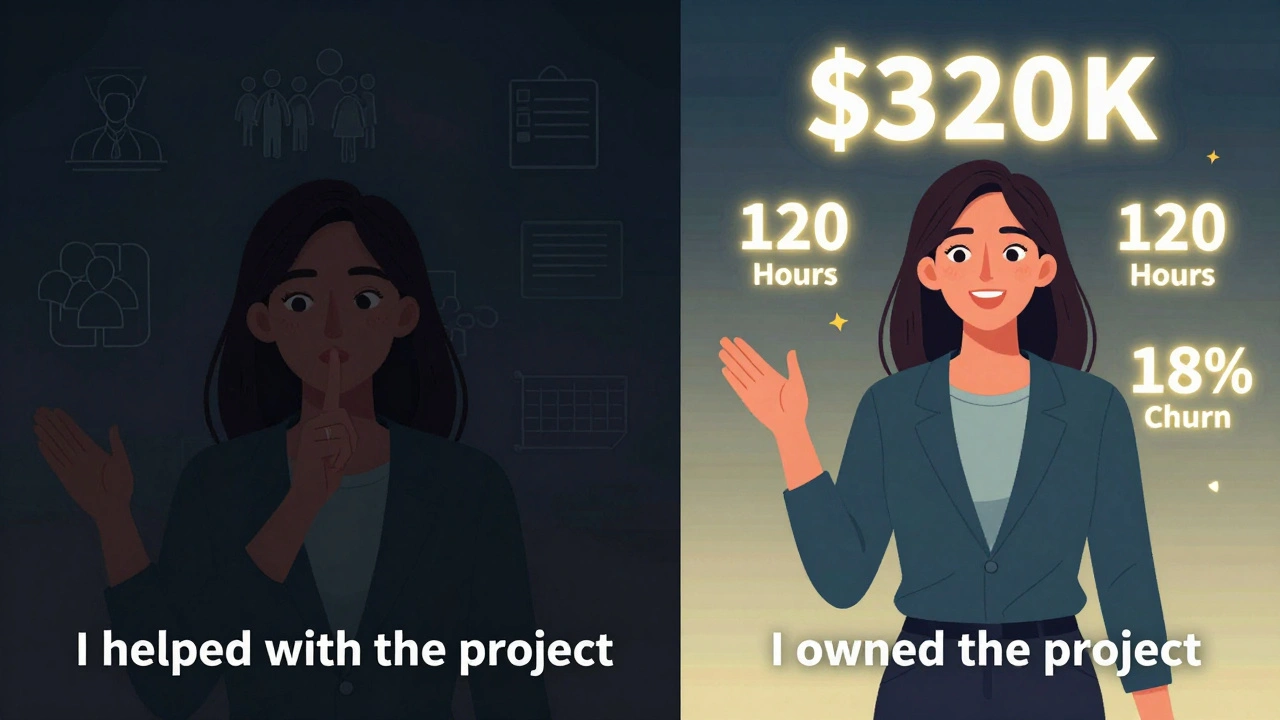
Instead of saying: "I helped with the client onboarding project," say: "I owned the client onboarding project from start to finish. I designed the workflow, trained five team members, and cut onboarding time by 40%-which reduced churn by 18% in Q3."
Notice the difference? The first version makes you sound like a helper. The second makes you sound like a leader. The key is to use the word "owned"-it’s a powerful, unambiguous term that signals responsibility and initiative. It’s not bragging. It’s clarity.
Practice this script until it feels natural. Say it out loud. Record yourself. Use it in every review meeting. This one phrase alone shifts how your contributions are perceived.
Script #2: The Impact Translation
Many women downplay their impact. You might think: "I just did my job." But your job had consequences. Translate your tasks into business outcomes.
Instead of: "I managed the social media accounts," say: "I managed the social media accounts, which grew our follower base by 62% and drove 1,200 qualified leads to the sales team-accounting for 14% of all new customer signups last quarter."
Numbers don’t lie. Even if you don’t have exact stats, estimate. "I handled 50+ client requests per week, which reduced response time from 48 hours to under 6 hours." Managers don’t need perfection-they need context.
Script #3: The Forward-Looking Ask
Don’t end your review with: "Thanks for the feedback." End it with: "Based on this year’s results, I’d like to discuss moving into a senior role. Here’s what I’ve delivered-and here’s what I’m ready to take on."
This is where most women hesitate. They wait to be asked. But promotions don’t come from waiting. They come from claiming.
Prepare three specific goals for the next 12 months. Not vague ones like "grow my skills." Say: "I want to lead a cross-departmental initiative, manage a $50K budget, and mentor two junior team members. I’ve already done the first two in pilot form. I’m ready to scale it."
When you frame your ask as a natural next step-not a favor or a request-you remove the emotional burden from the conversation.
Metrics That Actually Matter
Not all metrics are created equal. Here are the ones that get noticed:
- Revenue impact: "Generated $320K in new sales" or "Reduced refund rate by 22%, saving $89K in processing costs."
- Time saved: "Automated a manual process that saved 120 hours per quarter."
- Team efficiency: "Trained 8 new hires, reducing ramp-up time from 6 weeks to 3."
- Retention: "Led the team with the lowest attrition rate (8% vs. 21% company average)."
- Client satisfaction: "Achieved 97% NPS score across 45 client reviews."
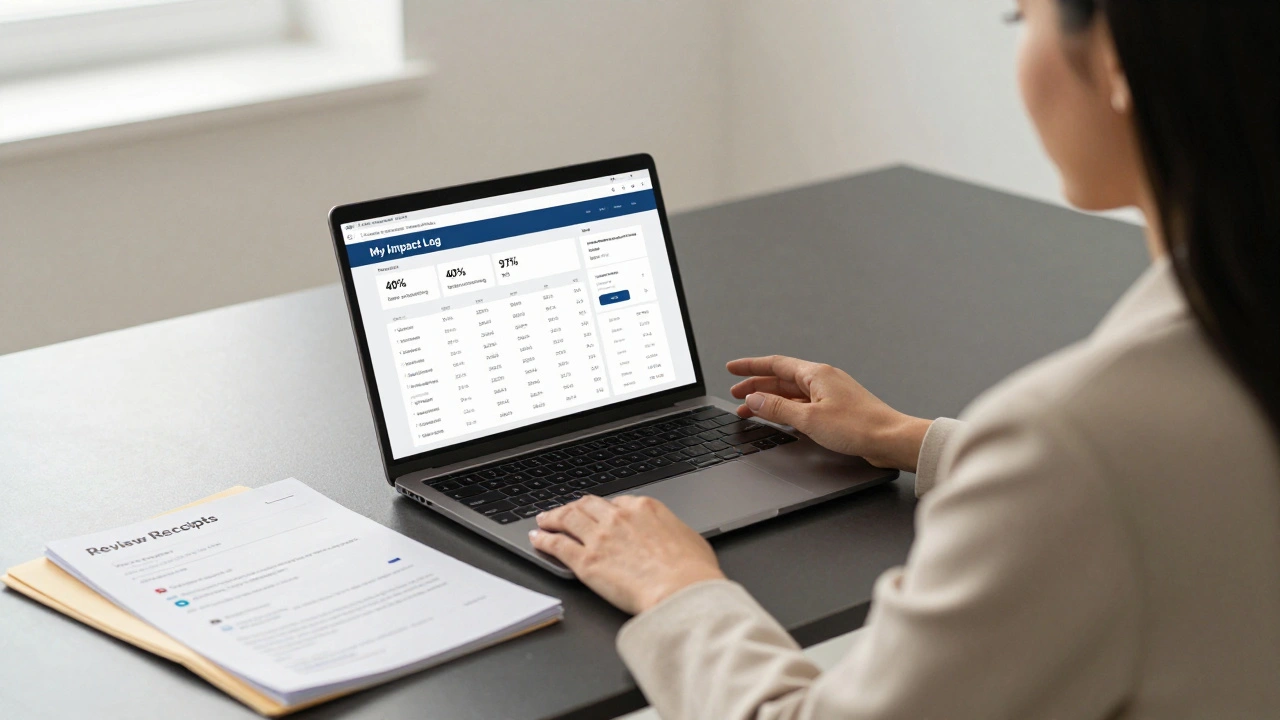
These aren’t fluff. They’re currency. Track them monthly. Update a simple spreadsheet. Use Google Sheets or Notion. Name it "My Impact Log." Every win, big or small, goes in. By review time, you won’t have to scramble-you’ll have a paper trail.

Receipts: The Paper Trail That Protects You
Receipts aren’t just for expenses. They’re for your career. A receipt is any documented proof of your contribution:
- An email where a client says, "Thank you for handling this so smoothly."
- A Slack message from a colleague: "Your template saved me 10 hours."
- A project completion report with your name as lead.
- A screenshot of your KPI dashboard showing your numbers.
- A meeting note where your manager says, "Great job on X."
Store these in a folder labeled "Review Receipts." Keep them private. Don’t share them unless asked. But when you are asked-"Can you show me examples of your impact?"-you’ll have them ready. No hesitation. No guessing. Just facts.
One woman I know, a project manager in Portland, saved 17 receipts over six months. When her manager questioned her promotion, she pulled them up on her laptop. He didn’t say a word. She got the title, the raise, and the budget. Not because she was loud. Because she was prepared.
What to Do If You’re Called "Too Aggressive"
It happens. You speak up. You cite your metrics. You ask for more. And someone says, "You’re being assertive," or "You’re coming off as intense."
Here’s how to respond:
"I’m not trying to be aggressive. I’m trying to be clear. I’ve shared the data. I’m not asking for special treatment-I’m asking for fair recognition based on results. Can we talk about what that looks like?"
That’s it. No apology. No fluff. Just a redirect to facts. You’re not being difficult. You’re being professional.
Don’t Wait for Permission
The biggest mistake women make in performance reviews is waiting to be told they’re ready. You don’t need a manager’s approval to be qualified. You need proof. And proof comes from tracking, scripting, and documenting.
You’ve done the work. Now it’s time to show it-not as a plea, but as a report. Not as a request, but as a fact.
Start today. Write down three wins from this month. Find one receipt. Practice your ownership statement out loud. Do this before your next review, and you won’t just get through it-you’ll own it.
What if I don’t have hard numbers for my work?
Estimate. Use percentages, time saved, or comparisons. For example: "I handled 2x more client requests than last quarter" or "My team’s error rate dropped by 30% after I implemented the new checklist." Managers understand that not everything is perfectly tracked. What they need is context. A well-reasoned estimate is better than silence.
Should I bring my receipts to the review meeting?
Bring them on your laptop or tablet. Don’t hand out printed copies unless asked. You want to control the narrative. Open your folder when the conversation shifts to evidence. Say: "Here’s what I’ve tracked this year." Then let the data speak. This feels confident, not confrontational.
How do I handle feedback that feels unfair or biased?
Ask for specifics. Say: "Can you give me an example of what you mean by ‘too emotional’?" or "How would you describe this behavior if it came from a man in the same role?" This forces clarity. Most managers don’t realize their language is biased until it’s pointed out. Stay calm. Stick to facts. You’re not arguing-you’re clarifying.
Is it okay to ask for a promotion during my review?
Yes. Performance reviews are the only formal time managers are required to talk about your future. Don’t wait for a "perfect moment." Say: "Based on what I’ve accomplished this year, I’m ready to step into a senior role. I’ve attached the metrics and examples. Can we discuss the path forward?" You’re not asking for a favor. You’re asking for alignment.
What if my manager dismisses my achievements?
Document the conversation. Send a follow-up email: "Thanks for our chat today. To summarize, we discussed my contributions to [project], which resulted in [outcome]. I’d appreciate your thoughts on next steps for my growth. I’m happy to provide more details." This creates a paper trail. If the pattern continues, talk to HR-not with emotion, but with data.