Painful Sex in Women: Causes, Diagnosis, and Effective Treatments
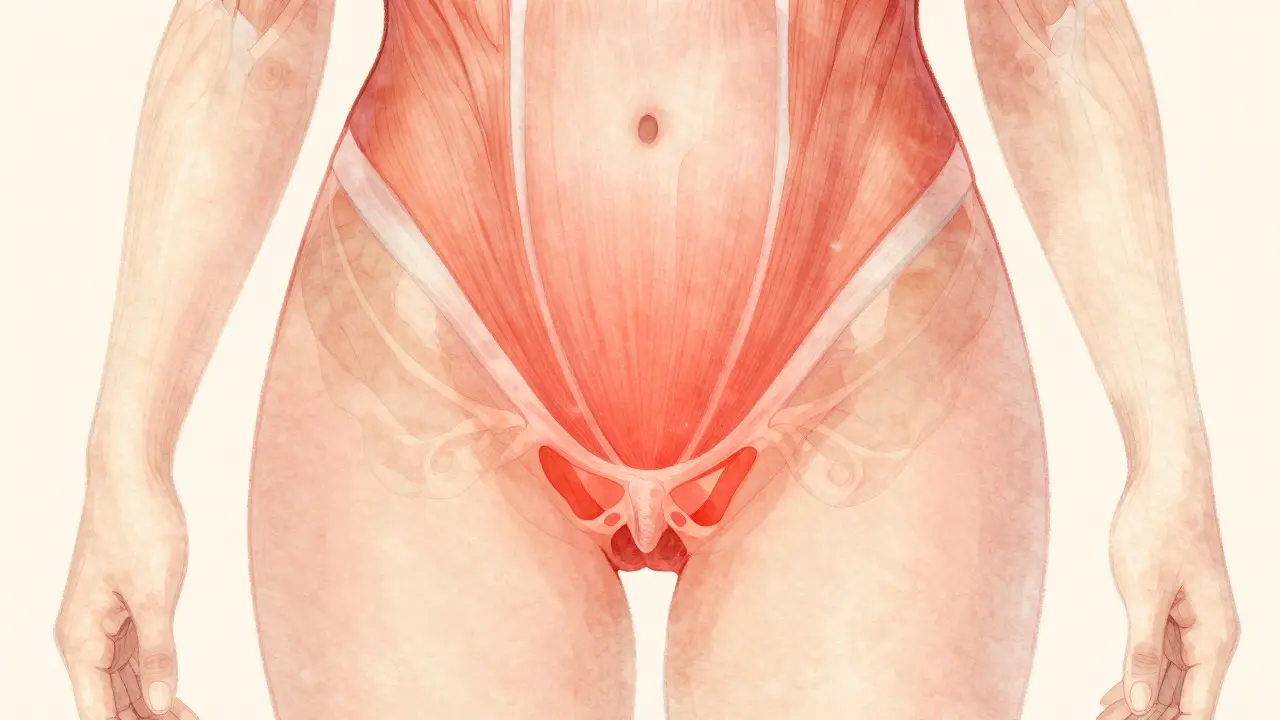 Aug, 17 2026
Imagine walking into the bedroom with anticipation, only to be met with a sharp sting or deep ache that kills the mood. You are not alone. Roughly one in three women experiences dyspareunia, or painful intercourse, at some point in their lives. Yet, for many, it remains a silent struggle because of embarrassment or the false belief that pain is just part of being a woman. The good news? In most cases, painful sex is treatable. Understanding the root cause is the first step toward reclaiming comfort and intimacy.
Understanding Dyspareunia: It’s Not Just One Thing
Dyspareunia is a medical term for pain during or after sexual intercourse. It can occur at entry (superficial) or deep inside the pelvis (deep). The pain might feel like burning, stinging, cramping, or throbbing. Unlike occasional discomfort from lack of lubrication, dyspareunia persists or recurs, signaling an underlying issue that needs attention.
The condition is often categorized by location:
- Superficial dyspareunia: Pain at the vaginal opening. Common causes include infections, skin conditions, or muscle spasms.
- Deep dyspareunia: Pain felt deep in the pelvis or abdomen. This often points to internal issues like endometriosis or ovarian cysts.
Common Physical Causes Behind the Pain
Physical factors are the most frequent culprits. If you’ve been experiencing pain, here are the primary suspects to discuss with your healthcare provider.
Vaginal Dryness and Hormonal Changes
Hormones play a massive role in vaginal health. Estrogen keeps the vaginal tissue thick, elastic, and moist. When levels drop-due to menopause, breastfeeding, or certain medications-the tissue thins and becomes fragile. This condition, known as Vaginal Atrophy (or Genitourinary Syndrome of Menopause), affects up to 50% of postmenopausal women. It leads to dryness, itching, and pain during penetration.
Infections and Inflammation
Infections don’t always come with obvious symptoms like discharge or odor. Sometimes, pain is the only clue. Bacterial vaginosis, yeast infections, and sexually transmitted infections like chlamydia can cause inflammation that makes sex uncomfortable. Even minor urinary tract infections (UTIs) can refer pain to the vagina during intercourse.
Pelvic Floor Dysfunction
Your pelvic floor muscles support your bladder, bowel, and uterus. When these muscles become too tight or fail to relax properly-a condition called Hypertonic Pelvic Floor-insertion becomes painful. This is distinct from weak pelvic floors; here, the problem is excessive tension, often resulting from chronic stress, past trauma, or childbirth recovery issues.
Gynecological Conditions
Several structural or inflammatory conditions can cause deep pain. Endometriosis, where uterine-like tissue grows outside the uterus, is a leading cause of deep dyspareunia. Ovarian cysts, fibroids, and pelvic inflammatory disease (PID) also contribute to pain, especially during deeper thrusting.
Psychological and Lifestyle Factors
It’s easy to overlook the mind-body connection, but psychological factors significantly impact sexual pain. Anxiety about pain creates a cycle: you expect pain, your muscles tense up defensively, and the pain follows. This is particularly common in survivors of sexual trauma or those who have experienced negative sexual experiences in the past.
Lifestyle habits also play a role. Chronic stress elevates cortisol, which can reduce blood flow to the pelvic region and tighten muscles. Dehydration and poor diet can further exacerbate dryness and tissue fragility.

Diagnosis: How Doctors Find the Root Cause
Getting a proper diagnosis is crucial because the treatment varies wildly depending on the cause. A general practitioner or gynecologist will typically start with a detailed history and physical exam.
- Medical History Review: Your doctor will ask about the type of pain, when it started, hormonal status, and any recent changes in medication or life events.
- Physical Examination: A gentle pelvic exam checks for signs of infection, skin irritation, or tenderness. They may use a speculum to look for inflammation or lesions.
- Lab Tests: Swabs may be taken to rule out bacterial vaginosis, yeast, or STIs. Blood tests might check hormone levels if menopause or perimenopause is suspected.
- Imaging: If deep pain is reported, an ultrasound or MRI may be ordered to visualize the ovaries, uterus, and surrounding tissues for cysts, fibroids, or endometriosis.
Treatment Options: From Simple Fixes to Medical Interventions
Once the cause is identified, treatment becomes straightforward. Here’s how different issues are addressed.
For Dryness and Hormonal Issues
If estrogen deficiency is the culprit, topical estrogen creams, rings, or tablets can restore tissue health quickly. For those who prefer non-hormonal options, high-quality water-based or silicone-based lubricants can provide immediate relief. Vaginal moisturizers used regularly (not just before sex) help maintain hydration over time.
For Pelvic Floor Tension
Physical therapy is the gold standard for hypertonic pelvic floors. A specialized pelvic floor physiotherapist teaches relaxation techniques, stretching exercises, and biofeedback. Biofeedback uses sensors to show you in real-time how to relax your muscles, breaking the pain-tension cycle. Many women find significant relief within six to eight sessions.
For Infections
Bacterial or fungal infections are treated with targeted antibiotics or antifungal medications. Completing the full course is essential to prevent recurrence. If an STI is found, both partners should be treated to avoid reinfection.
For Structural Conditions
Endometriosis and fibroids require more complex management. Treatment ranges from hormonal therapies (like birth control pills or IUDs) to suppress growth, to surgical intervention in severe cases. Laparoscopic surgery can remove endometrial implants, often providing long-term pain relief.
| Cause Category | Specific Condition | Primary Symptom Type | First-Line Treatment |
|---|---|---|---|
| Hormonal | Vaginal Atrophy | Superficial (burning/stinging) | Topical Estrogen / Lubricants |
| Muscular | Hypertonic Pelvic Floor | Superficial (tightness/pain on entry) | Pelvic Floor Physical Therapy |
| Infectious | Yeast/Bacterial Vaginosis | Superficial (irritation/discharge) | Antifungals/Antibiotics |
| Structural | Endometriosis | Deep (cramping/throbbing) | Hormonal Therapy / Surgery |

When to See a Doctor
You shouldn’t wait years to address this issue. Seek medical advice if:
- Pain lasts longer than a few days after intercourse.
- You notice unusual discharge, bleeding, or odor.
- Pain interferes with your daily activities or sleep.
- You have a history of pelvic pain or endometriosis.
Building a Comfortable Intimacy Routine
Treating the medical cause is vital, but building a supportive environment helps sustain progress. Communication with your partner is key. Let them know what feels good and what doesn’t. Use plenty of lubricant, even if you’re not diagnosed with dryness-it reduces friction and anxiety. Experiment with positions that allow you to control depth and pace. Patience is crucial; healing takes time, and rushing back to previous patterns can set you back.
Frequently Asked Questions
Is painful sex normal?
No, while common, it is not considered normal in the sense that it should be ignored. Persistent pain indicates an underlying issue that is usually treatable. Occasional mild discomfort due to insufficient arousal or lubrication is common, but sharp, recurring, or deep pain warrants a medical evaluation.
Can stress really cause painful sex?
Yes. Stress triggers the body’s fight-or-flight response, causing muscles to tense up, including the pelvic floor. This involuntary tightening can make insertion painful. Additionally, stress can lower libido and reduce natural lubrication, compounding the issue.
What is the difference between superficial and deep dyspareunia?
Superficial dyspareunia occurs at the vaginal entrance and is often linked to dryness, skin conditions, or muscle spasms. Deep dyspareunia is felt deeper in the pelvis or abdomen and is frequently associated with internal conditions like endometriosis, ovarian cysts, or uterine fibroids.
Does pelvic floor physical therapy work for everyone?
It is highly effective for women with hypertonic (tight) pelvic floors. However, it may not be the first choice if the pain is primarily caused by hormonal atrophy or active infection. A proper diagnosis ensures the right therapy is selected. Many patients see improvement within 6-12 weeks of consistent therapy.
Can I use estrogen cream if I’m not menopausal?
Low-dose vaginal estrogen is sometimes prescribed for premenopausal women with specific hormonal imbalances or those using certain medications that lower estrogen effects. Always consult your doctor before starting hormone therapy, as it requires monitoring and suitability assessment based on your personal health history.