Non-Hormonal Birth Control Options for Women: Pros and Cons
 Feb, 15 2026
When it comes to birth control, most people think of pills, patches, or injections - all of them packed with hormones. But what if you don’t want to mess with your hormones? Maybe you’ve had side effects like mood swings, weight gain, or low libido. Or maybe you just prefer to avoid synthetic chemicals altogether. The good news? There are several effective, FDA-approved non-hormonal birth control options available right now - and they’re more reliable than ever.
How Non-Hormonal Birth Control Works
Non-hormonal birth control doesn’t interfere with your body’s natural hormone cycle. Instead, it blocks sperm from reaching the egg, prevents ovulation through physical means, or makes the reproductive environment hostile to sperm. These methods work differently than hormonal ones, and that changes everything - from how you use them to how they affect your body long-term.
Unlike hormonal methods that suppress ovulation or thicken cervical mucus, non-hormonal options rely on barriers, timing, or physical disruption. That means no changes to your menstrual cycle, no risk of hormone-related side effects, and no long-term impact on your fertility once you stop using them.
Top Non-Hormonal Birth Control Options
1. Copper IUD (Intrauterine Device)
The copper IUD - brand names like ParaGard - is the most effective non-hormonal birth control you can get. It’s a small, T-shaped device inserted into the uterus by a healthcare provider. It releases copper ions, which are toxic to sperm and prevent fertilization. It can also make the uterine lining less hospitable to a fertilized egg.
Pros:
- Over 99% effective - better than the pill, the patch, or the ring
- Lasts up to 10-12 years
- No hormones means no mood changes, weight gain, or acne
- Works immediately after insertion
- Can be used as emergency contraception if inserted within 5 days after unprotected sex
Cons:
- May cause heavier, longer, or more painful periods, especially in the first 3-6 months
- Insertion can be uncomfortable - some women report cramping like strong menstrual cramps
- Rare risk of perforation during insertion (about 1 in 1,000)
- Not ideal if you have severe menstrual pain or heavy bleeding to begin with
One study from the Contraception Journal in 2023 tracked 12,000 copper IUD users over five years. About 68% reported no change in their period length after the first year, while 22% saw improvement. Only 8% discontinued due to side effects - a much lower dropout rate than most hormonal methods.
2. Condoms (Male and Female)
Condoms are the only birth control method that also protects against sexually transmitted infections (STIs). Male condoms are made of latex, polyurethane, or polyisoprene. Female condoms are inserted into the vagina and have a flexible ring at each end.
Pros:
- Readily available without a prescription
- Zero hormonal side effects
- Protects against STIs - crucial if you have multiple partners
- Can be used on demand, no planning needed
Cons:
- 98% effective with perfect use, but only about 82% effective with typical use - meaning people often miss steps or use them inconsistently
- Can break or slip off
- Some people feel they interrupt spontaneity
- Latex allergies affect about 1-2% of the population
Latex-free options like polyurethane condoms are just as effective and work well for sensitive skin. Female condoms, while less common, give women more control and can be inserted up to 8 hours before sex.
3. Fertility Awareness-Based Methods (FAM)
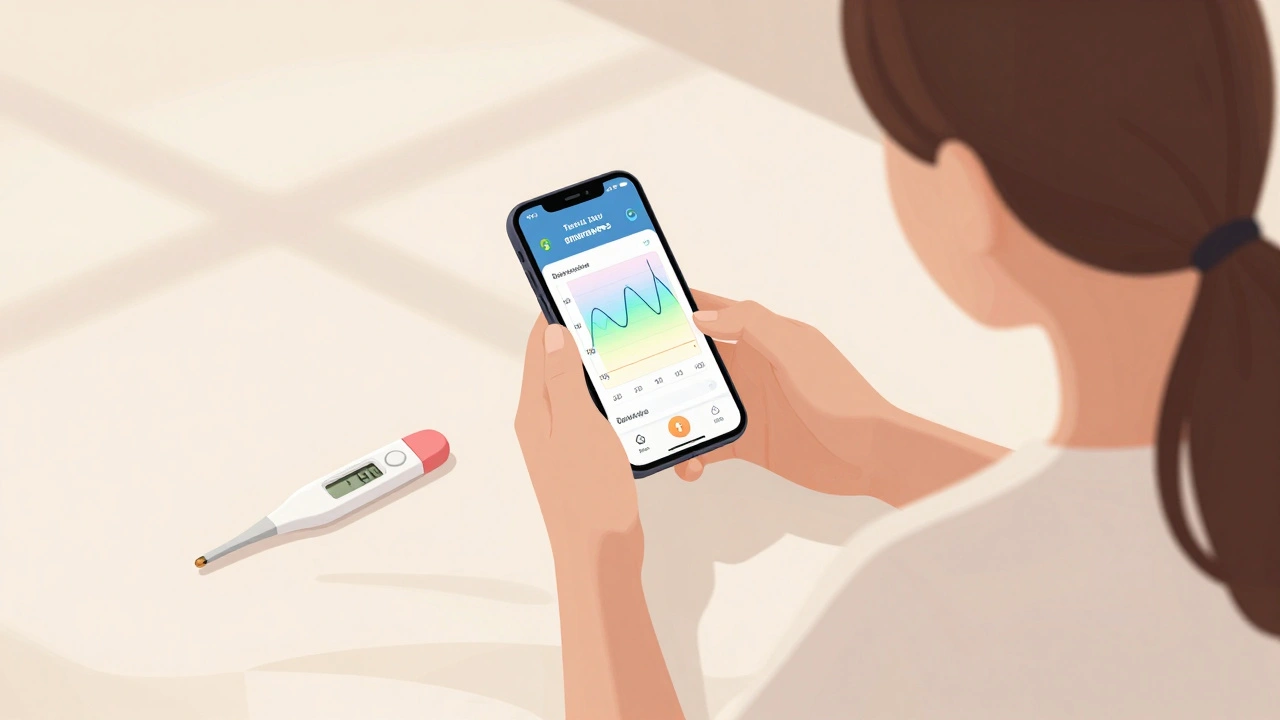
This isn’t just counting days. Fertility awareness methods involve tracking your body’s natural signs - cervical mucus, basal body temperature, and sometimes cervical position - to identify your fertile window. You avoid sex or use another method during that time.
Apps like Natural Cycles (FDA-cleared) and apps that sync with wearable thermometers help make this easier. But you still need to take your temperature every morning before getting out of bed and track changes daily.
Pros:
- No devices or chemicals - just your body and awareness
- Can help you understand your cycle better - useful if you’re trying to conceive later
- Costs little to nothing after the initial investment in a thermometer or app
Cons:
- Only about 76% effective with typical use - meaning 24 out of 100 women using this method get pregnant each year
- Requires daily discipline - no skipping days, no alcohol the night before (it affects temperature)
- Not reliable if your cycle is irregular - common with PCOS, stress, or recent birth control use
- Not safe if you’re not willing to use backup methods (like condoms) during fertile days
One 2024 study from the University of Oregon followed 500 women using FAM with a digital thermometer and app. Only 18% got pregnant over 12 months - better than the national average - but only because they used backup methods on fertile days 95% of the time. Without backup, pregnancy rates jumped to 34%.
4. Spermicides (Gels, Foams, Films)
Spermicides contain nonoxynol-9, a chemical that kills sperm. They come as gels, foams, suppositories, or films and are inserted into the vagina before sex. Often used with condoms or diaphragms.
Pros:
- Available over the counter
- No hormones
- Inexpensive
Cons:
- Only about 72% effective alone - not recommended as a standalone method
- Can cause irritation or increase risk of UTIs or STIs if used frequently
- Must be used every time - and within 30 minutes before sex
- Doesn’t protect against STIs
Most health providers don’t recommend spermicides alone. But when paired with a diaphragm or cervical cap, effectiveness jumps to about 88%.
5. Diaphragm and Cervical Cap
These are silicone domes inserted into the vagina to cover the cervix. They’re used with spermicide. A doctor or nurse fits you for one - size matters. A diaphragm is larger and sits lower; a cervical cap is smaller and fits snugly over the cervix.
Pros:
- Hormone-free
- Can be inserted up to 6 hours before sex
- Reusable - lasts up to 2 years
Cons:
- Requires fitting by a provider - not one-size-fits-all
- Must be used with spermicide
- 71-88% effective depending on use and fit
- Higher risk of UTIs
- Can be hard to insert correctly - takes practice
A 2025 review from the American College of Obstetricians and Gynecologists found that women who used diaphragms consistently and correctly had pregnancy rates similar to those using the pill. But the dropout rate was high - nearly 40% stopped within a year because of discomfort or difficulty.
What About the Withdrawal Method?
It’s not a method you’ll find on a doctor’s list - but plenty of people still use it. The withdrawal method, or “pulling out,” relies on the man ejaculating outside the vagina.
It’s about 78% effective with typical use - meaning 22 out of 100 women get pregnant each year. Pre-ejaculate can carry sperm, and timing is hard to perfect. It also puts all the responsibility on one person. If you’re looking for reliable birth control, this isn’t it.
Which Option Is Right for You?
There’s no one-size-fits-all answer. Here’s how to decide:
- If you want long-term, low-maintenance, and highly effective: Go with the copper IUD.
- If you’re sexually active with multiple partners: Use condoms - always.
- If you’re comfortable tracking your body daily: Try FAM with a thermometer and backup protection.
- If you want something you can use on-demand: Condoms are your best bet.
- If you have a regular cycle and want to avoid devices: Consider a diaphragm or cervical cap - but only if you’re willing to get fitted and practice.
One thing’s clear: non-hormonal methods aren’t less effective - they’re just different. The copper IUD is more effective than most hormonal options. Condoms are the only method that protects against STIs. And FAM gives you insight into your body that no pill ever could.
Common Myths About Non-Hormonal Birth Control
- Myth: Non-hormonal methods are less reliable.
- Truth: The copper IUD is more than 99% effective - better than the pill.
- Myth: You have to be a “natural lifestyle” person to use FAM.
- Truth: You just need to track your cycle. Many professionals, from nurses to engineers, use FAM with apps and thermometers.
- Myth: Condoms ruin the experience.
- Truth: Many couples report increased intimacy because they feel safer and more connected.

What to Expect When Switching from Hormonal to Non-Hormonal
If you’re coming off the pill, patch, or ring, your body will adjust. You might get your period back quickly - or it might take a few months. Some women experience heavier bleeding or cramping as their natural cycle returns. That’s normal.
Don’t panic if your first period after stopping hormones is longer or stronger. It’s your body resetting. If bleeding lasts more than 7 days or is extremely heavy (soaking through a pad or tampon every hour), talk to your provider.
One woman in Portland, 32, switched from the pill to a copper IUD after years of depression and weight gain. Within 3 months, her mood stabilized. Her energy came back. Her periods got heavier - but she didn’t mind. "I feel like myself again," she told her OB-GYN. "I didn’t realize how much the pill had changed me."
Final Thoughts
Non-hormonal birth control isn’t a compromise - it’s a choice. And it’s not just for people who hate hormones. It’s for anyone who wants more control, fewer side effects, and options that work with their body - not against it.
The copper IUD is the gold standard. Condoms are essential for STI protection. FAM gives you insight. Diaphragms and caps are underrated. And spermicides? Save them for backup.
There’s no reason to settle for something that makes you feel off if better options exist. Talk to your provider. Ask about the copper IUD. Try tracking your cycle. Use condoms. You deserve birth control that fits your life - not the other way around.
Can I get pregnant right after removing a copper IUD?
Yes. Fertility returns immediately after the copper IUD is removed. There’s no waiting period. Many women conceive within the first cycle after removal. This is one reason it’s a great option if you’re planning to have children in the next 1-3 years.
Do non-hormonal methods cause weight gain?
No. Unlike hormonal birth control, non-hormonal methods like the copper IUD, condoms, and fertility awareness don’t cause weight gain. Any weight changes you notice are likely due to other factors - diet, stress, or lifestyle. If you’ve gained weight on the pill, switching to a non-hormonal method may help you return to your baseline.
Is the copper IUD safe for women with heavy periods?
It’s not ideal. The copper IUD can make periods heavier and more painful, especially in the first 6 months. If you already have heavy bleeding or cramping due to fibroids or endometriosis, this method may worsen symptoms. Talk to your provider about alternatives like condoms or FAM.
Can I use non-hormonal birth control while breastfeeding?
Yes - and it’s often recommended. Hormonal methods can affect milk supply, especially in the first few months. Non-hormonal options like the copper IUD, condoms, and FAM are safe and don’t interfere with breastfeeding. Many lactation specialists suggest the copper IUD as the top choice for new moms.
Are non-hormonal methods covered by insurance?
Under the Affordable Care Act, most insurance plans cover the copper IUD with no out-of-pocket cost. Condoms are often free at clinics or covered with a prescription. Fertility apps and thermometers usually aren’t covered - but some employers offer HSA/FSA reimbursement. Always check with your provider.