Neighbor Networking for Women: Build a Support System on Your Block
 Nov, 9 2026
You know the person next door. You’ve seen them walking their dog or checking the mail, but you’ve never actually spoken. Maybe you waved once in passing. For many women, especially those balancing careers, caregiving, and household management, that silence feels heavy. It’s not just about loneliness; it’s about logistics. Who watches the kids when you have a dentist appointment? Who brings soup when the flu hits hard? Who notices if your car hasn’t moved in three days?
Building a neighbor networking is not about hosting perfect dinner parties or joining a committee that meets every Tuesday night. It’s about creating a low-friction support system right where you live. In Portland, Oregon, where I live, we often talk about "community" as something abstract. But real community is concrete. It’s knowing which neighbor has a ladder you can borrow, or which one makes too much zucchini bread to eat alone. This guide breaks down how to turn strangers into allies without burning out.
Why Traditional Networking Fails Locally
We are taught to network for jobs. We exchange business cards, follow up on LinkedIn, and aim for upward mobility. But local networking works differently. You don’t choose your neighbors based on career synergy. You share property lines, noise levels, and trash pickup schedules. Trying to apply corporate networking rules here leads to awkwardness. If you approach a new neighbor with an elevator pitch, they will likely retreat indoors.
The goal here isn’t professional advancement; it’s social resilience. According to research from the Harvard Study of Adult Development, strong social ties are the single best predictor of health and happiness later in life-more than cholesterol levels or income. For women, who often carry the mental load of family coordination, having a trusted circle within walking distance reduces stress significantly. You aren’t building a resume; you’re building a safety net.
The Psychology of Low-Stakes Connection
Most people hesitate to talk to neighbors because of fear. Fear of rejection, fear of being intrusive, or fear of getting stuck in a long conversation. The key to overcoming this is lowering the stakes. You don’t need to become best friends immediately. You just need to establish recognition.
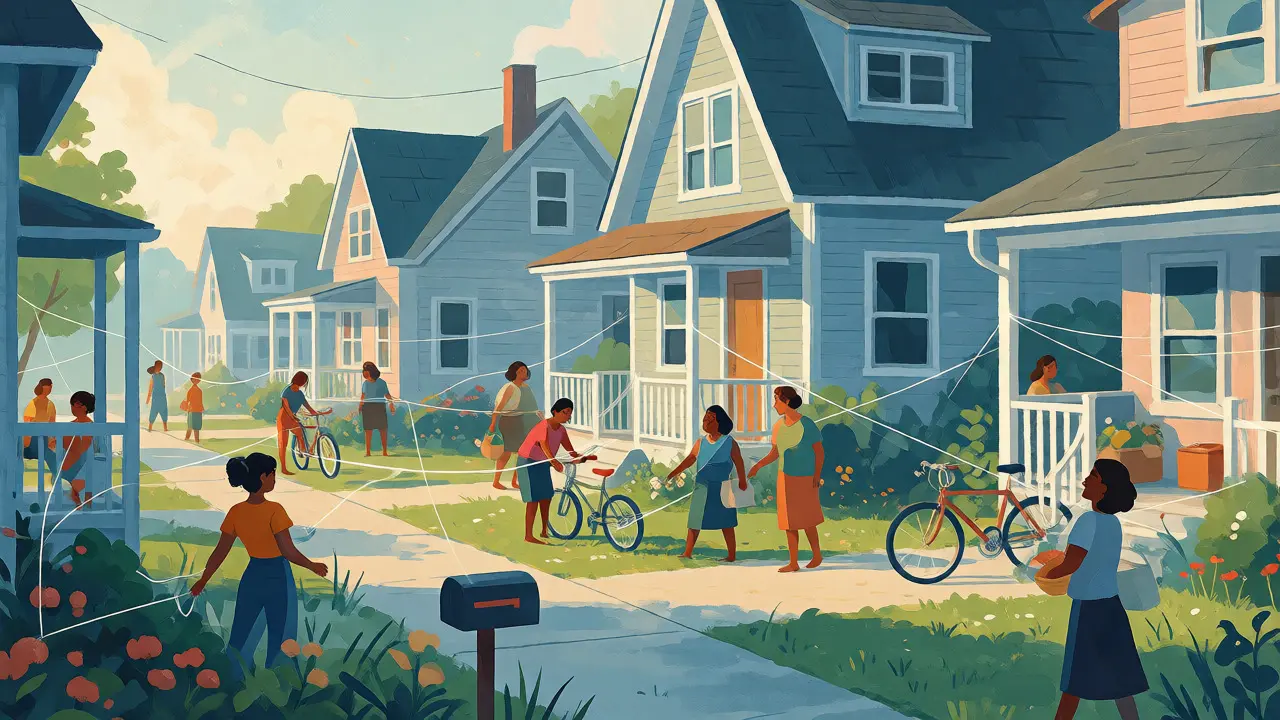
Start with what sociologists call "weak ties." These are acquaintances who provide information and resources that your close friends might not. A weak tie might be the woman across the street who knows a great pediatrician, or the man two doors down who fixes bicycles. Recognizing these connections requires shifting your mindset from "What do I want from them?" to "How can I acknowledge their presence?"
- The Wave-and-Smile Rule: Do this consistently for two weeks. Don’t stop. Consistency builds trust faster than intensity.
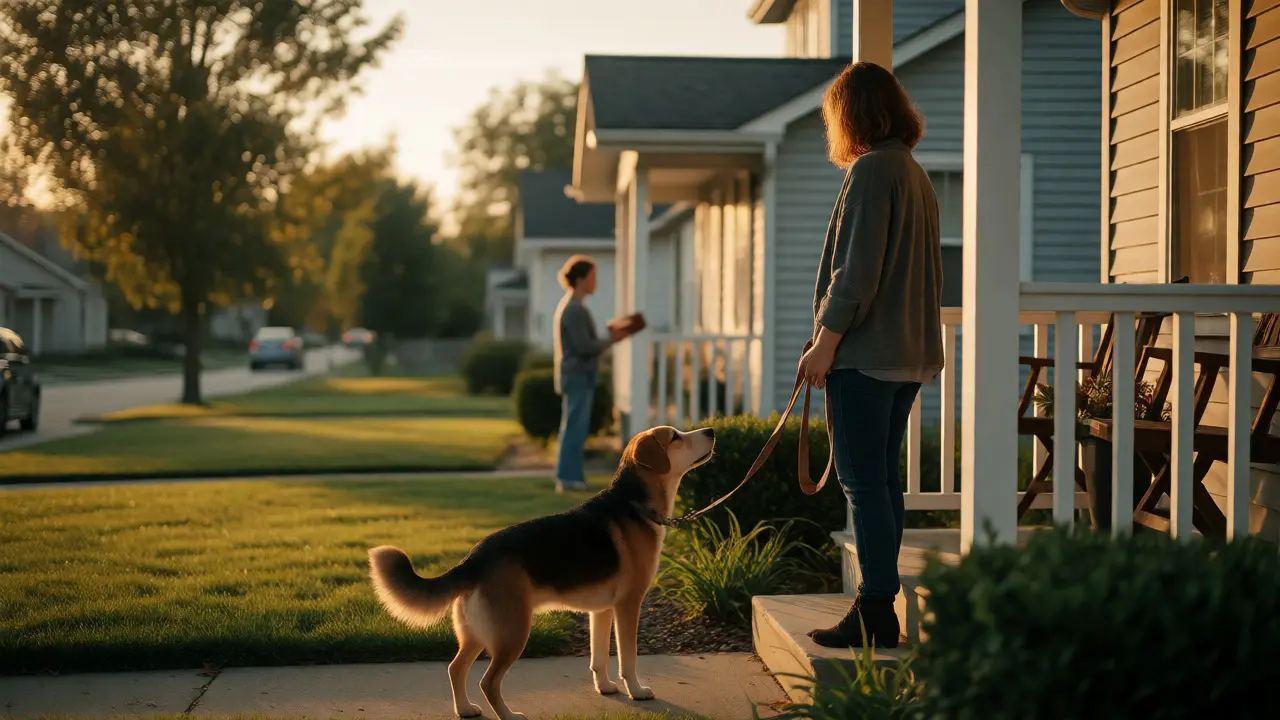
- The Prop Technique: Use objects to bridge gaps. Walking a dog, holding a package, or gardening gives you a natural reason to speak.
- Time-Bound Interactions: Keep initial chats under five minutes. End first. Leave them wanting more interaction, not less.
Practical Tactics for Breaking the Ice
Once you’ve established basic recognition, you need to deepen the connection. This is where many women stall because they wait for the other person to make a move. Be proactive, but keep it light. Here are specific scripts and actions that work well in residential areas.
The Borrow-and-Return Strategy
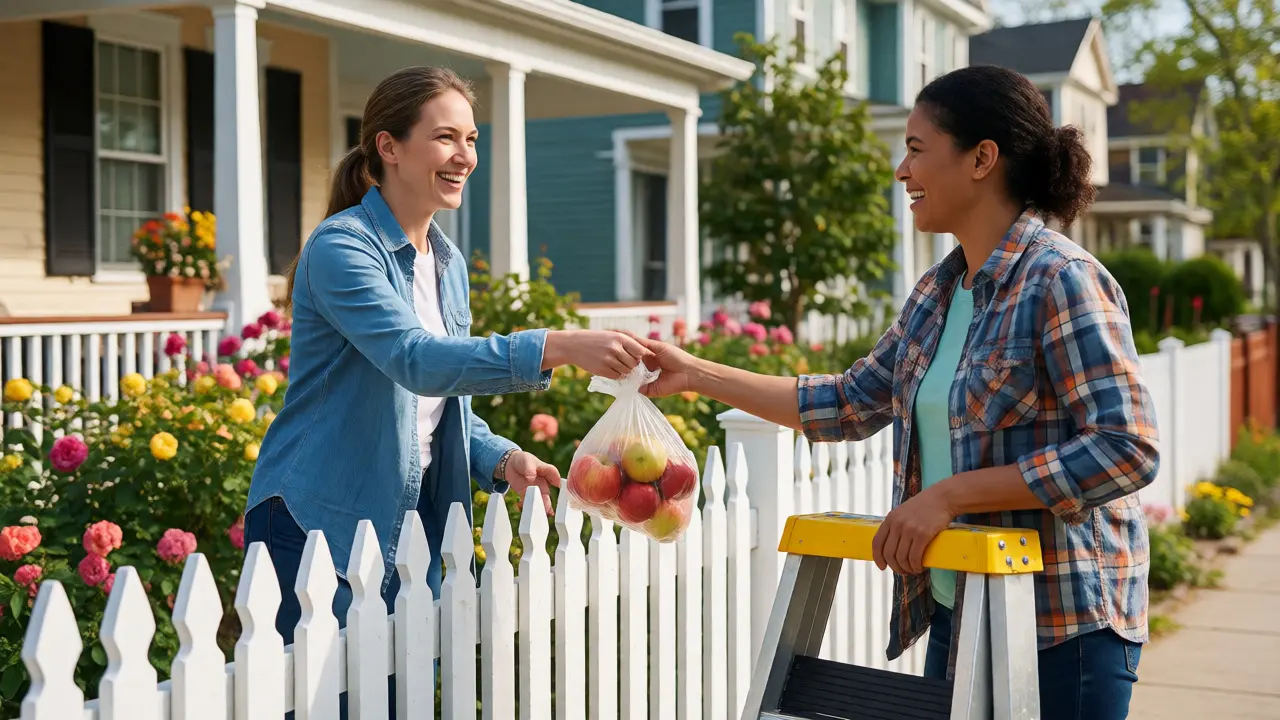
Asking for help triggers the Benjamin Franklin effect: people like you more after they do you a favor. Ask to borrow a staple tool-a step ladder, a tape measure, or a phone charger. When you return it, bring a small token of appreciation. A bag of apples, a homemade cookie, or even a handwritten note saying "Thanks for saving my project!" opens the door for future interaction.
The Shared Space Approach
If you live in an apartment complex or a dense neighborhood, use common areas strategically. Instead of rushing through the mailroom, pause. If you see someone struggling with a large box, offer to hold the elevator. In suburban settings, front-yard visibility is key. Working on a visible hobby-gardening, painting a fence, washing a car-invites casual observation and comments. It signals availability without demanding engagement.
The Digital Bridge
Many neighborhoods now use platforms like Nextdoor or private Facebook groups. While these can be toxic, they are useful for identifying active members. Look for people who answer questions about local services or recommend restaurants. These individuals are already engaged. Send them a direct message: "Hi [Name], I saw your post about the plumber on Oak Street. He was great, wasn't he? I'm new to the block and looking for recommendations."