Mindful Parenting for Women: How to Stay Present With Kids in Real Life
 Mar, 10 2026
Ever had one of those moments when your toddler is screaming in the grocery store, your phone is buzzing with work emails, and you realize you haven’t taken a full breath in ten minutes? That’s not failure. That’s real life. And mindful parenting isn’t about being perfect-it’s about showing up, even when you’re tired, overwhelmed, or just barely holding it together.
What Mindful Parenting Really Means
Mindful parenting isn’t about meditating for an hour a day or buying expensive yoga mats. It’s about bringing awareness to the messy, loud, exhausting moments of raising kids. It’s noticing when you’re about to snap at your child because you’re running on three hours of sleep-and choosing to pause instead. It’s listening to your five-year-old explain why their stuffed bear needs a nap, even though you’ve got a deadline in 20 minutes.
Studies from the University of Massachusetts show that mothers who practice mindful parenting report 30% lower levels of parental stress and higher emotional regulation. But you don’t need a study to know this: when you’re truly present, your kids feel seen. Not because you’re doing something special, but because you’re not distracted.
The Myth of the Calm Mom
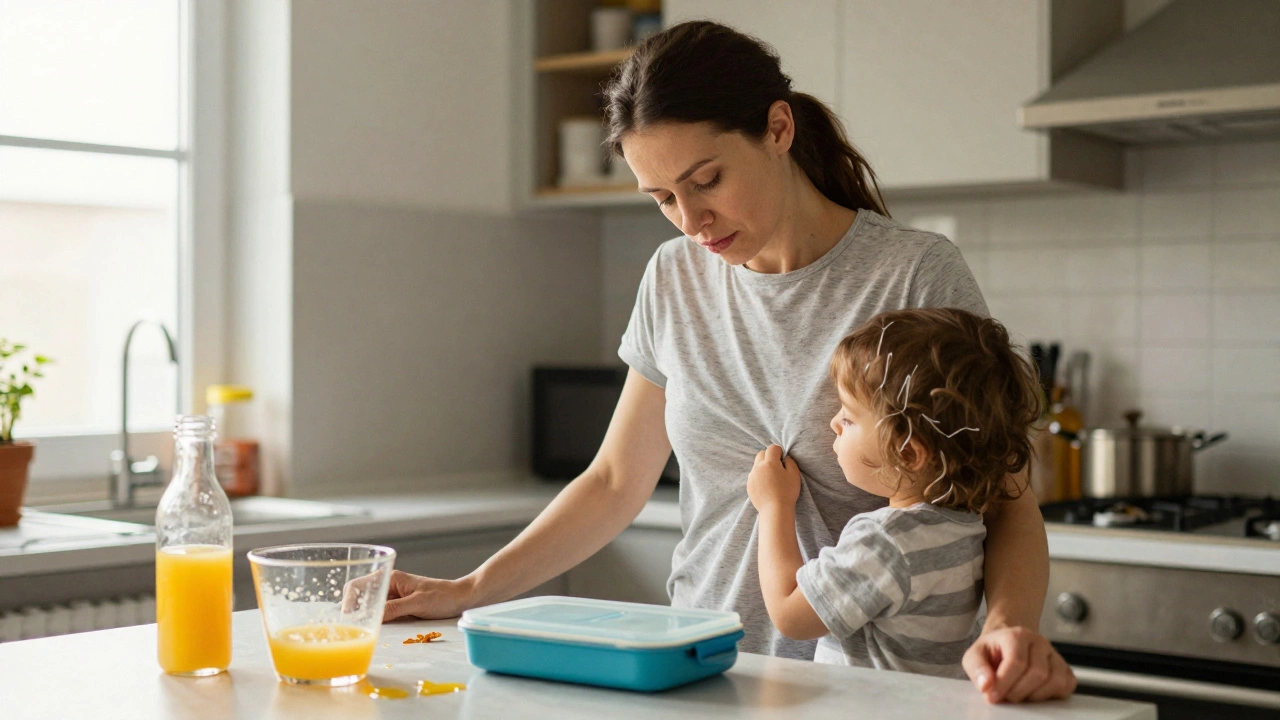
Social media sells the idea of the zen mother: serene, smiling, surrounded by natural light, reading bedtime stories with perfect pacing. That’s not real. Real life is spilled juice on the couch, tantrums in the car, and forgetting your keys three times in one morning.
Mindful parenting doesn’t mean you stop feeling angry, frustrated, or overwhelmed. It means you stop fighting those feelings. You notice them. You say, "I’m really irritated right now," instead of yelling. You take a breath before reacting. You don’t have to be calm to be present.
I used to think I was failing as a mom because I couldn’t stay calm during meltdowns. Then I realized: presence isn’t about controlling emotions-it’s about not letting them drive the car.
Three Simple Ways to Start Today
You don’t need to overhaul your life. Start small. Here are three things that actually work for busy moms:
- Pause before responding. When your child asks for the fifth time if you’re ready to leave, don’t answer right away. Take one slow breath. Count to three. Your response will be calmer, and your child will learn that silence isn’t punishment-it’s space.
- Engage your senses. While washing dishes, feel the warm water. While pushing the stroller, notice the sound of leaves rustling. When you’re brushing your child’s hair, feel the texture. These tiny moments anchor you in the now. No apps needed.
- Let go of the script. You’ve got a plan: bath at 7, story at 7:30, lights out at 8. But what if your kid wants to talk about dinosaurs for 20 minutes instead? Let it happen. The schedule will still be there tomorrow. The connection won’t.
Why This Matters More Than You Think
When you’re present with your kids, you’re not just being a better parent-you’re teaching them how to be human.
Children learn emotional regulation not from lectures, but from observation. If you model how to pause, breathe, and respond instead of react, they internalize that. A 2024 study from Stanford’s Center for Child Development found that children of mindful parents showed 40% higher emotional resilience by age eight. That’s not magic. That’s modeling.
And it’s not just about big moments. It’s the small ones: the way you look at your child when they’re tired, the way you pause before answering their question about death or why the sky is blue, the way you don’t rush them through their messy drawing because you know it matters to them.
What Gets in the Way
Here’s what stops most women from practicing mindful parenting:
- Shame. "I should be better at this." You’re not broken. You’re human.
- Over-scheduling. Between work, school pickups, soccer practice, and PTA meetings, there’s no room to breathe. But mindfulness doesn’t require more time-it requires shifting attention.
- Perfectionism. You think you need to be calm, quiet, and patient 24/7. Nope. You just need to show up, even when you’re grumpy.
- Isolation. Many moms feel alone in this. But you’re not the only one. Talk to another mom. Say, "I’m having a hard time staying present today." You’ll be surprised how many say, "Me too."
Real-Life Scenarios That Work
Here’s what mindful parenting looks like when it’s not perfect:
- You’re on a Zoom call. Your toddler climbs onto your lap and starts pulling your hair. Instead of snapping, you say, "I’m working right now, but I’ll be with you in five minutes." Then you set a timer. When it goes off, you give them five minutes of full attention-no phone, no distractions.
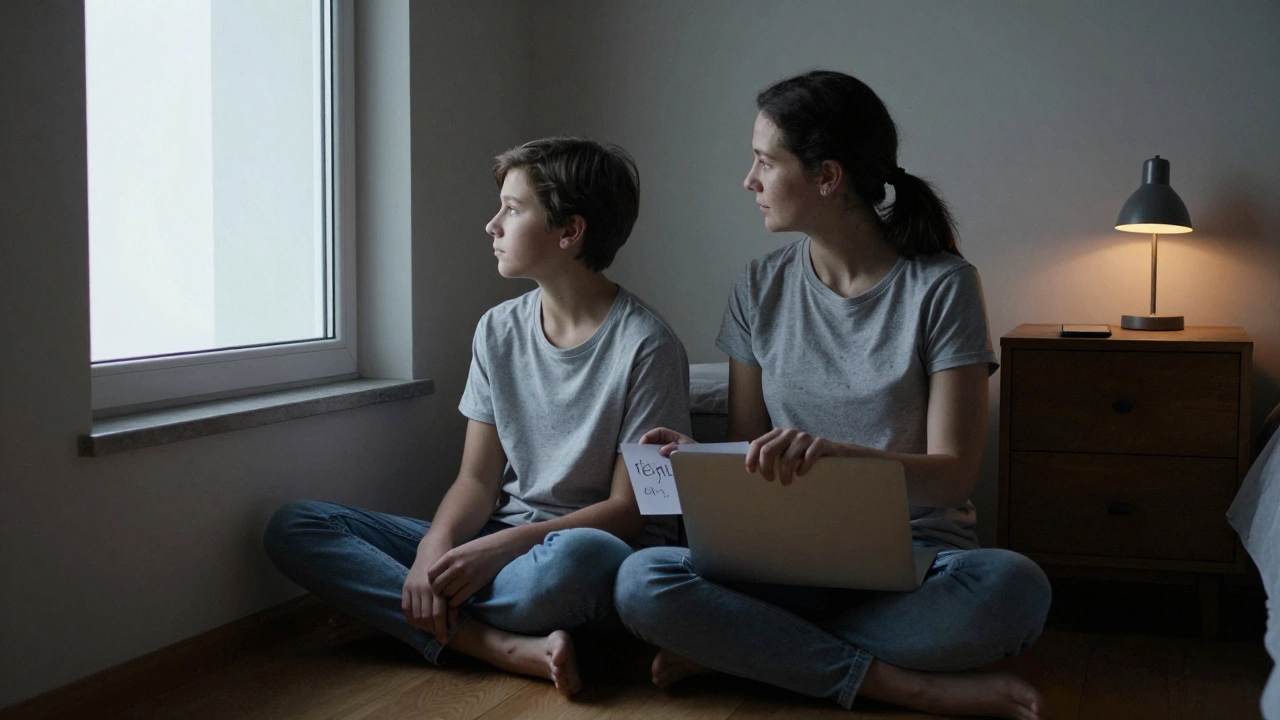
- Your teen shuts themselves in their room. Instead of demanding they talk, you leave a note: "I’m here if you want to sit quietly with me." No pressure. No fix-it mode. Just presence.
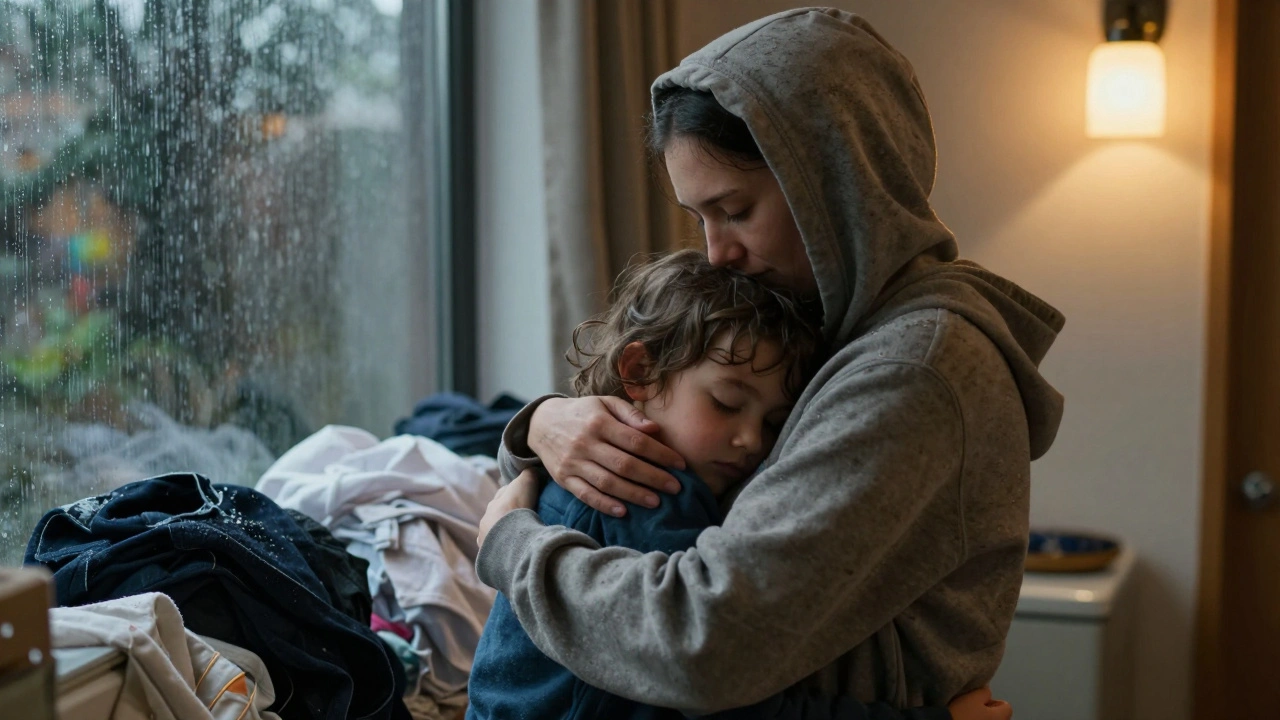
- You’re exhausted after a long day. Your kid asks for a hug. You don’t say "Not now." You say, "I’m really tired, but I want this hug." And you hold them. Even if it’s just for 10 seconds.
It’s Not About More Time-It’s About Better Attention
You don’t need to meditate for 20 minutes. You don’t need to quit your job. You don’t need to buy a journal or download an app.
You just need to notice.
Notice when you’re on autopilot. Notice when you’re rushing. Notice when you’re wishing for bedtime so you can finally relax. Then, gently bring yourself back.
That’s it.
Mindful parenting is the quiet revolution happening in laundry rooms, school drop-offs, and kitchen counters. It’s not loud. It doesn’t make headlines. But it changes everything.
Your kids won’t remember if you made organic pancakes or if your house was spotless. They’ll remember how you felt when you held them. Were you there? Or were you somewhere else?
Can mindful parenting help with my anxiety?
Yes. Mindful parenting isn’t a cure for anxiety, but it helps you break the cycle of reacting to stress. When you practice noticing your thoughts without judgment-like "I’m overwhelmed right now" instead of "I’m a bad mom"-you reduce the intensity of emotional spirals. Research from the Journal of Child and Family Studies shows that mothers who practiced daily mindfulness for eight weeks saw a 25% drop in anxiety symptoms.
What if I have multiple kids? How do I stay present with all of them?
You don’t have to be equally present with all of them at once. Focus on one child at a time, even for just five minutes. Give them your full attention-put your phone down, make eye contact, listen without fixing. Rotate. One day it’s the toddler’s story time. Tomorrow, it’s the teen’s rant. Presence is cumulative. It’s not about quantity; it’s about quality.
Is mindful parenting only for stay-at-home moms?
No. Working moms are often the most practiced at mindfulness because they’ve learned to squeeze presence into tiny windows. Whether you’re on a lunch break or after bedtime, five minutes of undivided attention counts. It’s not about how much time you have-it’s about how you use it.
Can I practice this if I’m divorced or raising kids alone?
Absolutely. In fact, single parents often develop deep mindfulness out of necessity. You’re already doing the hard work. Mindful parenting helps you honor your own limits while still connecting deeply with your children. It’s not about having help-it’s about being there, even when it’s hard.
What if my child doesn’t respond to my presence?
You’re not responsible for their reaction. Your job is to show up, not to fix or control. Sometimes, presence means sitting quietly beside them while they cry. Other times, it means saying, "I’m here," and leaving space for them to come to you. You can’t force connection, but you can create the conditions for it to grow.