Meditation Retreats for Women: What to Expect and Pack
 Nov, 27 2026
You’re standing in your closet at 2 AM, staring at a pile of clothes that feels both too much and not enough. You’ve booked the spot. The deposit is paid. But now, the anxiety kicks in. Will you fit in? Is it weird to go alone? What if you can’t sit still for an hour without checking your phone?
Here’s the truth about women's meditation retreats: they aren’t about achieving perfect silence or floating on clouds. They are structured containers designed specifically for female nervous systems, which often carry different loads than men’s-caregiving burdens, hormonal cycles, and societal expectations. If you’re looking for a break from the noise, this guide breaks down exactly what happens inside these spaces and how to pack so you don’t feel like you’re dragging your daily stress with you.
The Real Difference Between General and Women-Specific Retreats
You might wonder, "Why does gender matter in meditation? Isn't mindfulness universal?" Technically, yes. Practically, no. A mixed-gender retreat often defaults to a neutral, sometimes rigid structure that doesn't account for the communal nature many women crave or the specific trauma responses common among female participants.
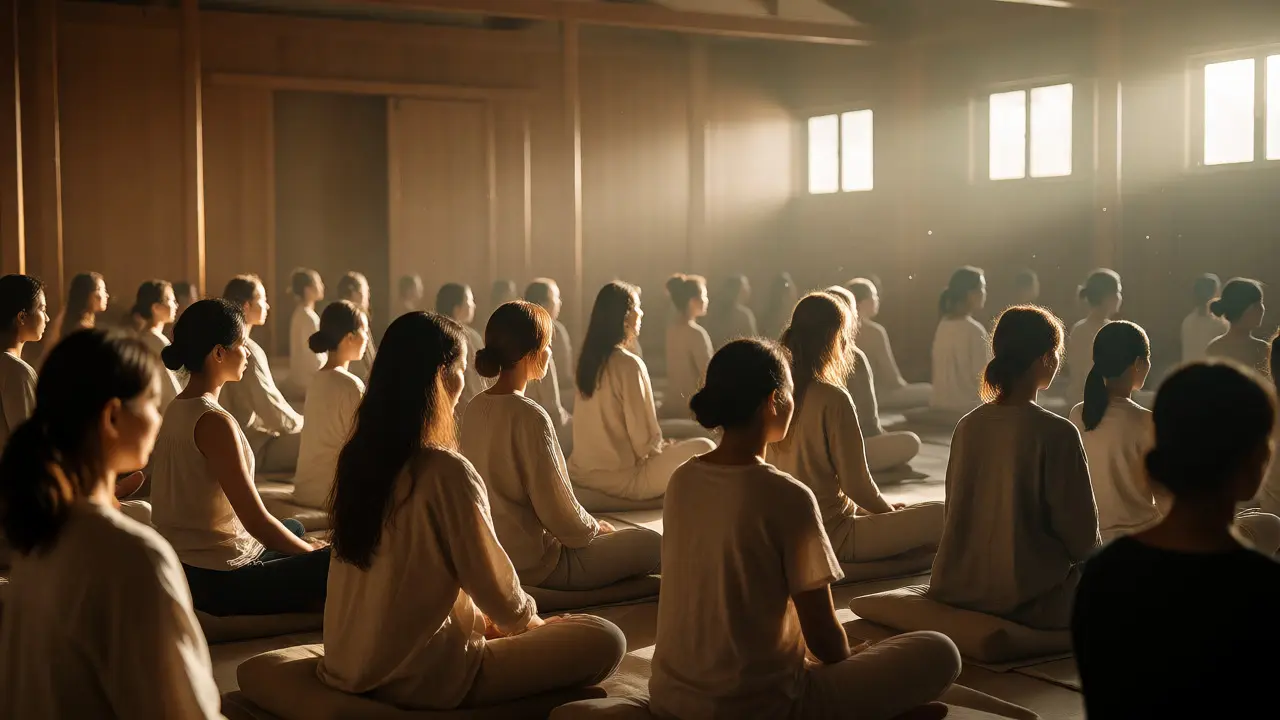
Women-only retreats create a psychological safety net. When you remove the male gaze-even the subconscious one-you drop performance anxiety. You can wear comfortable leggings without worrying about optics. You can cry during a session without feeling exposed. Facilitators in these spaces are trained to address issues like burnout, motherhood guilt, and body image, which rarely get airtime in general corporate mindfulness workshops.
These retreats often blend traditional Vipassana or Zen practices with somatic therapies like yoga nidra or breathwork. The goal isn't just mental clarity; it’s emotional release. You’re not just sitting; you’re processing.
What Actually Happens During the Day
Forget the idea of lying on a beach all day. Most reputable retreats run on a tight schedule because structure creates freedom. Without a plan, your brain will just fill the void with work emails and grocery lists.
A typical day looks something like this:
- 6:00 AM - Wake Up: No alarms. Often, a gentle bell rings through the speakers. This is the first test of surrender.
- 6:30 AM - Morning Practice: Usually 45-90 minutes of seated meditation or guided yoga. Your legs will hurt. That’s normal. It’s part of the process of learning to observe discomfort rather than fix it.
- 8:00 AM - Breakfast: Often served in silence. Yes, even while eating. You focus on the texture of the avocado toast and the temperature of the coffee. It sounds pretentious until you realize how rarely you actually taste your food.
- 10:00 AM - Active Session: Walking meditation, journaling, or a workshop on topics like boundary setting or shadow work.
- 1:00 PM - Lunch & Rest: The only time socializing might be allowed, though many retreats keep lunch silent too. Afterward, there’s a long rest period. Use it. Nap. Stare at the ceiling.
- 4:00 PM - Afternoon Practice: Another round of meditation or movement.
- 7:00 PM - Dinner & Evening Circle: Many women-specific retreats end the day with a sharing circle. This is where the magic happens. Hearing another woman say, "I felt like a failure today," validates your own struggle more than any book could.
The key takeaway? Boredom is the enemy, but also the tool. By removing stimulation (no phones, no books, no small talk), your brain eventually stops fighting the quiet and starts listening to itself.
The Digital Detox Reality Check
Let’s talk about the elephant in the room: your smartphone. Most high-quality retreats require you to surrender your device upon arrival. This isn’t a suggestion; it’s a rule. And it will terrify you.
Withdrawal symptoms are real. Within the first four hours, you’ll likely experience phantom vibrations, anxiety spikes, and a compulsive need to check the time. This is dopamine withdrawal. Your brain is used to constant micro-doses of novelty. When those stop, it panics.
However, by day two, the fog lifts. You start noticing birds. You notice the way light hits the floorboards. You remember who you were before you became a notification center. If you absolutely must have access to technology for emergencies, ask the organizers if there’s a shared phone in the lobby. Do not try to sneak your iPhone into your pocket. You will look at it. You will regret it.
Packing Smart: Less Is More
Packing for a retreat is an exercise in minimalism. You don’t need options; you need comfort. Overpacking creates decision fatigue, which is the opposite of what you’re there to heal.
| Category | Item | Why It Matters |
|---|---|---|
| Clothing | 3 sets of loose-fitting layers | Meditation rooms vary in temperature. Layers allow adjustment without breaking flow. |
| Clothing | Comfortable socks (wool or cotton) | Floors are often cold concrete or wood. Cold feet distract from focus. |
| Clothing | No jeans, no zippers, no buttons | Sitting cross-legged for hours requires zero pressure points on the waist or thighs. |
| Gear | Zafu or cushion (if not provided) | Elevating hips above knees reduces back strain significantly. |
| Gear | Earplugs and eye mask | Shared rooms mean snoring partners and early morning light. |
| Personal | Journal and pen | Insights come fast. Write them down immediately or lose them. |
| Personal | Refillable water bottle | Hydration prevents headaches caused by fasting or intense breathing exercises. |
Leave the makeup bag at home unless you have sensitive skin products you can’t live without. Most retreats encourage natural beauty. Leave the heels behind. Leave the work laptop behind. Seriously, leave it. If you bring it, you will use it, and you will waste $500 worth of peace.
Emotional Waves: What You Might Feel
People expect bliss. They get tears. This is called the "purge." When you stop distracting yourself, suppressed emotions surface. You might feel angry, sad, or suddenly joyful for no reason. This is not a sign you’re doing it wrong. It’s a sign you’re doing it right.
In women-specific spaces, themes often revolve around permission. Permission to rest. Permission to say no. Permission to be imperfect. You may find yourself crying during a walking meditation about a fight you had ten years ago. Let it happen. The facilitators are trained to hold space for this. You don’t need to explain why you’re crying. You just need to breathe through it.
Conversely, some days will feel flat. You’ll think, "This is boring. Nothing is happening." Trust the process. Insight often arrives quietly, months after the retreat ends, when you’re washing dishes and suddenly understand a pattern in your life.

Choosing the Right Type of Retreat
Not all retreats are created equal. Match the format to your current mental state.
- Silent Retreats: Best for deep divers. If you want to reset your baseline and tackle heavy emotional lifting, choose strict silence. No talking, no reading, no writing (sometimes). This is intense but transformative.
- Yoga & Mindfulness Hybrids: Good for beginners or those who find sitting painful. Movement helps regulate the nervous system before settling into stillness.
- Therapeutic Retreats: These include group therapy sessions, art therapy, or coaching. Choose this if you want actionable tools for workplace stress or relationship dynamics.
- Luxury Wellness Spas: Great for burnout recovery where physical pampering is needed alongside mental quiet. Just ensure the spa doesn’t overshadow the meditation component.
Post-Retreat Integration
The biggest mistake people make is treating the retreat as a vacation-a break from life rather than a training ground for it. You return home with a new perspective, but your inbox hasn’t changed. Your partner hasn’t changed. Your kids haven’t changed.
To make the change stick, create a "buffer zone" for the first week back. Don’t schedule major decisions. Keep one 10-minute morning practice going. Share one insight with a trusted friend. If you skip integration, the lessons fade within three weeks. If you integrate, they become part of your operating system.
Remember, the goal isn’t to stay calm forever. Life will still throw curveballs. The goal is to shorten the time between being triggered and returning to center. From three days down to three hours. That’s the win.
Do I need prior meditation experience to attend a women's retreat?
No. Most retreats cater to beginners. In fact, experienced meditators sometimes struggle more because they have strong expectations. Beginners often approach the practice with curiosity and openness, which facilitates deeper learning. Facilitators usually provide multiple posture options and guidance levels.
Is it safe to go to a meditation retreat alone?
Yes, it is very common. Statistics show that over 60% of solo travelers at wellness retreats are women attending alone. The community aspect of women-only groups makes it easy to connect. You will likely meet others arriving solo, creating instant camaraderie. Always check reviews for safety protocols and staff credentials.
What if I have anxiety or panic attacks during the retreat?
Anxiety is a common reaction to sudden silence and introspection. Inform the facilitators beforehand. They can offer grounding techniques, such as focusing on external sounds or moving slowly. You are allowed to step out of the room if you feel overwhelmed. Listening to your body is part of the practice.
Can I bring my phone?
Most strict retreats require you to lock your phone away. Some allow limited usage during designated times (e.g., 15 minutes after dinner) for essential communication. Always check the specific policy. Bringing it for photos is usually discouraged to maintain the present-moment focus.
How do I handle dietary restrictions?
Reputable retreat centers accommodate most dietary needs, including vegan, gluten-free, and nut allergies. Notify them at least two weeks in advance. Meals are typically simple, whole-food based, which naturally aligns with mindfulness practices by reducing digestive heaviness.