Marie Kondo vs. Other Methods: Women’s Guide to Organizing Styles
 Oct, 28 2026
You’ve seen the videos. You’ve folded your t-shirts into tiny squares until your fingers cramped. But then you look at your closet three weeks later, and it’s a disaster zone again. Sound familiar? Here’s the truth: Marie Kondo is not a one-size-fits-all solution for every woman’s life. While her method sparked a global revolution in tidying, it clashes with reality for many-especially those juggling careers, kids, or just plain chaos. So, how do you choose an organizing style that actually sticks?
What Makes Marie Kondo’s Method Tick (And When It Fails)
The KonMari Method is a lifestyle philosophy developed by Japanese consultant Marie Kondo that focuses on keeping only items that "spark joy" and discarding everything else. It’s less about cleaning and more about emotional curation. The core rule is simple: if it doesn’t bring you joy, let it go. No exceptions for "maybe I’ll need it someday."
This approach works wonders for people who feel overwhelmed by excess but have the mental bandwidth to handle the emotional weight of letting go. It’s particularly effective for women transitioning through life changes-moving homes, after a divorce, or when children leave for college. However, it demands significant time upfront. A full KonMari session can take months. If you’re working two jobs and raising toddlers, spending six hours folding socks might feel like a luxury you can’t afford.
Also, consider the cost. Kondo’s book and Netflix series popularized specific storage bins and hangers. If you buy into the aesthetic without adapting it to your budget, you might end up with expensive plastic boxes holding things you didn’t even want. The method requires a mindset shift, not just a product purchase.
The Minimalist Approach: Less Stuff, More Space
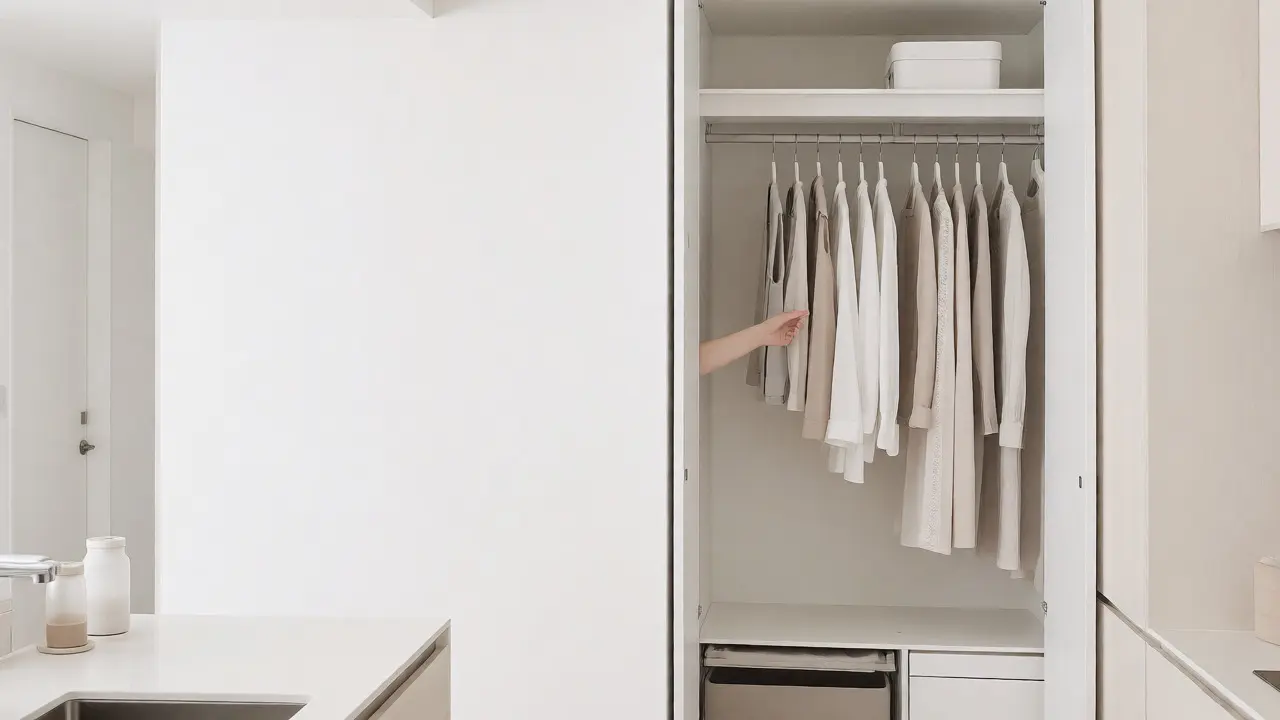
If KonMari feels too emotionally taxing, Minimalism offers a colder, more logical alternative. Unlike Kondo’s focus on individual items sparking joy, minimalism focuses on systems and volume. The goal isn’t necessarily to love every object; it’s to reduce friction in your daily life. Think of it as curating a toolkit rather than a museum collection.
Minimalism appeals to women who value efficiency over sentimentality. For example, a capsule wardrobe-a small collection of interchangeable clothes-is a minimalist tactic that saves decision fatigue. Instead of asking "Does this shirt spark joy?", you ask "Do I wear this regularly?" This removes the emotional burden from daily choices. It’s ideal for busy professionals who need their homes to function smoothly without constant maintenance.
But minimalism has its pitfalls. It can become rigid. Some people strip their homes so bare they lose comfort. If you have young children, strict minimalism often fails because toys multiply faster than you can purge them. The key is flexibility: allow zones of controlled clutter (like a playroom) while maintaining minimalist standards elsewhere.
The FlyLady System: Small Steps for Big Results
For those who find both Kondo’s intensity and minimalism’s austerity overwhelming, FlyLady provides a gentle, habit-based framework. Created by Marla Cilley, this system breaks housework into manageable chunks. The mantra is "Shine Your Sink," a tiny daily task that builds momentum.
FlyLady is perfect for women dealing with executive dysfunction, ADHD, or burnout. It doesn’t require you to declutter your entire house in a weekend. Instead, you set timers for 15-minute bursts of cleaning. Over time, these micro-habits transform your space without the trauma of massive purges. It’s forgiving. Missed a day? No guilt trip. Just start again tomorrow.
Unlike KonMari, which focuses on possessions, FlyLady focuses on routines. It teaches you to maintain order through consistency rather than perfection. This makes it highly sustainable for long-term household management, especially for stay-at-home moms or caregivers who face unpredictable days.
Comparing the Core Philosophies
To help you decide which path fits your life, here’s a breakdown of how these methods differ in practice. Each targets different pain points and personality types.
| Method | Primary Focus | Time Commitment | Best For | Key Challenge |
|---|---|---|---|---|
| KonMari | Emotional connection to objects | High (weeks/months) | Those ready for a total reset | Decision fatigue and high initial effort |
| Minimalism | Functionality and simplicity | Moderate (ongoing discipline) | Busy professionals and efficiency seekers | Rigidity and lack of personal warmth |
| FlyLady | Daily habits and routines | Low (15 mins/day) | Overwhelmed individuals and parents | Requires consistent routine adherence |
| P90X3 Style Cleaning | Speed and physical activity | Variable (intense bursts) | Active individuals who dislike sitting still | Burnout risk if not paced correctly |
Hybrid Strategies: Mixing Methods for Real Life
Why choose one when you can blend them? Most successful organizers don’t stick to a single dogma. They create a hybrid system tailored to their specific needs. For instance, use KonMari principles for sentimental items like photo albums or heirlooms, where emotion matters most. But apply FlyLady tactics for daily chores like dishes and laundry, where speed and routine are key.
Consider the "One In, One Out" rule, often associated with minimalism. Pair it with KonMari’s joy test. Before buying a new jacket, ensure it sparks joy. Then, commit to removing an old one. This prevents the slow creep of clutter back into your organized space. It’s a practical safeguard against the rebound effect, where a tidy room becomes messy again within months.
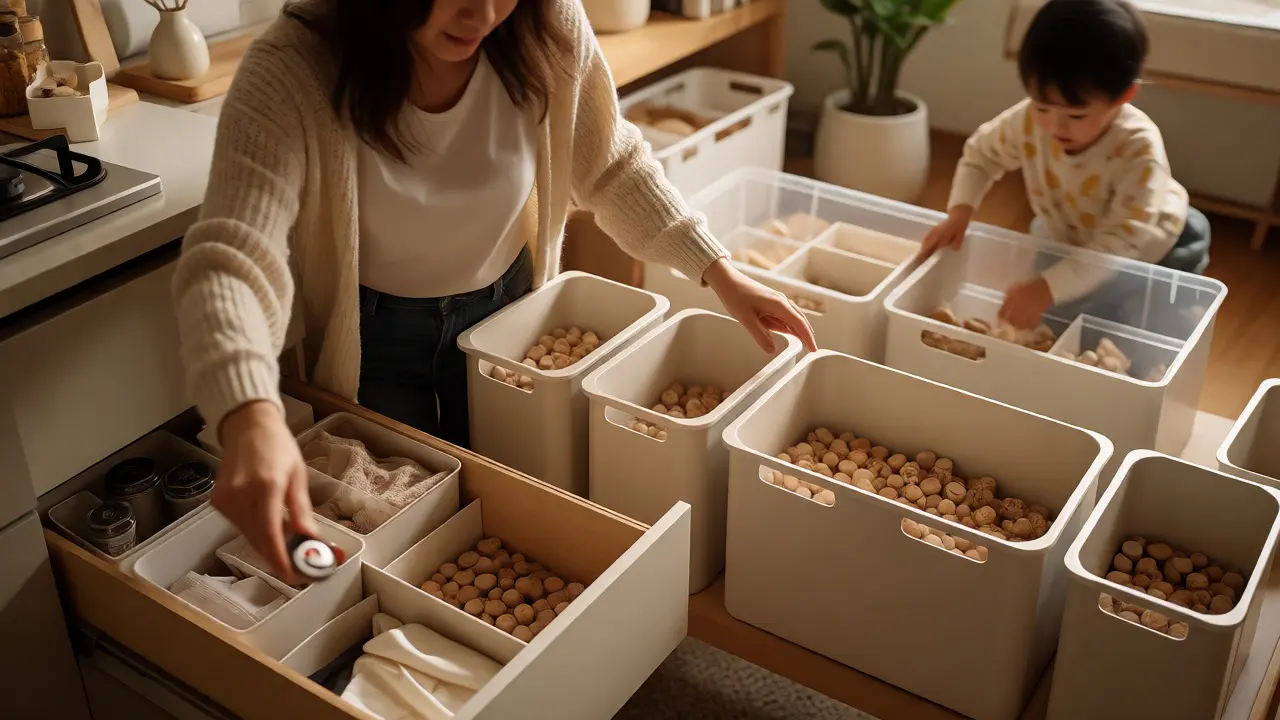
Another powerful combo is using minimalist storage solutions with FlyLady’s timing. Buy sleek, uniform containers (minimalist aesthetic) but fill them gradually during 15-minute cleaning sessions (FlyLady pacing). This reduces the visual noise of mismatched boxes while keeping the workload manageable. You get the calm of a minimalist home without the stress of an all-or-nothing overhaul.
Practical Tips for Choosing Your Style
Selecting the right method isn’t about what looks good on Instagram; it’s about what fits your brain and schedule. Ask yourself these questions:
- How much time do I realistically have each week? If it’s less than two hours, FlyLady is your best bet. If you have weekends free, try KonMari.
- Do I struggle with letting go? If yes, start with FlyLady to build confidence before tackling big purges. KonMari can be traumatic if you’re not ready.
- Is my home chaotic due to lack of systems or excess stuff? Excess stuff calls for KonMari or Minimalism. Lack of systems calls for FlyLady.
- Who else lives in my home? If you share space with partners or kids, impose strict rules only on shared areas. Let others manage their own zones to avoid conflict.
Remember, the goal isn’t a perfect home. It’s a functional one. Don’t let the pursuit of an organized aesthetic steal your peace. Start small, pick one technique, and see how it feels. Adjust as needed. Your home should serve you, not the other way around.
Is Marie Kondo still relevant in 2026?
Yes, but with caveats. The core principle of mindful consumption remains valuable, but the rigid application has softened. Many now adapt her joy test to include utility, recognizing that some useful items don't spark joy but save time. It's less about throwing away everything and more about intentional ownership.
Can I mix Marie Kondo with FlyLady?
Absolutely. Use FlyLady's 15-minute timer to tackle small decluttering tasks inspired by KonMari. For example, spend 15 minutes sorting a drawer, applying the joy test to each item. This makes the overwhelming KonMari process manageable and less daunting.
What is the biggest mistake women make when organizing?
Buying storage solutions before decluttering. Many women purchase bins and baskets to hide mess, which only adds to the clutter. Always purge first, then organize what remains. Storage is a tool for what you keep, not a hiding place for what you haven't dealt with yet.
How do I handle sentimental items?
Sentimental items are the hardest part of any method. Take photos of bulky items like childhood artwork or sports trophies instead of keeping them physically. This preserves the memory without the space cost. Keep only the few items that truly resonate emotionally.
Does minimalism work for families with kids?
It can, but it requires realistic expectations. Kids generate stuff. Instead of strict minimalism, aim for "functional simplicity." Rotate toys to keep the visible amount low, and use clear bins so kids can see what they have. Teach them the one-in-one-out rule early.