Managing Your Period at Work or School: A Practical Plan
 Nov, 26 2026
It’s 2 PM on a Tuesday. You’re in the middle of a meeting or a lecture, and you feel that familiar, unwelcome cramp tighten your lower abdomen. The panic isn’t just about the pain; it’s about the logistics. Do you have supplies? Can you leave without drawing attention? Will you make it to the bathroom before things get messy? For many women, menstruation is not just a biological process but a logistical hurdle that demands strategic planning. Managing your period at work or school requires more than just carrying a tampon; it involves understanding your cycle, preparing for emergencies, and navigating social norms with confidence.
The Reality of Cycle Tracking
You cannot manage what you do not measure. The first step in taking control of your monthly rhythm is knowing when it’s coming. This isn’t just about marking dates on a calendar; it’s about recognizing patterns. Most cycles last between 21 and 35 days, but stress, diet, and sleep can shift this window. If you rely solely on memory, you’re setting yourself up for surprise disruptions.
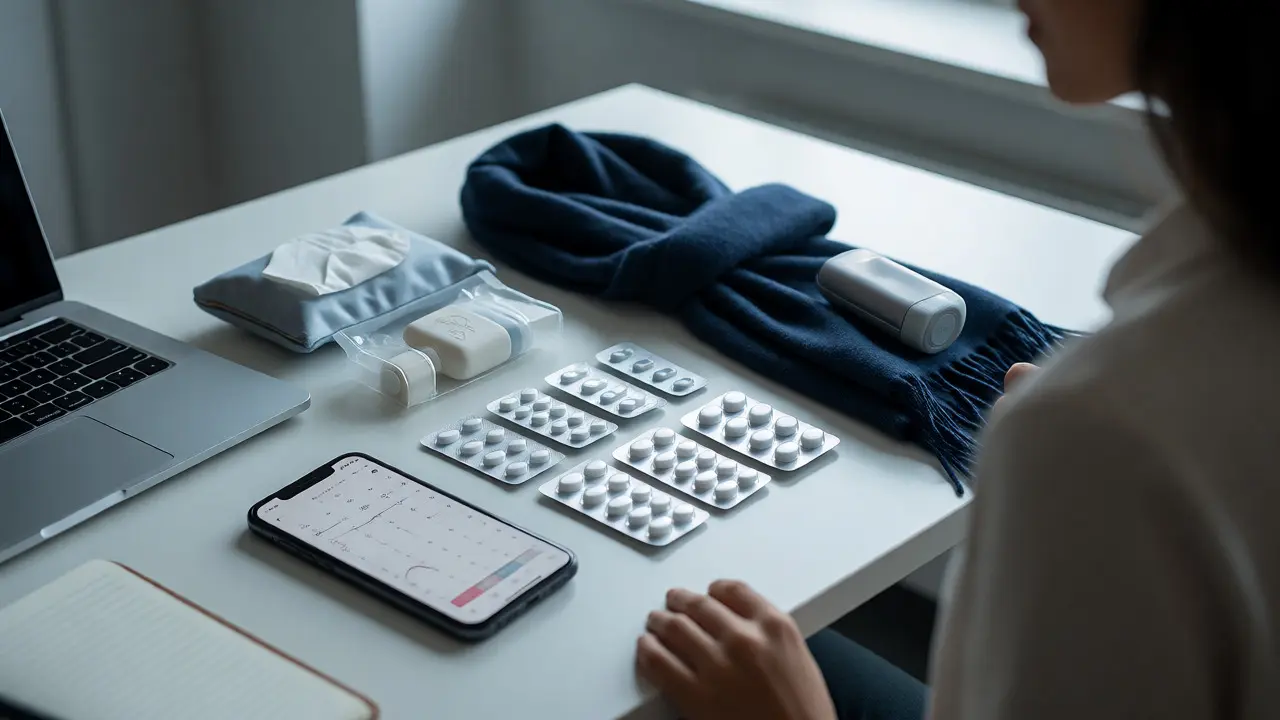
Consider using a dedicated app like Clue or Flo, which track not just bleeding days but also symptoms like bloating, mood swings, and energy dips. Why does this matter? Because if you know your period starts on Friday, you can prep your bag on Thursday night. If you notice a pattern of severe cramps two days before bleeding starts, you can take anti-inflammatory medication preemptively rather than waiting until you’re doubled over in a cubicle.
- Track consistently: Log start and end dates for at least three months to find your average.
- Note triggers: Identify if caffeine, salt, or lack of sleep worsens your symptoms.
- Predict PMS: Use data to anticipate emotional shifts and physical discomfort.
Building Your 'Period Emergency Kit'
Imagine you’re in a high-stakes presentation or an exam hall. Running out of protection isn’t an option. Yet, most people carry only one pad or tampon, assuming they’ll make it home. This is a risky gamble. A well-stocked emergency kit removes the anxiety of "what if."
| Item | Why It’s Essential | Pro Tip |
|---|---|---|
| Multiple Pads/Tampons | Covers unexpected heavy flow or delayed access to restrooms. | Mix absorbencies (regular and overnight) for flexibility. |
| Menstrual Cup | Reusable, holds more fluid, lasts up to 12 hours. | Practice insertion at home first; keep a spare in case of breakage. |
| Pain Relief Meds | Ibuprofen or naproxen reduce prostaglandins causing cramps. | Keep them in original blister packs to avoid moisture damage. |
| Dark Clothing Layer | A scarf, jacket, or sweater tied around the waist hides stains. | Choose black or navy colors that don’t show blood spots. |
| Wet Wipes & Hand Sanitizer | Not all office/school bathrooms have soap or running water. | Alcohol-free wipes are gentler on sensitive skin. |
| Chocolate or Snack | Blood sugar drops during menstruation can cause fatigue. | Opt for dark chocolate; magnesium helps relax muscles. |
Navigating Office and School Culture
Let’s address the elephant in the room: stigma. Many women still whisper when asking for a tampon or hide pads up their sleeves like contraband. But attitudes are shifting. In progressive workplaces and schools, open communication reduces stress. However, you need to gauge your environment.
In a corporate setting, you might not want to announce your status to the whole team. Instead, identify allies. Is there a female colleague you trust? Knowing who else has supplies in their drawer can be a lifesaver. If you’re in a male-dominated field, you might face awkwardness, but remember: your biology is normal. Confidence is contagious. When you handle your needs calmly and efficiently, others follow suit.
For students, the dynamics differ. Teachers and professors may not always understand why you need to leave class frequently. Having a note from a doctor or simply explaining privately to your instructor can help. Some schools now offer free period products in restrooms-a resource worth checking out. If yours doesn’t, consider starting a petition or bringing a small dispenser to your classroom.
Comfort Strategies for Long Days
Sitting for eight hours straight exacerbates pelvic congestion, making cramps worse. Standing desks aren’t just a trend; they’re a physiological aid. If your workplace allows it, alternate between sitting and standing every hour. At school, if you’re stuck in hard plastic chairs, use a cushion to relieve pressure on your tailbone and lower back.
Hydration plays a surprising role here. It sounds counterintuitive-drink more water when you’re already bloated? Yes. Dehydration makes your body hold onto water, increasing puffiness. Drinking enough flushes sodium and keeps tissues lubricated, which can ease cramping. Keep a large bottle of water at your desk or locker.
Temperature control is another factor. Cold air conditioning in offices often hits women harder due to hormonal fluctuations affecting body temperature regulation. Keep a lightweight cardigan or shawl nearby. Conversely, heat therapy is powerful. A portable heating pad or even a warm water bottle held against the lower abdomen can block pain signals effectively. Research suggests heat is as effective as some painkillers for mild to moderate cramps.
Dealing with Leaks Without Panic
Leaks happen. They are not moral failures or signs of poor hygiene. They are physics. If a leak occurs, the goal is containment and cleanup, not shame. First, assess the situation. Is it visible through your pants? If yes, tie a shirt around your waist immediately. If you’re wearing a skirt, sit down to cover the area while you move to the restroom.
Once in the bathroom, clean the area thoroughly. Use wet wipes if toilet paper is insufficient. Change into fresh underwear if you have spares. If you don’t, consider using a panty liner as a temporary barrier until you can change properly. Don’t scrub too hard; the skin is sensitive. After cleaning, check your clothes. Spot-clean stains with cold water and a bit of hand soap. Hot water sets protein-based stains, so stick to cold.
If you’re far from home, what next? Call a friend or family member to bring clean clothes. Many modern apps allow you to request rides or deliveries; you could even order fresh underwear via a delivery service if you’re desperate. Accepting help is part of managing your health.
When to Seek Medical Help
While occasional discomfort is normal, debilitating pain is not. If your period prevents you from working or attending school regularly, talk to a healthcare provider. Conditions like endometriosis, PCOS, or fibroids affect millions of women but are often dismissed as "bad periods."
Track your pain levels on a scale of 1 to 10. If you’re consistently above a 7, or if you’re missing more than one day of work/school per month due to symptoms, seek advice. Treatments range from hormonal birth control to non-hormonal options, depending on your goals. You shouldn’t have to suffer in silence just to maintain productivity.
How often should I change my period product at work?
Tampons should generally be changed every 4 to 8 hours to prevent Toxic Shock Syndrome (TSS), though lighter flows may allow for longer intervals. Pads should be changed every 4 hours or sooner if saturated. Menstrual cups can typically stay in for up to 12 hours, making them ideal for long workdays where bathroom breaks are limited.
What is the best way to hide period pain at work?
Use heat therapy discreetly by placing a disposable heating pad inside your clothing or holding a warm mug against your stomach. Take over-the-counter pain relievers like ibuprofen early in the day before pain peaks. Adjust your posture; slouching compresses the abdomen, so sit upright or use a lumbar support cushion to alleviate pressure.
Can I ask for a break during my period at work?
In many places, there is no specific legal right to a "period break," but general sick leave policies apply. If your symptoms are severe, treat it as a medical issue. Communicate with your manager proactively. You don’t necessarily need to specify "period"; saying you have a "medical condition" or "severe cramps" is sufficient. Some companies are adopting menopause and menstrual health policies that explicitly allow flexible breaks.
What foods help reduce period symptoms at school?
Focus on anti-inflammatory foods. Dark leafy greens replenish iron lost through bleeding. Bananas provide potassium, which helps with bloating. Ginger tea can soothe nausea and cramps. Avoid excessive salt and sugar, which can worsen water retention and energy crashes. Keeping healthy snacks in your backpack ensures you don’t rely on vending machine junk food.
Is it okay to wear dark jeans during my period?
Yes, dark-colored denim is a popular choice because it camouflages potential leaks better than light fabrics. However, ensure the fit is comfortable; tight waistbands can aggravate cramps. Consider stretchy materials or loose-fitting trousers if you experience significant bloating. Ultimately, wear what makes you feel secure and confident.